

Gastrocnemius
Key Takeaways
- The gastrocnemius is a major calf muscle that is essential for walking, climbing, and running.
- Sudden calf pain during sport or a quick push-off movement can signal a strain or tear.
- Diagnosis usually relies on a careful history and physical examination, with imaging used when needed.
- Most mild injuries improve with rest, gradual rehabilitation, and activity modification.
- Persistent swelling, severe pain, or trouble bearing weight should be assessed by a doctor.
The gastrocnemius is the larger calf muscle that helps bend the knee and push the foot downward during walking, running, and jumping. When it is strained or injured, it can cause calf pain, tightness, and difficulty with movement, but most cases improve with appropriate care and recovery time.
Overview
The gastrocnemius is the prominent muscle at the back of the lower leg. It forms much of the visible contour of the calf and works closely with the soleus muscle to help the foot point downward and to support movement from standing to sprinting.
Because it crosses both the knee and ankle joints, the gastrocnemius is involved in a surprisingly wide range of everyday activities. It helps a person rise onto the toes, push off while walking, and absorb load during jumping or sudden changes in direction. When it is overloaded, the muscle can become strained, tight, or painful.
In medical language, a gastrocnemius problem often means a calf muscle strain rather than a disease of the muscle itself. That distinction matters, because the main concern is usually mechanical injury, overuse, or reduced flexibility rather than a systemic illness.
Symptoms
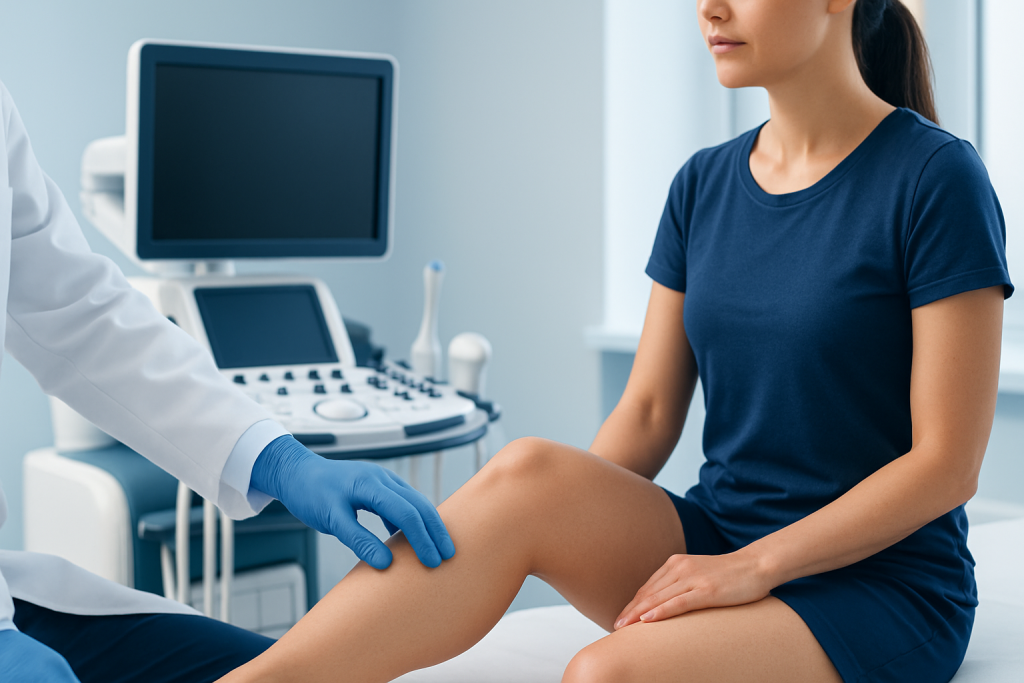
A gastrocnemius strain often begins with a sudden, sharp sensation in the calf during a run, a jump, or an abrupt push-off. Some people describe it as being struck or “snapped” in the back of the leg. Others notice the pain more gradually after exercise, especially if the calf has been working harder than usual.
Common symptoms include tenderness in the upper or middle calf, stiffness when walking, pain when standing on tiptoe, and discomfort when stretching the knee or ankle. Swelling or mild bruising can appear after a moderate or more significant injury.
Symptoms can vary depending on the severity of the strain:
- mild pain and tightness only during activity
- pain with walking, climbing stairs, or pushing off
- visible swelling or bruising
- difficulty continuing sport or exercise
- in more severe cases, a clear loss of strength or a palpable gap in the muscle
Because calf pain can also come from the Achilles tendon, a blood vessel problem, or other conditions, the exact pattern of symptoms helps guide evaluation.
Causes & Risk Factors
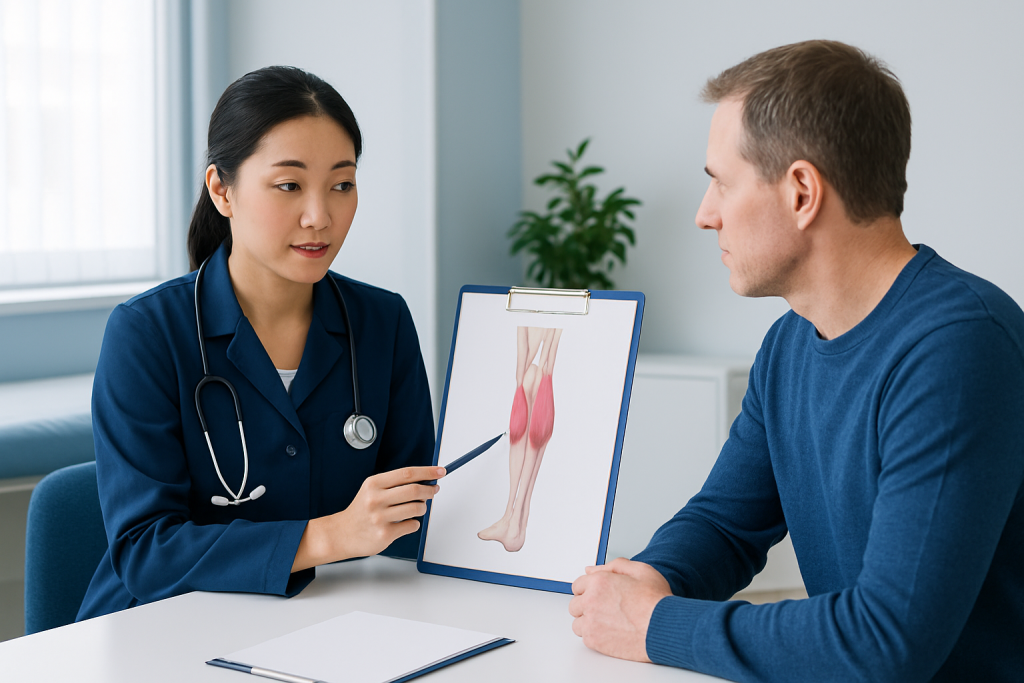
The gastrocnemius is most often injured when it is stretched forcefully while contracting. This can happen during acceleration, uphill running, jumping, racket sports, or a sudden change of direction. The muscle may also be stressed by repetitive overuse, especially if training intensity rises too quickly.
Several factors can increase the chance of a strain. Limited calf flexibility, inadequate warm-up, previous calf injury, muscle fatigue, and weak support muscles around the ankle and hip may all contribute. People who return to intense sport before full recovery are more likely to re-injure the area.
Risk can also rise with age, because muscle elasticity and recovery often change over time. Footwear, training surface, and biomechanical differences such as altered gait or foot mechanics may add strain in some individuals. For international patients planning treatment abroad, it is helpful to bring prior imaging, rehabilitation notes, and a record of what movement first triggered the pain, since these details can speed assessment and reduce repeat testing.
Diagnosis
Diagnosis usually starts with a conversation about how the pain began, what movements make it worse, and whether there was a sudden pop, cramp, or immediate loss of function. The clinician then examines the calf, ankle, and knee, checking tenderness, swelling, range of motion, and strength with resisted movements and toe raises.
In many cases, a careful physical examination is enough to identify a gastrocnemius strain. If the symptoms are atypical, severe, or not improving as expected, imaging may be recommended. Ultrasound can help assess muscle injury and fluid collection, while MRI provides more detailed information about the extent and location of a tear.
Diagnosis also includes ruling out other causes of calf pain. Depending on the situation, a doctor may consider an Achilles tendon injury, a deep vein problem, a Baker’s cyst, a stress injury, or a nerve-related issue. This step is important because treatment and urgency differ across these conditions.
Treatment Options
Treatment depends on the severity of the injury, but the early approach is usually focused on protecting the muscle and reducing pain. Short-term rest from aggravating activity, gentle compression, elevation when swelling is present, and gradual return to movement are common first steps. Ice may be used for comfort in the first phase if recommended by a clinician.
As pain settles, rehabilitation becomes the central part of recovery. A program may include stretching, progressive calf strengthening, balance work, and movement retraining. The goal is not only to relieve symptoms, but also to restore calf power and reduce the chance of another strain.
In more significant injuries, walking support or a temporary heel lift may be advised. Pain relief medicines may be discussed by a doctor if appropriate, but treatment should remain individualized, especially when there are other medical conditions or if surgery or clot-related causes have not yet been excluded. Rarely, when a large tear or another structural problem is present, specialist input is required.
Recovery time varies widely. Mild strains may settle relatively quickly, while more substantial tears take longer and should not be rushed. A good return-to-activity plan is usually based on pain-free walking, restored calf strength, and the ability to hop, jog, or change direction without symptoms.
Prevention & Self-care
Calf injuries are often preventable with preparation and pacing. A thoughtful warm-up before sport gives the gastrocnemius time to adapt to demand, while regular strength and flexibility work help it tolerate sudden load. People who spend long hours sitting may also benefit from periodic movement breaks to keep the lower legs from becoming stiff.
Practical self-care strategies include:
- increase training volume and intensity gradually
- include calf strengthening in regular exercise routines
- maintain ankle mobility and calf flexibility
- choose supportive footwear for the activity
- respect fatigue and allow recovery days
After an injury, it is wise to return in stages rather than all at once. Walking should feel normal before faster drills begin, and sport-specific movements should be introduced only when strength and confidence have recovered. For patients traveling back home after treatment, a clear written rehabilitation plan can make follow-up with a local physiotherapist or physician much smoother.
When to See a Doctor
Medical assessment is advisable when calf pain is sudden, severe, or followed by swelling, bruising, or difficulty bearing weight. A doctor should also evaluate symptoms that do not improve over several days, especially if they interfere with walking or daily tasks.
Urgent care is important if the calf becomes markedly swollen, red, warm, or tender, or if pain is accompanied by shortness of breath or chest discomfort, since those features may signal a more serious problem that needs prompt attention. Even when the cause seems likely to be a strain, these warning signs should not be ignored.
People who are uncertain whether the problem is a muscle injury, tendon injury, or another condition often benefit from specialist evaluation. At Acibadem Health Point, multidisciplinary specialists and JCI-accredited hospitals diagnose and treat gastrocnemius injuries for international patients, helping them coordinate imaging, rehabilitation, and follow-up across borders.
Living With a Gastrocnemius Injury
Day-to-day recovery is often about pacing. Short walks, gentle mobility work, and avoiding sudden pushes or sprints can help the muscle settle while keeping the rest of the body active. Many people do better when they view recovery as a stepwise process rather than a waiting period.
It can also help to watch for patterns: if pain returns with hills, stairs, or quick starts, the muscle may still need more strengthening before full activity resumes. Keeping a simple record of symptoms, activity levels, and exercises can make follow-up visits more useful, especially when care is being managed from another country or in different health systems.
With the right diagnosis and a gradual plan, most gastrocnemius injuries improve well. The key is to match the pace of healing to the demands placed on the calf, rather than asking the muscle to perform before it is ready.
Frequently asked questions
What does the gastrocnemius muscle do?
The gastrocnemius is the larger calf muscle and helps point the foot downward, rise onto the toes, and push the body forward during walking and running. It also assists with bending the knee because it crosses that joint as well. These jobs make it important in everyday movement and sport.
How can someone tell if calf pain is a gastrocnemius strain?
A strain often starts suddenly during a forceful movement such as sprinting, jumping, or pushing off. Pain is usually felt in the back of the calf and may be worse with walking, toe raises, or stretching the muscle. A clinician should confirm the diagnosis because other conditions can cause similar pain.
How long does a gastrocnemius injury take to heal?
Healing time depends on how much of the muscle is affected. Mild strains may improve with rest and rehabilitation over a shorter period, while more significant tears need a longer, staged recovery. Returning too early can slow healing or lead to another injury.
Should a person rest completely after a calf strain?
Brief rest from painful activity is often helpful at the start, but complete immobility is not always necessary. As symptoms ease, guided movement and rehabilitation usually help restore strength and flexibility. The safest plan depends on the severity of the injury and a doctor’s advice.
Can a gastrocnemius problem be mistaken for something more serious?
Yes. Calf pain can sometimes come from the Achilles tendon, a deep vein problem, a cyst behind the knee, or another condition. That is why swelling, redness, heat, marked tenderness, or breathing symptoms should be assessed promptly.
What helps prevent repeat calf strains?
A gradual training build-up, regular calf strengthening, good warm-up habits, and attention to flexibility can lower the chance of recurrence. It also helps to return to sport only after walking, jogging, and direction changes feel comfortable again. A physiotherapist can tailor prevention work to the person’s sport and movement pattern.
References
- American Academy of Orthopaedic Surgeons
- Mayo Clinic
- NHS
- Cleveland Clinic
- UpToDate
This article is for general information only and is not a substitute for professional medical advice. Please consult a qualified doctor about your individual situation.
More from the Health Library
Related Specialists

Prof. Dr. Lütfi Özkan
Radiation Oncology
Prof. Dr. Mustafa Karahan
Orthopedic Surgery & Traumatology
Dr. Nazmî Uğur Ünlü
Neurosurgery
Prof. Dr. Nuran Beşe
Radiation Oncology