Automatic Muscle

Key Takeaways
- “Automatic muscle” commonly refers to involuntary muscle twitching, spasms, or cramps rather than a single disease.
- Common triggers include dehydration, overuse, stress, medication effects, and nerve-related conditions.
- Diagnosis depends on the pattern of symptoms and may include a physical exam, blood tests, imaging, or nerve studies.
- Treatment focuses on the underlying cause, symptom relief, hydration, stretching, and safer movement habits.
- Medical assessment is important if symptoms are new, worsening, one-sided, painful, or linked with weakness or numbness.
Automatic muscle is not a standard medical diagnosis, but people often use it to describe involuntary muscle twitching, spasms, cramps, or other movements that seem to happen on their own. These symptoms are usually manageable, but they deserve proper evaluation when they are frequent, painful, persistent, or associated with other neurological changes.
Overview
The phrase “automatic muscle” is often used by people trying to describe muscles that move on their own — twitching, jumping, tightening, or cramping without a conscious command. In medical terms, these experiences may be called muscle twitching, muscle spasms, cramps, or involuntary movements, depending on what they feel like and which muscles are involved.
Most of the time, these symptoms are not dangerous and can be linked to everyday factors such as fatigue, dehydration, exercise, anxiety, or a temporary nerve irritation. Still, when involuntary muscle activity keeps returning, spreads, or appears together with weakness, numbness, pain, or trouble walking, it is worth a careful medical review. For international patients, understanding the pattern before traveling for care can help make consultations more focused and efficient.
Because the symptom is broad, the first step is usually not to name a disease, but to describe exactly what the muscles are doing, how long it lasts, and what seems to trigger it. That practical detail often points the clinician toward the right next step.
Symptoms
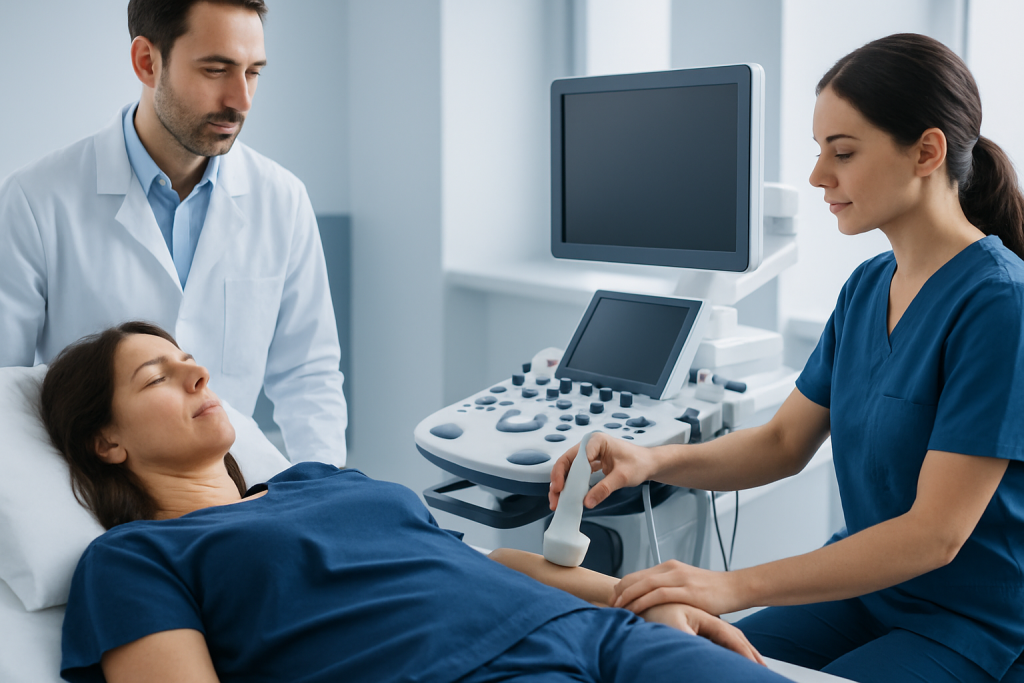
People use different words for the same unpleasant sensation. One person may notice a small eyelid twitch, another may feel a calf tighten suddenly at night, and someone else may describe a muscle “firing” repeatedly under the skin. Although the experience varies, the common theme is that the muscle seems to act on its own.
Typical symptoms may include:
- Brief twitching or jumping under the skin
- Sudden tightening or knotting of a muscle
- Painful cramps, especially in the legs or feet
- Visible rippling or quivering in a muscle
- Stiffness or a sense that the muscle will not relax
- Symptoms that come and go, often with activity, rest, stress, or sleep
The location matters. Eyelid twitching is often harmless and temporary, while repeated spasms in the hands, legs, or face may suggest a different cause. If the movements are accompanied by weakness, balance problems, speech changes, or loss of coordination, the situation deserves prompt evaluation rather than simple self-treatment.
Causes & Risk Factors

There is no single cause behind involuntary muscle activity. In many people, the explanation is straightforward: muscles are reacting to strain, dehydration, or temporary changes in the body’s chemistry. In others, the symptom may reflect irritation of a nerve, a medication effect, or a neurological condition that needs closer attention.
Common causes and contributing factors include:
- Muscle overuse: exercise, repetitive work, long travel, or standing for extended periods
- Dehydration or electrolyte imbalance: especially when fluid intake is low or there is vomiting, diarrhea, or heavy sweating
- Stress and poor sleep: both can make muscles more reactive
- Caffeine, alcohol, or stimulant use: may increase twitching in some people
- Medication effects: certain medicines can contribute to cramps or involuntary movements
- Nerve irritation or compression: such as pinched nerves or neuropathy
- Neurological disorders: less common, but important when symptoms are persistent or progressive
Risk is higher in people who train intensely, recover poorly from illness, have chronic medical conditions, or take several medications. International travelers may also notice symptoms after long flights, changes in routine, sleep disruption, or reduced hydration, which can all affect muscles temporarily.
Diagnosis
Diagnosis starts with a conversation. A clinician will usually ask what the symptom feels like, where it happens, how long it has been going on, and whether it is painful or associated with other changes. Because “automatic muscle” is not a formal diagnosis, the goal is to identify the underlying pattern rather than apply a label too quickly.
A physical exam can reveal whether the muscle itself is irritated, whether a nerve may be involved, or whether weakness or altered reflexes are present. Depending on the story, the clinician may order blood tests to check electrolytes, thyroid function, vitamin levels, kidney function, or other markers that can influence muscle behavior.
When symptoms suggest a nerve or brain-related cause, further testing may be recommended. This can include electromyography (EMG), nerve conduction studies, or imaging such as MRI. For patients traveling from abroad, it is helpful to bring a medication list, prior test results, and any short videos of the muscle movements, since symptoms may not appear during the visit itself.
Treatment Options
Treatment depends on the cause. If the issue is dehydration, overexertion, or low mineral levels, care may focus on correcting those factors and giving the muscles time to recover. If a medicine is contributing, the prescribing clinician may consider a safer alternative. If a nerve disorder is involved, treatment becomes more specific and may require a neurologist or rehabilitation specialist.
Symptom relief often includes gentle stretching, heat, rest, and improved hydration. Some people benefit from physical therapy, especially when spasms or cramps are linked to posture, movement patterns, or recovery after injury. In more persistent cases, clinicians may recommend targeted therapies based on the diagnosis, such as nerve-directed treatment or muscle relaxation strategies.
Because the right treatment depends on the underlying cause, it is best not to self-treat repeatedly without understanding why the symptom is happening. A short-term cramp after a long hike is very different from recurring involuntary movements that affect daily function or sleep.
Prevention & Self-care
Simple habits can reduce the likelihood of many benign muscle spasms and twitches. Regular hydration, balanced meals, adequate sleep, and sensible exercise pacing all support healthier muscle function. Warm-up routines before activity and stretching after exercise may also help, especially in the legs and feet.
Practical self-care steps may include:
- Drinking fluids regularly, especially in hot weather or during travel
- Stretching muscles that tend to cramp, particularly calves and hamstrings
- Reviewing caffeine and alcohol intake
- Prioritizing sleep and recovery after exercise
- Using ergonomic supports for long desk work or repetitive tasks
- Keeping a brief symptom diary to identify triggers
If symptoms appear after a new medication, a recent illness, or a change in exercise routine, note the timing and discuss it with a doctor. People who travel for care may also find it useful to record when symptoms are most active during the day, because that detail can guide testing and follow-up once they return home.
When to See a Doctor
Medical evaluation is appropriate when involuntary muscle movements are frequent, painful, persistent, or difficult to explain. A doctor should also be consulted if the symptom starts after a new medication, follows an injury, or appears alongside fatigue that is out of proportion to the situation.
Prompt assessment is especially important if there is:
- Muscle weakness
- Numbness or tingling
- Problems with balance, speech, or vision
- Difficulty walking or using the hands
- Swelling, redness, or severe pain in a limb
- Spasms that spread or become more frequent over time
For patients considering treatment abroad, a good clinic visit should include a clear explanation of the likely cause, the need for any follow-up testing, and a practical recovery plan that can continue safely after travel. Acibadem Health Point’s multidisciplinary specialists and JCI-accredited hospitals diagnose and treat this condition for international patients, with care coordinated around evaluation, treatment, and follow-up.
Living With Recurring Muscle Spasms
When symptoms keep returning, the best results usually come from looking at the full picture: sleep, hydration, exercise load, medications, stress, and any neurological symptoms that may be hiding underneath. This broader view is often more useful than trying one remedy after another without a diagnosis.
People often feel reassured once they learn that many muscle twitches and cramps are treatable and not signs of major disease. A careful assessment can separate temporary muscle irritability from conditions that need targeted therapy, allowing the person to return to normal routines with fewer interruptions.
For international patients, planning ahead matters. Bringing records, arranging time for tests, and understanding the expected recovery timeline can make care more efficient and reduce uncertainty once they return home.
Frequently asked questions
Is “automatic muscle” a real medical diagnosis?
Not usually. People often use the phrase to describe involuntary muscle twitching, cramps, spasms, or other movements. A clinician will try to identify the exact symptom and the underlying cause.
Are muscle twitches always serious?
No. Many twitches are temporary and related to fatigue, stress, caffeine, or overuse. They become more important when they are persistent, painful, one-sided, or linked with weakness or numbness.
Can dehydration cause muscles to move on their own?
Yes, dehydration can contribute to cramps and muscle irritability, especially after exercise, illness, or long travel. Restoring fluids and electrolytes may help when dehydration is the cause, but persistent symptoms still deserve evaluation.
What tests might be needed?
That depends on the symptom pattern. Common tests include blood work for electrolytes or thyroid function, and in some cases nerve studies or imaging if a neurological cause is suspected.
What can a person do at home while waiting for an appointment?
Gentle stretching, hydration, sleep, and reducing obvious triggers such as excess caffeine may help. It is also useful to keep notes on when the symptom happens, how long it lasts, and whether anything makes it better or worse.
When should urgent care be considered?
Urgent evaluation is sensible if muscle symptoms come with sudden weakness, trouble speaking, facial droop, severe pain, or trouble walking. These features can point to a condition that needs prompt medical attention.
References
- National Institute of Neurological Disorders and Stroke
- Mayo Clinic
- Cleveland Clinic
- MedlinePlus
- World Health Organization
This article is for general information only and is not a substitute for professional medical advice. Please consult a qualified doctor about your individual situation.