Can Cataracts and Glaucoma Be Treated in the Same Trip?

Key Takeaways
- Cataracts and glaucoma may be addressed together in some patients, but not everyone is a candidate for same-trip treatment.
- The decision depends on eye pressure control, optic nerve health, cataract density, and the type of glaucoma present.
- Testing such as eye pressure measurement, optic nerve imaging, visual field testing, and lens evaluation helps guide planning.
- Some patients benefit from combined surgery, while others do better with cataract surgery first or glaucoma treatment first.
- Traveling for eye care requires planning for follow-up visits, medication use, and a safe recovery window before flying home.
Medically reviewed by the Acıbadem clinical team — June 13, 2026
Cataracts and glaucoma can sometimes be treated during the same travel plan, but the safest approach depends on the type and severity of each condition. An eye specialist may recommend one combined procedure, separate procedures, or staged care after careful testing and review.
Overview
For many people who are considering Dry Eye Treatment Abroad: Which Option Fits Your Symptoms and Schedule?" class="ahp-ilk">treatment abroad, the question is practical as well as medical: can cataracts and glaucoma be handled during the same trip? In some cases, yes. A specialist may be able to plan care so that both conditions are addressed within one travel window, especially when the cataract is affecting vision and the glaucoma is already well evaluated.
The answer is not the same for every eye. Cataracts cloud the lens, while glaucoma damages the optic nerve, often through elevated eye pressure but sometimes even when pressure is not obviously high. Because the two conditions affect vision in different ways, the treatment plan has to protect both current sight and long-term eye health.
For international patients, the most useful starting point is not a calendar but a complete eye assessment. That assessment helps the doctor decide whether combined treatment is sensible, whether surgery should be staged, or whether one condition should be stabilized before any procedure is done.
Symptoms
Cataracts and glaucoma do not always announce themselves in the same way. Cataracts often cause gradually blurred or cloudy vision, faded colors, glare around lights, and more difficulty reading or driving at night. People may feel that glasses are no longer working as well as they used to.
Glaucoma is more complicated because it can progress quietly, especially in its early stages. Some people notice blind spots, peripheral vision loss, eye discomfort, or halos around lights, while others feel nothing until the disease is more advanced. This is why routine testing matters so much.
When both conditions are present, the symptoms can overlap and make it hard for patients to know which problem is causing the bigger change in vision. A specialist can sort out what is from the lens, what is from the optic nerve, and what may improve after treatment.
Causes & Risk Factors

Cataracts most often develop as part of aging, although they can also be linked to eye injury, long-term steroid use, diabetes, smoking, or previous eye surgery. The lens gradually becomes less clear, which reduces the quality of vision.
Glaucoma is a group of eye diseases, not one single condition. Risk factors may include increased eye pressure, family history, older age, African, Asian, or Hispanic ancestry depending on the subtype, thin corneas, diabetes, high myopia, eye injury, and long-term use of certain medications such as steroids.
The reason combined treatment is not automatic is that glaucoma comes in different forms. Open-angle glaucoma, angle-closure glaucoma, and secondary glaucomas behave differently, and each one affects surgical planning in its own way. The eye doctor will also consider whether the optic nerve has already been damaged and how stable the pressure is on current treatment.
Diagnosis
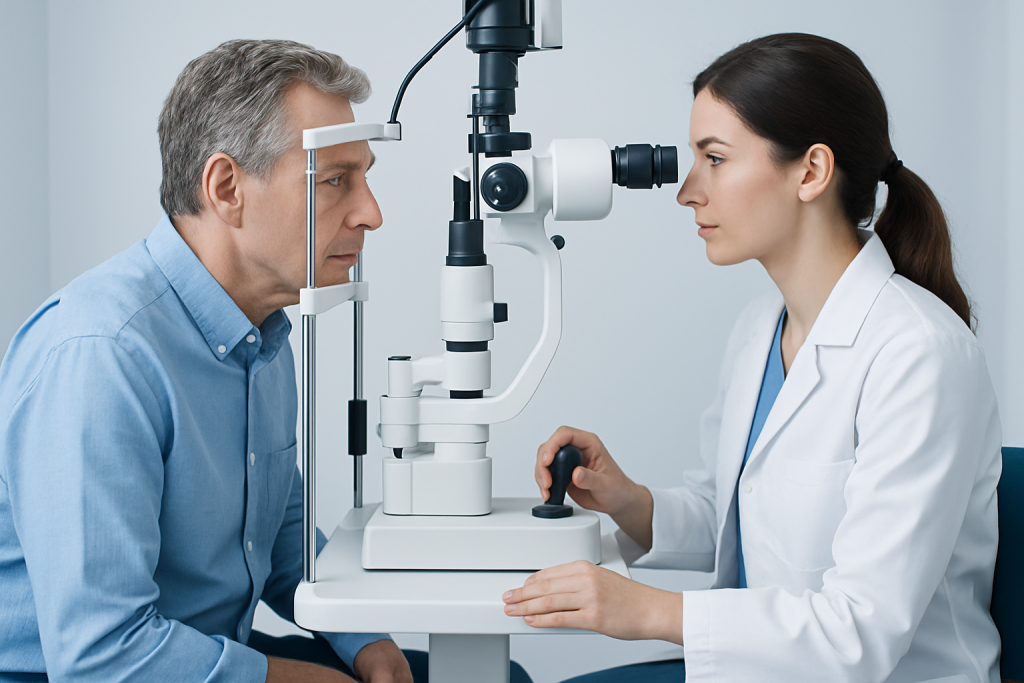
Before recommending treatment on the same trip, an ophthalmologist usually performs a full workup. This may include checking visual acuity, measuring eye pressure, looking at the optic nerve, and assessing the cataract with a slit-lamp exam. Additional tests can help show whether vision loss is mostly from the cloudy lens or from glaucoma damage.
Typical glaucoma testing may include visual field testing, optical coherence tomography (OCT), pachymetry to measure corneal thickness, gonioscopy to examine the drainage angle, and pressure checks at more than one point in the visit. These results help the doctor judge how urgent the glaucoma is and whether it is controlled enough for surgery.
For travelers, this stage is especially important because surgical planning may depend on records from home. If possible, patients should bring previous eye pressure readings, medication lists, prior imaging, and details of any earlier eye procedures. Those documents make it easier to design a safe, efficient plan.
Treatment Options
There are several ways cataracts and glaucoma may be treated during the same trip, but the right approach depends on the eye. In some patients, cataract surgery alone can slightly lower eye pressure and improve access for future glaucoma monitoring. In others, the surgeon may recommend a combined procedure that treats both problems at once.
Combined surgery may involve cataract removal with a glaucoma procedure such as a minimally invasive glaucoma surgery (MIGS) or, in selected cases, a more traditional glaucoma operation. This approach can reduce the number of separate trips and recovery periods, but it is not always the best choice for advanced or unstable glaucoma.
Some patients do better with staged treatment. For example, the doctor may control eye pressure first and plan cataract surgery later, or remove the cataract first and address glaucoma afterward once the eye has settled. The safest sequence depends on visual goals, pressure control, and the anatomy of the eye.
Key treatment decisions often include:
- How advanced the glaucoma is
- Whether the pressure is stable on drops or other therapy
- How much the cataract is reducing vision
- Whether angle anatomy favors a combined operation
- How much post-operative follow-up the patient can complete after returning home
Prevention & Self-care
Neither cataracts nor glaucoma can always be prevented, but self-care can reduce risk and support better outcomes. Protecting the eyes from ultraviolet light, avoiding smoking, managing blood sugar and blood pressure, and following the prescribed treatment plan can all help preserve vision over time.
For patients already using glaucoma drops, consistency matters. Missing doses can allow eye pressure to rise, sometimes without symptoms. People who are traveling should pack enough medication for the full trip, keep drops in carry-on luggage, and understand exactly how the doctor wants them used before and after surgery.
Recovery also benefits from simple habits: avoiding eye rubbing, using protective shields if recommended, and attending scheduled follow-up visits even if the eye feels comfortable. Because pressure changes and inflammation are not always visible to the patient, the post-treatment checks are an essential part of the plan.
When to See a Doctor
A person should seek an eye specialist if vision is becoming cloudier, night driving is harder, halos are more noticeable, or one eye seems different from the other. These changes may reflect cataracts, glaucoma, or another eye problem that should be reviewed rather than guessed at.
Prompt attention is especially important if there is sudden eye pain, a rapid drop in vision, severe headache with nausea, or a red eye with blurred vision. Those symptoms can signal angle-closure glaucoma or another urgent eye condition and should not wait for a routine appointment.
People planning travel for eye surgery should have a clear follow-up plan before leaving home or before returning home. If the destination team includes multidisciplinary specialists and JCI-accredited hospitals, such as at Acibadem Health Point, international patients can usually receive coordinated diagnosis, treatment planning, and aftercare guidance in one pathway.
Living With Both Conditions
When cataracts and glaucoma coexist, the goal is not only to improve clarity of vision but also to protect the optic nerve for the long term. That balance can take careful planning, especially if the patient is trying to fit treatment into a single international trip.
Many people are relieved to learn that a combined approach may be possible. Others discover that a staged approach is safer and still efficient. Either way, the best plan is the one built from testing, honest discussion about travel timing, and realistic expectations about recovery.
Patients should ask how much vision may improve, what symptoms are normal after surgery, which drops will be needed, and how soon they can fly. Clear answers make it easier to return home with a recovery plan that is manageable and medically sound.
FAQs
Can cataracts and glaucoma be treated at the same time?
Sometimes they can, especially if the glaucoma is stable and the cataract surgery can be combined safely with a pressure-lowering procedure. The decision depends on the type of glaucoma, the amount of nerve damage, and the eye’s anatomy.
Will cataract surgery cure glaucoma?
No. Cataract surgery may help lower eye pressure in some people, but it does not cure glaucoma or reverse optic nerve damage. Ongoing monitoring is still needed after treatment.
Is combined surgery better than separate surgeries?
Not always. Combined surgery can reduce the number of procedures and trips, but staged treatment may be safer for advanced or complex glaucoma. The best option is the one that protects vision most effectively.
How long should a patient stay after eye surgery abroad?
That depends on the procedure and the surgeon’s follow-up schedule. Some patients need only a short stay, while others need several days or longer for pressure checks and early recovery visits.
What should international patients bring to the consultation?
Previous eye records, a list of eye drops and other medicines, allergy information, and any imaging or visual field results are very helpful. These documents help the specialist make a faster and more accurate plan.
When is the condition urgent?
Sudden eye pain, a rapid change in vision, halos with nausea, or a very red eye need urgent medical review. These symptoms can indicate a serious pressure problem that should be assessed promptly.
References
- World Health Organization
- American Academy of Ophthalmology
- National Eye Institute
- Glaucoma Research Foundation
- Mayo Clinic
This article is for general information only and is not a substitute for professional medical advice. Please consult a qualified doctor about your individual situation.