

Bone Density and Vitamin D in Orthopedic Surgery Planning

Key Takeaways
- Bone density helps surgeons judge how securely bones may support screws, plates, implants, or joint replacements.
- Vitamin D supports calcium balance and bone remodeling, both of which matter for healing after orthopedic procedures.
- Low bone density or low vitamin D does not always prevent surgery, but it may change the operation plan and recovery approach.
- Testing before surgery can reduce avoidable surprises, especially for people with fractures, osteoporosis, or long-term joint problems.
- Optimizing nutrition, supplements when advised, and fall prevention can support bone health before and after surgery.
Medically reviewed by the Acıbadem clinical team — June 13, 2026
Bone density and vitamin D are often checked before orthopedic surgery because they can influence how bones hold implants, heal after repair, and recover from procedures. When these factors are understood early, the surgical plan can be adjusted to support safer treatment and a smoother recovery.
Overview
Before an orthopedic operation, surgeons are not only looking at the injured joint, fracture, or spine segment. They are also asking a quieter but important question: how well will the bone itself support the repair? Bone density and vitamin D status can influence nearly every part of that decision, from the choice of implant to the expected pace of healing.
For many patients, this becomes relevant when a procedure is being planned across borders or after a long period of pain and limited mobility. A thorough pre-operative assessment helps the surgical team understand whether the bone is strong enough for a standard approach or whether extra precautions are needed.
Bone density reflects how solid and mineral-rich the skeleton is. Vitamin D helps the body absorb calcium and maintain bone remodeling, which is the process of breaking down old bone and building new bone. When either one is low, recovery may be slower or more complex, especially in surgeries that depend on stable bone fixation.
Symptoms
Low bone density and vitamin D deficiency do not always cause obvious symptoms, which is one reason they are often discovered through tests rather than by how a person feels. Some people first learn about a problem only after a fragility fracture, a slow-healing break, or an imaging study done for another reason.
When symptoms do appear, they may be subtle. People may notice back pain from vertebral compression fractures, a gradual loss of height, a stooped posture, muscle weakness, or bone pain that is difficult to explain. Vitamin D deficiency can also be associated with fatigue and muscle aches, although these complaints are not specific to one cause.
In the orthopedic setting, the concern is often less about daily symptoms and more about what poor bone quality may mean for surgery. A bone that is thin or fragile may not hold hardware as securely, and a body that lacks enough vitamin D may not rebuild tissue as efficiently after the operation.
Causes & Risk Factors
Several factors can lower bone density over time. Age is one of the most common, especially after menopause in women and as people grow older in general. Family history, low body weight, smoking, high alcohol intake, inactivity, and certain medicines can all contribute to weaker bones.
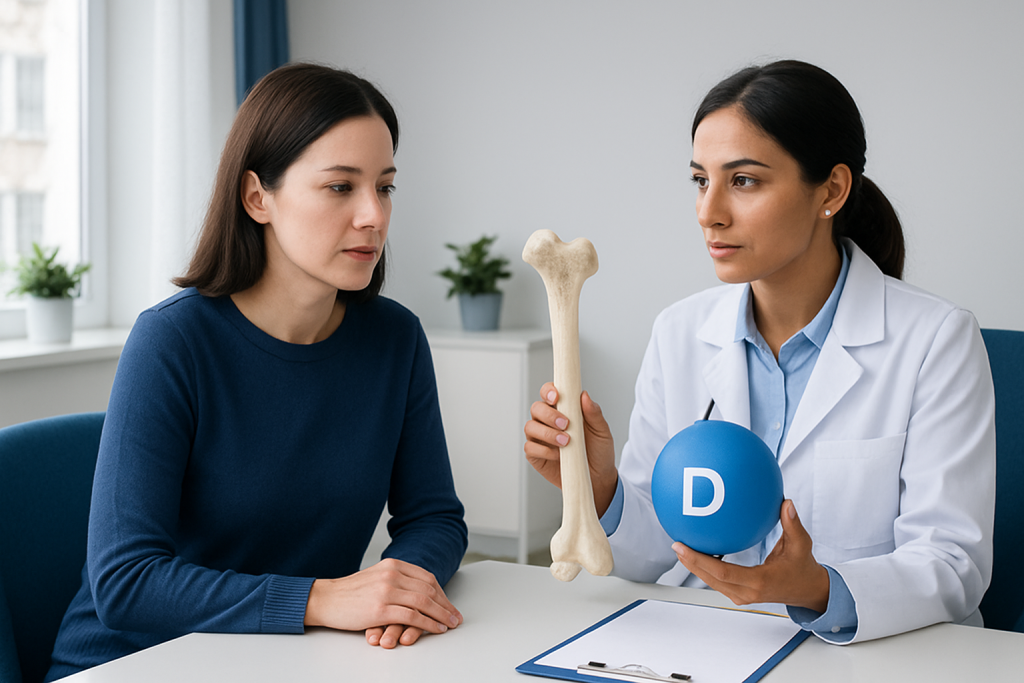
Vitamin D levels may fall because of limited sun exposure, darker skin tone, older age, certain digestive conditions that affect absorption, kidney or liver disease, or a diet that does not provide enough vitamin D. People who spend much of their time indoors, wear full skin coverage, or live far from strong sunlight may also be more likely to have low levels.
In orthopedic patients, specific situations raise concern: a recent fracture from a minor fall, known osteoporosis, repeated stress fractures, long-standing steroid use, or surgery involving the spine, hip, shoulder, or joint replacement. These are the cases where bone quality can directly shape the surgical plan.
- Postmenopausal status or advanced age
- Past fragility fracture
- Osteoporosis or osteopenia
- Low vitamin D intake or limited sunlight exposure
- Smoking, heavy alcohol use, or long-term corticosteroid therapy
- Conditions affecting nutrient absorption or bone metabolism
Diagnosis
Before surgery, the care team may review the patient’s history, medications, previous fractures, and prior scans. If bone health is a concern, additional testing may be requested to understand whether the skeleton can safely support the planned procedure.
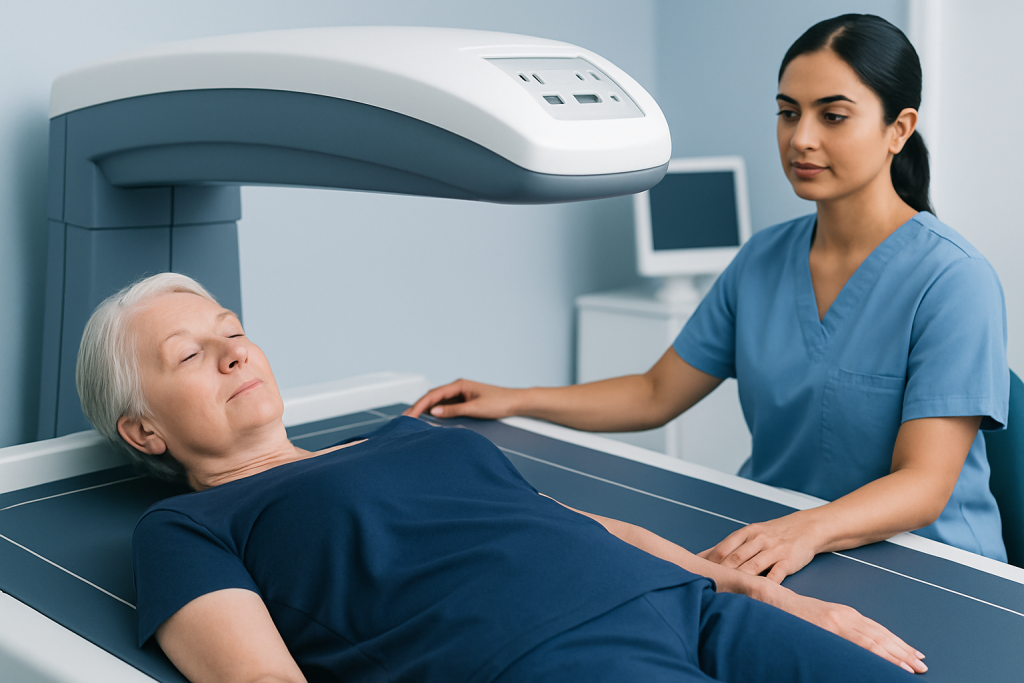
A bone density test, often called a DEXA scan, measures how mineral-rich certain bones are and helps identify osteopenia or osteoporosis. Blood tests may also be used to check vitamin D, calcium, kidney function, and sometimes other markers that help explain why bone quality is reduced.
Imaging already taken for the orthopedic problem can provide clues as well. For example, an x-ray, CT scan, or MRI may show thinning bone, compression fractures, or changes around a joint that suggest the need for a modified approach. In some cases, the surgeon may also ask about nutrition, activity level, and previous treatment for bone loss before deciding on surgery.
Treatment Options
There is no single surgical plan for every patient with low bone density or low vitamin D. Orthopedic teams tailor treatment to the type of injury, the planned operation, and the strength of the bone. In some cases, surgery proceeds with special techniques designed to improve fixation in weaker bone.
Examples may include using different implant designs, choosing longer screws, adding plates or cement where appropriate, or selecting a procedure that reduces the risk of hardware failure. For spine surgery or joint replacement, bone quality can influence how the surgeon positions and secures the components.
When vitamin D is low, treatment may include supplementation and dietary guidance, with timing guided by the doctor. If osteoporosis is present, the orthopedic team may coordinate with a primary care doctor or endocrinologist to address bone loss before and after surgery, especially when the goal is to improve long-term healing and reduce fracture risk.
Recovery plans may also include physical therapy, protected weight-bearing, and careful follow-up imaging. For patients traveling internationally for care, these plans are especially important because the first stages of healing often continue after returning home.
Prevention & Self-care
Even when surgery is already planned, there is often time to strengthen the body’s foundation. Good bone health begins with nutrition, safe movement, and medication review. Patients are usually encouraged to follow their doctor’s advice about calcium and vitamin D intake rather than starting supplements on their own.
Weight-bearing exercise, when appropriate for the condition, helps maintain bone strength. So does avoiding smoking and limiting alcohol, both of which can interfere with healing. Home fall prevention is also important, especially for people with low bone density or a recent fracture.
Traveling for orthopedic treatment adds another layer of planning. Patients may want to bring prior scans, lab results, and a list of medicines, then ask how to continue supplements, wound care, and rehabilitation after the trip. Clear instructions make it easier to carry recovery safely across different countries and care systems.
- Eat a balanced diet with adequate protein, calcium, and vitamin D sources
- Take prescribed supplements consistently if recommended
- Use safe, doctor-approved activity to maintain strength
- Reduce fall risks at home and during travel
- Keep follow-up appointments and repeat tests when advised
When to See a Doctor
A doctor should be consulted if a fracture happens after a minor fall, if there is persistent bone or back pain, or if a person has already been told they have osteoporosis or low vitamin D. These issues are worth discussing before any orthopedic procedure, not only after problems appear.
Medical advice is also important when healing seems slower than expected, when there is concern about implant stability, or when a patient has other conditions that affect bone health such as kidney disease, digestive disorders, or long-term steroid use. Early evaluation can help the team adjust the plan in a careful, individualized way.
In international care, it is helpful to ask in advance how bone density results and vitamin D levels will influence surgery timing, the choice of implant, and post-operative rehabilitation. Acibadem Health Point’s multidisciplinary specialists and JCI-accredited hospitals diagnose and treat orthopedic conditions for international patients, with coordinated planning that supports both treatment and follow-up.
Frequently asked questions
Why do surgeons care about bone density before orthopedic surgery?
Bone density helps show whether the bone can securely hold implants, screws, or other repair materials. If the bone is weaker than expected, the surgeon may adjust the technique or choose a different type of fixation. This can improve safety and support healing.
Can low vitamin D delay recovery after surgery?
It can contribute to slower bone remodeling and may affect how well the body supports healing, although the impact varies from person to person. That is why vitamin D is often checked before orthopedic procedures. If it is low, the doctor may recommend correction as part of the overall plan.
Does osteoporosis mean surgery cannot be done?
Not usually. Many patients with osteoporosis still have surgery, but the surgeon may modify the approach to match the bone’s strength. The key is planning carefully so the repair is stable and recovery is realistic.
What tests are commonly done before surgery to check bone health?
A DEXA scan is often used to measure bone density, and blood tests may check vitamin D, calcium, and kidney function. The doctor may also review prior fractures and imaging studies. These results help the team understand the bone’s condition more completely.
How can someone prepare if they are traveling from another country for orthopedic care?
Bringing previous scans, lab results, and a full medication list helps the surgical team make decisions quickly and accurately. Patients should also ask how bone health findings may affect rehabilitation and follow-up after they return home. Clear planning makes cross-border recovery much smoother.
References
- National Institutes of Health Office of Dietary Supplements
- World Health Organization
- International Osteoporosis Foundation
- American Academy of Orthopaedic Surgeons
- National Osteoporosis Foundation
This article is for general information only and is not a substitute for professional medical advice. Please consult a qualified doctor about your individual situation.
More from the Health Library



Related Specialists

Prof. Dr. Ahmet Alanay
Orthopedic Surgery & Traumatology
Dr. Sinan Aksu
Orthopedic Surgery & Traumatology
Dr. Sirri Baştürk
Orthopedic Surgery & Traumatology
Prof. Dr. Korhan Özkan
Orthopedic Surgery & Traumatology