

Sciatica Pain Relief: Causes and Treatment

Key Takeaways
- Sciatica usually causes pain that travels from the lower back into the buttock and leg.
- Most cases improve with conservative treatment, but persistent or severe symptoms deserve medical assessment.
- Movement, posture changes, and guided exercises often support recovery better than prolonged bed rest.
- A doctor may recommend imaging or specialist care if there are warning signs, weakness, or symptoms that do not improve.
- Safe pain relief depends on the underlying cause, overall health, and how long symptoms have been present.
Medically reviewed by the Acıbadem clinical team — August 19, 2026
Sciatica is a symptom rather than a diagnosis, and it often improves with the right mix of rest, movement, and targeted care. Understanding what triggers the pain can help patients choose safe relief strategies and know when medical evaluation is needed.
Overview
Sciatica Knee Pain Relief: Causes and Treatment" class="ahp-ilk">pain relief begins with one important idea: sciatica is not a single disease. It is a pattern of symptoms that happens when the sciatic nerve, or the nerve roots that form it, are irritated or compressed. The discomfort often starts in the lower back or buttock and travels down one leg, sometimes reaching the foot.
For many people, the pain feels sharp, burning, shooting, or electric. Others notice numbness, tingling, or a heavy, weak feeling in the leg. Because the sciatic nerve supports such a long path, the symptoms can be felt far from the original source of irritation.
Most episodes are related to common spinal conditions such as a herniated disc, age-related changes in the spine, or narrowing around the nerve roots. The good news is that many cases improve without surgery. A careful plan that combines symptom relief, movement, and the right diagnosis usually gives the best path forward.
Symptoms
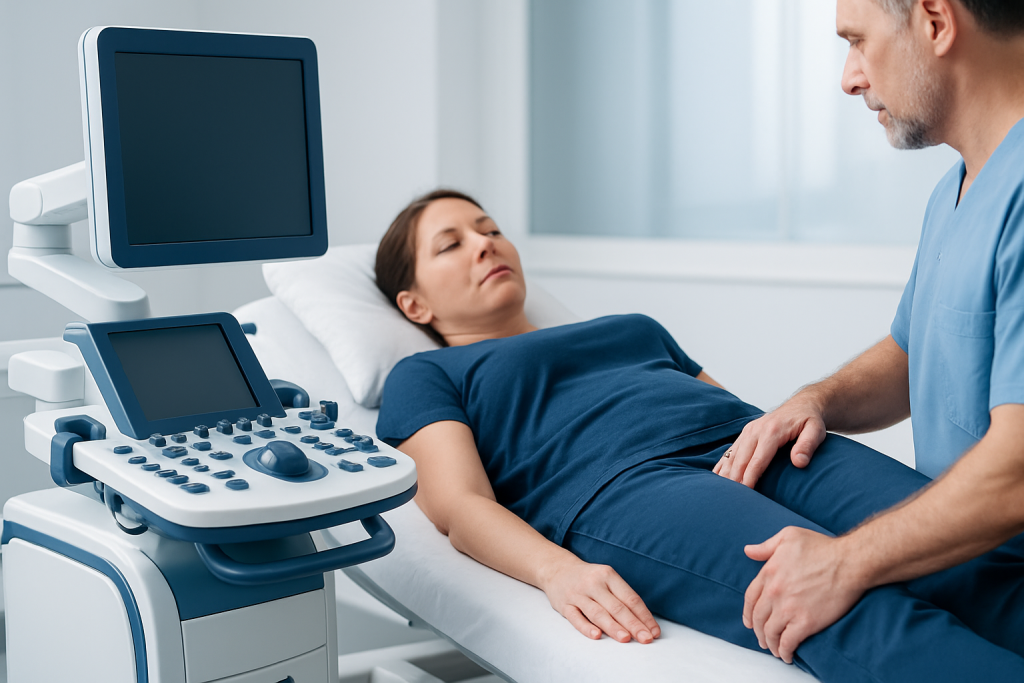
Sciatica often follows a predictable route, but the experience varies from person to person. Pain may be mild and annoying at first, then become more noticeable when sitting, coughing, bending, or lifting. Some people feel the discomfort mostly in the back, while others have little back pain and much more leg pain.
Typical symptoms may include:
- Pain that starts in the lower back, buttock, or hip and travels down the leg
- Burning, tingling, or numbness along the back of the thigh or calf
- Pain that worsens after sitting or standing for long periods
- Muscle weakness or a feeling that the leg is not fully supporting weight
- Discomfort that affects one side more than the other
Because other conditions can mimic sciatica, the pattern alone does not confirm the cause. Pain that is constant, severe, or accompanied by weakness should be assessed by a clinician, especially if it is limiting walking, sleep, or daily activities.
Causes & Risk Factors

The most common reason for sciatica is pressure on a nerve root in the lower spine. A herniated disc can push against nearby nerves, while spinal stenosis narrows the space around them. In some cases, bone spurs, inflammation, injury, or less common growths may be involved.
Several factors can make sciatica more likely. These include:
- Natural wear and tear in the spine with age
- Jobs or activities that involve heavy lifting, twisting, or prolonged sitting
- Previous episodes of low back pain
- Being overweight, which can increase strain on the spine
- Poor core strength or limited flexibility
- Smoking, which may affect disc health and healing
Travel can also complicate symptoms, especially when long flights or car rides mean hours of sitting. For international patients planning treatment abroad, it helps to think ahead about the journey itself: how they will sit, move, rest, and follow up after returning home. That practical planning is part of effective care, not an afterthought.
Diagnosis
Diagnosing sciatica usually starts with a careful conversation about the pain: where it begins, how far it travels, what makes it worse, and whether numbness or weakness is present. A clinician will also review medical history and examine posture, reflexes, muscle strength, sensation, and walking pattern.
In many cases, imaging is not needed right away. If symptoms are severe, long-lasting, unusual, or linked with weakness or other warning signs, a doctor may recommend an MRI or another test to look for nerve compression or another underlying problem. The goal is not simply to label the pain, but to find the reason behind it so treatment can be more precise.
Sometimes the evaluation includes a discussion of how symptoms affect travel, work, sleep, and everyday function. For patients coming from another country, clear documentation and a structured plan can make it easier to coordinate tests, treatment, and any needed rehabilitation after they go home.
Treatment Options
Treatment for sciatica pain relief depends on the cause, the severity of symptoms, and how long the pain has been present. Many people start with conservative care, especially if there are no signs of major nerve damage. The aim is to reduce pain while helping the nerve calm down and the body stay active enough to recover.
Common non-surgical approaches may include activity modification, guided physical therapy, posture and movement changes, and heat or cold application. A clinician may also suggest medicines to ease pain or reduce inflammation, chosen according to the person’s medical history and other health conditions. It is best to use medication under medical guidance, since not every option suits every patient.
In some cases, targeted injections or other interventional treatments may be considered when pain is persistent and linked to a specific source of nerve irritation. Surgery is usually reserved for situations where symptoms do not improve, weakness is progressing, or imaging shows a structural problem that is unlikely to settle with conservative care alone. For international patients, a treatment plan may include coordinated follow-up, so recovery does not end when the flight home begins.
Prevention & Self-care
Not every episode of sciatica can be prevented, but certain habits can reduce strain on the lower spine and support recovery. The most useful self-care is often practical rather than dramatic: gentle movement, better sitting habits, and attention to lifting mechanics. Prolonged bed rest usually makes stiffness worse and can slow progress.
Helpful self-care steps may include:
- Changing position often instead of sitting for long stretches
- Using supportive seating and keeping feet flat when possible
- Walking gently if it does not increase pain
- Following prescribed or therapist-guided exercises consistently
- Using safe lifting techniques and avoiding sudden twisting
- Maintaining a healthy weight and not smoking, when applicable
When symptoms are improving, patients often do best by gradually returning to normal activities rather than waiting for every sensation to disappear. If travel is part of the recovery plan, breaks to stand, stretch, and walk during long journeys can help reduce stiffness and make the trip more manageable.
When to See a Doctor
Medical evaluation is important if sciatica pain is severe, lasts more than a short period, or interferes with walking, sleep, or daily life. It is especially important to seek care if the pain is paired with numbness, clear weakness, or symptoms that are getting worse instead of better.
Urgent assessment is needed if there is loss of bladder or bowel control, numbness in the groin or inner thighs, sudden significant leg weakness, or pain after a serious injury. These signs can point to a more serious nerve problem that should not be watched at home.
For people considering treatment in another country, it can be reassuring to choose a team that can evaluate the nerve problem, explain the plan clearly, and coordinate rehabilitation before the return trip. Acibadem Health Point’s multidisciplinary specialists and JCI-accredited hospitals diagnose and treat sciatica for international patients with that kind of coordinated approach.
Recovery and Follow-Up
Recovery from sciatica is often gradual. Pain may ease before strength, endurance, or confidence in movement fully return. That is why follow-up matters: a person may feel better enough to resume some activities, but still need guidance to avoid recurrence or overdoing it too soon.
Follow-up care may include reassessing symptoms, adjusting exercises, and deciding whether more testing is needed. If treatment was started abroad, patients benefit from a written summary that explains the diagnosis, medications, therapy plan, and any warning signs to watch for after returning home.
Many people recover well with a combination of time, movement, and targeted medical care. The key is to match the plan to the cause rather than treating every leg pain the same way. When that happens, sciatica pain relief becomes more predictable and safer.
Frequently asked questions
What is the fastest way to relieve sciatica pain at home?
Gentle movement, short periods of rest, and heat or cold may help some people feel better temporarily. It is usually better to stay lightly active than to rest in bed for long periods. If pain is severe or persistent, a doctor should assess the cause rather than relying only on home measures.
Does sciatica always mean a herniated disc?
No. A herniated disc is a common cause, but sciatica can also come from spinal stenosis, bone spurs, inflammation, or other sources of nerve irritation. The treatment plan depends on the underlying reason for the nerve pain.
Is walking good for sciatica?
For many people, gentle walking is helpful because it keeps the back from stiffening and supports circulation. The pace and distance should be comfortable, and activity should be reduced if it clearly makes symptoms worse. A clinician or physical therapist can advise on the right level of movement.
When should sciatica be treated as urgent?
Urgent medical care is needed if there is loss of bladder or bowel control, numbness in the groin, sudden marked weakness, or major trauma. These signs may suggest a serious nerve problem. Prompt evaluation is the safest choice.
Can sciatica go away without surgery?
Yes, many cases improve without surgery, especially when symptoms are mild to moderate and there is no major or worsening nerve damage. Conservative treatment, time, and guided rehabilitation are often enough. Surgery is usually considered only when other treatments are not effective or when the nerve is clearly under significant pressure.
How long does recovery from sciatica usually take?
Recovery time varies widely because the cause of sciatica is different from person to person. Some cases improve in days or weeks, while others take longer and need structured rehabilitation. A doctor can help set realistic expectations based on the exam and any test results.
References
- National Institute of Neurological Disorders and Stroke
- American Academy of Orthopaedic Surgeons
- Mayo Clinic
- Cleveland Clinic
This article is for general information only and is not a substitute for professional medical advice. Please consult a qualified doctor about your individual situation.
Joint and spine care in Turkey — expert assessment & treatment
JCI-accredited · board-certified surgeons · reply within 24h
Add us as a Preferred Source to see more of our trusted health content across Google Search, AI Overviews and Discover.
More from the Health Library



Related Specialists

Prof. Dr. Ahmet Alanay
Orthopedic Surgery & Traumatology
Dr. Sinan Aksu
Orthopedic Surgery & Traumatology
Dr. Sirri Baştürk
Orthopedic Surgery & Traumatology
Prof. Dr. Korhan Özkan
Orthopedic Surgery & Traumatology