

Rib

Key Takeaways
- Rib pain is often linked to the chest wall, but it can sometimes signal a deeper health problem.
- Pain that worsens with breathing, twisting, or coughing is common with rib injuries and muscle strain.
- Doctors may use a physical exam and imaging tests to find the cause and rule out complications.
- Most minor rib injuries improve with rest, pain control, and gentle breathing exercises.
- Urgent care is important if rib pain follows major trauma or comes with shortness of breath, fainting, or fever.
Rib pain can come from a simple muscle strain, a bruise, a fracture, or a problem affecting the lungs, skin, or nearby organs. Understanding the pattern of pain and any related symptoms helps guide the right care.
Overview
Ribs form a protective cage around the heart and lungs, but they also move every time a person breathes, twists, laughs, or coughs. Because of that constant motion, pain in this area can feel surprisingly sharp and disruptive, even when the underlying problem is not serious.
Rib pain is a broad description rather than a diagnosis. It may come from the bones themselves, the cartilage that joins the ribs to the breastbone, the muscles between the ribs, the skin covering the chest wall, or nearby organs such as the lungs, gallbladder, or stomach. The exact cause often becomes clearer by asking when the pain started, what makes it worse, and whether it followed an injury or a respiratory illness.
For international patients, the practical question is often whether the pain is safe to observe for a short time or whether it should be checked before travel, surgery, or a return flight. A careful evaluation helps distinguish a simple chest wall problem from conditions that need more urgent treatment.
Symptoms
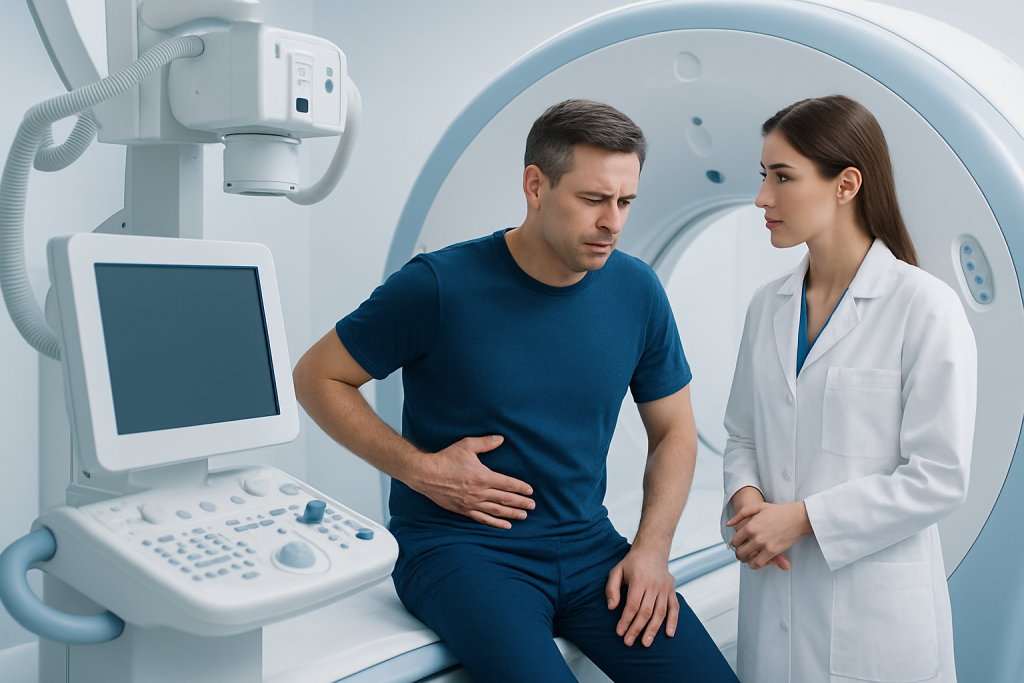
Rib-related discomfort is often easy to describe but not always easy to localize. Some people point to one specific rib, while others feel a wider band of soreness across the side of the chest or upper back. The pain may be dull at rest and sharper with movement, or it may be tender to the touch from the start.
Common features of chest wall and rib pain include:
- Pain that increases with deep breathing, sneezing, coughing, or laughing
- Tenderness when pressing on the painful area
- Pain with twisting, reaching, or getting out of bed
- Bruising, swelling, or a visible change after an injury
- Stiffness or guarding because movement feels uncomfortable
Some symptoms suggest a cause beyond the ribs alone. Shortness of breath, fever, persistent cough, nausea, abdominal pain, dizziness, or pain spreading to the shoulder, jaw, or back should be taken seriously and assessed by a clinician.
Causes & Risk Factors

The most frequent causes are mechanical: a direct blow, a fall, a Knee Pain Relief: Causes and Treatment" class="ahp-ilk">Pain Relief" class="ahp-ilk">sports injury, forceful coughing, or a repetitive strain from lifting and twisting. In these situations, the pain may come from a bruised rib, a cracked rib, inflammation where the rib meets cartilage, or a strained intercostal muscle.
More persistent rib pain can develop without a single dramatic event. Poor posture, prolonged coughing from a respiratory illness, heavy physical work, or sudden increases in exercise may irritate the chest wall. People with osteoporosis or other causes of reduced bone strength are more likely to fracture a rib even after a relatively minor impact.
Some causes are not in the rib cage itself. Lung infections, a collapsed lung, inflammation of the lining around the lungs, shingles, gallbladder disease, and certain digestive problems can all be felt near the ribs. Risk rises when there is recent trauma, chronic cough, smoking-related lung disease, older age, bone fragility, or a history of cancer that can spread to bone.
Diagnosis
Diagnosis usually begins with a conversation about the pain pattern and any recent event that might have triggered it. A clinician will typically ask whether the pain changes with breathing or movement, whether there was a fall or blow, and whether there are symptoms such as fever, cough, swelling, or shortness of breath. This history often narrows the possibilities more than the pain location alone.
A physical exam helps determine whether the pain is reproducible by touch or motion, which often points toward the chest wall. The clinician may listen to the lungs, check oxygen levels, and look for bruising, deformity, skin rash, or abdominal tenderness. These findings help decide whether the issue is likely muscular, bony, respiratory, or referred from another organ.
Imaging is sometimes needed, especially after trauma or if the diagnosis is uncertain. A chest X-ray may be ordered to look for a fracture or lung complication, while CT scanning can provide more detail when a small fracture, internal injury, or another chest condition is suspected. Blood tests are not always necessary, but they may be used when infection or another systemic cause is being considered.
Treatment Options
Treatment depends on the cause, severity, and whether any complication is present. Minor rib bruises or muscle strains are often managed conservatively with rest, activity modification, and pain relief measures recommended by a clinician. The goal is to make breathing and gentle movement comfortable enough to prevent stiffness and support normal recovery.
For a simple rib fracture, the usual approach is still non-surgical. Pain control is important because shallow breathing from pain can make it harder to clear the lungs fully. In some cases, clinicians may recommend specific breathing exercises, chest physiotherapy, or temporary use of a support device if appropriate, while avoiding anything that restricts breathing too tightly.
Treatment becomes more involved if the injury is unstable or if there is an associated problem such as a pneumothorax, significant bleeding, or multiple fractures. In those situations, monitoring, oxygen, procedures, or surgery may be needed. When the pain comes from shingles, infection, or another internal condition, treatment focuses on the underlying diagnosis rather than the rib itself.
Prevention & Self-care
Not every rib problem can be prevented, but some risks are modifiable. Using seat belts, wearing appropriate sports protection, improving home safety to reduce falls, and addressing bone health all help lower the chance of injury. People with chronic cough, asthma, or other respiratory conditions benefit from treating those problems early, since repeated coughing can strain the chest wall.
At home, rest should be active rather than complete. Gentle walking, careful posture, and comfortable breathing help the body heal while avoiding prolonged stiffness. Ice or heat may be useful for some people, depending on the phase of the injury and what feels soothing, but it is best to follow a clinician’s advice when there has been trauma or there is uncertainty about the cause.
Simple habits can also make recovery safer: avoid heavy lifting until movement is comfortable, do not bind the chest tightly, and pay attention to breathing depth during the day. Travelers recovering away from home should plan for support with luggage, long rides, and follow-up care, especially if pain changes during movement or altitude differences make breathing feel harder.
When to See a Doctor
Medical assessment is important if rib pain follows a fall, car accident, sports injury, or direct blow, even if the person can still move around. A fracture or lung complication is sometimes present without dramatic external signs, and early evaluation helps guide the safest next steps.
Prompt care is also advisable when pain is accompanied by shortness of breath, chest tightness, fainting, fever, a new rash, coughing up blood, abdominal pain, or worsening pain that is not improving. Anyone with osteoporosis, blood-thinning treatment, older age, or a history of serious illness should be assessed with a lower threshold.
When the pain is mild and clearly linked to a strain, it may improve with time, but ongoing discomfort for more than a few days or pain that interferes with breathing, sleeping, or travel deserves review. Acibadem Health Point’s multidisciplinary specialists and JCI-accredited hospitals can help international patients diagnose and treat rib-related conditions with coordinated, evidence-based care.
Living With Recovery
Healing from rib pain often takes patience because the chest moves constantly, even during ordinary tasks. Many people feel better gradually rather than all at once, and small improvements in breathing, sleeping, and turning in bed are useful signs that recovery is progressing.
During this period, it helps to keep activity predictable and avoid sudden exertion. If a doctor has recommended breathing exercises, they should be done regularly, since shallow breathing can lead to avoidable complications. Follow-up is especially important if the original cause was an injury, if imaging was performed, or if travel plans may affect access to care.
For people coordinating treatment from another country, clear instructions, copies of imaging reports, and a plan for reassessment after return home make recovery smoother. The most helpful approach is usually calm, stepwise, and tailored to the person’s specific cause of pain rather than to the rib cage in general.
Frequently asked questions
Is rib pain always caused by a broken rib?
No. Rib pain can come from a muscle strain, bruise, cartilage inflammation, cough-related irritation, or a fracture. A physical exam and sometimes imaging are needed to tell the difference.
How can a person tell whether rib pain is from a muscle or a bone?
It is not always possible to tell at home. Pain that is clearly worse with touch and twisting often points to the chest wall, but a fracture can feel similar, especially after an injury.
Should a person keep moving if a rib is painful?
Gentle movement is usually better than complete inactivity, because it helps prevent stiffness and supports normal breathing. Heavy lifting, sudden twisting, and activities that sharply increase pain should be avoided until a clinician advises otherwise.
Can coughing cause rib pain?
Yes. Repeated or forceful coughing can strain the muscles between the ribs or irritate the rib joints and cartilage. In people with weaker bones, severe coughing can sometimes even contribute to a fracture.
When is imaging needed for rib pain?
Imaging is more likely after trauma, when the pain is severe, or when there are signs of a lung problem or another internal cause. A clinician decides whether an X-ray or CT scan is the most useful test.
How long does rib pain usually last?
Recovery time depends on the cause. Minor strains may improve over days to weeks, while fractures or inflammation can take longer, especially if breathing and movement remain painful.
References
- Mayo Clinic
- Cleveland Clinic
- Merck Manual Consumer Version
- National Health Service (NHS)
- American College of Radiology
This article is for general information only and is not a substitute for professional medical advice. Please consult a qualified doctor about your individual situation.
More from the Health Library



Related Specialists

Prof. Dr. Ahmet Alanay
Orthopedic Surgery & Traumatology
Dr. Sinan Aksu
Orthopedic Surgery & Traumatology
Dr. Sirri Baştürk
Orthopedic Surgery & Traumatology
Prof. Dr. Korhan Özkan
Orthopedic Surgery & Traumatology