

Ischial Tuberosity

Key Takeaways
- The ischial tuberosity is the lower pelvic bone that bears weight when sitting.
- Pain in this area is commonly linked to overuse, bursitis, or hamstring tendon problems.
- Diagnosis usually begins with a physical examination and may include imaging if needed.
- Most cases improve with activity changes, targeted rehabilitation, and pressure relief when sitting.
- Persistent pain, swelling, numbness, or difficulty walking should be assessed by a clinician.
The ischial tuberosity is the bony point at the base of the pelvis that most people know as the “sit bone.” When it becomes painful, the cause may range from overuse to inflammation or a hamstring injury. Understanding the source of pain helps guide recovery and prevent the problem from lingering.
Overview
The ischial tuberosity is a strong, rounded part of the pelvis located at the lower edge of the hip bone. It is the point of contact many people feel when sitting on a hard chair, which is why it is often called the “sit bone.” This area plays an important mechanical role because several muscles and soft tissues attach there, including the hamstring muscles.
Because the ischial tuberosity supports body weight during sitting and serves as an attachment site for powerful muscles, it can become irritated, strained, or inflamed. Pain here is not a diagnosis on its own; it is a clue that something nearby may be under stress. For patients deciding whether to seek care locally or travel for evaluation, clarifying the exact cause is often the first step toward meaningful relief.
In many people, discomfort around this area is related to repetitive sitting, cycling, running, or a sudden increase in activity. In others, it may develop after a direct fall onto the buttocks or alongside a hamstring injury. A careful orthopedic assessment helps separate simple soreness from a problem that needs targeted treatment.
Symptoms
Symptoms involving the ischial tuberosity often center on pain where the pelvis meets the upper thigh. The discomfort may be sharp when sitting down or a deep ache that appears after long periods of sitting. Some people notice it most on hard surfaces, in low chairs, or during long car rides and flights.
If the hamstring tendon or nearby bursa is involved, pain may also appear with walking uphill, running, stretching the leg, or rising from a seated position. The area can feel tender to direct pressure, and some patients describe a pulling sensation at the back of the thigh.
Depending on the cause, symptoms may include:
- Localized pain at the “sit bone”
- Tenderness when pressing on the lower pelvis
- Pain with prolonged sitting
- Discomfort during hamstring activity or stretching
- Swelling or a sense of fullness in some cases
- Occasional radiation of pain into the back of the thigh
Symptoms that involve numbness, significant weakness, fever, or pain after a major fall deserve prompt medical attention because they may indicate a different or more serious problem.
Causes & Risk Factors

Several conditions can lead to pain around the ischial tuberosity. One common reason is ischial bursitis, which is irritation of the small fluid-filled sac that helps reduce friction between the bone and surrounding tissues. Another frequent cause is hamstring tendinopathy, where the tendon that attaches to the ischial tuberosity becomes irritated from repeated strain.
Direct trauma can also trigger pain, especially after a fall onto a hard surface. In some cases, athletes develop symptoms because their training loads increase faster than the tissues can adapt. Cyclists, runners, rowers, and people who sit for long hours are among those who may notice this area more often.
Risk factors commonly include:
- Prolonged sitting, especially on firm surfaces
- Repetitive running, kicking, or cycling
- Sudden changes in exercise intensity
- Poor flexibility or muscle imbalance in the posterior thigh
- A recent fall or blunt injury to the buttocks
- Previous hamstring injury
Less commonly, pain in this region can reflect referred pain from the lower back, pelvis, or nearby nerves. That is one reason a thorough clinical evaluation matters, particularly when symptoms are persistent or not behaving like a simple strain.
Diagnosis
Diagnosis usually begins with a conversation about when the pain started, what makes it worse, and whether the patient has had a recent injury or a change in activity. The clinician will often examine the pelvis, hip, hamstrings, and lower back to see whether the pain is truly coming from the ischial tuberosity or is being referred from elsewhere.
Physical examination may include checking tenderness at the sit bone, hip movement, hamstring flexibility, walking pattern, and pain with resisted muscle use. The goal is not just to label the pain but to identify the structure that is irritated and understand how it affects daily function.
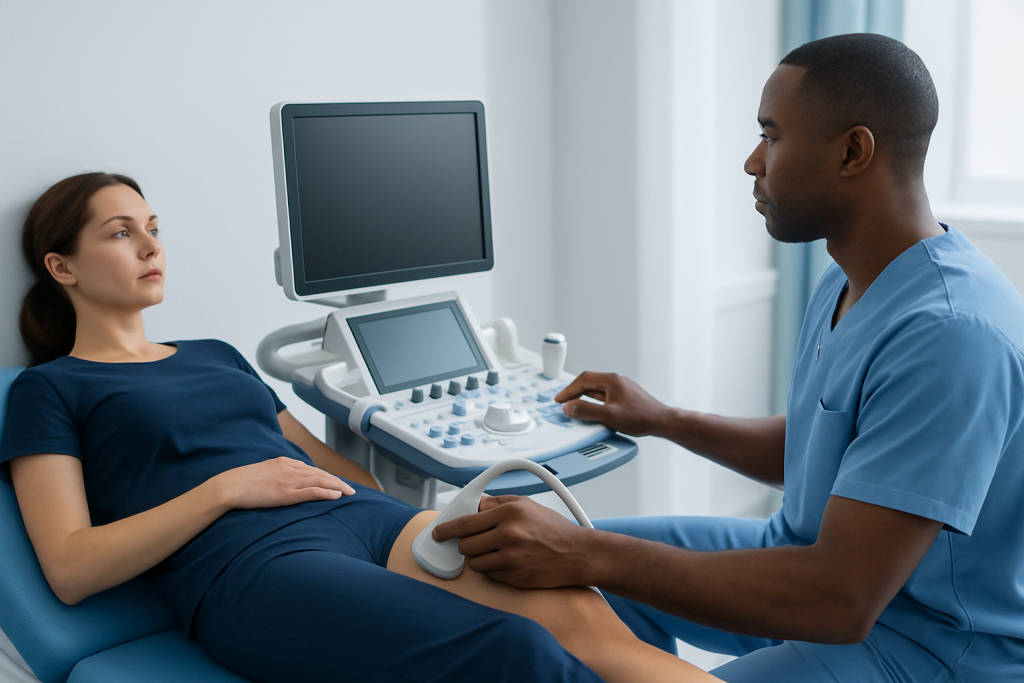
If symptoms are severe, long-lasting, or unclear, imaging may be helpful. X-rays can help assess bone injury or other structural problems, while ultrasound or MRI can provide more detail about tendons, bursae, and surrounding soft tissues. For international patients planning care abroad, this step often helps patients and doctors align on the diagnosis before treatment decisions are made.
Treatment Options
Treatment depends on the cause, but most cases begin with calming the irritated tissue. Reducing painful activities, limiting long periods of sitting, and using a cushion or softer seating can make a noticeable difference. If the pain is related to overuse, the body often needs time and a more gradual return to activity rather than complete inactivity for long periods.
Rehabilitation is central in many cases. A physiotherapy plan may focus on gentle hamstring stretching when appropriate, strengthening of the surrounding muscles, posture and movement retraining, and progressive loading of the tendon or soft tissue. When discomfort is driven by bursitis or inflammation, clinicians may also recommend short-term anti-inflammatory measures as part of a broader plan, always tailored to the individual.
Other treatment options may include:
- Activity modification to reduce direct pressure and strain
- Ice or heat, depending on what brings relief
- Physical therapy and guided exercise progression
- Supportive seating aids for daily comfort
- Targeted injections in selected cases, when appropriate and recommended by a specialist
- Surgical treatment only in uncommon situations, such as severe tendon injury or persistent structural problems
The best plan is usually individualized. Patients who are traveling for treatment often benefit from a coordinated approach that combines diagnosis, therapy, and follow-up instructions before they return home.
Prevention & Self-care
Simple habits can reduce stress on the ischial tuberosity and lower the chance of recurrence. The first is to vary sitting positions and avoid staying on hard surfaces for long stretches. A cushion with a cut-out or supportive padding may reduce pressure, especially during work, travel, or long commutes.
It also helps to build activity gradually. Athletes and active adults should increase running, cycling, or strength training in stages rather than making abrupt jumps in intensity. Balanced hip and hamstring conditioning, along with good flexibility and core control, can improve load distribution around the pelvis.
Practical self-care steps include:
- Take standing or walking breaks during long sitting periods
- Use a cushion if direct pressure worsens pain
- Warm up before exercise and cool down afterward
- Follow a graded rehabilitation plan after hamstring injury
- Avoid pushing through pain that keeps returning
- Seek early advice if symptoms are not improving
For patients recovering after travel or surgery, keeping follow-up appointments and continuing prescribed exercises matters just as much as the initial treatment. Small, steady gains are often more reliable than trying to “catch up” all at once.
When to See a Doctor
Medical review is recommended if pain around the sit bone lasts more than a short period, keeps returning, or interferes with walking, sitting, sleep, or exercise. Ongoing pain may mean the tissue needs more than rest, especially if the problem is tendon-related or if the pain is coming from another structure nearby.
A doctor should also be consulted if there is swelling, bruising after an injury, marked weakness, numbness, fever, or pain that spreads significantly down the leg. These features can help clinicians distinguish a local overuse problem from something that requires different care.
People who are considering treatment in another country should ask for a clear diagnosis, an explanation of the likely cause, and a realistic rehabilitation plan before travel. Acibadem Health Point’s multidisciplinary specialists and JCI-accredited hospitals can diagnose and treat ischial tuberosity-related conditions for international patients in a coordinated setting.
Frequently asked questions
What exactly is the ischial tuberosity?
It is the lower part of the pelvis that you feel when sitting on a hard surface, often called the sit bone. It helps support body weight during sitting and serves as an attachment point for the hamstring muscles.
Why does the sit bone hurt when sitting?
Pain often develops because the tissues around the ischial tuberosity are irritated by pressure, overuse, or inflammation. Common causes include ischial bursitis and hamstring tendon problems.
Can ischial tuberosity pain go away on its own?
Mild cases sometimes improve with rest from aggravating activities and better sitting habits. If pain keeps returning or lasts more than expected, it is better to have it assessed so the cause can be treated properly.
Is imaging always needed for this type of pain?
Not always. Many cases can be diagnosed through history and physical examination, but imaging may be used when the diagnosis is unclear, symptoms are severe, or recovery is not progressing as expected.
Does exercise help or make it worse?
The right exercise plan usually helps, but the timing and intensity matter. Early on, activity may need to be reduced, then gradually rebuilt with guidance from a clinician or physiotherapist.
When should someone worry that the pain is not just a muscle issue?
If the pain is accompanied by numbness, major weakness, fever, significant swelling, or a history of a fall with severe pain, a doctor should evaluate it. Those features may point to a different condition than a simple strain.
References
- Merck Manual Professional Edition
- Mayo Clinic
- American Academy of Orthopaedic Surgeons
- National Institute of Arthritis and Musculoskeletal and Skin Diseases
- NHS
This article is for general information only and is not a substitute for professional medical advice. Please consult a qualified doctor about your individual situation.
More from the Health Library



Related Specialists

Prof. Dr. Ahmet Alanay
Orthopedic Surgery & Traumatology
Dr. Sinan Aksu
Orthopedic Surgery & Traumatology
Dr. Sirri Baştürk
Orthopedic Surgery & Traumatology
Prof. Dr. Korhan Özkan
Orthopedic Surgery & Traumatology