

Splint

Key Takeaways
- A splint helps reduce pain, swelling, and harmful movement during healing.
- It may be used for fractures, sprains, dislocations, tendon injuries, or after some procedures.
- Proper fit and regular skin checks are important to prevent pressure problems.
- Symptoms such as numbness, worsening pain, or color changes need medical review.
- Healing time depends on the injury, the body part involved, and how well the splint is cared for.
A splint is a supportive device used to limit movement and help injured bones, joints, or soft tissues heal in a safer position. It is commonly used after sprains, fractures, dislocations, and other injuries when temporary or adjustable immobilization is needed.
Overview
A splint is a supportive device that holds part of the body still while an injury heals. Unlike a rigid cast, it is often designed to allow some swelling in the early phase and can be adjusted or removed more easily when a clinician needs to examine the area.
People usually hear about splints after a fall, Knee Pain Relief: Causes and Treatment" class="ahp-ilk">Pain Relief" class="ahp-ilk">sports injury, twist, or accident. They are used to protect bones, joints, and soft tissues from movements that could slow recovery or worsen the injury. In many cases, a splint is a first step before a more permanent treatment plan is chosen.
For patients arranging care from another country, the role of a splint is often practical as well as therapeutic. It can stabilize the injury during travel, reduce discomfort, and create time for follow-up imaging, specialist assessment, or surgery planning when needed.
Common Uses and Symptoms
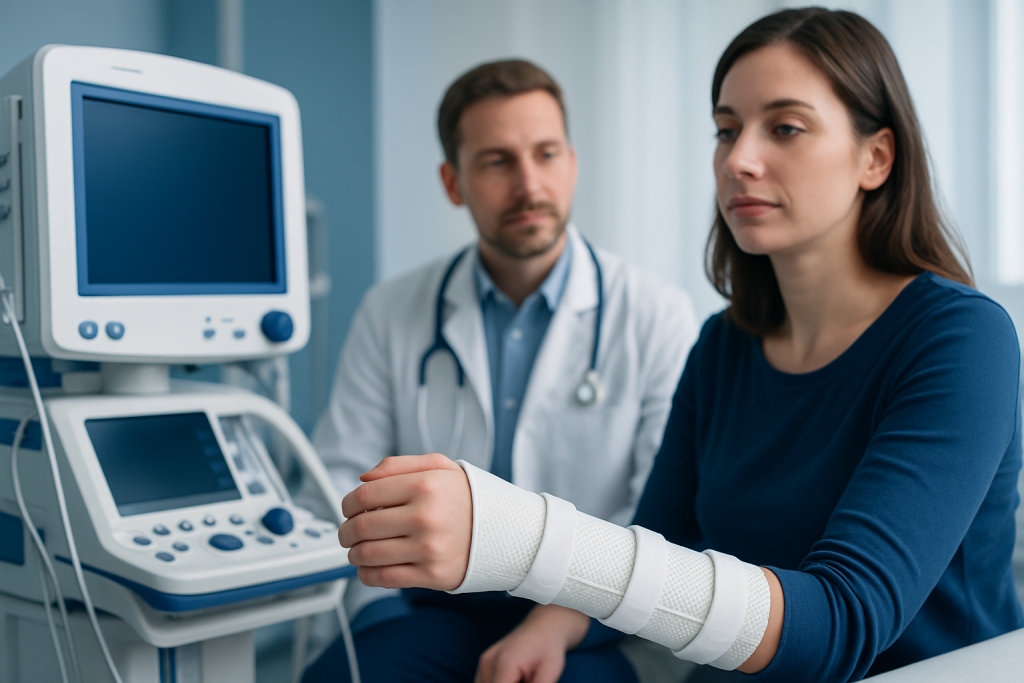
Splints are used for a wide range of problems, especially when the goal is to keep an area protected without fully enclosing it. They may be recommended for suspected or confirmed fractures, wrist and ankle sprains, dislocations that have been reduced, tendon irritation, and some finger or hand injuries.
Typical reasons a clinician chooses a splint include swelling, pain with movement, tenderness, and temporary instability. The device helps the injured part rest in a safer position while the surrounding tissues calm down. In some cases, splinting is also used after surgery or a procedure to support early healing.
- Bone injuries that need immobilization
- Joint sprains or dislocations
- Soft-tissue injuries around the hand, wrist, ankle, or elbow
- Post-procedure support
Symptoms that often improve with proper splinting include throbbing pain, repeated jolting discomfort during movement, and swelling made worse by activity. A splint does not treat the underlying injury on its own, but it can create the conditions the body needs to recover.
Causes and Risk Factors

Most splints are used because an injury has affected the normal alignment or stability of a body part. Common causes include sports mishaps, slips and falls, car accidents, direct blows, overuse injuries, and sudden twisting movements. In older adults, even a minor fall may be enough to require temporary immobilization.
Some people are more likely to need a splint because of their daily activities or health profile. Athletes, manual workers, and travelers carrying heavy luggage may place extra stress on joints and soft tissues. People with bone weakness, balance concerns, or previous injuries can also be at higher risk of repeated strain.
The exact reason for splinting matters, because the type and position of support depend on what has been injured. A finger injury needs a different approach from a wrist fracture or an ankle sprain, and the clinician will tailor the device to the area involved.
Diagnosis and Assessment
Before applying a splint, a clinician usually examines the injured area and asks how the injury happened. They check pain, swelling, range of motion, tenderness, and whether the skin, circulation, and nerve function are intact. This helps determine if the injury is suitable for splinting and whether urgent treatment is needed.
Imaging tests such as X-rays are commonly used when a fracture or dislocation is suspected. In some situations, ultrasound, CT, or MRI may be recommended if soft-tissue injury or a more complex problem is suspected. A splint may be placed before imaging is completed if the injury clearly needs immediate protection.
During follow-up, the clinician reassesses fit, comfort, and healing progress. This is especially important for patients who must travel home or continue recovery in another country, because care plans should be clear before they leave the treating center.
Treatment Options
Splint treatment is usually part of a broader injury plan rather than a stand-alone solution. The clinician may combine it with rest, elevation, ice when appropriate, pain-relief advice, and a schedule for re-evaluation. If a fracture is unstable or displaced, a cast or surgery may be needed instead of, or after, splinting.
There are several common splint styles. Some are prefabricated and shaped to a body part, while others are custom-made from padded rigid material. A volar wrist splint, sugar-tong splint, ankle splint, finger splint, or thumb spica splint may be used depending on the location and diagnosis.
Proper positioning is a major part of treatment. The splint should support the injury without squeezing the area too tightly. Clinicians also provide instructions on elevation, movement of unaffected joints, and when to return for reassessment or a change in support.
- Temporary stabilization after an injury
- Protection during swelling
- Support while awaiting specialist review
- Transition to a cast, brace, or therapy program
Prevention and Self-care
Not every injury can be prevented, but careful habits can lower the chance of needing a splint. Good footwear, safe sports technique, warm-up routines, and attention to balance and floor hazards all help reduce falls and twists. For travelers, managing luggage weight and using proper lifting mechanics can also protect wrists, shoulders, and backs.
Once a splint is in place, self-care matters. The skin should be checked for redness, pressure marks, blisters, or swelling at the edges. The splint should be kept clean and dry unless the treating team gives different instructions. Elevating the injured limb when possible often helps reduce throbbing and swelling.
Patients should also avoid putting unnecessary weight or pressure on the splinted area. If allowed by the clinician, gentle movement of fingers or toes that are not immobilized can help maintain circulation and reduce stiffness. Any home care plan should match the diagnosis, because self-care after a minor sprain is not the same as self-care after a fracture.
When to See a Doctor
Medical review is important if an injury causes visible deformity, severe pain, inability to bear weight, or loss of movement. A person should also seek prompt care if the injury follows a significant fall, hit, or traffic accident, or if there is concern about a broken bone or dislocation.
After splinting, it is important to return for help if there is numbness, tingling, increasing pain, coldness, blue or pale fingers or toes, or swelling that makes the splint feel tight. These signs can suggest the support is not fitting properly or that circulation or nerve function may be affected.
Patients recovering away from home should make sure they understand who to contact if the splint loosens, becomes painful, or gets wet. Acibadem Health Point’s multidisciplinary specialists and JCI-accredited hospitals diagnose and treat these injuries for international patients, helping coordinate assessment, treatment, and follow-up in a clear way.
Recovery and Follow-up
Recovery time depends on the injury, the body part involved, and whether the problem is a sprain, fracture, or soft-tissue strain. Some people need only short-term support, while others require several weeks of protection and gradual return to activity. Healing is usually checked through repeat examinations, and sometimes repeat imaging.
During recovery, stiffness is common, especially after the splint is removed. Clinicians may recommend exercises, physical therapy, or a brace to help restore motion and strength safely. Returning to activity too early can delay healing, so the timeline should be guided by the treating team rather than by pain alone.
For international patients, follow-up planning is particularly useful before travel. A clear written summary, image reports, and instructions for next steps can help local doctors continue care smoothly once the patient returns home.
Frequently asked questions
What is the difference between a splint and a cast?
A splint supports an injured area but usually leaves room for swelling and can be adjusted more easily. A cast is more rigid and fully encircles the limb, so it is often used after swelling has settled or when firmer immobilization is needed.
How long does a splint stay on?
The length of time depends on the injury and the treatment plan. Some splints are used for only a few days, while others may be needed for several weeks before the area can safely move more freely.
Can a splint get wet?
Most splints should be kept dry unless the clinician gives different instructions. Moisture can damage padding, irritate the skin, and reduce the splint’s effectiveness.
Is pain normal after a splint is applied?
Mild discomfort from the injury is common, but the splint itself should not cause worsening pain. If pain increases, or if numbness, tingling, or color changes appear, the patient should contact a clinician promptly.
Can someone travel with a splint?
Many people can travel with a splint, but the injury should be assessed first to make sure travel is safe. The patient should carry treatment documents, keep the limb elevated when possible, and know where to seek help if symptoms change during the journey.
Do all splints need specialist follow-up?
Most splints should be reviewed at least once to confirm fit and healing progress. Follow-up is especially important if the injury involves a fracture, dislocation, significant swelling, or any nerve or circulation concern.
References
- Mayo Clinic
- Cleveland Clinic
- American Academy of Orthopaedic Surgeons
- NHS
- MedlinePlus
This article is for general information only and is not a substitute for professional medical advice. Please consult a qualified doctor about your individual situation.
More from the Health Library



Related Specialists

Prof. Dr. Ahmet Alanay
Orthopedic Surgery & Traumatology
Dr. Sinan Aksu
Orthopedic Surgery & Traumatology
Dr. Sirri Baştürk
Orthopedic Surgery & Traumatology
Prof. Dr. Korhan Özkan
Orthopedic Surgery & Traumatology