Remote Follow-Up After Cardiac Treatment: What Can Be Managed From Home

Key Takeaways
- Many routine check-ins after heart treatment can be done safely from home with video, phone, or secure messaging.
- Blood pressure, pulse, symptoms, wound photos, and some device data are often well suited to remote review.
- Chest pain, fainting, shortness of breath, infection signs, and sudden swelling still need urgent medical attention.
- Medication changes, rehabilitation progress, and lifestyle coaching are common parts of remote cardiac follow-up.
- Good remote care depends on clear instructions, reliable monitoring tools, and a direct plan for when to seek in-person help.
Medically reviewed by the Acıbadem clinical team — June 13, 2026
Remote follow-up after cardiac treatment can make recovery easier by reducing unnecessary travel while keeping care connected and coordinated. It works best when patients know which symptoms, test results, and medication issues can be reviewed from home and which warning signs still need prompt in-person attention.
Overview
Cardiac treatment does not end when a procedure is finished or a hospital discharge letter is printed. For many people, the next phase is follow-up: checking that the heart is healing as expected, medicines are being tolerated, and the recovery plan still fits daily life.
Remote follow-up has become an important part of that journey. It allows a doctor or care team to review progress from a distance using phone calls, video visits, secure messages, home blood pressure readings, symptom logs, and in some cases data from implanted devices. For international patients, this approach can be especially practical because it may reduce the need for extra travel while still keeping the recovery process closely supervised.
Remote care is not a replacement for every exam. Instead, it is a thoughtful way to handle stable, routine parts of follow-up while reserving in-person visits for tests, physical examination, or new concerns. The best plans are individualized, based on the person’s condition, the type of cardiac treatment received, and how far along they are in recovery.
What Can Be Managed From Home
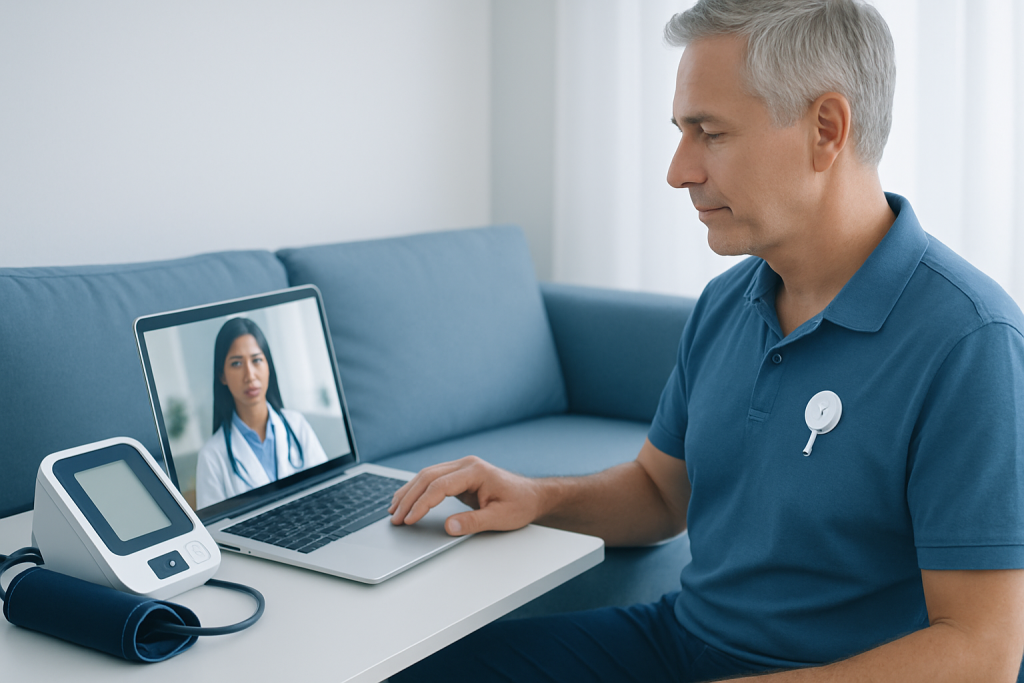
A large part of routine cardiac follow-up can often be handled from home when the patient is recovering steadily. This may include discussion of symptoms, review of home blood pressure and heart rate readings, medication tolerability, and progress with walking or cardiac rehabilitation exercises.
Patients who have had angioplasty, stent placement, pacemaker implantation, valve procedures, or treatment for heart rhythm problems may be asked to check incision sites, note swelling or redness, and report any change in how they feel. If the care team uses digital tools, a patient may also upload readings or photos for review. This can help the clinician spot patterns early without waiting for the next clinic visit.
Common items that may be appropriate for remote follow-up include:
- Blood pressure, pulse, and sometimes oxygen saturation readings
- Medication questions, side effects, and refill planning
- Wound or incision checks using photos or video
- Review of exercise tolerance, fatigue, and sleep quality
- Discussion of diet, salt intake, smoking cessation, and stress management
- Remote data from selected implanted cardiac devices
In many cases, remote follow-up is most useful when it is structured. A patient knows what to measure, when to send it, and which changes should trigger a same-day call rather than waiting for the next scheduled review.
Symptoms and Changes That Should Be Reported Promptly

Even when a person is being monitored from home, some symptoms deserve quick attention. The aim is not to create alarm, but to make sure the care team hears about changes early enough to respond appropriately.
Shortness of breath that is new or worsening, chest pain, fainting, palpitations that feel different from the usual pattern, or sudden swelling in the legs or abdomen should not be managed casually at home. Likewise, fever, chills, drainage from a surgical site, or increasing redness around a wound may suggest an infection and should be reviewed promptly.
People should also report symptoms that may seem minor but can matter after cardiac treatment, such as unusual dizziness, reduced urine output, unexplained weight gain over a short period, persistent nausea after starting a new medicine, or bruising and bleeding if blood thinners are part of the treatment plan. A remote visit works best when patients feel comfortable sharing these details early rather than waiting until the next scheduled appointment.
Causes & Risk Factors: Who Benefits Most From Remote Care
Remote follow-up is not about the cause of heart disease itself, but about the practical realities of recovery. It is particularly helpful when a patient lives far from the treating hospital, is returning to another country after care, has mobility limits, or needs frequent check-ins during the first weeks after treatment.
Some patients have a lower threshold for needing closer monitoring. This includes people with complex procedures, more than one heart condition, heart failure, blood clot risk, difficult-to-control blood pressure, or a history of medication sensitivity. Older adults and patients who are recovering from a major operation may also benefit from a plan that combines home monitoring with scheduled in-person assessments.
Remote follow-up also depends on the setting around the patient. Reliable internet or phone access, a blood pressure cuff that has been checked for accuracy, and a clear way to communicate with the clinic all make the process safer and more effective. When these elements are missing, the care team may recommend more face-to-face follow-up.
Diagnosis and Monitoring During Follow-Up
Follow-up after cardiac treatment is less about making a new diagnosis and more about confirming that recovery is on track. A clinician may ask detailed questions about symptoms, review a patient’s home readings, and compare current status with what was expected after the procedure or treatment.
Some patients are asked to keep a daily record of blood pressure, pulse, body weight, medication times, and exercise activity. These simple numbers can reveal whether fluid is building up, whether blood pressure is too low or too high, or whether a medicine is causing side effects. If a pacemaker or implantable defibrillator is involved, device checks may be done remotely and supplemented by in-person testing when needed.
Depending on the condition, follow-up may still require periodic testing such as an electrocardiogram, blood tests, echocardiogram, stress test, or imaging study. Remote care should be seen as one part of a longer monitoring plan, not as a complete substitute for all cardiac assessment.
Treatment Options and Ongoing Care From a Distance
Remote follow-up often focuses on making treatment safer and more sustainable after the initial hospital phase. Medication review is one of its most important uses. A clinician may adjust treatment based on blood pressure logs, swelling, heart rate trends, bleeding risk, or side effects such as fatigue and dizziness.
Cardiac rehabilitation can also be supported from home in selected patients. That may include walking goals, breathing exercises, gradual increases in activity, and counseling on sleep, nutrition, and stress reduction. Remote coaching helps patients stay engaged without having to travel for every step of recovery.
For some people, remote review is used to decide whether an in-person visit is needed sooner than planned. If symptoms are stable, the next check-in may remain virtual. If the picture is unclear, the clinician may ask for examination, testing, or observation in the hospital or clinic. This flexible approach keeps follow-up responsive rather than rigid.
Prevention & Self-care
Home care after cardiac treatment works best when it is simple, consistent, and written down. Patients often do better when they know exactly which numbers to track, how often to send updates, and what changes in symptoms should be treated as important.
Helpful self-care steps may include taking medicines exactly as prescribed, keeping follow-up appointments even when feeling well, watching salt intake if advised, staying active within the limits set by the doctor, and avoiding smoking. Rest is also important, especially after procedures or surgery, but long periods of inactivity can slow recovery. The goal is steady progress, not rushed effort.
For international patients, organizing documents can make remote follow-up smoother. Keeping discharge papers, test results, procedure notes, medicine lists, and contact information together makes it easier for a local doctor or the original treating team to coordinate care across borders. A family member or caregiver can also help track symptoms and ensure messages are sent on time.
Patients may find it useful to prepare a small follow-up checklist:
- Daily blood pressure and pulse readings if recommended
- Medication schedule with any side effects noted
- Weight changes and swelling observations
- Questions for the next remote visit
- Emergency contact numbers saved in the phone
When to See a Doctor
Remote follow-up is appropriate only when the patient is stable enough to be monitored from home. Any new chest discomfort, severe breathlessness, fainting, stroke-like symptoms, or rapidly worsening swelling should be treated as a reason for urgent medical assessment.
In-person care is also needed if an incision looks infected, if bleeding does not stop, if a blood pressure reading is repeatedly very low or very high with symptoms, or if device-related concerns arise. The care team may advise a visit if symptoms cannot be understood clearly through a call or video review.
Patients should not hesitate to reach out when something feels different. After cardiac treatment, small changes can be meaningful, and timely communication often prevents larger problems.
At Acibadem Health Point, multidisciplinary specialists and JCI-accredited hospitals can diagnose and treat cardiac conditions for international patients, while helping coordinate follow-up that fits the realities of travel and recovery.
A Practical Way to Think About Remote Follow-Up
The most successful remote cardiac follow-up is organized, not improvised. It works when the patient, the cardiology team, and any local doctor all know their roles and have a shared understanding of what should happen if symptoms change.
For some patients, that means a short virtual check-in is enough to confirm progress. For others, the remote visit becomes a bridge back to clinic testing, rehabilitation, or medication adjustment. Either way, the purpose is the same: to keep recovery safe, understandable, and connected to expert care.
When used well, remote follow-up can reduce unnecessary travel, support confidence after treatment, and help patients stay engaged with their heart health wherever they are recovering.
Frequently asked questions
What can usually be checked during a remote heart follow-up visit?
A remote visit often covers symptoms, blood pressure, pulse, medication side effects, wound healing, and progress with activity. If the patient has an implanted device, some of that information may also be reviewed remotely. The clinician may decide that a physical exam or test is still needed later.
Is remote follow-up safe after a heart procedure?
It can be safe for many stable patients when it is part of a planned care pathway. The key is knowing which changes can be monitored at home and which symptoms require immediate attention. Remote care works best when the patient has clear instructions and easy access to the care team.
Which symptoms should never be ignored after cardiac treatment?
New or worsening chest pain, shortness of breath, fainting, sudden swelling, fever, wound drainage, or stroke-like symptoms should be reported quickly. These signs do not always mean something serious is happening, but they do need prompt medical review. If symptoms are severe, urgent care is appropriate.
Can blood pressure and heart rate be monitored from home?
Yes, and these are among the most useful home measurements after cardiac treatment. A properly used blood pressure cuff and a simple log can help the clinician see trends over time. The care team may also ask about weight, sleep, and exercise tolerance.
Do patients still need in-person visits if remote monitoring is available?
Often, yes. Remote follow-up can reduce the number of trips, but it does not replace every examination, test, or procedure-related check. Many cardiac conditions need a combination of virtual and in-person care for the best results.
How can international patients prepare for remote follow-up after returning home?
They should leave the hospital with a clear medicine list, discharge summary, test results, and instructions for who to contact if symptoms change. It also helps to have a local doctor or clinic informed about the treatment received. Keeping records organized makes follow-up across borders much smoother.
References
- American Heart Association
- European Society of Cardiology
- National Heart, Lung, and Blood Institute
- World Health Organization
- Centers for Disease Control and Prevention
This article is for general information only and is not a substitute for professional medical advice. Please consult a qualified doctor about your individual situation.