Arteriostenosis

Key Takeaways
- Arteriostenosis means an artery has become narrowed, often reducing blood flow to a body part or organ.
- Symptoms depend on where the narrowing occurs and may include chest pain, leg pain, dizziness, or weakness.
- Common causes include atherosclerosis, high blood pressure, diabetes, smoking, and other vascular conditions.
- Diagnosis may involve physical examination, blood tests, imaging, and tests that measure blood flow.
- Treatment can include lifestyle changes, medicines, and in some cases procedures to restore circulation.
- Prompt medical evaluation is important if symptoms suggest reduced blood flow to the heart, brain, or limbs.
Medically reviewed by the Acıbadem clinical team — July 13, 2026
Arteriostenosis refers to narrowing of an artery, which can limit blood flow to tissues and organs. Understanding the warning signs, causes, and treatment options can help people seek care early and protect long-term vascular health.
Overview
Arteriostenosis is a broad term for narrowing in an artery. Because arteries carry oxygen-rich blood from the heart to the rest of the body, even a partial blockage can matter. The effect is not the same for everyone: narrowing in a heart artery may cause chest pressure, while the same problem in a leg artery may show up as pain when walking.
Many people first learn about arteriostenosis after a scan or test done for another reason. Others notice symptoms that seem vague at first, such as tiredness, reduced exercise tolerance, or limb discomfort. A careful evaluation helps determine whether the narrowing is mild and stable or significant enough to need treatment.
For international patients, the diagnosis often begins before travel with review of prior imaging, medication history, and symptoms. This helps specialists decide which tests are truly needed on arrival and how quickly care should move forward.
Symptoms

Symptoms depend on which artery is narrowed and how much blood flow is affected. Some people have no clear symptoms, especially early on. In other cases, the body sends noticeable signals that circulation is struggling.
Common patterns include:
- Chest pain, pressure, or shortness of breath when heart arteries are involved
- Leg pain or cramping with walking that improves with rest
- Dizziness, fainting, or weakness if blood flow to the brain is reduced
- Coldness, numbness, or color changes in an affected limb
- Fatigue or reduced stamina during daily activities
Symptoms should be interpreted in context. For example, leg pain that appears only with exertion can suggest peripheral arterial disease, while sudden weakness or trouble speaking may point to an emergency affecting blood flow to the brain.
Causes & Risk Factors
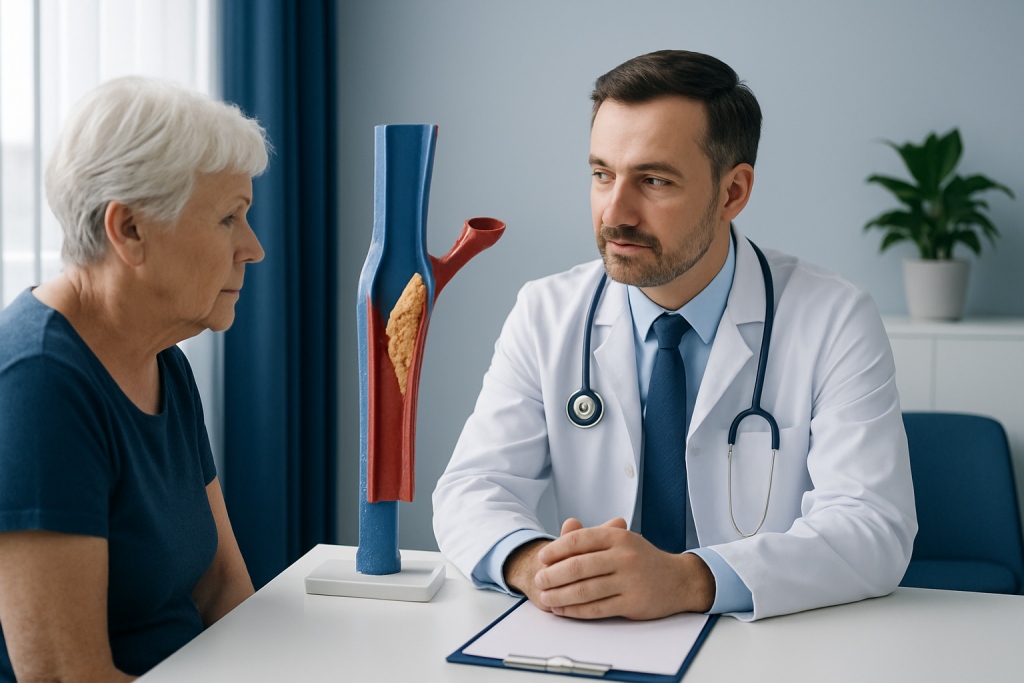
The most common cause of arterial narrowing is atherosclerosis, a gradual buildup of fatty deposits and inflammatory material in the artery wall. Over time, this buildup can stiffen the artery and reduce its inner opening, making it harder for blood to pass through.
Several factors can increase the likelihood of arteriostenosis or speed its progression. These include high blood pressure, high cholesterol, diabetes, smoking, kidney disease, obesity, older age, and a family history of vascular disease. Some people also develop narrowing from inflammation of blood vessels, congenital vessel differences, or previous injury to an artery.
Risk is often cumulative rather than caused by one single issue. That is why a doctor will usually look beyond the narrowed artery itself and assess the person’s overall cardiovascular health.
Diagnosis
Diagnosis usually starts with a medical history and physical examination. A clinician may ask when the symptoms occur, what makes them better or worse, and whether there are signs of reduced blood flow such as weak pulses, skin changes, or blood pressure differences between limbs.
Testing depends on the suspected location of the narrowing. Common studies may include blood tests to assess cholesterol, diabetes, kidney function, and inflammation markers. Imaging and circulation tests can then show the artery in more detail.
- Ultrasound with Doppler to assess blood flow
- CT angiography or MR angiography for detailed vessel imaging
- Stress testing when heart-related symptoms are suspected
- Angiography in selected cases when a procedure may be needed
Because arteriostenosis can affect different organ systems, diagnosis is often collaborative. A cardiologist, vascular specialist, radiologist, or neurologist may be involved depending on where the narrowing is found and how it affects daily function.
Treatment Options
Treatment is tailored to the artery involved, the severity of narrowing, and the person’s symptoms and overall health. Mild narrowing may be managed conservatively, while more advanced disease may require medication or a procedure to improve blood flow.
Lifestyle changes are usually part of every plan. Quitting smoking, improving nutrition, increasing safe physical activity, and controlling blood pressure, cholesterol, and blood sugar can slow progression and lower future risk. Medicines may be used to manage risk factors, reduce the chance of clotting in selected situations, or ease symptoms.
When blood flow is significantly limited, doctors may recommend a procedure. Depending on the location, this might include angioplasty, stenting, or a surgical bypass. The choice is individualized and made after discussing benefits, recovery, and follow-up needs.
For patients traveling from another country, it is helpful to arrange records, medication lists, and prior imaging before the visit. That allows the treatment team to coordinate tests efficiently and plan recovery support after the procedure or surgery.
Prevention & Self-care
There is no single habit that prevents every form of arteriostenosis, but vascular health can often be protected by steady, realistic changes. The aim is not perfection; it is reducing strain on the arteries over time.
Helpful self-care habits include:
- Not smoking and avoiding secondhand smoke
- Following a heart-healthy eating pattern
- Staying physically active within medical advice
- Taking prescribed medicines consistently
- Monitoring blood pressure, blood sugar, and cholesterol
- Keeping regular follow-up appointments
People who have already been diagnosed may also benefit from learning their own symptom pattern. Knowing what is normal for them, and what is not, makes it easier to notice changes early and contact a clinician before the problem becomes more serious.
When to See a Doctor
Medical assessment is important if symptoms suggest reduced blood flow, even if they seem mild at first. Persistent leg pain with walking, unexplained chest discomfort, repeated dizziness, or a limb that feels unusually cold or weak all deserve attention.
Some symptoms need urgent care. Sudden severe chest pain, facial droop, speech difficulty, one-sided weakness, or sudden loss of vision can indicate a time-sensitive vascular emergency and should be treated immediately.
People with diabetes, high blood pressure, high cholesterol, or a history of smoking should be especially attentive to new circulation-related symptoms. Early evaluation can clarify whether the issue is arteriostenosis, another vascular condition, or something less serious that still needs treatment.
When international patients seek a second opinion or a coordinated treatment plan, it helps to choose a center that can combine diagnostic expertise with clear follow-up guidance. Acibadem Health Point’s multidisciplinary specialists and JCI-accredited hospitals diagnose and treat this condition for international patients, with care planning that can continue beyond the first visit.
Living With the Condition
Arteriostenosis often becomes a long-term management issue rather than a one-time event. Even after treatment, the underlying tendency toward vascular narrowing may remain, so follow-up is usually part of the plan.
Patients commonly do best when they understand three things: which artery is affected, what warning signs matter most, and which habits support circulation. That knowledge makes day-to-day decisions easier, especially when returning home after treatment and continuing care with a local doctor.
For many people, the goal is not only to treat a narrowed artery but also to lower the chance of future narrowing elsewhere in the body. Regular follow-up, risk-factor control, and symptom awareness can help keep the condition manageable.
Frequently asked questions
Is arteriostenosis the same as arterial stenosis?
Yes. Arteriostenosis and arterial stenosis both refer to narrowing of an artery. In practice, the terms are used to describe the same basic problem, although the exact wording may vary by source or specialist.
Can arteriostenosis happen without symptoms?
Yes, especially when the narrowing develops gradually or is not yet severe. Some people only discover it after testing for another condition, which is one reason routine medical follow-up matters when risk factors are present.
Does arteriostenosis always need surgery?
No. Many cases are managed with medicines, lifestyle changes, and monitoring. Procedures are considered when narrowing is severe, symptoms are significant, or blood flow to an organ is at risk.
What tests are most commonly used to diagnose it?
Doctors often begin with an exam and then use imaging such as Doppler ultrasound, CT angiography, MR angiography, or angiography when needed. Blood tests and stress tests may also help, depending on the suspected artery involved.
Can lifestyle changes really make a difference?
They can help slow progression and reduce the risk of future vascular problems, especially when combined with prescribed treatment. Stopping smoking, improving activity, and controlling blood pressure, cholesterol, and blood sugar are especially important.
When should someone seek urgent help?
Urgent help is needed for sudden chest pain, stroke-like symptoms, sudden weakness, trouble speaking, or sudden vision changes. These may signal a serious loss of blood flow that needs immediate treatment.
References
- American Heart Association
- National Heart, Lung, and Blood Institute
- Mayo Clinic
- Cleveland Clinic
This article is for general information only and is not a substitute for professional medical advice. Please consult a qualified doctor about your individual situation.