

Relief Of Stiff Neck

Key Takeaways
- Most stiff neck episodes are related to muscle tension, posture, or a short-lived strain.
- Gentle movement, heat or ice, and posture changes can support relief of stiff neck.
- Numbness, arm weakness, fever, severe headache, or trauma are reasons to seek medical attention.
- A clinician may use an exam, and sometimes imaging, to rule out nerve, joint, or infection-related causes.
- Travelers and patients recovering away from home can still plan follow-up safely with clear instructions and timely reassessment.
A stiff neck is a common complaint that can follow poor sleep posture, muscle strain, stress, or minor injury. Most cases improve with simple self-care, but persistent pain or neurologic symptoms should be assessed by a doctor.
Overview
Relief of stiff neck starts with understanding that stiffness is often a symptom, not a diagnosis. The muscles, joints, discs, and nerves in the neck work together to keep the head moving smoothly; when any of these structures become irritated, movement can feel restricted or painful.
For many people, a stiff neck appears after sleeping awkwardly, spending long hours at a screen, carrying a heavy bag, or tensing the neck during stress. In these situations, the discomfort is usually temporary and improves with conservative care. The challenge is recognizing when the stiffness is simple muscle tension and when it may be part of a more significant problem.
Because neck symptoms can interfere with driving, working, and even resting comfortably, patients often want quick answers. A careful approach focuses on easing pain, restoring normal motion, and watching for signs that the neck needs medical evaluation.
Symptoms
Stiff neck symptoms can range from a mild “tight” feeling to sharp discomfort when turning the head. Some people notice the neck feels locked in one position, while others feel soreness spreading into the shoulders or upper back.
Common accompanying symptoms include headache, tenderness when the neck muscles are pressed, and a reduced ability to look over the shoulder or tilt the head. The discomfort may be worse in the morning, after prolonged sitting, or after a sudden movement.
Symptoms that deserve closer attention include pain that radiates into the arm, numbness or tingling, weakness in the hands, fever, confusion, severe headache, sensitivity to light, or stiffness after an accident. Those features can point to infection, nerve involvement, or injury rather than a routine muscle strain.
- Localized muscle tightness or spasm
- Pain with rotation or bending of the neck
- Shoulder or upper back soreness
- Headache that begins at the base of the skull
- Limited range of motion
Causes & Risk Factors

Muscle strain is one of the most common reasons for a stiff neck. It may follow poor sleep position, an unusual workout, long computer use, or repetitive lifting. In many cases, the body’s protective response is a temporary muscle spasm that makes movement uncomfortable but gradually settles.
Posture also matters. Looking down at a phone for long periods, leaning forward over a laptop, or sitting in a poorly supported chair can overload the neck muscles. Stress can add another layer, because people often hold tension in the jaw, shoulders, and neck without realizing it.
Other possible causes include arthritis in the cervical spine, a pinched nerve, whiplash, inflammation, meningitis, or less commonly structural problems affecting the spine. Risk is higher in people with physically demanding jobs, previous neck injury, chronic poor posture, or conditions that weaken muscles and joints.
When patients seek care from another country, it helps to think in practical terms: a neck issue that has not improved after rest, or that limits daily function during travel, deserves evaluation rather than repeated self-treatment alone.
Diagnosis
Diagnosis usually begins with a medical history and a physical examination. The clinician asks when the stiffness started, what activities make it better or worse, whether there was trauma, and whether symptoms extend into the arms or legs. This history often provides the most important clues.
During the examination, the doctor may assess neck movement, check for muscle tenderness, test reflexes and strength, and look for signs of nerve irritation. In many uncomplicated cases, no tests are needed because the pattern clearly suggests a mild strain or postural issue.
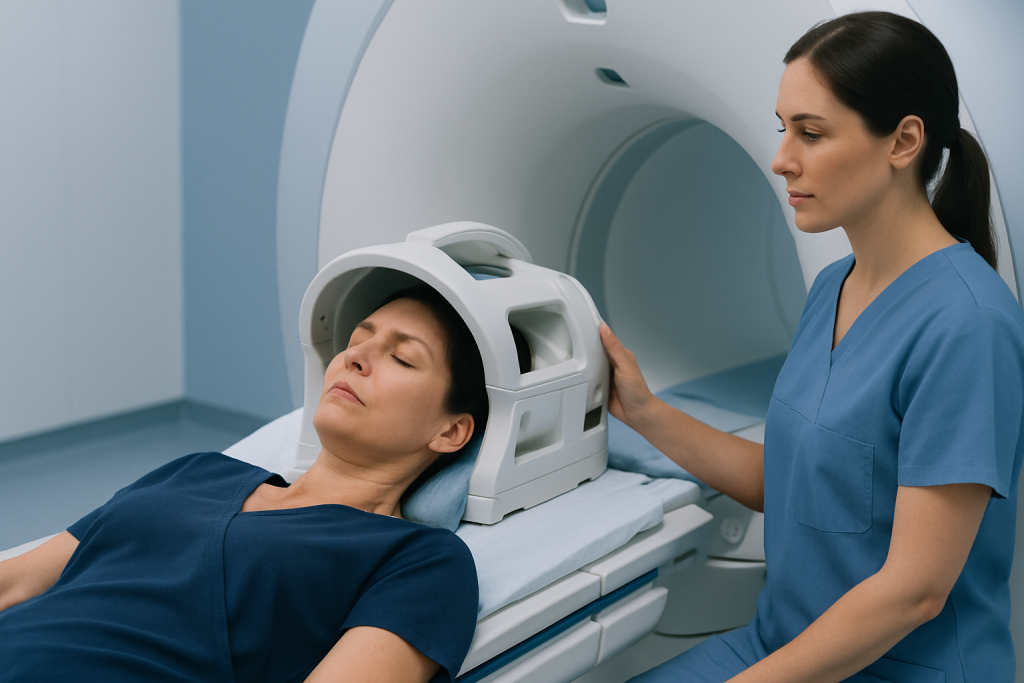
Imaging or additional testing may be recommended if symptoms are severe, persistent, or linked to red flags such as fever, neurological changes, or significant injury. Depending on the situation, this may include X-rays, MRI, or blood tests to help identify inflammation, infection, or nerve compression.
Treatment Options
Relief of stiff neck often begins with conservative care. Resting the neck from aggravating activities can help, but complete immobility is usually not ideal. Gentle, pain-free movement often supports recovery better than prolonged bracing or staying in one position.
Heat may help relax tight muscles, while ice can be useful soon after a strain or injury. Over-the-counter pain relievers may be appropriate for some patients, but they should be used according to label instructions and avoided when a person has medical reasons not to take them. A doctor or pharmacist can help guide safe choices.
If the problem is related to a nerve, arthritis, or significant inflammation, treatment may need to be more targeted. Options can include physical therapy, guided exercises, posture retraining, medication prescribed by a doctor, or in selected cases other interventions. The right plan depends on the cause rather than the stiffness alone.
For people arranging care while traveling, it is helpful to leave a clinic visit with a clear summary, red-flag instructions, and a follow-up plan that can continue after returning home. This reduces uncertainty and supports recovery across locations and time zones.
- Gentle range-of-motion exercises as tolerated
- Heat or ice application for short periods
- Posture adjustments at work and during sleep
- Physical therapy when recommended
- Further evaluation if symptoms persist or worsen
Prevention & Self-care
Many episodes of stiff neck can be reduced by changing the habits that keep the neck under constant strain. A well-supported sitting position, screen at eye level, and regular breaks from desk work all lower the load on the cervical muscles.
Sleep setup matters too. A pillow that supports the head without pushing it too far forward or sideways may help prevent waking up with neck pain. The goal is not a perfect posture at all times, but a position that allows the neck to rest in a neutral alignment.
Simple daily habits can make a difference: keeping the shoulders relaxed, avoiding sudden forceful movements, and building strength and flexibility over time. If stress contributes to muscle tightening, breathing exercises, stretching, or other relaxation strategies may help reduce repeated flare-ups.
Patients recovering while away from home should keep their follow-up notes, test results, and medication list accessible. That makes it easier for another clinician to continue care if symptoms are slow to improve.
- Take screen breaks and change positions regularly
- Use a supportive pillow and mattress setup
- Lift objects with the body, not the neck
- Stretch gently and consistently
- Address stress-related muscle tension early
When to See a Doctor
Medical evaluation is advisable when neck stiffness follows a fall, car accident, or other injury. It is also important if the pain is severe, keeps returning, lasts more than a few days without improvement, or makes normal activity difficult.
Immediate assessment is especially important if stiff neck comes with fever, rash, severe headache, confusion, vomiting, weakness, numbness, trouble walking, or difficulty speaking. These symptoms can suggest a condition that needs prompt treatment.
A doctor should also evaluate neck stiffness that spreads into the arm, causes persistent tingling, or is accompanied by unexplained weight loss or night pain. Those features may indicate nerve compression or another underlying issue that should not be ignored.
Acibadem Health Point’s multidisciplinary specialists and JCI-accredited hospitals can help diagnose and treat neck-related conditions for international patients, with coordinated care that supports both treatment and follow-up planning.
Living With a Stiff Neck During Recovery
Recovery is usually easier when patients treat the neck kindly but do not fear movement. Short, frequent changes in position often help more than long periods of complete rest. Many people notice that pain improves first, while normal turning and bending return a little later.
If work or travel must continue, pacing helps. Supportive seating, light luggage, and scheduled pauses can reduce strain on the neck. When symptoms are not improving as expected, it is better to revisit the diagnosis than to keep pushing through discomfort.
In most cases, a stiff neck is temporary and manageable. The main goals are to relieve muscle tension, preserve motion, and identify any cause that needs more specific care.
Practical Questions Patients Often Ask
Patients frequently want to know whether they should keep moving. In many mild cases, yes—gentle motion is helpful if it does not cause sharp pain. The aim is to avoid letting the neck become even tighter from inactivity.
Others ask whether they need imaging right away. Often they do not, especially when symptoms fit a simple strain and there are no warning signs. Imaging is more useful when the symptoms are severe, prolonged, or linked to injury or neurological changes.
A final concern is whether neck stiffness can be prevented completely. Not always, but ergonomic adjustments, better sleep support, and early attention to tension can reduce the chance of repeated episodes. For recurring symptoms, a clinician can help identify the pattern and tailor a more durable plan.
References
Information in this article is based on generally accepted guidance from authoritative medical sources and clinical practice references. Patients should use it as educational support, not as a substitute for individualized medical advice.
If symptoms are persistent or concerning, a qualified clinician should assess the neck in person and determine whether additional tests or treatment are needed.
Frequently asked questions
What is the fastest way to relieve a stiff neck at home?
Gentle movement, short periods of heat or ice, and reducing activities that strain the neck are common first steps. Many people improve when they avoid staying in one position for too long and keep the neck moving within a comfortable range.
Should a stiff neck be rested completely?
Usually not for long periods. Brief rest from aggravating activities can help, but gentle motion is often better than complete immobility because it helps prevent further tightness.
When is a stiff neck more than a muscle strain?
It may be more than a strain if it follows an injury, comes with fever or severe headache, or causes numbness, weakness, or trouble walking. Those signs deserve medical evaluation.
Can poor posture really cause neck stiffness?
Yes. Forward head posture, screen time, and long hours sitting without support can overload the neck muscles and trigger stiffness or soreness.
Do I need tests for neck stiffness?
Not always. Many cases are diagnosed with history and physical examination alone, but tests may be needed if symptoms are severe, persistent, or have warning signs.
What can travelers do if neck pain starts while abroad?
They should limit strain, keep notes about symptom onset and any trigger, and seek care sooner if red flags appear. If treatment is started abroad, clear discharge instructions help with follow-up after returning home.
References
- National Institute of Neurological Disorders and Stroke
- Mayo Clinic
- NHS
- American Academy of Orthopaedic Surgeons
This article is for general information only and is not a substitute for professional medical advice. Please consult a qualified doctor about your individual situation.
More from the Health Library



Related Specialists

Prof. Dr. Ahmet Alanay
Orthopedic Surgery & Traumatology
Dr. Sinan Aksu
Orthopedic Surgery & Traumatology
Dr. Sirri Baştürk
Orthopedic Surgery & Traumatology
Prof. Dr. Korhan Özkan
Orthopedic Surgery & Traumatology