

Thigh

Key Takeaways
- Thigh symptoms may come from muscles, nerves, blood vessels, joints, or the hip and lower back.
- Pain, swelling, weakness, numbness, bruising, or a visible deformity can all help point toward the cause.
- Evaluation usually includes a history, physical examination, and sometimes imaging or blood tests.
- Many thigh problems improve with rest, activity adjustment, physical therapy, or other targeted treatment.
- Sudden severe swelling, major weakness, or signs of poor circulation need prompt medical attention.
The thigh can be affected by muscle strain, nerve irritation, circulation problems, injury, and joint-related conditions, so symptoms are best understood in context rather than as a single diagnosis. This guide explains how clinicians evaluate thigh concerns and what patients can do while arranging appropriate care.
Overview
The thigh is a large and heavily used part of the body, so it is not surprising that discomfort there can come from many different sources. A problem that feels like a “thigh issue” may actually start in a muscle, tendon, nerve, hip joint, knee, or even the lower back.
For that reason, the most useful first step is to look at the pattern of symptoms. A sore muscle after sports, a deep ache that travels down the leg, a swollen and tender area after an injury, and a burning sensation with numbness all suggest different possibilities. Understanding the pattern helps a clinician decide what needs simple support and what needs more detailed evaluation.
International patients often arrive with only a short window to get answers, especially when pain affects travel, walking, or rehabilitation plans. A careful assessment can help distinguish a temporary strain from a condition that requires imaging, medication, or specialist follow-up after returning home.
Symptoms
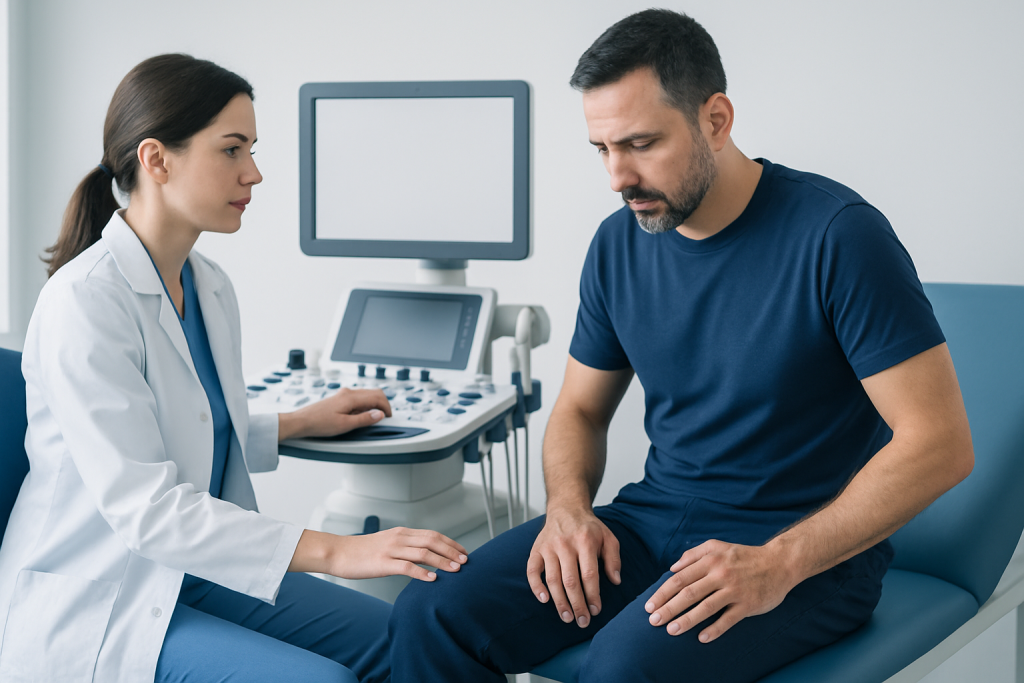
Thigh symptoms can range from mild and short-lived to persistent and function-limiting. Pain may be sharp, dull, cramping, aching, burning, or tight. Some people notice symptoms only when climbing stairs, sitting, standing up, or walking long distances, while others feel discomfort at rest or at night.
Other common signs include swelling, bruising, warmth, tenderness, weakness, stiffness, or reduced range of motion in the hip or knee. Numbness, tingling, or a heavy feeling may point toward nerve involvement rather than a simple muscle issue.
Pattern matters. Pain after a sudden twist, sprint, or fall often suggests an injury, while pain that develops gradually may be related to overuse, posture, biomechanics, or inflammation. When the thigh looks swollen on one side, feels unusually warm, or is paired with shortness of breath or chest discomfort, medical evaluation should not be delayed.
- Pain with movement: often linked to strain, tendon irritation, or joint mechanics
- Bruising or a lump: may suggest a tear, hematoma, or soft-tissue injury
- Numbness or burning: may indicate nerve compression or irritation
- Swelling or warmth: can be related to inflammation, injury, or circulation concerns
Causes & Risk Factors

Muscle strain is one of the most common reasons for thigh pain, especially in active people. The quadriceps at the front and the hamstrings at the back can be overstretched during running, jumping, sudden acceleration, or heavy lifting. A direct blow can also cause a contusion, which may lead to bruising and temporary swelling.
Not all thigh symptoms come from the muscle itself. Hip arthritis, bursitis, lower back problems, pinched nerves, and knee alignment issues can all send pain into the thigh. Less commonly, circulation problems such as deep vein thrombosis can cause one-sided swelling and tenderness, while infections, stress fractures, or tumors may present with persistent pain that does not follow a typical injury pattern.
Risk factors include recent sports activity, poor conditioning, previous injury, repetitive strain, dehydration, prolonged sitting, obesity, and certain chronic health conditions. Travel can also complicate the picture, since long periods of immobility may increase the risk of circulation problems in susceptible individuals.
Key causes clinicians consider often include:
- Muscle strain or tear
- Bruise or hematoma after trauma
- Tendon irritation or inflammation
- Nerve compression from the spine, hip, or pelvis
- Circulation concerns such as a clot
- Referred pain from the hip, knee, or lower back
Diagnosis
Diagnosis usually begins with a detailed conversation about when the symptoms started, what makes them better or worse, and whether there was a clear injury. A clinician may ask about recent travel, exercise changes, medical history, medications, and any associated swelling, fever, numbness, or walking difficulty.
The physical examination helps narrow the cause by checking tenderness, strength, range of motion, gait, skin changes, and whether the pain seems to come from the thigh itself or from nearby structures. If the symptoms suggest a more complex issue, imaging may be recommended.
Depending on the situation, the evaluation may include X-rays for suspected bone problems, ultrasound for soft tissue or clot concerns, MRI for muscle, tendon, or deeper structural injuries, or blood tests if infection, inflammation, or other systemic causes are being considered. In an international care setting, having the right tests performed early can help patients make a clear decision about treatment before traveling home.
Treatment Options
Treatment depends on the cause, not just the location of pain. A straightforward muscle strain may improve with relative rest, ice or heat as advised by a clinician, compression, gradual return to activity, and guided exercises. Physical therapy is often useful when strength, flexibility, or movement patterns need to be restored.
If the problem involves inflammation, a clinician may recommend anti-inflammatory strategies or other medicines suitable for the patient’s overall health. For nerve-related pain, treatment may focus on the spine, posture, activity modification, and rehabilitation. More serious problems, such as a significant tear, fracture, or blood clot, require targeted medical treatment and close follow-up.
Recovery plans are typically individualized. Patients who are traveling for care may need a staged plan that covers in-hospital treatment, safe mobility during the journey, and clear instructions for rehabilitation once they return home. The aim is not only to reduce pain, but also to restore safe function and prevent recurrence.
Common approaches can include:
- Activity modification and temporary rest
- Physical therapy and strengthening exercises
- Pain-relief or anti-inflammatory medicines when appropriate
- Supportive devices such as crutches or braces in selected cases
- Procedures or surgery for specific injuries or structural problems
Prevention & Self-care
Many thigh problems can be reduced by preparing the body before activity and respecting early warning signs. A brief warm-up, regular flexibility work, and gradual increases in training intensity can help muscles tolerate load more safely. Good footwear and proper technique also matter, especially for runners, cyclists, and people who lift weights.
For everyday self-care, short periods of relative rest may be better than total inactivity. Gentle movement, when allowed, usually supports recovery more effectively than prolonged immobilization. If swelling is present, elevation and compression may help, but they should be used only when appropriate for the underlying cause.
People who have frequent thigh pain should look beyond the painful spot itself. Strength deficits in the glutes, core, or lower leg can shift stress into the thigh. Hydration, balanced nutrition, and sensible pacing during exercise or long travel days may also reduce the chance of repeat symptoms.
- Warm up before sport or heavy activity
- Increase training load gradually
- Maintain hip, core, and leg strength
- Take movement breaks during long sitting or travel
- Seek early assessment if symptoms keep returning
When to See a Doctor
Medical advice is important when thigh pain is severe, keeps worsening, or interferes with walking, sleep, or daily tasks. It is also wise to be evaluated if symptoms last more than expected for a simple strain, especially when there is no clear explanation.
Prompt assessment is recommended if the thigh is noticeably swollen on one side, feels warm, becomes increasingly red, or is paired with shortness of breath, chest pain, fever, or marked weakness. A visible deformity after injury, an inability to bear weight, or sudden numbness also deserves attention.
People with diabetes, circulation problems, recent surgery, recent long-distance travel, cancer history, or a clotting disorder should not ignore new thigh swelling or pain. When in doubt, it is safer to check the cause early than to wait for symptoms to settle on their own.
Acibadem Health Point can support international patients with multidisciplinary specialists and JCI-accredited hospitals that diagnose and treat thigh-related conditions in a coordinated way.
Living with Thigh Pain During Recovery
Recovery is often easier when patients understand what type of load is safe at each stage. A structured plan can help them move from pain control to mobility, then to strength and function, without rushing back too quickly. This is especially helpful for people who must continue a long trip home or resume work across time zones.
Follow-up matters even after symptoms improve. Some thigh conditions recover well with conservative care, but others need reassessment if pain returns, swelling persists, or strength does not come back as expected. A clear discharge plan and physiotherapy guidance can make the transition between countries safer and more predictable.
Frequently asked questions
What is the most common cause of thigh pain?
A muscle strain is among the most common causes, especially after exercise, sudden movement, or a direct blow. However, the thigh can also hurt because of a hip, knee, nerve, or lower back problem, so the full pattern of symptoms matters.
When is thigh pain likely to be serious?
It deserves prompt medical attention if it comes with significant swelling on one side, redness, warmth, fever, weakness, numbness, or trouble walking. Chest pain or shortness of breath with leg symptoms also needs urgent evaluation.
Can thigh pain come from the back or hip?
Yes. Pain can be referred from the lower back, hip, or pelvis and may feel like it is coming from the thigh itself. This is one reason a careful physical examination is so important.
Do all thigh injuries need imaging?
No. Many mild strains are diagnosed with history and examination alone. Imaging is usually reserved for suspected fractures, significant tears, persistent symptoms, or when the cause is not clear.
What can a person do at home for a mild thigh strain?
Relative rest, gentle movement as tolerated, and following a clinician’s advice on ice, heat, or supportive care are common first steps. If pain worsens, swelling increases, or walking becomes difficult, the person should be assessed.
How long does thigh recovery usually take?
Recovery varies widely depending on the cause and severity. A minor strain may improve fairly quickly, while more complex injuries or nerve-related problems can take longer and may need physical therapy or other treatment.
References
- World Health Organization
- American Academy of Orthopaedic Surgeons
- Mayo Clinic
- NHS
- National Institute of Arthritis and Musculoskeletal and Skin Diseases
This article is for general information only and is not a substitute for professional medical advice. Please consult a qualified doctor about your individual situation.
More from the Health Library



Related Specialists

Prof. Dr. Ahmet Alanay
Orthopedic Surgery & Traumatology
Dr. Sinan Aksu
Orthopedic Surgery & Traumatology
Dr. Sirri Baştürk
Orthopedic Surgery & Traumatology
Prof. Dr. Korhan Özkan
Orthopedic Surgery & Traumatology