

Craniales

Key Takeaways
- Cranial symptoms can range from mild discomfort to changes in sensation, movement, vision, or balance.
- The cause may involve the skull, cranial nerves, sinuses, blood vessels, or the brain itself.
- Diagnosis often depends on a focused history, neurological examination, and imaging or other tests when needed.
- Treatment is guided by the underlying condition and may include medication, procedures, rehabilitation, or observation.
- New, severe, or worsening head-related symptoms deserve prompt medical review.
Craniales is a broad term that can refer to concerns involving the skull, cranial nerves, or structures around the brain and face. Because the word may be used in different ways, a careful evaluation is important to understand the exact cause and choose the right treatment.
Overview
The word craniales is not a standard diagnosis by itself, but it is often used to refer to problems related to the skull, cranial nerves, or nearby structures that influence the head and face. In practice, this may include pain, numbness, weakness, facial nerve symptoms, pressure sensations, or changes in vision and balance.
Because the head contains many interconnected systems, similar symptoms can come from very different causes. A headache after a long day at a computer, facial pain from sinus disease, and a nerve-related problem affecting movement are not managed in the same way. The most useful first step is to identify whether the concern is mainly muscular, nerve-related, vascular, sinus-related, or linked to the brain or skull.
For international patients, the experience is often shaped by how quickly an accurate diagnosis can be reached. Some people travel after symptoms have already been investigated at home, while others seek a second opinion when the explanation still feels unclear. In either case, careful assessment is central, because the right treatment depends on knowing what the symptom pattern truly represents.
Symptoms
Cranial-related conditions can present in many different ways, and the details matter. Some symptoms are mild and intermittent, while others are persistent or progressive. A symptom diary can be useful because it captures timing, triggers, and associated features that may be forgotten during a busy appointment.
Common complaints may include head or facial pain, pressure, tenderness around the skull, numbness, tingling, drooping of one side of the face, difficulty chewing, hearing changes, dizziness, or double vision. Some people notice symptoms only on one side, which can be an important clue for clinicians.
Possible symptoms include:
- Persistent or recurring headache or scalp pain
- Facial pain, burning, or altered sensation
- Jaw discomfort or pain when chewing
- Weakness or asymmetry in the face
- Blurred or double vision
- Balance problems, vertigo, or coordination changes
- Hearing changes or ringing in the ears
- Numbness or tingling in the head or face
Some symptoms may appear suddenly, such as facial weakness or severe headache, while others develop gradually. When changes are new, worsening, or unusual for that person, they should be assessed rather than simply watched at home.
Causes & Risk Factors

There is no single cause behind cranial symptoms. A doctor usually considers several possibilities, starting with the most common and moving toward less common but more serious explanations if needed. That broader view is especially important when symptoms involve nerves, sensation, or vision.
Some causes are relatively straightforward, such as tension-type headache, migraine, sinus inflammation, dental problems, jaw joint disorders, or muscle strain in the neck and scalp. Others are more specific to cranial anatomy, including cranial nerve irritation or compression, head injury, infections, inflammatory disorders, vascular problems, or structural changes in the skull and surrounding tissues.
Risk may be influenced by age, a history of trauma, diabetes, autoimmune disease, uncontrolled blood pressure, infections, or prior neurological conditions. Wear-and-tear issues, poor sleep, stress, and posture can also make certain head and facial symptoms more noticeable, although they do not explain every case.
In some people, symptoms are linked to a condition that travels across borders slowly, meaning a first opinion may not be enough to settle the question. That is why specialists often look at the full picture rather than focusing on a single symptom in isolation.
Diagnosis
Diagnosis usually begins with a detailed conversation about the symptom pattern: when it started, where it is felt, whether it is constant or episodic, and what makes it better or worse. A clinician may also ask about injury, fever, recent infections, vision changes, hearing symptoms, dental issues, and any history of neurological disease.
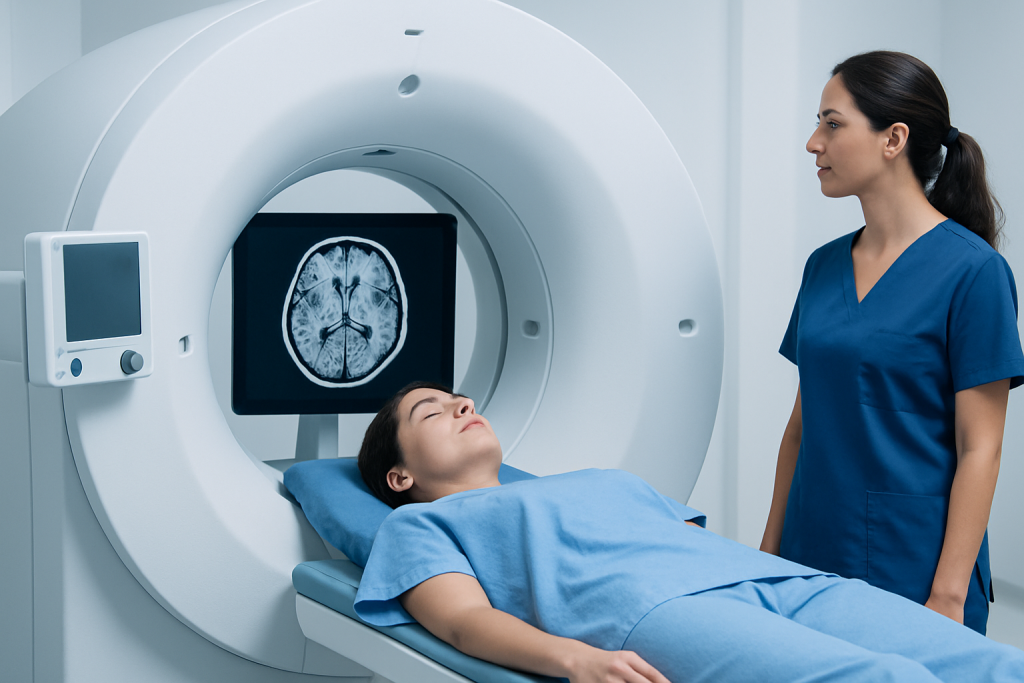
A neurological examination is often the next step. This may include checking facial strength, sensation, eye movements, reflexes, balance, coordination, and speech. Depending on the findings, the doctor may recommend imaging such as CT or MRI, blood tests, hearing or vision assessment, or other targeted studies.
The goal is not to order every test for every person, but to choose the right ones for the symptoms described. For example, pain that seems to come from the sinuses requires a different workup from facial weakness or a sudden change in vision. When an international patient arrives for evaluation, previous reports, imaging discs, and medication lists are particularly helpful because they can shorten the path to a clear diagnosis.
In some cases, a period of observation is appropriate if symptoms are mild and the examination is reassuring. In others, especially when nerve involvement is suspected, the workup is more urgent so that treatment can begin without delay.
Treatment Options
Treatment depends entirely on the cause. There is no universal plan for cranial symptoms, which is why a precise diagnosis matters. A headache disorder may respond to lifestyle changes and medication, while a nerve compression problem may need a procedure or surgery, and an infection may require specific antimicrobial treatment.
Conservative care may include rest, hydration, simple Knee Pain Relief: Causes and Treatment" class="ahp-ilk">pain relief recommended by a clinician, and addressing contributing factors such as poor sleep, stress, dehydration, or jaw strain. When symptoms stem from migraine or another recurrent headache disorder, a doctor may discuss medicines to reduce frequency, reduce attack severity, or manage associated symptoms.
If cranial nerves are affected, treatment might involve medications for nerve pain, steroid therapy in selected cases, treatment for infection or inflammation, or surgical evaluation if there is compression or another structural cause. Rehabilitation can also play an important role, especially when symptoms affect balance, facial movement, swallowing, or coordination.
For patients traveling from another country, treatment planning should include practical steps as well as medical ones: expected hospital stay, follow-up needs, medication continuity, and how records will be shared with the home doctor after return. At Acibadem Health Point, multidisciplinary specialists and JCI-accredited hospitals can diagnose and treat cranial conditions for international patients in a coordinated way.
Prevention & Self-care
Not every cranial condition can be prevented, but people can lower the chance of some triggers and support recovery with sensible day-to-day habits. The aim is not perfection; it is to reduce avoidable strain on the head, neck, eyes, and nervous system.
Helpful measures may include maintaining regular sleep, staying hydrated, limiting excessive screen strain, using protective equipment during sports or high-risk activities, and managing blood pressure, diabetes, and other chronic conditions. If symptoms are linked to migraine or tension-type headaches, keeping a record of triggers such as missed meals, stress, bright light, or certain foods may be useful.
Self-care also includes avoiding repeated self-diagnosis. Head and facial symptoms can overlap, and online searches often make things more confusing rather than more clear. A brief clinical assessment can distinguish a minor, self-limited issue from something that needs specialist care.
When recuperating after Herniated Disc Treatment Abroad: Injection, Rehab, or Surgery?" class="ahp-ilk">treatment abroad, patients should follow the written plan closely, take medications as directed, and arrange follow-up with a local clinician if recommended. Any new pattern of symptoms during recovery should be reported rather than assumed to be part of normal healing.
When to See a Doctor
Medical review is advisable when cranial symptoms are persistent, recurring, or affecting daily activities. It is also important when the symptom pattern is new for that person, especially if it involves facial weakness, sensory loss, vision changes, or problems with balance or speech.
Prompt assessment is particularly important if symptoms develop suddenly or are accompanied by fever, confusion, fainting, severe headache, recent head trauma, or difficulty moving one side of the face or body. These features do not always mean a serious condition, but they do warrant timely evaluation.
People who have already seen a doctor but still do not have a clear explanation may benefit from a second opinion, especially when imaging or specialist input has not yet been reviewed in detail. That is often the point at which a more focused neurological assessment can bring clarity and a more confident plan.
For anyone planning care from abroad, bringing prior test results, a medication list, and a brief timeline of symptoms can make the consultation more efficient and more useful. The most important thing is not to wait until the symptoms become harder to describe or harder to treat.
Frequently asked questions
What does craniales mean in medical terms?
It is not a single formal diagnosis. It is often used informally to describe issues involving the skull, cranial nerves, or related head and face structures. A doctor would need to identify the exact cause before treatment can be planned.
Can cranial symptoms come from a simple headache?
Yes, some symptoms are due to common headache disorders, muscle tension, or sinus problems. However, similar symptoms can also come from nerve, vascular, or structural causes, so a careful evaluation is important if the pattern is new or unusual.
How do doctors check for cranial nerve problems?
They usually start with a neurological examination that looks at facial movement, sensation, eye motion, hearing, balance, and other functions. Imaging or blood tests may be added depending on the findings and the suspected cause.
Are all cranial problems treated with surgery?
No. Many are managed with medication, observation, rehabilitation, or treatment of the underlying condition. Surgery is considered only when there is a clear reason, such as compression, structural disease, or another problem that is not likely to improve with conservative care.
When should facial pain or numbness be taken seriously?
It should be assessed if it is sudden, persistent, worsening, or accompanied by weakness, vision changes, speech difficulty, or balance problems. Even if the cause turns out to be minor, these symptoms deserve proper medical review.
Can someone travel abroad for cranial evaluation?
Yes, many international patients seek specialist evaluation when symptoms remain unexplained or when they want a second opinion. Bringing previous scans, reports, and medication details helps the medical team move more efficiently toward a diagnosis and plan.
References
- World Health Organization
- National Institute of Neurological Disorders and Stroke
- Mayo Clinic
- American Academy of Neurology
- NHS
This article is for general information only and is not a substitute for professional medical advice. Please consult a qualified doctor about your individual situation.
More from the Health Library



Related Specialists

Prof. Dr. Ahmet Alanay
Orthopedic Surgery & Traumatology
Dr. Sinan Aksu
Orthopedic Surgery & Traumatology
Dr. Sirri Baştürk
Orthopedic Surgery & Traumatology
Prof. Dr. Korhan Özkan
Orthopedic Surgery & Traumatology