Sciatica Stretches

Key Takeaways
- Sciatica stretches should be gentle and symptom-guided, not forceful or painful.
- Relief often depends on the cause, which may involve the lower back, hip, or piriformis area.
- Regular movement, posture awareness, and core support can help reduce flare-ups.
- Certain symptoms, such as weakness or bladder changes, need prompt medical evaluation.
- A clinician or physiotherapist can tailor exercises to the person’s condition and travel plans.
Sciatica can make even simple movements feel awkward, but the right stretches may help reduce stiffness and support recovery. The safest approach is gentle, consistent movement guided by the underlying cause of the nerve irritation.
Overview
Sciatica is a term used for pain that travels along the sciatic nerve pathway, often starting in the lower back or buttock and moving down one leg. It is usually a sign that the nerve is irritated, compressed, or inflamed somewhere along its course, rather than a condition in itself.
When people search for sciatica stretches, they are usually hoping for a practical way to move without aggravating the pain. That is a reasonable goal, but the most helpful stretches are the ones matched to the cause of symptoms. For one person, a gentle hamstring stretch may ease tension; for another, that same movement may increase discomfort.
For patients planning care from another country, the first priority is not finding the longest list of exercises. It is identifying whether the pain truly fits a sciatica pattern and whether movement is appropriate, modified, or temporarily limited until a clinician examines the spine, hips, and legs.
Symptoms
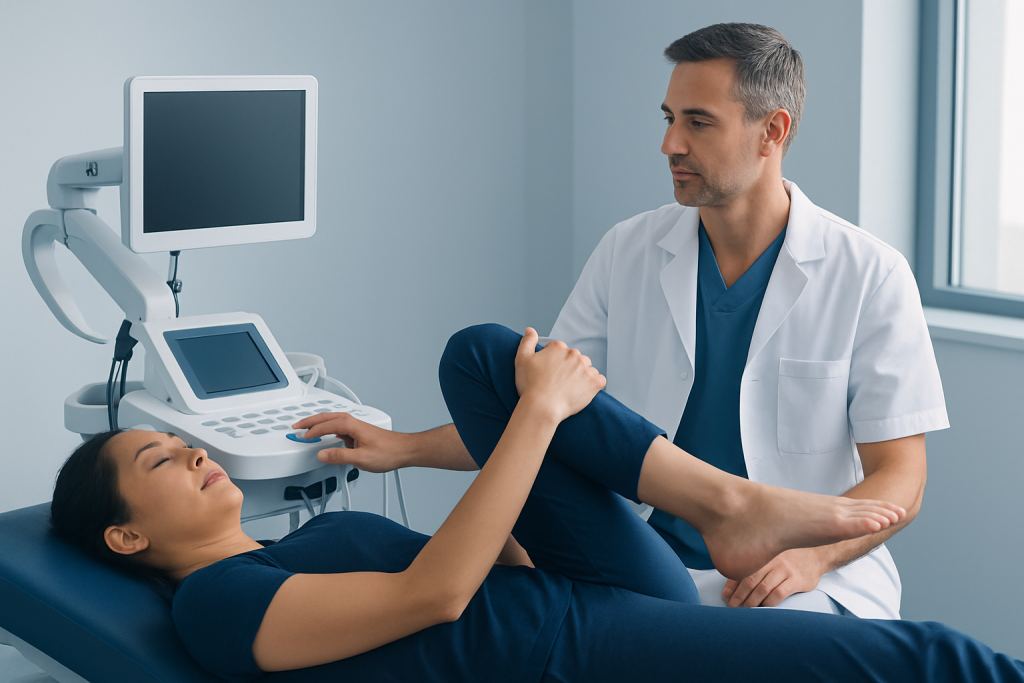
Sciatica often causes a deep ache, sharp pain, burning, or tingling that begins in the lower back, buttock, or hip and travels down the back or side of the leg. Some people feel it only on one side, while others notice a mix of numbness, heaviness, or “electric” sensations when sitting, coughing, bending, or standing for long periods.
Symptoms can change from day to day. A person may feel relatively comfortable while walking, then notice more pain after sitting on a long flight or bending to lift luggage. In other cases, the nerve irritation is mild and appears mainly as stiffness or a pulling feeling rather than strong pain.
Common sciatica-related symptoms include:
- Pain that radiates from the lower back or buttock into the leg
- Tingling, numbness, or pins-and-needles sensations
- Discomfort that worsens with prolonged sitting
- Leg pain that may be sharper than the back pain itself
- Reduced flexibility or guarded movement
Symptoms that affect strength, balance, or bladder and bowel control are not typical and should be assessed urgently.
Causes & Risk Factors

Sciatica usually develops when something irritates one or more nerve roots in the lower spine. A common cause is a herniated or bulging disc pressing on the nerve. Other contributors include spinal narrowing, joint changes related to age, muscle-related compression, or irritation after strain or injury.
Daily habits can also influence symptoms. Long hours of sitting, limited movement, repeated lifting, poor lifting technique, or prolonged driving may increase pressure on sensitive structures in the lower back and pelvis. For travelers, a long-haul journey, heavy carry-on bags, or sleeping in an unfamiliar position can make an already irritated nerve more noticeable.
Risk tends to be higher in people who have had previous episodes of low back pain, physically demanding work, reduced core strength, or certain spinal conditions. Still, sciatica can affect active people and those who exercise regularly, so it is not limited to one lifestyle.
Diagnosis
Diagnosis usually begins with a careful history and physical examination. A clinician will ask where the pain starts, where it travels, what worsens it, and whether there is weakness, numbness, or changes in walking. Simple movements and reflex testing can help show whether the pattern fits sciatic nerve irritation.
Imaging is not always needed right away. Many cases are diagnosed clinically, especially when symptoms are typical and there are no warning signs. If pain is persistent, severe, unusual, or associated with neurological changes, the doctor may recommend MRI or another imaging study to look more closely at the spine and surrounding tissues.
For international patients, diagnosis may also include reviewing previous scans, medications, and treatment attempts from home. Bringing reports, imaging discs, and a list of what has already been tried can make the consultation more efficient and helps the team avoid repeating unnecessary steps.
Treatment Options
Treatment depends on the cause and severity of the nerve irritation. Many cases improve with a combination of relative rest, gentle activity, physical therapy, and pain-relieving measures recommended by a doctor. The aim is usually to reduce inflammation, restore movement, and prevent the body from becoming stiff and guarded.
Stretches may be part of care, but they are best chosen with guidance. A physiotherapist may suggest nerve glides, hip mobility work, hamstring stretches, or piriformis-focused movements depending on the examination. These are usually introduced gradually and stopped if they clearly worsen symptoms.
Helpful treatment approaches may include:
- Targeted physical therapy and home exercise plans
- Heat or cold, depending on what feels soothing and is medically appropriate
- Posture and lifting adjustments
- Short-term medication advised by a clinician, when suitable
- In some cases, injections or surgery if a structural problem is causing ongoing nerve compression
Acibadem Health Point’s multidisciplinary specialists and JCI-accredited hospitals can diagnose and treat sciatica for international patients, with care plans designed to align treatment and follow-up across travel timelines.
Prevention & Self-care
Self-care for sciatica is often less about “pushing through” and more about moving in a way the nerve can tolerate. Gentle walking, frequent position changes, and avoiding long uninterrupted sitting periods can help keep the area from tightening further. If a stretch causes a clear increase in leg pain, numbness, or shooting symptoms, it is usually better to stop and reassess.
When stretching is appropriate, the movement should feel mild and controlled rather than intense. People are often advised to warm up first, breathe steadily, and work within a comfortable range. In a rehab setting, a therapist may build a plan that includes hamstring stretches, hip flexor mobility, glute activation, and core strengthening, all adjusted to the person’s pain pattern.
Practical self-care habits include:
- Standing up and moving regularly during long trips or desk work
- Using a supportive chair and keeping the lower back neutral
- Hinging at the hips rather than rounding the back when lifting
- Maintaining light activity instead of complete bed rest unless advised
- Following the prescribed exercise plan consistently
Recovery can be harder when someone tries to rely on a generic online routine. A tailored program is more likely to help because it takes into account whether the problem is coming from the spine, the hip, or the surrounding muscles.
When to See a Doctor
Medical evaluation is important if the pain lasts more than a short time, keeps returning, or interferes with sleep, walking, or daily tasks. A doctor should also be consulted if home stretching is not helping, or if symptoms seem to be worsening despite reasonable self-care.
Prompt attention is especially important when sciatica is accompanied by new weakness, foot drop, significant numbness, severe unrelenting pain, fever, a recent injury, or changes in bladder or bowel control. These features may indicate a more serious problem that needs immediate assessment.
For people traveling for treatment, it is wise to plan follow-up before returning home. A clear exercise plan, a written summary of findings, and guidance on which symptoms require urgent care can make recovery safer and more predictable once the patient is back in their own country.
What Sciatica Stretches Usually Include
There is no single “best” sciatica stretch for everyone. Instead, clinicians often choose from a small group of movements that address common tight or irritated areas. The right selection depends on whether the person is more limited by spinal stiffness, hamstring tightness, hip tension, or nerve sensitivity.
Examples that may be considered, when appropriate, include gentle knee-to-chest variations, piriformis stretches, hamstring stretches with a relaxed knee, hip flexor stretches, and sciatic nerve gliding exercises. These are usually introduced one at a time so the patient and therapist can tell what helps and what does not.
The most useful rule is simple: stretches should ease symptoms over time, not provoke a sharp increase in leg pain. If the pain “travels farther down the leg,” becomes more intense, or leaves symptoms lingering for hours afterward, the exercise may be too aggressive or the wrong match for the underlying issue.
Frequently asked questions
Do sciatica stretches cure the problem?
Stretches can help reduce tightness and improve comfort, but they do not cure every cause of sciatica. If the nerve is being compressed by a disc, narrowing, or another structural issue, the underlying cause may need more than exercise alone.
Should sciatica stretches hurt?
They should not cause sharp, shooting, or worsening leg pain. A mild pulling sensation may be acceptable, but symptoms should stay controlled and settle soon after the movement ends.
Is walking better than resting for sciatica?
In many cases, gentle walking is preferable to prolonged bed rest. Light movement can help prevent stiffness, but activity should be adjusted if it clearly increases pain.
Can a long flight make sciatica worse?
Yes, prolonged sitting can increase pressure and make symptoms more noticeable. Frequent standing, walking, and posture changes during travel may help reduce discomfort.
When are imaging tests needed for sciatica?
Imaging is usually considered when symptoms are severe, persistent, unusual, or accompanied by weakness or numbness. A clinician decides whether MRI or another test is needed based on the examination.
Can international patients get help with sciatica treatment abroad?
Yes, many patients seek evaluation when local care has not brought relief or when they want a coordinated second opinion. A specialist team can review prior imaging and design a rehabilitation plan that continues after the patient returns home.
References
- National Institute of Neurological Disorders and Stroke
- Mayo Clinic
- Cleveland Clinic
- American Academy of Orthopaedic Surgeons
- World Health Organization
This article is for general information only and is not a substitute for professional medical advice. Please consult a qualified doctor about your individual situation.