

Psoas Muscle: Anatomy and Function

Key Takeaways
- The psoas is a deep muscle that connects the spine to the femur and plays a central role in hip movement and posture.
- Psoas-related pain may feel like lower back, groin, hip, or front-of-thigh discomfort and can sometimes be hard to pinpoint.
- Diagnosis usually starts with a careful history and physical examination, with imaging used when another condition may be involved.
- Treatment often combines rest from aggravating activities, targeted physiotherapy, and gradual strengthening and stretching.
- Most people improve with conservative care, but persistent pain, fever, weakness, or walking difficulty should be assessed by a doctor.
Medically reviewed by the Acıbadem clinical team — August 19, 2026
The psoas muscle is a deep hip flexor that helps the body walk, sit, bend, and stabilize the spine. When it becomes tight, strained, or inflamed, it can contribute to pain in the lower back, hip, groin, or front of the thigh.
Overview
The psoas muscle is one of the body’s deeper stabilizers, running from the lumbar spine through the pelvis and into the upper thigh. It works quietly behind the scenes, helping lift the leg, support the trunk, and coordinate everyday movements such as climbing stairs, rising from a chair, and changing direction while walking.
Because it sits deep in the abdomen and hip region, problems involving the psoas are not always easy to identify. Pain may appear in the lower back, groin, pelvis, or front of the hip, and it can be mistaken for a joint, spine, or abdominal issue. For international patients deciding whether to travel for care, this is one reason a careful orthopedic assessment matters: the source of discomfort is often not where the pain is most strongly felt.
Understanding the psoas muscle begins with understanding its job. It is part of the body’s movement chain, linking the spine, pelvis, and leg. When it becomes overworked, tight, strained, or irritated, the whole chain can feel less balanced.
Symptoms
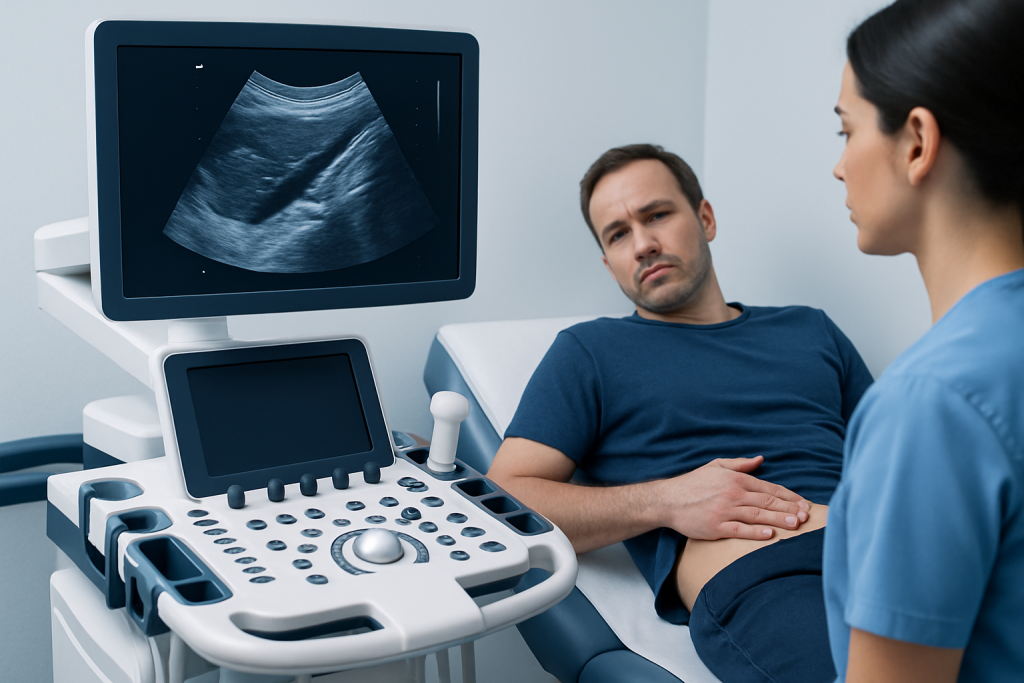
Psoas-related symptoms vary depending on whether the issue is tightness, strain, inflammation, or irritation from another nearby structure. Some people describe a dull ache that builds gradually, while others notice a sharper pain with certain movements, especially when lifting the knee or extending the hip.
Common complaints may include:
- Pain in the lower back, groin, hip, or front of the thigh
- Stiffness after sitting for long periods
- Discomfort when walking uphill, climbing stairs, or getting up from a low seat
- A feeling of reduced hip extension or a “pulled” sensation in the front of the hip
- Pain that worsens when coughing, sprinting, or making sudden movements in some cases
Some people also notice that the body begins to compensate. They may lean forward slightly, shorten their stride, or move more cautiously to avoid aggravating the muscle. If symptoms are severe or accompanied by fever, abdominal pain, numbness, or weakness, another cause may be involved and medical evaluation becomes more important.
Causes & Risk Factors

The psoas can become irritated for several reasons, and these are not always related to a single injury. Repetitive activity is a common theme. Runners, dancers, cyclists, and people who spend long hours seated may place the muscle under ongoing strain, especially if hip mobility or core strength is limited.
Possible causes and contributing factors include:
- Muscle strain from sudden movement, heavy lifting, or overuse
- Prolonged sitting, which can encourage shortening and stiffness
- Weak gluteal and core muscles, making the psoas work harder than intended
- Poor movement mechanics during sport or exercise
- Inflammation or spasm in the hip region
- Less commonly, infection, bleeding, or another medical condition affecting the area
Risk is often higher when activity changes abruptly, such as starting a new training plan, returning to sport after time off, or spending long hours in transit. For people traveling for treatment, long flights or car rides can temporarily worsen tightness, which is why simple movement breaks and gentle stretching are often part of prevention.
Diagnosis
Diagnosis usually starts with a detailed conversation about how the pain began, where it is felt, and which movements make it better or worse. A clinician may ask about recent exercise, work habits, previous injuries, and whether symptoms are affecting walking, sitting, or sleep.
During the physical examination, the doctor may check hip range of motion, posture, muscle strength, and whether specific maneuvers reproduce the pain. Because psoas pain can resemble hip joint, spine, or abdominal problems, the examiner often looks beyond the muscle itself to rule out other causes.
Imaging is not always necessary, but it may be used when the diagnosis is unclear or when a more serious condition needs to be excluded. Depending on the situation, this may include ultrasound, X-ray, MRI, or CT. In selected cases, blood tests or other evaluations may be useful if infection or inflammation is suspected.
Treatment Options
Treatment is usually tailored to the underlying cause. For a simple strain or overuse problem, the first goal is often to reduce irritation while maintaining safe movement. Rest does not necessarily mean complete inactivity; rather, it means stepping back from the actions that trigger pain and allowing the muscle to recover.
Physiotherapy is commonly central to care. A rehabilitation plan may include gentle stretching, core stabilization, hip mobility work, and progressive strengthening of the glutes, abdominals, and surrounding muscles. These exercises help redistribute the workload so the psoas is not carrying too much of the body’s daily demand.
Other treatment approaches may include:
- Activity modification during the healing phase
- Heat or cold application, depending on comfort and timing
- Guided manual therapy as appropriate
- Short-term anti-inflammatory medicine if recommended by a doctor
- Treatment of the underlying condition if the psoas issue is secondary to another problem
When pain is linked to a more complex diagnosis, such as an infection, a significant tear, or a spinal or hip disorder, management can be more specialized. In those situations, treatment may involve a wider medical team so the cause is addressed from more than one angle.
Prevention & Self-care
Daily habits matter more than many people expect. A psoas that is asked to perform while the hips are stiff and the core is underprepared is more likely to complain. Small changes in posture, movement, and recovery can make a meaningful difference over time.
Helpful self-care measures include maintaining regular movement during long sitting periods, warming up before exercise, and building balanced strength in the hips and trunk. Gentle mobility work can be useful, but aggressive stretching should be avoided if it increases pain.
Practical prevention tips:
- Stand up and walk briefly after prolonged sitting or travel
- Increase training intensity gradually rather than all at once
- Include glute and core strengthening in exercise routines
- Pay attention to form during running, lifting, and cycling
- Use supportive recovery habits such as sleep, hydration, and rest days
For people recovering abroad, the same principles apply after returning home. Continuing the home exercise plan, following the physiotherapist’s guidance, and arranging remote follow-up when needed can help keep recovery on track.
When to See a Doctor
Medical evaluation is advisable when pain lasts more than a short period, keeps returning, or limits walking, work, or daily activities. It is also wise to seek assessment if symptoms began after trauma, if there is visible swelling, or if pain is spreading beyond the expected muscle area.
Urgent review is appropriate when psoas-like pain is accompanied by fever, unexplained weight loss, severe abdominal pain, numbness, weakness, difficulty bearing weight, or trouble controlling bladder or bowel function. These signs do not automatically mean something serious, but they do deserve prompt attention.
For patients planning care across borders, the psoas muscle is a good example of why expert evaluation can save time and uncertainty. A precise diagnosis helps avoid unnecessary treatment and makes travel for rehabilitation or specialist review more purposeful. Acibadem Health Point’s multidisciplinary specialists and JCI-accredited hospitals diagnose and treat this condition for international patients, with coordinated care from assessment through follow-up.
Living With Psoas Pain
Recovering from psoas pain often requires patience, because deep hip muscles can take time to settle. Progress is usually measured in small gains: easier stairs, less discomfort after sitting, a longer walking distance, or improved tolerance for exercise.
People often do best when they think beyond the sore spot and look at the movement pattern around it. The psoas may be the area that hurts, but the issue may also involve the way the hips, pelvis, spine, and abdominal muscles are working together.
With the right diagnosis and a plan that matches the actual cause, most patients can return to normal activity. A qualified orthopedic or rehabilitation specialist can help determine whether the discomfort is a temporary overuse problem or part of a broader condition that needs closer attention.
Frequently asked questions
What does the psoas muscle do?
The psoas helps lift the thigh, bend the hip, and stabilize the spine and pelvis during movement. It is especially important for walking, climbing stairs, and changing positions from sitting to standing.
Where is psoas pain usually felt?
Psoas-related pain is often felt in the lower back, groin, front of the hip, or front of the thigh. Because the muscle is deep, the discomfort can sometimes seem vague or difficult to localize.
Can sitting too much affect the psoas muscle?
Yes, prolonged sitting can contribute to stiffness and shortening of the hip flexors, including the psoas. Regular movement breaks and gentle mobility work can help reduce that strain.
How is psoas pain treated?
Treatment commonly includes reducing aggravating activities, physiotherapy, and exercises that restore hip mobility and core strength. If another condition is causing the pain, treatment focuses on that underlying problem.
Is psoas pain the same as a hip problem?
Not always. Psoas pain can mimic hip joint discomfort, but it may also come from the spine, pelvis, or abdomen, which is why a proper examination is important.
When should someone worry about psoas pain?
Persistent pain, fever, weakness, numbness, difficulty walking, or pain after an injury should be assessed by a doctor. These symptoms can point to causes that need timely evaluation.
References
- World Health Organization
- American Academy of Orthopaedic Surgeons
- Mayo Clinic
- Cleveland Clinic
- National Institute of Arthritis and Musculoskeletal and Skin Diseases
This article is for general information only and is not a substitute for professional medical advice. Please consult a qualified doctor about your individual situation.
Joint and spine care in Turkey — expert assessment & treatment
JCI-accredited · board-certified surgeons · reply within 24h
Add us as a Preferred Source to see more of our trusted health content across Google Search, AI Overviews and Discover.
More from the Health Library



Related Specialists

Prof. Dr. Ahmet Alanay
Orthopedic Surgery & Traumatology
Dr. Sinan Aksu
Orthopedic Surgery & Traumatology
Dr. Sirri Baştürk
Orthopedic Surgery & Traumatology
Prof. Dr. Korhan Özkan
Orthopedic Surgery & Traumatology