Prostate Exam

Key Takeaways
- A prostate exam helps clinicians evaluate prostate health and look for changes that may need follow-up.
- It may be combined with a PSA blood test depending on age, symptoms, and risk factors.
- The exam is usually brief and may feel uncomfortable, but it should not be painful.
- Changes in urinary habits, pelvic discomfort, or blood in urine or semen warrant medical review.
- Preparation is usually simple, and patients can ask questions before, during, and after the visit.
A prostate exam is a common part of men’s health care used to assess prostate size, texture, and possible signs of disease. It is usually quick, brief, and performed with privacy and clear explanation from the clinician.
Overview
A prostate exam is a focused medical assessment of the prostate gland, a small organ that sits below the bladder and surrounds part of the urethra. Because the prostate can change with age, inflammation, enlargement, or cancer, the exam is used as one piece of a broader picture of men’s health.
In many visits, the clinician uses a digital rectal exam, often called a DRE, to feel the back surface of the prostate through the rectum. This may be paired with a PSA blood test, depending on the person’s age, symptoms, family history, and overall risk profile. The exact plan is individualized rather than automatic.
For international patients, this kind of evaluation is often arranged during a short outpatient visit or as part of a larger health check. A clear explanation of what will happen, why it is being done, and what follow-up might look like can make the process easier and more reassuring.
Symptoms That May Lead to an Exam
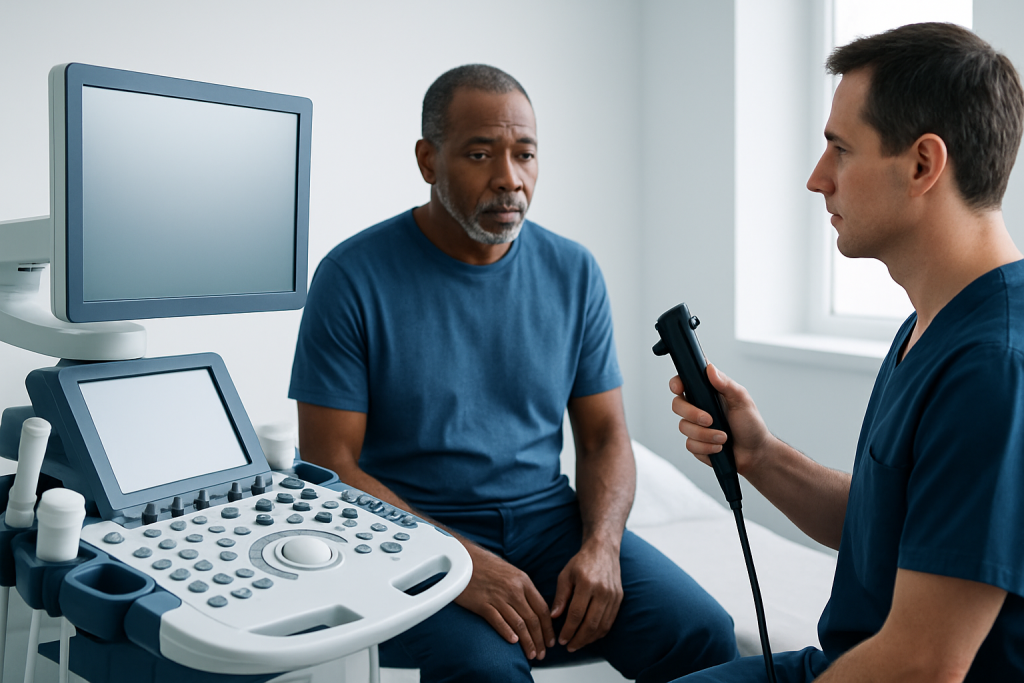
Some prostate exams are done as routine screening in men at certain ages or in those with increased risk. Others are prompted by symptoms that suggest the prostate or nearby urinary tract may need attention. A visit is especially reasonable when a person notices that urination no longer feels normal.
Common reasons to seek assessment include urinary frequency, waking often at night to urinate, weak urine stream, hesitation before urine starts, or a sense that the bladder does not empty completely. Some men also report pelvic discomfort, pain with ejaculation, blood in the urine or semen, or new difficulty maintaining a comfortable flow.
These symptoms do not point to one diagnosis on their own. An enlarged prostate, infection, irritation, bladder conditions, and other causes can overlap, which is why a structured clinical examination matters.
Causes & Risk Factors

The prostate naturally changes over time, and benign enlargement becomes more common with age. This can narrow the urethra and create urinary symptoms, even when there is no cancer. In other cases, inflammation or infection can cause tenderness or discomfort that may be noticed during an exam.
Risk factors influence how often a clinician may recommend a prostate exam or additional testing. A family history of prostate cancer, Black ancestry, older age, and prior abnormal prostate findings can all increase the likelihood that follow-up will be suggested. Lifestyle factors are less direct than these, but overall health still matters for prevention and recovery.
Understanding risk is not about expecting a diagnosis; it is about choosing the right timing and type of evaluation. For many men, the prostate exam becomes a practical way to decide whether symptoms are likely to be monitored, investigated, or treated.
Diagnosis
A prostate exam usually begins with a conversation about symptoms, medications, past medical history, and family history. The clinician may ask about urinary patterns, pain, fever, sexual symptoms, and any prior tests. This context helps determine whether a physical examination alone is enough or whether lab work and imaging are also needed.
The digital rectal exam is typically performed with the patient asked to bend forward or lie on the side. The clinician gently inserts a gloved, lubricated finger into the rectum to feel the prostate for size, firmness, nodules, asymmetry, or tenderness. The process is brief and done with respect for privacy and comfort.
Depending on the findings, the next steps may include a PSA blood test, urine tests, blood work, ultrasound, MRI, or referral to a urologist. An abnormal exam does not automatically mean cancer; it means the prostate deserves a more detailed look.
Treatment Options
A prostate exam itself is diagnostic, not a treatment, but it often guides what care comes next. If the exam suggests benign enlargement, treatment may focus on relieving urinary symptoms through observation, medication, or, in selected cases, procedures recommended by a urologist. If infection is suspected, treatment may involve appropriate medical therapy and follow-up to confirm improvement.
When screening or examination raises concern for cancer, the next steps may include further blood tests, MRI, biopsy, or specialist consultation. Management then depends on the exact diagnosis, tumor characteristics, and the person’s health goals. Some men need active surveillance, while others may be offered surgery, radiation, or other therapies.
Because the right plan varies widely, it is helpful for patients to ask what each possible result means before leaving the clinic. Men traveling for care can also request written instructions for follow-up at home, including how to share reports with their local doctor.
Prevention & Self-care
Not every prostate problem can be prevented, especially those linked to age or inherited risk. Still, general health habits support urinary and prostate wellness. Staying active, maintaining a healthy weight, limiting excess alcohol, and not smoking all contribute to better overall health and may reduce some long-term risks.
Self-care also includes paying attention to urinary changes rather than ignoring them. Men who notice a weaker stream, nighttime urination, discomfort, or blood in urine or semen should arrange an evaluation instead of waiting for symptoms to settle on their own.
- Keep track of urinary symptoms and when they began.
- Bring a list of medicines and supplements to the appointment.
- Ask whether PSA testing is appropriate for your age and risk level.
- Follow up on any abnormal result, even if symptoms improve.
For patients who are visiting from another country, planning ahead matters. Bringing previous test results, imaging reports, and pathology records helps the clinician compare changes over time and avoid unnecessary repetition.
When to See a Doctor
A prostate exam is worth discussing if urinary symptoms are interfering with sleep, work, travel, or daily comfort. It is also important after any new blood in the urine or semen, persistent pelvic pain, painful urination, or a noticeable change in urinary flow. These symptoms do not always signal a serious disease, but they should not be brushed aside.
Immediate medical attention is needed if urination becomes completely impossible, fever develops with urinary symptoms, or pain becomes severe. Men with a strong family history of prostate cancer, or those who have never had a discussion about screening but are entering the usual age range, may benefit from an early conversation with a clinician.
For international patients seeking coordinated care, Acibadem Health Point’s multidisciplinary specialists and JCI-accredited hospitals diagnose and treat prostate conditions for international patients, with attention to clear communication and follow-up planning. That kind of organized approach can be especially helpful when testing begins in one country and recovery continues in another.
Living With the Results
The result of a prostate exam is often less dramatic than patients fear. A normal exam may simply provide reassurance and a baseline for future visits. If the findings are not normal, the value lies in earlier clarification rather than in guessing what the change means.
Men sometimes feel embarrassed asking what the next step should be, especially after a first exam. In practice, good care depends on straightforward questions: What was felt? Is follow-up needed? Should PSA be repeated? Would a urology referral help? A clear plan reduces uncertainty.
Whether the issue turns out to be enlargement, inflammation, or something that needs more testing, timely evaluation usually makes choices easier. The prostate exam is best understood as a practical health check that supports informed decisions, not as a test to fear.
Frequently asked questions
What is a prostate exam used for?
A prostate exam helps a clinician assess the size, shape, and texture of the prostate and look for signs of enlargement, inflammation, or other changes. It is often part of the evaluation of urinary symptoms or preventive screening discussions.
Is a prostate exam painful?
Most men find it uncomfortable rather than painful, and it is usually very quick. If pain is significant, the clinician should know, since that may suggest inflammation or another issue that needs attention.
What is the difference between a prostate exam and a PSA test?
A prostate exam is a physical examination, usually done through the rectum. A PSA test is a blood test that measures a prostate-related protein, and the two are sometimes used together to provide a fuller picture.
Do all men need a prostate exam every year?
No, the need and timing depend on age, symptoms, family history, and overall risk. Screening plans are individualized, so it is best to discuss the most appropriate approach with a qualified doctor.
How should someone prepare for the exam?
Preparation is usually simple, and no special fasting is needed in most cases. It helps to share symptoms, recent test results, and a list of medications or supplements before the visit.
What happens if the exam is abnormal?
An abnormal finding does not automatically mean cancer. It usually means the clinician may recommend additional testing such as PSA, urine studies, imaging, or referral to a urologist for a closer look.
References
- U.S. Preventive Services Task Force
- National Cancer Institute
- American Urological Association
- Mayo Clinic
- World Health Organization
This article is for general information only and is not a substitute for professional medical advice. Please consult a qualified doctor about your individual situation.