Penile Implant Surgery: Who Is a Good Candidate After Other ED Treatments Fail

Key Takeaways
- Penile implant surgery is generally reserved for erectile dysfunction that has not responded well to other treatments.
- Good candidates are usually men who are medically stable, understand the procedure, and have realistic expectations.
- Implants do not treat desire, orgasm, or fertility; they are designed to create an erection suitable for sexual activity.
- A detailed preoperative assessment helps match the implant type and surgical plan to the person’s health needs and goals.
- Recovery includes wound care, activity limits, and follow-up, especially important for international patients planning travel around treatment.
Penile implant surgery is usually considered when erectile dysfunction has not improved with medicines or other non-surgical treatments, and a man wants a reliable, long-term option. A careful evaluation helps identify who may benefit most and what the recovery journey may involve.
Overview
When erectile dysfunction becomes persistent, it can affect confidence, relationships, and a man’s sense of privacy and control. For some men, tablets, injections, vacuum devices, or lifestyle changes provide enough improvement. For others, these options are not effective, not tolerated, or no longer practical. Penile implant surgery is one of the most reliable treatments in that situation.
A penile implant, also called a penile prosthesis, is a device placed inside the penis during surgery. It is designed to create an erection suitable for sexual activity when needed. It is not usually the first treatment tried, but it can be a very reasonable next step for men who want a more dependable solution after other erectile dysfunction treatments have failed.
The question is not simply whether surgery exists, but whether it fits the person’s overall health, goals, and expectations. A good candidate is someone who has had a thorough medical review, understands the benefits and limits of the procedure, and is ready for the recovery process and follow-up care.
Symptoms and Signs That ED May Need a New Approach
Erectile dysfunction is often noticed as difficulty getting an erection, difficulty keeping one long enough for sex, or erections that are not firm enough for penetration. Some men experience these changes only occasionally. Others notice a gradual, persistent pattern that becomes more frequent over time.
It is important to remember that erectile dysfunction can have more than one cause. Circulation problems, diabetes, hormone imbalance, nerve injury, pelvic surgery, medication effects, stress, relationship strain, and smoking can all play a role. A man may also have morning erections but still struggle during sexual activity, which can suggest that both physical and psychological factors are involved.
Penile implant surgery is usually considered when these symptoms continue despite appropriate treatment attempts. In practice, this often means a man has already tried one or more of the following without satisfactory results:
- Oral medicines for erectile dysfunction
- Penile injections or urethral medication
- Vacuum erection devices
- Treatment of underlying health conditions
- Counseling or sex therapy when stress or anxiety is part of the picture
The decision is less about how long symptoms have been present and more about whether other reasonable treatments have failed, caused side effects, or do not match the person’s needs.
Causes and Risk Factors
Men who consider a penile implant often have erectile dysfunction related to a medical condition that is unlikely to improve enough with simple measures alone. Diabetes is a common example because it can affect blood vessels and nerves over time. Other frequent contributors include cardiovascular disease, pelvic surgery, spinal cord injury, and conditions that affect hormone levels or blood flow.
Risk factors for erectile dysfunction do not automatically mean surgery is needed, but they help explain why other treatments may not work well. Smoking, obesity, poorly controlled blood sugar, high blood pressure, and some medications can make erections more difficult. Emotional health also matters; anxiety, depression, and relationship stress can complicate symptoms even when a physical cause is present.
For penile implant surgery, the important question is not only what caused the erectile dysfunction, but whether the man is healthy enough for an operation and likely to benefit from a mechanical solution. Surgeons also consider whether there is active infection, uncontrolled medical illness, severe bleeding risk, or a condition that would make healing difficult.
Men who have Peyronie’s disease, previous pelvic surgery, or nerve injury may still be candidates. In fact, some of these men benefit from an implant because it can address both rigidity problems and, in selected cases, curvature-related challenges. The final decision depends on a tailored assessment rather than a single diagnosis.
How Doctors Decide if Someone Is a Good Candidate
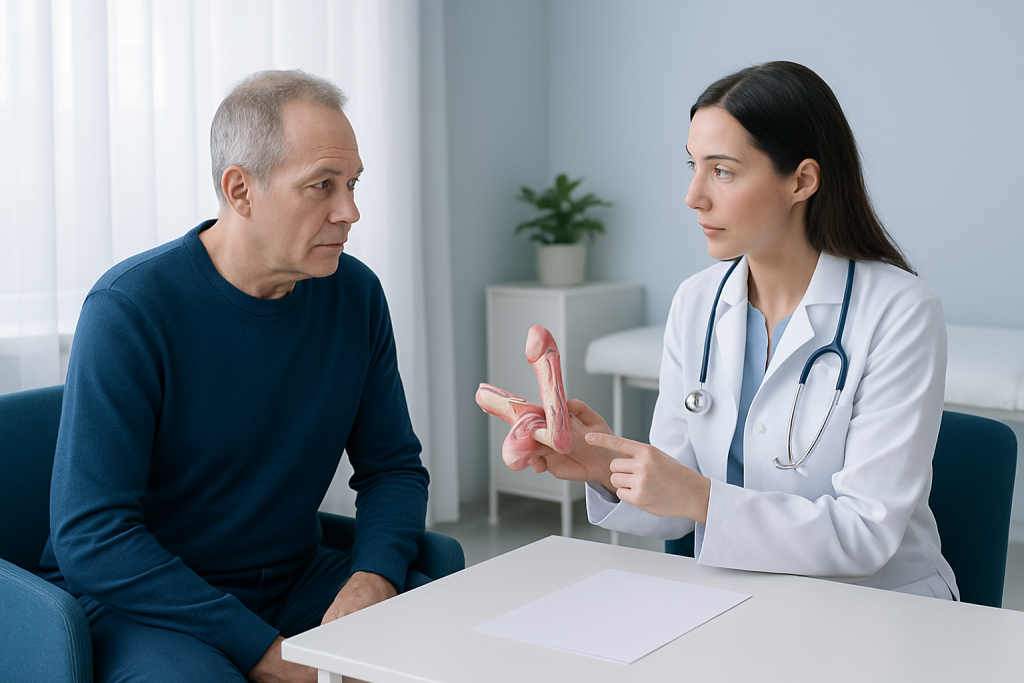
Candidate evaluation begins with a careful medical history and an honest discussion of what has already been tried. A doctor will usually ask how long the erection problem has been present, which treatments were attempted, whether they helped, and whether side effects or practical issues became barriers. This conversation also includes sexual goals, relationship concerns, and what the man hopes surgery will change.
A physical examination and selected tests help identify whether the erectile dysfunction is likely to be responsive to other treatments or whether surgery may be the most sensible option. Blood tests may be used to check for diabetes, hormone problems, or other health issues. The doctor may also review medications and cardiovascular fitness for surgery.
A good candidate typically has several of these features:
- Persistent erectile dysfunction despite appropriate non-surgical treatment
- Clear understanding that the implant creates an erection but does not increase sexual desire
- Realistic expectations about appearance, sensation, and recovery
- Ability to follow postoperative instructions and attend follow-up visits
- Medical stability and no active infection
Some men are not ideal candidates right away and may need health conditions optimized first. Others may decide that a penile implant is not the right match after discussing all available choices. That is a normal and useful part of decision-making, not a setback.
Treatment Options and What Penile Implant Surgery Involves
Penile implant surgery usually comes after less invasive treatments have been tried or considered. The main implant types are inflatable devices and malleable rods. Inflatable implants are often preferred by men who want a more natural-feeling erection and a penis that can be returned to a flaccid state afterward. Malleable implants are simpler in design and may be useful in certain situations where ease of use is especially important.
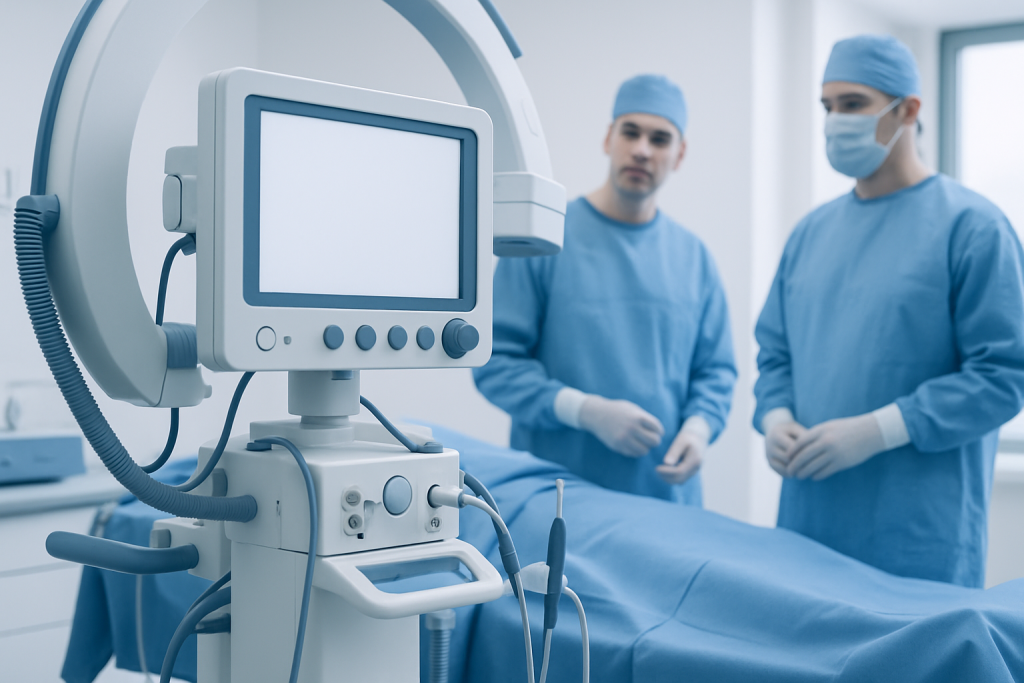
The surgery is performed in an operating room under anesthesia. The surgeon places the device inside the penis through a carefully planned incision and confirms that it functions correctly before closing the wound. The goal is to restore the ability to have an erection on demand, not to replace normal tissue sensation or fertility.
Recovery usually involves some discomfort, swelling, and activity restrictions at first. Men are often advised to avoid sexual activity until the surgeon says healing is sufficient and the device can be used safely. Follow-up visits are important so the team can check wound healing, teach the man how to use the implant if needed, and look for early signs of complications.
Like any surgery, penile implant placement has potential risks, including infection, bleeding, pain, device malfunction, or the need for revision in the future. These risks are discussed before surgery so that the decision is based on a clear understanding of the trade-offs. For many appropriately selected men, the device offers a dependable option after years of frustration with other treatments.
Prevention and Self-care
Self-care does not replace treatment once erectile dysfunction is established, but it can support better results and may help protect overall sexual health. Men who are still deciding about surgery often benefit from optimizing blood sugar, blood pressure, and heart health. Quitting smoking, limiting alcohol, staying physically active, and maintaining a healthy weight may improve circulation and general recovery capacity.
Emotional wellbeing matters as well. Erectile dysfunction can create pressure that affects intimacy, communication, and confidence. Open discussion with a partner and with a qualified clinician can reduce the sense of isolation that sometimes surrounds the topic. If anxiety, low mood, or relationship tension is significant, counseling can be a useful part of care even when surgery is being considered.
For men who choose a penile implant, practical self-care after surgery is essential. This includes following wound-care instructions, taking prescribed medications as directed, avoiding heavy lifting until cleared, and keeping scheduled follow-up appointments. If the trip for treatment involves international travel, planning a comfortable recovery window before returning home is especially important, since the first postoperative visit and early guidance can shape the rest of the healing process.
When to See a Doctor
A medical review is appropriate when erectile dysfunction is ongoing, worsening, or affecting quality of life. It is especially useful to seek evaluation if oral medication has not worked, side effects have limited its use, or a man has an underlying condition such as diabetes, pelvic surgery history, or nerve injury.
Doctors should also be involved before considering any surgical treatment, because not every erection problem needs an implant. A specialist can help distinguish temporary or reversible causes from more persistent problems and explain whether further non-surgical treatment is still worthwhile. This step is valuable even for men who have already decided they want a more durable solution.
After surgery, prompt medical attention is needed for fever, increasing redness, drainage, worsening pain, inability to use the device as instructed, or any concern that the wound is not healing normally. In the right hands, penile implant surgery is a planned, carefully timed procedure rather than an emergency. Acibadem Health Point’s multidisciplinary specialists and JCI-accredited hospitals can diagnose and treat this condition for international patients who are exploring structured care abroad.
Travel, Recovery, and Follow-up for International Patients
Men traveling for penile implant surgery often need more planning than they expect. The operation itself is only one part of the process; there is also the postoperative period, when swelling settles, instructions are reviewed, and the surgeon checks healing before sexual activity is resumed. A thoughtful travel plan should leave enough time in the destination country for early follow-up and any adjustment in care.
International patients may find it helpful to arrange records in advance, including previous erectile dysfunction treatments, medication lists, prior surgery reports, and recent lab results if available. This allows the treating team to evaluate candidacy more efficiently and reduces delays once the patient arrives. It also supports continuity when the patient returns home and needs local follow-up.
Because comfort and privacy matter, recovery planning should include practical details such as escort support, mobility after surgery, and a clear understanding of when the patient may fly home. The treating team can guide timing based on the individual’s healing, the surgical approach, and any additional medical concerns.
Frequently asked questions
What makes someone a good candidate for penile implant surgery?
A good candidate usually has erectile dysfunction that has not improved with other treatments and wants a dependable long-term solution. The person should be medically stable, understand how the implant works, and have realistic expectations about recovery and results.
Does a penile implant increase sexual desire?
No. A penile implant creates a mechanically controlled erection, but it does not change libido, orgasm, or fertility. If low desire is a concern, a doctor may look for hormone, medication, or emotional factors as well.
Are penile implants only for older men?
No. Age alone does not determine candidacy. Younger men with diabetes, injury, or severe erectile dysfunction may also be considered if other treatments have not worked and surgery is appropriate.
How long does recovery usually take?
Recovery varies, but men generally need time for swelling and tenderness to settle before using the device. The surgeon gives specific guidance on activity, wound care, and when sexual activity may resume.
Can an implant be removed later if needed?
Yes, in some cases a penile implant can be revised or removed, but this depends on the reason and the man’s medical situation. Any future surgery should be discussed with a urologist experienced in penile prosthesis care.
Will the implant feel completely natural?
It can provide a very functional erection, but it does not fully recreate natural tissue. Many men are satisfied with the reliability and control it offers, especially after other treatments have failed.
References
- Mayo Clinic
- Cleveland Clinic
- American Urological Association
- National Institute of Diabetes and Digestive and Kidney Diseases
- National Health Service
This article is for general information only and is not a substitute for professional medical advice. Please consult a qualified doctor about your individual situation.