Circumcision for Adults: What Changes the Recovery, Comfort, and Healing Timeline

Key Takeaways
- Recovery is often gradual, with swelling, tenderness, and sensitivity improving over days to weeks.
- Healing time can differ based on age, health conditions, technique used, and wound care habits.
- Keeping the area clean and avoiding friction are usually central to a smoother recovery.
- Sexual activity and strenuous exercise are generally resumed only after a clinician confirms healing is adequate.
- Medical advice should be sought promptly for heavy bleeding, fever, worsening pain, or signs of infection.
Adult circumcision can have a predictable recovery, but comfort and healing times vary depending on the surgical technique, personal health, and how closely aftercare instructions are followed. Understanding the usual timeline helps patients prepare for everyday activities, travel, and follow-up with confidence.
Overview
Adult circumcision is a surgical procedure in which the foreskin is removed from the penis. For many men, the decision is made for medical, personal, cultural, or religious reasons. The experience after surgery is often the part people think about most, because recovery shapes how quickly normal routines, travel plans, work, and intimacy can be resumed.
The healing process is usually straightforward, but it is not identical for everyone. Some men notice only mild discomfort and steady improvement, while others need a little more time for swelling, sensitivity, and skin healing to settle. The exact timeline depends on several factors, including the surgical method, the body’s natural healing response, and how carefully the aftercare instructions are followed.
For international patients, recovery planning matters even more. Someone who is travelling for the procedure may need a clear idea of when it is safe to fly, walk long distances, return to work, or attend a follow-up visit. A practical understanding of the healing stages helps set realistic expectations and supports a calmer recovery.
What Recovery Usually Feels Like
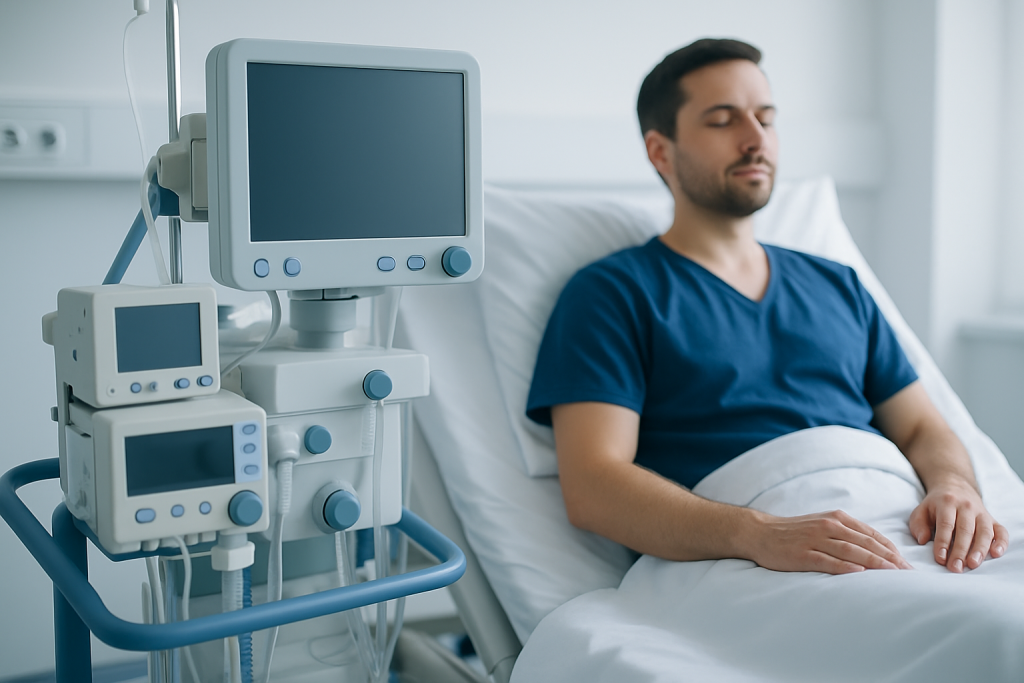
In the first few days after adult circumcision, the area commonly feels tender, swollen, and sensitive to touch. Mild bruising or a small amount of spotting on the dressing can also occur. These early changes are part of normal healing and usually improve as the incision begins to close.
Comfort often changes in phases. During the first week, the main challenge is often managing swelling and protecting the area from rubbing against clothing. As the wound closes, the discomfort may lessen, but the skin can remain sensitive for longer, especially during movement, erections, or when the penis brushes against fabric.
The emotional side of recovery matters too. Some patients feel impatient or uncertain when the healing pace seems slow, especially if they are used to active work or travel. Reassurance from the surgical team, along with clear instructions for hygiene and dressing care, can make the process feel more manageable.
Causes & Risk Factors for a Slower Healing Timeline

Several factors can make adult circumcision recovery feel longer or more uncomfortable. A more extensive surgical technique may create a larger wound surface, while an already inflamed or scarred foreskin can make tissue handling more delicate. The body’s baseline healing ability also plays a part.
Certain health issues may slow recovery or increase the chance of irritation. Diabetes, smoking, poor circulation, obesity, and immune system conditions can all affect wound healing. People who have had previous infections or skin problems in the genital area may also need closer monitoring after surgery.
Day-to-day habits can influence healing as well. Tight clothing, heavy physical work, early sexual activity, vigorous exercise, and insufficient rest can all increase friction or strain on the incision. In patients travelling from another country, long journeys, limited access to rest, or difficulty attending follow-up appointments can also complicate the recovery period.
- Medical conditions that affect circulation or immunity
- Smoking and other habits that slow tissue repair
- High friction from exercise, work, or clothing
- Previous scarring, inflammation, or infection
- Delayed or inconsistent aftercare
Diagnosis and Pre-Procedure Assessment
Before circumcision, a clinician usually reviews the reason for surgery, examines the foreskin and surrounding skin, and checks whether any active infection, irritation, or other condition should be treated first. In adult patients, the consultation also helps determine whether the procedure is likely to be routine or whether additional planning is needed.
Preoperative assessment may include questions about medications, allergies, bleeding problems, diabetes, past surgeries, and sexual or urinary symptoms. If a patient is travelling for care, the team may also discuss timing, the likely recovery window, and whether a short stay in the destination country is advisable before flying home.
A clear plan before surgery reduces uncertainty afterward. When patients know what kind of dressing to expect, how to clean the area, and which symptoms are normal, they are better prepared to respond calmly during the first days of healing. That preparation is especially helpful for people coordinating care from abroad.
Treatment Options
Adult circumcision is performed using surgical techniques chosen by the surgeon based on anatomy, medical need, and preferred approach. The operation is typically done under local anesthesia, regional anesthesia, or sometimes general anesthesia, depending on the situation. The aim is to remove the foreskin safely while supporting good healing and acceptable cosmetic outcome.
After the procedure, recovery is guided by wound care rather than medication alone. Patients are commonly advised to keep the area clean and dry, change dressings as directed, and wear supportive, loose-fitting underwear to reduce friction. Pain control is usually based on standard clinician recommendations, and the specific medicine plan should always be individualized by the treating doctor.
If swelling, discomfort, or a small wound separation develops, the surgeon may recommend closer observation or a reassessment of the site. In many cases, minor issues settle with time and simple measures. More significant problems, such as infection or persistent bleeding, need medical evaluation so that healing does not become delayed.
- Appropriate anesthesia and surgical technique
- Dressings and hygiene guidance
- Pain relief measures recommended by the clinician
- Activity limits to protect the incision
- Follow-up checks to confirm healthy healing
How the Healing Timeline Commonly Unfolds
Although every patient heals at a different pace, the recovery process often follows a general pattern. In the earliest period, the focus is on controlling swelling, protecting the wound, and avoiding anything that stretches or rubs the incision. During this stage, the penis may appear red or puffy, which is usually expected.
Over the next couple of weeks, the incision edges typically begin to seal more firmly, and tenderness gradually decreases. Sensitivity can still be noticeable, particularly during erections or while wearing certain clothing. Some men find that the skin feels unusually exposed at first because the foreskin no longer covers the glans, and this sensation usually becomes less noticeable over time.
Full healing can take longer than the first visible improvements suggest. Even when the wound looks closed, deeper tissue repair continues in the background. Returning to exercise, travel routines, and sexual activity should be based on the surgeon’s advice rather than appearance alone, because visible closure does not always mean the tissue has regained full strength.
Prevention & Self-care During Recovery
Good self-care after adult circumcision is usually simple, but consistency matters. Keeping the area clean according to instructions, changing dressings properly, and avoiding friction can all help the incision heal without unnecessary irritation. Many patients also find that planning extra rest time in the first week makes recovery more comfortable.
It is generally sensible to avoid soaking the area until the clinician says it is safe, and to use only products that have been approved by the care team. Activities that put pressure on the penis, such as intense cycling, heavy gym work, or sexual contact, are typically postponed until healing is clearly advanced. For travellers, it can be helpful to arrange the trip home only after the surgeon confirms that flying or long-distance travel is reasonable.
Small habits can make a meaningful difference. Loose clothing reduces rubbing, adequate hydration supports general healing, and keeping follow-up appointments allows the surgeon to check that the wound is progressing normally. If the patient is recovering in another country, written instructions and a contact number for questions can provide extra reassurance.
- Follow wound-care instructions exactly as given
- Wear clothing that reduces friction
- Rest more during the first days after surgery
- Delay strenuous exercise and sexual activity until cleared
- Attend follow-up visits, especially after travelling for care
When to See a Doctor
Most recovery concerns are mild and temporary, but certain changes deserve prompt medical attention. A patient should contact the surgical team if bleeding does not stop with gentle pressure, pain becomes worse instead of better, or the incision appears increasingly red, hot, swollen, or foul-smelling. Fever or chills are also important warning signs.
It is also wise to seek help if urination becomes difficult, the wound opens, or there is a sudden change in appearance that causes concern. Even when the issue turns out to be minor, early review can prevent delay in healing and reduce worry. Patients should not wait for a scheduled follow-up if symptoms are escalating.
For men who travelled for the procedure, it is especially useful to know whom to contact if concerns arise after returning home. A clear follow-up plan, including instructions for local medical support if needed, helps recovery continue safely across borders. Acibadem Health Point’s multidisciplinary specialists and JCI-accredited hospitals diagnose and treat this condition for international patients, with follow-up arranged in a way that supports continuity of care.
Frequently asked questions
How long does adult circumcision recovery usually take?
The first noticeable improvement often happens over the first one to two weeks, but complete healing may take longer. The exact timeline depends on the surgical technique, the patient’s general health, and how well aftercare instructions are followed.
Is pain normal after adult circumcision?
Yes, some discomfort, tenderness, and swelling are expected early on. Pain should gradually improve rather than worsen, and severe or increasing pain should be reviewed by a doctor.
When can sexual activity be resumed?
Sexual activity is usually delayed until the surgeon confirms that the incision has healed adequately. This is important because early friction or stretching can reopen the wound and prolong recovery.
Can a patient shower after the procedure?
Showering is often allowed once the care team says it is safe, but the wound should be handled gently. Soaking in a bath, pool, or hot tub is typically avoided until the incision has closed well enough.
What can make healing slower than expected?
Smoking, diabetes, infection, too much activity, and friction from clothing can all slow healing. Poor wound care or missed follow-up visits may also delay recovery.
Should adults planning to travel for circumcision stay longer after surgery?
Often, yes, at least long enough for an initial review and to confirm that early healing is progressing normally. The surgeon can advise when it is safe to fly or travel long distances based on the individual case.
References
- National Health Service (NHS)
- Mayo Clinic
- Urology Care Foundation
- Cleveland Clinic
This article is for general information only and is not a substitute for professional medical advice. Please consult a qualified doctor about your individual situation.