Enlarged Prostate Treatment

Key Takeaways
- An enlarged prostate is common with aging and is not the same as prostate cancer.
- Treatment depends on how much the symptoms affect daily life, sleep, and bladder emptying.
- Medicines, minimally invasive procedures, and surgery can all be effective options.
- Lifestyle changes may ease symptoms but do not replace medical assessment when warning signs appear.
- Men traveling for care should plan follow-up, medication access, and recovery time before returning home.
An enlarged prostate, also called benign prostatic hyperplasia (BPH), is a common non-cancerous condition that can affect urination and quality of life. Treatment is tailored to symptoms, test results, and personal preferences, ranging from watchful waiting and medicines to minimally invasive procedures or surgery.
Overview
An enlarged prostate is one of the most common reasons men begin noticing changes in urinary habits later in life. The condition is usually caused by benign prostatic hyperplasia, or BPH, which means the prostate gland grows larger without being cancerous.
The prostate sits below the bladder and surrounds the urethra, the tube that carries urine out of the body. When it enlarges, it can press on that passage and make urination slower, less comfortable, or more frequent. The degree of enlargement does not always match the severity of symptoms, so treatment decisions are usually based on how the person feels and what tests show.
For many men, the first step is understanding whether the symptoms are mild and manageable or whether they are starting to interrupt sleep, work, travel, or confidence in daily routines. A good treatment plan aims to improve urinary flow, protect bladder and kidney health, and match the person’s goals and lifestyle.
Symptoms
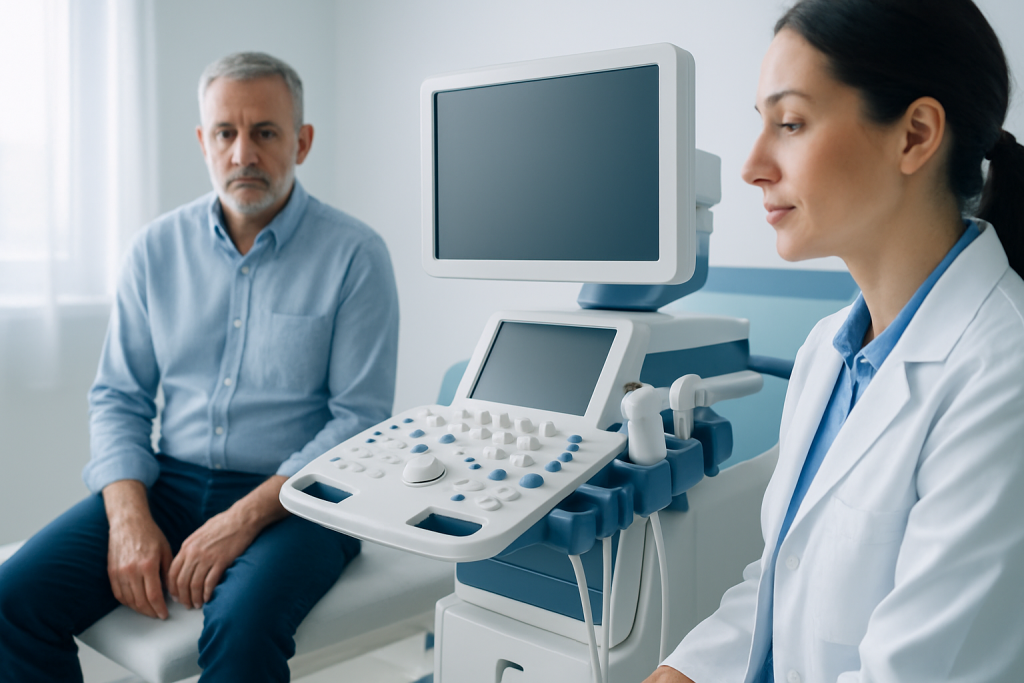
BPH symptoms often develop gradually, which is why many men adapt to them before realizing how much the condition has changed their routine. Common signs include a weak urine stream, difficulty starting urination, dribbling after finishing, or the feeling that the bladder has not fully emptied.
Other symptoms can include getting up at night to urinate, needing to urinate more often during the day, or feeling a sudden urge that is hard to delay. Some men also notice that they spend longer in the bathroom or avoid long meetings, travel, or sleepovers because they are unsure when they will need a restroom.
- Weak or interrupted urine flow
- Urgency and frequency
- Night-time urination
- Straining to begin urination
- Incomplete bladder emptying
Severe symptoms can sometimes lead to urinary retention, bladder infections, or repeated disruption of sleep and daily activities. When symptoms begin to change quickly, it is important to seek medical evaluation rather than assuming they are just a normal part of aging.
Causes & Risk Factors

The exact reason the prostate enlarges is not fully understood, but age and hormone-related changes are strongly linked. BPH is much more common as men get older, especially after midlife, although not every enlarged prostate causes bothersome symptoms.
Family history can play a role, and certain health factors may increase the chance of urinary problems being more noticeable. Obesity, lack of physical activity, diabetes, heart disease, and some medicines may worsen urinary symptoms or make them harder to manage.
It is also useful to remember that an enlarged prostate is not the only possible cause of urinary changes. Bladder conditions, urinary tract infection, prostate inflammation, neurological problems, and prostate cancer can sometimes produce similar complaints, which is why a proper evaluation matters.
Diagnosis
Diagnosis usually begins with a discussion of symptoms, how long they have been present, and how they affect sleep, work, travel, and quality of life. A doctor may ask about fluid intake, caffeine or alcohol use, medications, and any history of urinary infections or kidney problems.
The physical examination often includes a digital rectal exam to assess the prostate. Depending on the situation, tests may also include a urine test, blood tests such as kidney function and PSA when appropriate, a bladder scan to check how much urine remains after voiding, and sometimes ultrasound or flow testing.
These tests help determine whether the symptoms are likely due to BPH and whether the bladder is emptying safely. For international patients, organizing test results into a clear summary before traveling home can make follow-up much easier with a local doctor.
Treatment Options
Enlarged prostate treatment is chosen based on symptom severity, bladder emptying, the presence of complications, and the person’s preferences. Men with mild symptoms may not need immediate intervention and can be monitored over time, while others may benefit from medication or a procedure sooner.
Medicines are often the first active treatment. Alpha blockers can help relax the muscles around the prostate and bladder neck, making urination easier, while 5-alpha reductase inhibitors may reduce prostate size over time in selected patients. In some cases, doctors use combination therapy or other medicines depending on symptom pattern and overall health.
When medicines are not enough, or when there are complications such as repeated retention, recurrent infections, stones, or kidney concerns, minimally invasive procedures or surgery may be considered. Options can include techniques that remove or shrink prostate tissue, and the best choice depends on prostate size, anatomy, bleeding risk, and recovery goals.
Common treatment paths may include:
- Watchful waiting with regular review
- Prescription medicines for urinary symptoms
- Minimally invasive office or hospital procedures
- Surgical treatment when symptoms are severe or persistent
A surgeon or urologist may discuss expected recovery time, catheter needs, and when normal activities can resume. Men planning treatment abroad should ask in advance how follow-up will be arranged after they return home, especially if medication adjustments or post-procedure checks are likely.
Prevention & Self-care
There is no guaranteed way to prevent prostate enlargement, but practical habits can reduce symptom burden and support bladder comfort. Many men notice improvement by limiting fluids late in the evening, reducing caffeine and alcohol if these worsen urgency, and taking time to empty the bladder fully.
Constipation can make urinary symptoms worse, so fiber, hydration earlier in the day, and regular movement may help. Some cold medicines and decongestants can aggravate urinary retention, so it is wise to ask a doctor or pharmacist before using them if BPH symptoms are already present.
Self-care is most helpful when it supports, rather than replaces, medical care. Keeping a symptom diary, noting nighttime urination, and recording any side effects from medicines can give the doctor a clearer picture of what is working and what is not.
When to See a Doctor
A medical review is appropriate when urinary symptoms are persistent, bothersome, or gradually worsening. Men should not wait for the problem to become severe before asking for help, especially if sleep, travel, intimacy, work, or exercise are being affected.
Prompt assessment is especially important if there is blood in the urine, pain, fever, inability to pass urine, new back pain, or a feeling of bladder fullness that does not improve. These signs may point to a complication or to a condition other than BPH that needs attention.
For men considering treatment in another country, it helps to arrive with recent test results, a medication list, and a plan for local follow-up. Acibadem Health Point’s multidisciplinary specialists and JCI-accredited hospitals diagnose and treat enlarged prostate conditions for international patients with coordinated care from consultation through recovery.
Living Well After Treatment
Recovery after enlarged prostate treatment depends on the method used, but most men benefit from clear instructions about activity, hydration, and what symptoms are expected during healing. Temporary changes such as urinary frequency, burning, or light blood in the urine can happen after some procedures and should be reviewed if they are prolonged or severe.
Follow-up is important because symptom relief can improve over time, and medicine plans may need to be adjusted after a procedure. Men returning home after treatment should know who to contact if questions arise, how to obtain prescriptions, and when to arrange a check-in with a local urologist.
Living well with BPH often means combining medical guidance with small daily habits that make urination more predictable. With the right plan, many men regain better sleep, fewer interruptions, and greater confidence in everyday routines.
Frequently asked questions
Is an enlarged prostate the same as prostate cancer?
No. An enlarged prostate is usually benign prostatic hyperplasia, which is non-cancerous. However, because some symptoms can overlap, a doctor may recommend tests to rule out other conditions when needed.
Do all men with an enlarged prostate need treatment?
No. Mild symptoms may be monitored without immediate medicine or procedures. Treatment is usually recommended when symptoms become bothersome, sleep is affected, or there are complications.
Which medicines are commonly used for BPH symptoms?
Doctors often use medicines that relax the prostate and bladder neck, or medicines that may gradually shrink the prostate in selected men. The best choice depends on symptoms, prostate size, blood pressure, and other health factors.
When is surgery considered for an enlarged prostate?
Surgery is usually considered when symptoms remain severe despite treatment or when there are complications such as urinary retention, recurrent infections, bladder stones, or kidney problems. The specific procedure depends on prostate size and overall health.
Can lifestyle changes alone treat an enlarged prostate?
Lifestyle changes can reduce discomfort and help with bladder habits, but they do not cure BPH. They work best as part of a broader treatment plan guided by a doctor.
What should international patients bring to a consultation?
It helps to bring recent test results, a list of medicines, allergy information, and a summary of urinary symptoms. This makes it easier for the medical team to recommend the right treatment and plan follow-up after travel.
References
- National Institute of Diabetes and Digestive and Kidney Diseases
- American Urological Association
- NHS
- Mayo Clinic
- European Association of Urology
This article is for general information only and is not a substitute for professional medical advice. Please consult a qualified doctor about your individual situation.