Do Women Have A Prostate

Key Takeaways
- Women do not have a typical male prostate, but they do have Skene’s glands near the urethra.
- These glands may play a small role in lubrication and urinary health, and they can sometimes become inflamed or infected.
- Symptoms such as pain, discharge, urinary discomfort, or a pelvic lump should be assessed by a doctor.
- Diagnosis may include a pelvic exam, urine testing, imaging, or other evaluation depending on symptoms.
- Treatment depends on the cause and may include observation, medication, drainage, or surgery in selected cases.
Women do not have a prostate in the same way men do, but they do have small glands near the urethra called Skene’s glands, sometimes referred to as the female prostate. Understanding this anatomy can help explain certain urinary, pelvic, and sexual symptoms, and guide the right kind of medical evaluation.
Overview
The question “Do women have a prostate?” comes up often because the answer is not a simple yes or no. Women do not have the same walnut-sized prostate gland that is found in men, but they do have small glands near the urethra known as Skene’s glands, or paraurethral glands. In medical discussions, these structures are sometimes described as the female prostate because they share some tissue features with the male prostate.
For most women, these glands are not something they ever notice. They are small, and they usually do their work quietly. Still, because they sit close to the urinary opening, they can be involved in symptoms such as pain, irritation, discharge, recurrent urinary complaints, or a small tender lump near the urethra. Knowing about them can make symptoms feel less mysterious and can help a doctor decide what needs to be checked.
This topic is especially relevant for international patients who may be comparing symptoms described in different countries or trying to understand a diagnosis received while traveling. The anatomy is the same everywhere, but the terminology used in reports may vary, which is why clear explanation from a clinician can be helpful.
Symptoms
Most women never have symptoms related to Skene’s glands. When problems do occur, the symptoms are often non-specific and can resemble a urinary tract infection or another pelvic condition. That is one reason these issues are sometimes overlooked at first.
Possible symptoms may include:
- Pain or burning near the urethra
- Discomfort during urination
- Frequent urge to urinate
- Unusual discharge near the urethral opening
- Pressure, swelling, or a small lump in the vaginal or urethral area
- Pain during sex or after sexual activity
Sometimes symptoms are mild at the start and become more noticeable over time. In other cases, a cyst or infection becomes uncomfortable fairly quickly. Any new pelvic or urinary symptom that does not settle should be discussed with a clinician, especially if it keeps returning.
Causes & Risk Factors

Skene’s glands can become irritated, blocked, infected, or form cysts. A blocked gland may collect fluid, and if bacteria are involved, an infection or abscess can develop. Some women may also have inflammation in nearby tissues that makes the area more sensitive.
Possible factors that may contribute include:
- Blockage of a gland opening
- Infection in the surrounding area
- Recurrent urinary symptoms that make it difficult to tell where the problem starts
- Local skin or tissue irritation
- Prior pelvic procedures or trauma in some cases
There is still much that medicine is learning about how these glands behave across different ages and life stages. What matters most for the individual patient is not the theory alone, but whether the symptoms point toward a gland problem, a urinary infection, a cyst, or another condition that needs targeted care.
Diagnosis
Evaluation usually starts with a careful history and a pelvic examination. A doctor will want to know where the discomfort is, how long it has been present, whether there is discharge, and whether symptoms are linked to urination or sexual activity. These details help narrow the possibilities before any tests are ordered.
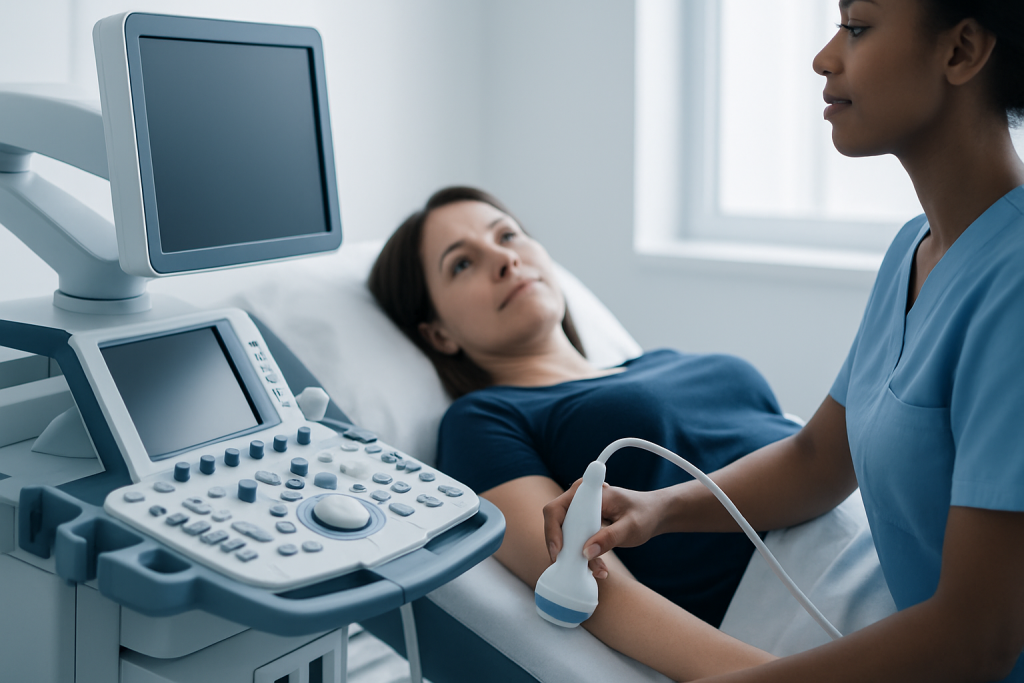
Depending on the findings, the doctor may recommend urine testing to look for infection, swabs if discharge is present, or imaging such as ultrasound or MRI if a cyst or mass is suspected. In some situations, the appearance of the area is enough to suggest a blocked gland, while in others the symptoms overlap with urinary tract infection, Bartholin gland problems, urethral diverticulum, or other pelvic conditions that need to be distinguished carefully.
For patients traveling from abroad, it is useful to bring previous lab reports, imaging, and a list of symptoms in chronological order. That can shorten the diagnostic process and make follow-up easier once the patient returns home.
Treatment Options
Treatment depends entirely on the cause. If there is no active problem and the gland appears normal, no treatment may be needed at all. When symptoms are caused by inflammation or a mild infection, a doctor may recommend medicines or supportive care tailored to the finding.
If a cyst is present, options may include observation if it is small and not causing symptoms, or drainage if it is painful, enlarging, or infected. In selected cases, surgical removal or a more specialized procedure may be considered, particularly if the problem keeps returning or if imaging suggests another diagnosis that needs treatment.
The best plan is usually individualized. A gynecologist, urologist, or pelvic floor specialist may be involved depending on the pattern of symptoms. When care is planned across borders, the team may also coordinate records, test results, and postoperative instructions so that follow-up can continue smoothly at home.
Prevention & Self-care
There is no guaranteed way to prevent every Skene’s gland problem, but simple habits can reduce irritation and help symptoms settle earlier. Gentle hygiene, adequate hydration, and avoiding harsh or scented products around the vulvar area may be useful for some women.
Helpful self-care approaches may include:
- Staying well hydrated
- Avoiding perfumed soaps, sprays, or douches
- Not squeezing or trying to drain a lump at home
- Wearing breathable underwear and avoiding excess moisture
- Seeking care promptly if urinary symptoms are persistent or recurring
If a person is recovering after a procedure, it is important to follow the clinician’s instructions on wound care, activity, and symptom monitoring. For international patients, clear written guidance is especially useful because the recovery period may begin before travel home is complete.
When to See a Doctor
A doctor should be consulted if there is a new lump near the urethra, persistent pain, unexplained discharge, repeated urinary discomfort, or pain with sex that does not improve. These symptoms are not specific to a female prostate issue, but they do deserve proper assessment because several treatable conditions can look similar.
Urgent care is appropriate if there is fever, rapidly increasing swelling, severe pain, trouble passing urine, or a general feeling of being unwell. Those signs may point to an infection or abscess that needs prompt treatment.
For patients considering care abroad, a specialized center can help confirm the diagnosis, choose the least invasive treatment that fits the case, and organize follow-up. Acibadem Health Point’s multidisciplinary specialists and JCI-accredited hospitals diagnose and treat these conditions for international patients with coordinated care.
Frequently asked questions
Do women actually have a prostate?
Women do not have the same prostate that men have. They do have Skene’s glands near the urethra, which are sometimes called the female prostate because they share some tissue characteristics.
What are Skene’s glands for?
These small glands sit near the urethra and may contribute to lubrication and local urinary health. Their exact role is still being studied, and most women never notice them.
Can Skene’s glands cause symptoms?
Yes. If they become blocked, inflamed, or infected, they can cause pain, swelling, discharge, or urinary discomfort. Symptoms can resemble a urinary tract infection, so evaluation is important.
How is a problem with these glands diagnosed?
A doctor usually starts with a history and pelvic exam, then may order urine tests or imaging if needed. The goal is to separate a gland problem from other causes of pelvic or urinary symptoms.
Is treatment always necessary?
Not always. Small, symptom-free findings may only need observation, while painful or infected cysts may need medicine, drainage, or surgery depending on the case.
Should a woman worry if she feels a lump near the urethra?
A lump should be checked, but it does not automatically mean something serious. A clinician can examine the area and determine whether it is a cyst, gland issue, or another condition that needs attention.
References
- Merck Manual Professional Edition
- Cleveland Clinic
- Mayo Clinic
- American College of Obstetricians and Gynecologists
- National Institutes of Health
This article is for general information only and is not a substitute for professional medical advice. Please consult a qualified doctor about your individual situation.