Paroxysmal Supraventricular Tachycardia ICD-10 Codes

Key Takeaways
- PSVT is a type of fast heart rhythm that usually starts and stops suddenly.
- The ICD-10 code for PSVT is commonly used in medical records and billing, but the exact code depends on the documented rhythm diagnosis.
- Symptoms may include palpitations, chest discomfort, shortness of breath, dizziness, or feeling faint.
- Diagnosis often involves an ECG, ambulatory monitoring, and review of triggers or underlying heart conditions.
- Treatment can range from simple rhythm maneuvers and medicines to catheter ablation, depending on how often episodes occur.
- People with new, severe, or prolonged symptoms should seek medical evaluation promptly.
Medically reviewed by the Acıbadem clinical team — August 19, 2026
Paroxysmal supraventricular tachycardia, often shortened to PSVT, is a sudden fast heart rhythm that begins and ends abruptly. This article explains the ICD-10 coding, what PSVT looks like in daily life, how it is diagnosed, and the treatment choices that may be considered.
Overview
Paroxysmal supraventricular tachycardia, or PSVT, describes episodes of very rapid heartbeats that begin and end suddenly. The rhythm starts above the heart’s ventricles, which is why it is called “supraventricular,” and “paroxysmal” reflects the way it can appear in bursts rather than as a constant problem.
When people search for paroxysmal supraventricular tachycardia ICD 10, they are usually trying to understand the diagnosis code that appears on medical records, insurance forms, or referral letters. In most clinical settings, PSVT is commonly linked with the ICD-10 category I47.1, but the final code should always match the exact wording in the medical record and the clinician’s diagnosis.
For patients, the code itself is less important than the rhythm behind it. What matters is identifying why the heart is racing, whether the episodes are isolated or recurring, and whether treatment is needed to reduce symptoms or prevent future events. For international patients planning care abroad, that discussion often begins with a clear review of previous ECGs, test reports, and any emergency visits related to palpitations.
Symptoms
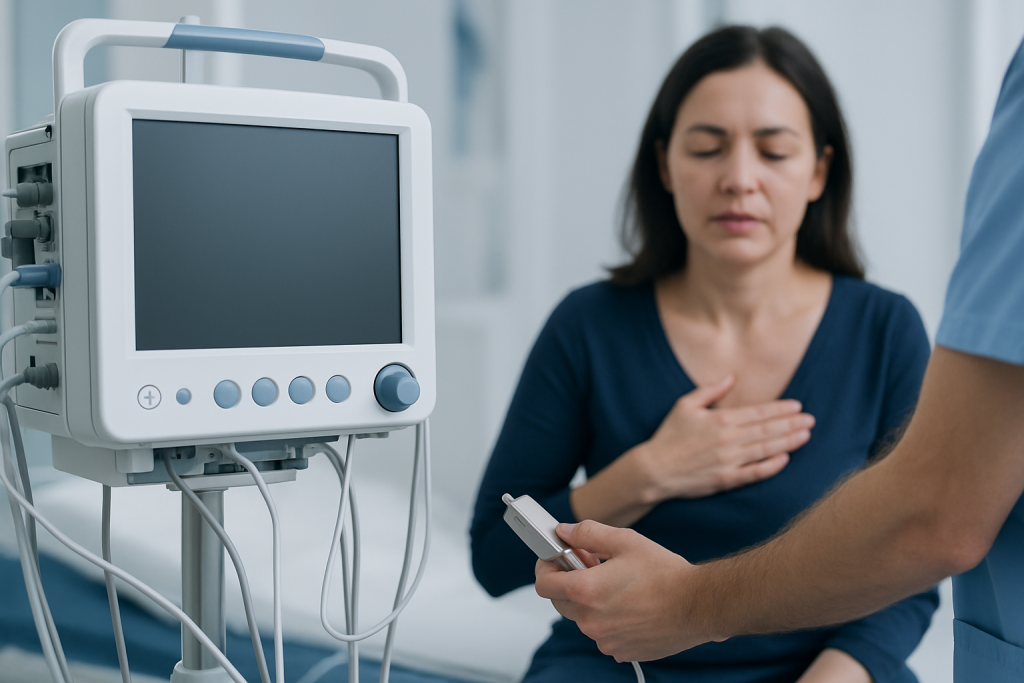
PSVT often announces itself with a sudden sense that the heart has “switched on” to a faster rhythm. Some people feel a strong pounding in the chest, while others notice an uncomfortable fluttering or a very regular rapid pulse that is hard to ignore.
Symptoms can vary from mild to more disruptive, and they may last seconds, minutes, or longer before settling on their own or after treatment. Common experiences include:
- Palpitations or a racing heartbeat
- Chest tightness or discomfort
- Shortness of breath
- Dizziness or lightheadedness
- Fatigue after an episode
- Feeling anxious during the fast rhythm
Not every fast heartbeat is PSVT. Fever, dehydration, stimulants, stress, anemia, and other rhythm problems can also cause palpitations, which is one reason a medical evaluation is important rather than relying on symptoms alone. A person may feel well between episodes, which can make the condition easy to miss unless the rhythm is captured on a test.
Causes & Risk Factors

PSVT usually happens because of an electrical circuit within the heart that briefly goes into a rapid loop. In many cases, this involves an extra pathway or a re-entry circuit that allows the signal to repeat in a fast pattern.
Some people have no clearly identifiable trigger, while others notice episodes after caffeine, alcohol, lack of sleep, emotional stress, intense exercise, or illness. Certain medicines or substances that stimulate the body may also make palpitations more likely in sensitive individuals.
Risk can be higher in people with a history of other rhythm problems, structural heart disease, thyroid disorders, or electrolyte imbalances. However, PSVT can also occur in otherwise healthy hearts, which is one reason careful rhythm evaluation matters even when a person has no known cardiac condition.
For patients arranging care from another country, it is useful to bring a list of triggers, episode timing, and any emergency treatment previously received. That history can help the cardiology team decide whether the pattern fits PSVT or whether another rhythm diagnosis should be considered.
Diagnosis
Diagnosis begins with a conversation about symptoms, timing, and what the heartbeat feels like during an episode. The clinician may ask whether the rhythm starts and stops suddenly, how long it lasts, and whether it is associated with dizziness, chest discomfort, or fainting.
An electrocardiogram, or ECG, is one of the most important tests, but it only helps if the rhythm is present at the time of recording. When episodes come and go, doctors may recommend ambulatory monitoring such as a Holter monitor, event monitor, or wearable device that can capture the rhythm when symptoms return.
Additional tests may be used to look for contributing factors or to rule out other causes of a fast pulse. These can include blood tests, echocardiography, and, in selected cases, an electrophysiology study to map the electrical system of the heart more precisely.
Because coding depends on documentation, the exact ICD-10 code should reflect the clinician’s confirmed diagnosis. A patient may see terms such as “PSVT,” “SVT,” “atrial tachycardia,” or “AV nodal re-entrant tachycardia” in records, and those labels may influence coding and the treatment plan.
Treatment Options
Treatment for PSVT is individualized. Some people have rare, brief episodes that need only observation and guidance, while others benefit from medicine or a procedure designed to stop the rhythm from recurring.
When an episode is happening, clinicians may first try vagal maneuvers, which are simple techniques that can sometimes slow the heart by influencing the body’s autonomic response. If the rhythm does not settle or if symptoms are significant, medical treatment in a monitored setting may be needed.
Longer-term options may include medicines that help prevent episodes or reduce their impact. In people who have frequent symptoms, medication side effects, or a desire for a more definitive solution, catheter ablation may be discussed. This minimally invasive procedure targets the electrical pathway responsible for the rapid rhythm and is often considered when PSVT keeps returning.
For international patients, treatment planning often includes practical questions as well as medical ones: whether a procedure is recommended before travel home, how follow-up will be arranged across borders, and what warning signs should prompt local emergency care. Clear discharge instructions and a written summary can make continuity much easier.
Prevention & Self-care
Not every episode can be prevented, but many people find that understanding their personal triggers reduces how often symptoms appear. A steady routine with adequate sleep, hydration, and manageable stress can be helpful, especially if episodes seem to cluster during periods of exhaustion or illness.
It may also help to note patterns in a symptom diary. Recording the time of the episode, what the person was doing, what was eaten or drank, and how long the rhythm lasted can provide useful clues for the cardiology team.
General self-care steps may include:
- Limiting stimulants if they appear to trigger symptoms
- Avoiding dehydration, especially during travel or heat exposure
- Following the prescribed medicine plan consistently
- Learning clinician-approved maneuvers for sudden episodes
- Keeping a copy of ECGs, discharge notes, and medication lists when traveling
Self-care is supportive, not a substitute for diagnosis. If episodes are new, worsening, or associated with other concerning symptoms, medical assessment should not be delayed.
When to See a Doctor
Medical evaluation is appropriate for anyone with repeated palpitations, unexplained rapid heartbeats, or a known history of PSVT that is becoming more frequent or harder to control. Even if symptoms pass on their own, a proper diagnosis can help prevent uncertainty and guide the safest next step.
Urgent care is especially important if the fast heartbeat is accompanied by chest pain, fainting, severe shortness of breath, or confusion. These symptoms do not always mean a dangerous problem, but they do deserve prompt assessment.
People traveling for care should seek help quickly if symptoms occur during transit or after arrival, particularly if they do not have local records or if the rhythm is unfamiliar. Acibadem Health Point’s multidisciplinary specialists and JCI-accredited hospitals diagnose and treat PSVT for international patients, with attention to both medical management and practical follow-up.
In day-to-day practice, the best time to see a doctor is often before the next episode becomes an emergency. A structured review can confirm the rhythm, explain what the ICD-10 code means in context, and outline treatment choices that fit the person’s symptoms and goals.
Frequently asked questions
What is the ICD-10 code for paroxysmal supraventricular tachycardia?
PSVT is commonly coded under ICD-10 category I47.1, but the final code should match the exact diagnosis documented by the clinician. Coding can differ if the rhythm is described more specifically in the medical record.
Is PSVT the same as SVT?
PSVT is a specific type of supraventricular tachycardia, so the terms are related but not identical. SVT is a broader label that includes several fast rhythms that start above the ventricles.
Can PSVT go away on its own?
Yes, some episodes stop spontaneously after seconds or minutes. Even so, recurring episodes should be evaluated so the cause is clear and the safest treatment plan can be chosen.
How is PSVT usually diagnosed?
Doctors often use an ECG, but because episodes may be brief, ambulatory monitoring is frequently needed. Blood tests and an echocardiogram may also be used to look for contributing conditions.
Is catheter ablation always necessary?
No, ablation is usually considered when episodes are frequent, bothersome, or difficult to manage with medicines. For some people, lifestyle adjustments and observation are enough.
What should a person do during a PSVT episode?
A person should follow the plan given by their clinician, which may include approved vagal maneuvers. If the episode is severe, prolonged, or comes with chest pain, fainting, or shortness of breath, urgent medical care is important.
References
- American Heart Association
- American College of Cardiology
- World Health Organization
- Mayo Clinic
- National Center for Biotechnology Information
This article is for general information only and is not a substitute for professional medical advice. Please consult a qualified doctor about your individual situation.
Explore treatments in Turkey — costs, top hospitals & a free quote
JCI-accredited · board-certified surgeons · reply within 24h
Add us as a Preferred Source to see more of our trusted health content across Google Search, AI Overviews and Discover.