

Posterior Tibial Tendonitis: Symptoms, Causes and Treatment

Key Takeaways
- Pain along the inner ankle or arch can be an early sign of posterior tibial tendon irritation.
- Flat feet, sudden activity changes, and repetitive impact can increase strain on the tendon.
- Diagnosis is usually based on a clinical examination, with imaging used when needed.
- Treatment often begins with rest, supportive footwear, physical therapy, and activity modification.
- Prompt care can help prevent the condition from progressing and affecting walking.
- Most people benefit from a tailored plan that fits their symptoms, routine, and travel needs.
Medically reviewed by the Acıbadem clinical team — August 19, 2026
Posterior tibial tendonitis is a common cause of pain along the inner ankle and arch, often linked to overuse, foot mechanics, or changes in activity. With early assessment and the right treatment plan, many people can reduce symptoms and protect foot function.
Overview
Posterior tibial tendonitis develops when the posterior tibial tendon becomes irritated or inflamed. This tendon runs behind the inner ankle and helps support the arch of the foot, so even small changes in its function can make walking feel uncomfortable.
People often notice the problem first as a deep ache on the inside of the ankle, especially after standing, walking, or exercising. Because the tendon plays a central role in foot stability, the condition is worth evaluating early rather than waiting for it to settle on its own.
For international patients, foot and ankle pain can be especially disruptive when travel, work, and sightseeing depend on mobility. A clear diagnosis helps guide practical decisions about rest, footwear, and whether specialist treatment is needed before symptoms become harder to manage.
Symptoms
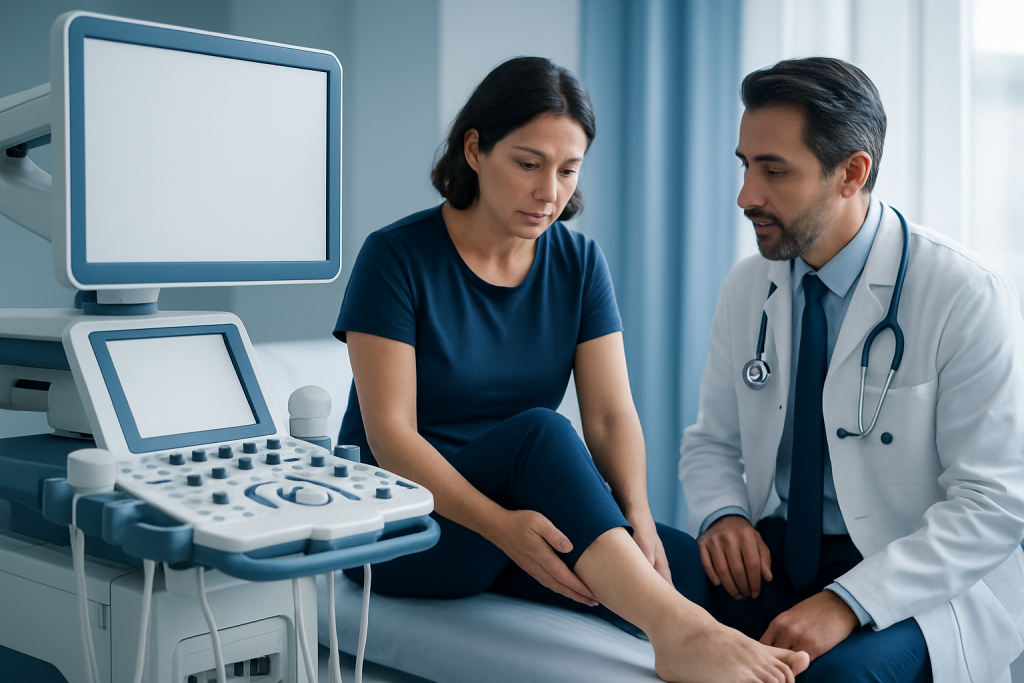
The earliest symptoms are usually subtle. Many people describe pain or tenderness just behind the inner ankle bone, sometimes spreading along the inner side of the foot or into the arch.
Symptoms may become more noticeable during weight-bearing activities such as walking longer distances, climbing stairs, standing for extended periods, or returning to sports after a break. Some people also feel stiffness in the morning or after rest.
- Inner ankle pain or swelling
- Pain along the arch of the foot
- Discomfort with walking, running, or prolonged standing
- A feeling of weakness or fatigue in the foot
- Flattening of the arch over time
If the condition progresses, the foot may begin to roll inward more than usual, which can change gait and increase strain elsewhere in the lower leg, knee, or hip.
Causes & Risk Factors
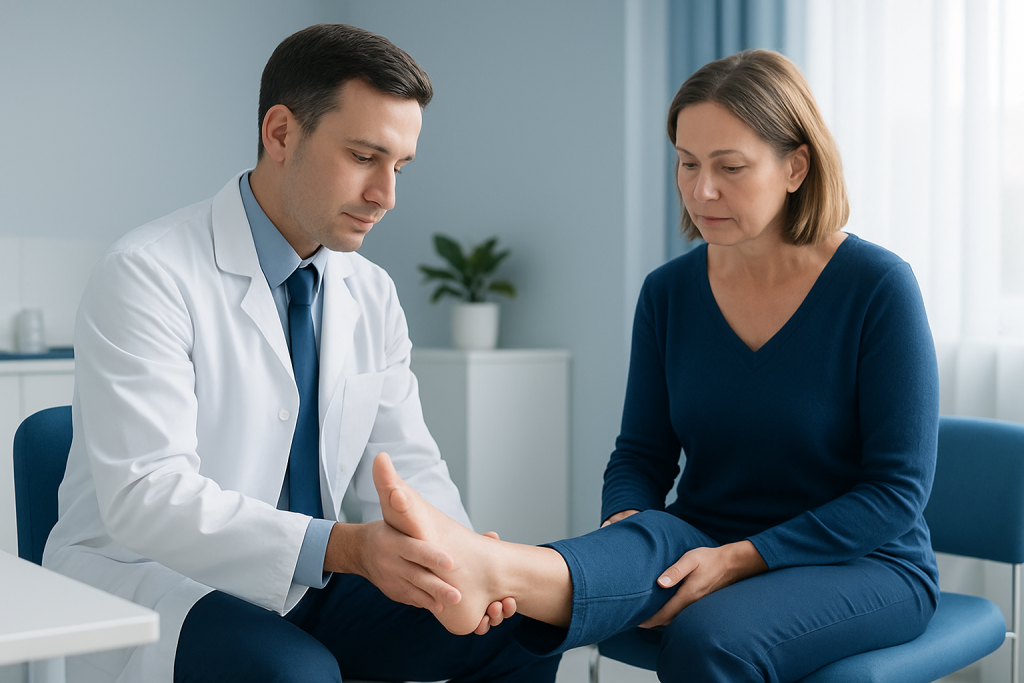
Posterior tibial tendonitis usually develops from repeated stress rather than a single injury. The tendon may be overloaded by long periods of walking or running, sudden increases in exercise, or work that involves standing for many hours.
Foot structure can also contribute. People with flat feet, overpronation, or alignment issues may place more tension on the tendon during daily movement. Previous ankle injuries, poor footwear, and tight calf muscles can add to the strain.
Certain health factors may increase vulnerability, including higher body weight, age-related tendon wear, and some inflammatory conditions. Even so, the condition can affect active younger adults as well as people who are less physically active.
Diagnosis
Diagnosis starts with a careful history and physical examination. A clinician will usually ask when the pain began, what activities make it worse, and whether the foot shape or walking pattern has changed over time.
During the exam, the doctor may assess tenderness along the tendon, arch height, ankle flexibility, and the ability to stand on tiptoe on one foot. These simple tests help show how well the tendon is functioning and whether there are signs of more advanced tendon involvement.
Imaging is sometimes used to confirm the diagnosis or rule out other problems. Ultrasound or MRI may help evaluate inflammation, tendon damage, or related structures, while X-rays can show alignment changes or arthritis if symptoms have been present for longer.
For patients coordinating care from another country, bringing prior imaging, a list of symptoms, and a short timeline of activity changes can make the evaluation more efficient and help the specialist tailor the plan quickly.
Treatment Options
Treatment depends on how irritated the tendon is and whether the foot has started to lose support. In many cases, care begins with reducing activities that aggravate pain and using supportive shoes or orthotic inserts to unload the tendon.
Physical therapy often plays an important role. A therapist may guide strengthening exercises for the foot and lower leg, stretching for the calf, and movement retraining to reduce stress on the tendon during walking and exercise. Some patients also benefit from temporary bracing or a walking boot if pain is more severe.
When symptoms do not improve with conservative care, a specialist may discuss additional options. These can include more structured immobilization or, in selected cases, surgical treatment if the tendon is significantly damaged or the foot deformity has progressed.
Treatment is usually individualized, especially for people who need to return home soon after care. A clear rehabilitation plan, follow-up schedule, and guidance on safe activity levels can make recovery easier to manage across different time zones and healthcare systems.
Prevention & Self-care
Not every case can be prevented, but many flare-ups can be reduced by paying attention to load, footwear, and recovery. Supportive shoes with good arch structure are often more helpful than very worn or unsupportive footwear, especially for people who spend long hours on their feet.
Gradual training changes matter. Increasing walking distance, running volume, or hill work too quickly can strain the tendon before it has time to adapt. Balanced conditioning, calf stretching, and foot-strengthening exercises may also support long-term tendon health.
- Choose stable, supportive shoes for daily use
- Increase exercise intensity and duration gradually
- Use rest days after unusually long walks or sports sessions
- Pay attention to early inner ankle soreness
- Follow rehabilitation exercises consistently if prescribed
If a traveler is exploring a new city or standing for much of the day, brief rest breaks and planned pacing can help prevent a minor tendon issue from turning into a more limiting one.
When to See a Doctor
Medical evaluation is a good idea when inner ankle pain lasts more than a few days, keeps returning, or begins to interfere with walking, exercise, or work. This is especially important if the arch looks flatter, the ankle feels unstable, or the pain is worsening despite rest.
A doctor should also be seen sooner if there is marked swelling, inability to bear weight, recent injury, or numbness and tingling that suggest another cause. Early assessment can distinguish tendon irritation from fracture, arthritis, or other foot and ankle conditions.
People who are traveling for care should not delay evaluation simply because the symptoms seem manageable. A focused orthopedic assessment can clarify the diagnosis, outline a safe plan, and help avoid a longer interruption to mobility and daily life. At Acibadem Health Point, multidisciplinary specialists and JCI-accredited hospitals diagnose and treat this condition for international patients in a coordinated setting.
Recovery and Follow-Up
Recovery from posterior tibial tendonitis is often gradual. The tendon usually responds best to a measured return to activity rather than a sudden jump back into full exercise, long walks, or demanding work shifts.
Follow-up visits help confirm that pain is improving and that the foot is moving in a healthier pattern. If symptoms persist, the treatment plan may be adjusted with different support, a revised exercise program, or further testing to look for tendon dysfunction.
For patients returning home after Herniated Disc Treatment Abroad: Injection, Rehab, or Surgery?" class="ahp-ilk">treatment abroad, it helps to leave with clear written instructions about exercises, footwear, activity limits, and warning signs that should prompt reassessment. Good follow-up makes recovery more predictable and supports safer long-term foot function.
Frequently asked questions
Is posterior tibial tendonitis the same as flatfoot?
Not exactly. Posterior tibial tendonitis can contribute to flatfoot if the tendon becomes weak and stops supporting the arch properly. Flatfoot may be a sign that the condition has progressed and should be assessed by a clinician.
Can posterior tibial tendonitis heal without surgery?
Many people improve with non-surgical care such as rest, supportive footwear, physical therapy, and temporary bracing. Surgery is usually considered only when symptoms persist or the tendon and foot structure are significantly affected.
How is posterior tibial tendonitis different from ankle sprain pain?
An ankle sprain usually follows a specific twist or injury, while posterior tibial tendonitis often develops gradually with repeated strain. The pain in tendonitis is commonly felt behind the inner ankle and along the arch.
Should exercise stop completely during recovery?
Not always, but activities that clearly worsen pain are usually reduced at first. A doctor or physical therapist can help choose lower-impact options and plan a safe return to activity.
Can shoes really make a difference?
Yes. Supportive shoes and orthotic inserts can reduce stress on the tendon and improve comfort during walking. Footwear alone may not solve the problem, but it is often an important part of treatment.
When is imaging needed?
Imaging is not always necessary, especially when the exam clearly points to posterior tibial tendonitis. It is more often used when symptoms are persistent, the diagnosis is uncertain, or the doctor wants to check for tendon damage or alignment changes.
References
- American Academy of Orthopaedic Surgeons
- Mayo Clinic
- National Institute of Arthritis and Musculoskeletal and Skin Diseases
- American Orthopaedic Foot & Ankle Society
This article is for general information only and is not a substitute for professional medical advice. Please consult a qualified doctor about your individual situation.
Joint and spine care in Turkey — expert assessment & treatment
JCI-accredited · board-certified surgeons · reply within 24h
Add us as a Preferred Source to see more of our trusted health content across Google Search, AI Overviews and Discover.
More from the Health Library



Related Specialists

Prof. Dr. Ahmet Alanay
Orthopedic Surgery & Traumatology
Dr. Sinan Aksu
Orthopedic Surgery & Traumatology
Dr. Sirri Baştürk
Orthopedic Surgery & Traumatology
Prof. Dr. Korhan Özkan
Orthopedic Surgery & Traumatology