

Anterior Collateral Ligament Tear: Symptoms, Causes and Treatment

Key Takeaways
- An anterior collateral ligament tear can affect knee stability and make walking, turning, or sports movements painful.
- Symptoms often include swelling, tenderness, reduced range of motion, and a sense of the knee giving way.
- Diagnosis usually involves a physical examination and may include imaging to assess the extent of injury.
- Treatment depends on the severity of the tear, activity level, and whether other knee structures are involved.
- Rehabilitation is an important part of recovery, whether treatment is non-surgical or surgical.
Medically reviewed by the Acıbadem clinical team — August 19, 2026
An anterior collateral ligament tear is a knee ligament injury that can cause pain, swelling, and a feeling that the knee is not trustworthy during movement. Understanding the symptoms, diagnosis, and treatment options can help patients choose timely care and return safely to activity.
Overview
An anterior collateral ligament tear is a knee injury that affects one of the structures helping the joint stay stable during movement. Although people often hear more about the anterior cruciate ligament, the collateral ligaments also play an important role in guiding the knee and controlling side-to-side stress.
This injury may happen during a sports collision, a sudden twist, a fall, or a force that pushes the knee inward or outward. Some tears are partial and can heal with conservative treatment, while others are more serious and may need surgical repair, especially if other knee ligaments are involved.
For international patients, the decision to seek care often begins with a practical question: is the knee stable enough to travel, work, or continue daily life comfortably? A clear orthopedic assessment helps answer that question and shape a safe plan for recovery.
Symptoms
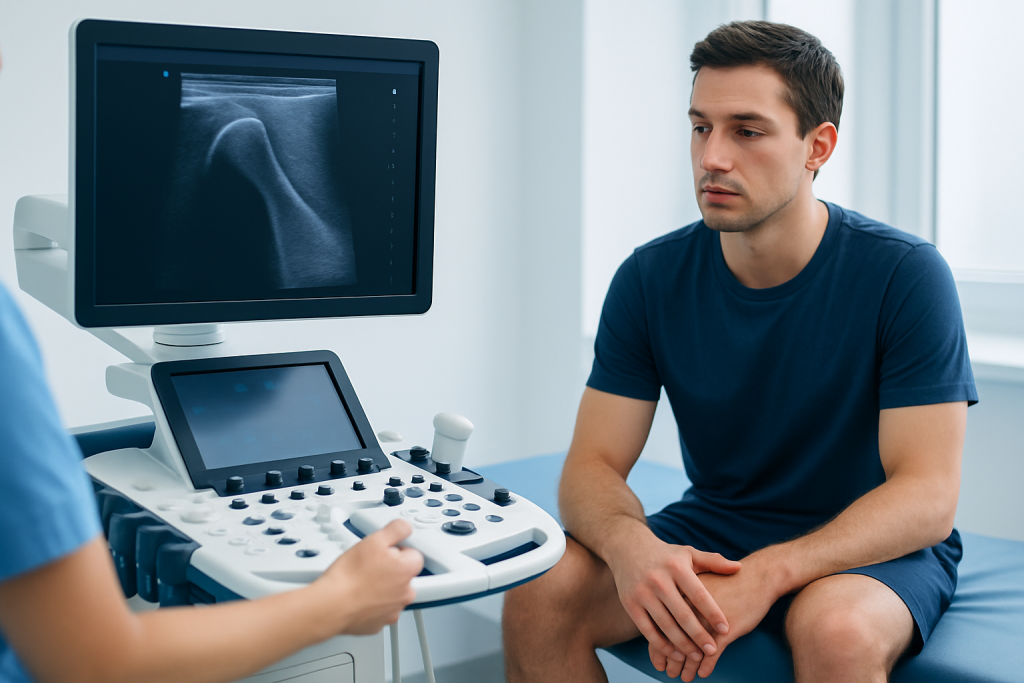
The signs of a ligament tear can appear immediately after injury or become more noticeable over the next several hours as swelling develops. Pain is often felt along the inside or outside of the knee, depending on which collateral ligament is affected, and the joint may feel sore when pressure is applied.
Many patients notice swelling, stiffness, and difficulty fully bending or straightening the knee. If the tear is significant, the knee may feel unstable, especially when walking on uneven ground, changing direction, or climbing stairs.
Common symptoms may include:
- Sudden knee pain after injury
- Swelling around the joint
- Tenderness along the side of the knee
- Difficulty bearing weight
- A feeling that the knee may buckle or give way
- Reduced range of motion
Some people can still walk after the injury, which can make the problem seem less serious at first. Even so, persistent pain, swelling, or instability deserves medical evaluation because associated injuries are not always obvious without an examination.
Causes & Risk Factors
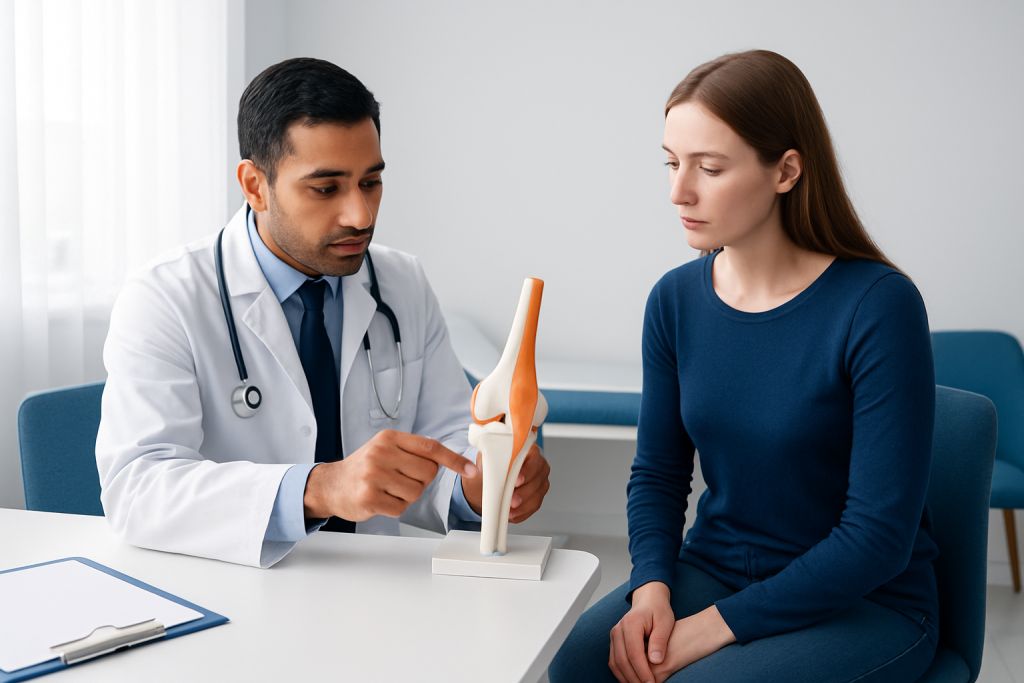
Collateral ligament tears usually result from a force that stresses the knee beyond its normal range. In sports, this may happen during contact, a sudden change in direction, or an awkward landing. Outside sports, slips, falls, traffic-related injuries, and work accidents can also cause the ligament to stretch or tear.
Risk increases in activities that involve pivoting, cutting, jumping, or direct collisions. Previous knee injury, reduced muscle support around the joint, and fatigue may also make the knee more vulnerable. In some cases, a collateral ligament tear occurs together with damage to the meniscus, cartilage, or other ligaments, which can make symptoms more complex.
Not every knee twist leads to a serious tear. However, if pain is strong, swelling is rapid, or the knee feels unstable afterward, an orthopedic review is important to clarify the extent of injury and avoid prolonged dysfunction.
Diagnosis
Diagnosis begins with a detailed history of how the injury happened, followed by a hands-on examination of the knee. The clinician checks for tenderness, swelling, range of motion, and signs of side-to-side looseness that may suggest ligament injury.
Imaging can help confirm the diagnosis and assess any related damage. X-rays may be used to rule out fracture or alignment problems, while MRI is often the most informative test for soft tissue structures, including ligaments, meniscus, and cartilage. In selected cases, the doctor may also compare the injured knee with the uninjured side.
For patients traveling from abroad, a complete diagnosis is especially valuable because it reduces uncertainty before treatment begins. Knowing whether the injury is isolated or part of a broader knee problem helps the care team recommend the right mix of rest, bracing, therapy, or surgery.
Treatment Options
Treatment depends on how badly the ligament is damaged and whether the knee remains stable. Partial tears and some complete tears may improve with non-surgical care, particularly when the joint can still function well and there are no major associated injuries.
Conservative treatment commonly includes rest from aggravating activities, bracing to protect the joint, ice, elevation, and a structured rehabilitation program. Physical therapy is often central to recovery because it helps restore motion, rebuild strength, and improve balance and control around the knee.
Surgery may be considered when the tear is severe, the knee remains unstable, or other internal structures need repair. In those situations, the goal is not only to fix the injured ligament but also to protect the long-term health of the joint and lower the chance of repeated giving way.
Because recovery plans are individualized, patients should avoid self-directing return to sport or travel-intensive work too early. A doctor or physiotherapist can guide safe progression based on pain, swelling, strength, and stability.
Prevention & Self-care
Not every ligament tear can be prevented, especially when trauma occurs unexpectedly. Even so, knee resilience can often be improved through regular strengthening, good movement mechanics, and attention to fatigue during sports or physically demanding work.
Helpful self-care measures after injury or during recovery usually include protecting the knee from twisting forces, following the recommended rehabilitation plan, and respecting pain as a signal to slow down. Gradual return to activity is typically safer than trying to “push through” instability.
- Use supportive footwear during activity
- Warm up before exercise and practice controlled movement patterns
- Strengthen the thigh, hip, and calf muscles
- Follow brace or crutch instructions if prescribed
- Allow enough time for healing before returning to impact activities
Patients recovering away from home may also need to plan follow-up visits, therapy access, and travel timing carefully. A clear discharge plan makes it easier to continue rehabilitation after returning to another country.
When to See a Doctor
Medical evaluation is recommended if knee pain is accompanied by rapid swelling, difficulty bearing weight, obvious instability, or a visible change in joint shape. These features may signal more than a mild sprain and deserve prompt assessment.
It is also wise to seek care if the knee does not improve over several days, if walking remains difficult, or if the joint repeatedly gives way during routine movement. Persistent symptoms can interfere with healing and increase the risk of further injury.
Patients who are planning to travel should consider being assessed before departure when possible, especially if the knee is swollen, locking, or unstable. Acibadem Health Point’s multidisciplinary specialists and JCI-accredited hospitals diagnose and treat this condition for international patients, with care coordinated around imaging, rehabilitation, and follow-up needs.
If symptoms are severe or the injury was caused by high-impact trauma, urgent assessment is the safest choice. A timely orthopedic diagnosis can clarify the problem and help protect long-term knee function.
Recovery and Follow-up
Recovery time varies widely because ligament injuries are not all the same. Some patients improve steadily with rest and therapy, while others need a longer period of structured rehabilitation or postoperative care before the knee feels dependable again.
Follow-up visits are important because progress is measured not only by pain relief, but also by stability, motion, and strength. A clinician may adjust activity limits, change the rehabilitation plan, or repeat imaging if healing does not follow the expected course.
For patients living abroad, follow-up planning should begin early. Sharing medical records, imaging reports, and therapy instructions with the next care team helps continuity and reduces the chance of mixed messages during recovery.
Frequently asked questions
Is an anterior collateral ligament tear the same as an ACL tear?
No. The collateral ligaments and the anterior cruciate ligament are different structures with different roles in knee stability. They can cause similar symptoms, but they are diagnosed and treated according to the specific ligament involved.
Can a collateral ligament tear heal without surgery?
Yes, some partial tears and even some complete tears can improve without surgery if the knee remains stable and there are no major associated injuries. Rehabilitation, bracing, and activity modification are often important parts of this approach.
How is a ligament tear confirmed?
Doctors usually begin with a physical examination and may use X-rays or MRI to look more closely at the knee. MRI is especially useful for soft tissue injuries and for checking whether the meniscus or cartilage is also affected.
How long does recovery take?
Recovery depends on how severe the tear is, whether surgery is needed, and how consistently rehabilitation is followed. A doctor or physiotherapist can give a more realistic timeline after the injury is assessed.
Should a patient keep walking on an injured knee?
If walking is painful or the knee feels unstable, it is better to limit weight bearing until a clinician evaluates the injury. Continuing to stress the joint too early may worsen symptoms or slow recovery.
When is surgery more likely to be recommended?
Surgery is more likely when the tear is severe, the knee is unstable, or other internal structures are damaged. The decision is based on examination findings, imaging results, and the patient’s activity goals.
References
- American Academy of Orthopaedic Surgeons
- Mayo Clinic
- National Institute of Arthritis and Musculoskeletal and Skin Diseases
- MedlinePlus
This article is for general information only and is not a substitute for professional medical advice. Please consult a qualified doctor about your individual situation.
Joint and spine care in Turkey — expert assessment & treatment
JCI-accredited · board-certified surgeons · reply within 24h
Add us as a Preferred Source to see more of our trusted health content across Google Search, AI Overviews and Discover.
More from the Health Library



Related Specialists

Prof. Dr. Ahmet Alanay
Orthopedic Surgery & Traumatology
Dr. Sinan Aksu
Orthopedic Surgery & Traumatology
Dr. Sirri Baştürk
Orthopedic Surgery & Traumatology
Prof. Dr. Korhan Özkan
Orthopedic Surgery & Traumatology