Calves

Key Takeaways
- Calf symptoms can come from muscle strain, overuse, cramping, poor circulation, nerve issues, or injury.
- Sudden swelling, redness, warmth, or one-sided pain may need prompt medical assessment.
- Diagnosis usually starts with a history, physical examination, and, when needed, imaging or circulation tests.
- Many calf problems improve with rest, stretching, gradual return to activity, and targeted treatment.
- Supportive shoes, hydration, movement breaks, and sensible training habits can reduce recurrence.
The calves play an important role in standing, walking, and balancing, so changes in this area can affect daily movement in noticeable ways. This article explains common calf symptoms, likely causes, and practical ways to care for them, with guidance on when medical evaluation is helpful.
Overview
The calves are the strong muscles at the back of the lower leg. They help push the body forward when walking, climbing stairs, running, and standing on tiptoe. Because they are used so often, even small problems in this area can be felt quickly.
Calf discomfort is not a diagnosis on its own. It is a clue that the muscles, tendons, blood vessels, nerves, or nearby joints may be irritated or under strain. For some people, the issue is simple fatigue after exercise. For others, the cause may be a muscle injury, a circulation problem, or another condition that deserves medical review.
Understanding the pattern matters. Pain that appears after a workout and eases with rest points in one direction, while swelling, heaviness, numbness, or pain that comes on with walking may suggest something different. A careful assessment helps match the symptom to the right care.
Symptoms
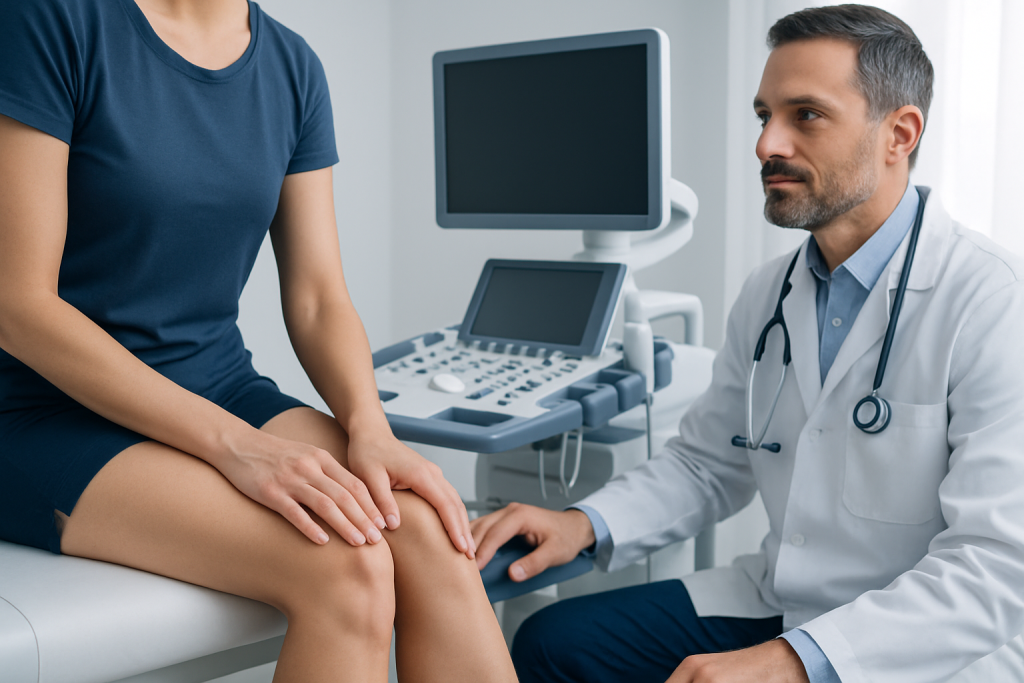
Calf problems can feel different from person to person. Some people describe a pulling or tight sensation, while others notice cramping, aching, sharp pain, weakness, or a heavy feeling in the lower leg.
Common symptoms may include:
- Tightness or stiffness in one or both calves
- Sudden cramping, especially during exercise or at night
- Localized tenderness after a strain or minor tear
- Swelling, warmth, or redness
- Pain that worsens when walking, standing, or stretching
- Numbness, tingling, or a “heavy leg” feeling
The timing of symptoms can be very informative. Pain that comes on during activity and improves with rest may point to overuse or circulation-related issues, while pain that starts after a sudden movement can fit a muscle strain. Persistent swelling, visible asymmetry between legs, or pain accompanied by shortness of breath should always be taken seriously and checked promptly.
Causes & Risk Factors

Calf symptoms have a wide range of causes, and not all of them involve the muscle itself. A person may develop soreness after a new workout, but similar discomfort can also be linked to tendon irritation, vein problems, nerve compression, or referred pain from the back or knee.
Frequent causes include muscle overuse, dehydration, inadequate warm-up, wearing unsupportive footwear, and sudden increases in exercise intensity. Calf muscle strain is especially common in sports that involve sprinting, jumping, or quick changes in direction. Cramps may also be more likely during long periods of standing, after heavy sweating, or when the body is recovering from illness.
Some factors raise the chance of more persistent or serious calf symptoms:
- Recent travel with long periods of sitting
- Recent surgery, injury, or reduced mobility
- Pregnancy or hormonal changes
- Smoking and vascular risk factors
- Diabetes, neuropathy, or circulation disease
- Previous leg clots or vein disease
In some cases, pain and swelling in one calf may be caused by a blood clot in a deep vein. That is one reason clinicians pay close attention to whether symptoms are one-sided, sudden, or associated with warmth and visible swelling.
Diagnosis
Evaluation usually begins with a detailed conversation about when the symptoms started, what they feel like, whether one or both legs are involved, and what makes them better or worse. A clinician will also ask about exercise, travel, recent injury, medications, and medical history that could affect circulation or muscle health.
A physical examination helps identify tenderness, swelling, muscle tightness, skin changes, range-of-motion limits, and signs that point toward a muscle, vein, nerve, or joint cause. The examination may include checking the foot pulses, comparing both calves, and assessing how the patient walks.
Depending on the findings, further tests may be recommended. These can include ultrasound to look at veins or soft tissues, blood tests to assess inflammation or muscle injury, or imaging if a tear or other structural problem is suspected. If walking pain suggests reduced circulation, a vascular evaluation may be useful. The goal is not only to confirm what is causing the symptoms, but also to rule out conditions that need timely treatment.
Treatment Options
Treatment depends on the underlying cause rather than the calf itself. For many muscle-related problems, the first steps are simple and conservative: temporary rest from aggravating activities, gentle stretching when appropriate, and a gradual return to movement once pain settles. Ice or heat may be helpful depending on the stage of the injury and the clinician’s advice.
When cramps are the main issue, treatment focuses on correcting triggers such as dehydration, overexertion, prolonged immobility, or footwear problems. A clinician may also review medications or medical conditions that can contribute. If the calf problem is tied to a tendon injury, circulation issue, or nerve irritation, the plan may be more specific and may include physiotherapy, compression therapy, medication, or targeted procedures.
In more serious situations, such as a confirmed blood clot or significant tear, prompt medical treatment is essential. That may involve anticoagulation, activity modification, monitoring, or specialist care. Recovery timelines vary, especially for international patients who may begin treatment at home and continue follow-up after returning to their country. A clear discharge plan and coordinated follow-up help keep care consistent across borders.
Prevention & Self-care
Many calf problems respond well to everyday habits that reduce strain on the lower legs. Warming up before exercise, increasing training gradually, and allowing enough recovery time between intense sessions can all help. Supportive shoes and attention to walking or running form may also make a meaningful difference.
Helpful self-care measures often include:
- Staying well hydrated, especially during heat or exercise
- Taking movement breaks during long travel or desk work
- Stretching the calves regularly, if advised by a clinician
- Using gradual load increases instead of sudden training jumps
- Elevating the legs when swelling is mild and activity-related
- Following physiotherapy or rehabilitation exercises as prescribed
For people with repeated cramps or chronic tightness, prevention works best when the root cause is addressed. That may mean treating a vascular problem, improving glucose control, adjusting exercise technique, or reviewing medications with a doctor. Self-care is helpful, but it should support—not replace—medical evaluation when symptoms keep returning.
When to See a Doctor
Medical assessment is advisable when calf pain is severe, keeps returning, interferes with walking, or does not improve with reasonable rest and self-care. It is also important to seek evaluation if the calf looks swollen, feels warm, or becomes noticeably larger than the other side.
Prompt medical attention is especially important for one-sided calf pain with redness or swelling, pain after long travel or surgery, or symptoms accompanied by chest pain, shortness of breath, or sudden dizziness. These features can signal a circulation problem that should not be delayed.
Even when symptoms seem mild, an early appointment can help prevent a short-term problem from becoming a longer one. For international patients, Acibadem Health Point connects people with multidisciplinary specialists and JCI-accredited hospitals that diagnose and treat calf-related conditions while helping coordinate care and follow-up.
Living With Calf Problems During Recovery
Recovery is often less about waiting and more about pacing. As pain improves, the calf typically benefits from a stepwise return to normal activity rather than a sudden jump back to full exercise or long walks. A physiotherapist or doctor can help decide when stretching, strengthening, and sports activity should resume.
It is also useful to track patterns. Noting when the symptom appears, how long it lasts, and whether it is linked to travel, training, shoes, or sitting can reveal triggers that are easy to miss in the moment. This information can be valuable at follow-up visits, especially for patients coordinating care across different countries or time zones.
With the right diagnosis and a practical plan, most calf issues can be managed effectively. The key is to treat the symptom as a useful signal, not simply as an inconvenience to push through.
Frequently asked questions
What usually causes calf pain?
Calf pain is commonly related to muscle strain, overuse, cramps, or dehydration. It can also come from circulation problems, nerve irritation, or referred pain from the back or knee, so the pattern of symptoms matters.
When is calf swelling a concern?
Calf swelling is more concerning when it affects one leg, appears suddenly, or comes with warmth, redness, or pain. It should be assessed promptly, especially if there has been recent travel, surgery, or reduced mobility.
Can calf cramps be prevented?
They can often be reduced with hydration, gradual exercise progression, regular movement breaks, and proper stretching when appropriate. If cramps keep happening, a doctor can look for underlying causes such as medication effects or circulation issues.
How is a calf strain treated?
Most calf strains are treated with rest from the triggering activity, followed by a gradual return to movement and, when needed, physiotherapy. More significant tears may need a longer recovery plan and closer follow-up.
Do both calves being tight mean the same thing as one-sided pain?
Not necessarily. Tightness in both calves is often linked to overuse, posture, dehydration, or exercise habits, while one-sided pain and swelling can raise concern for an injury or a vein problem. The difference helps guide diagnosis.
When should medical help be sought urgently?
Urgent help is important if calf symptoms are paired with chest pain, shortness of breath, sudden swelling, or severe one-sided pain. These can be signs of a serious circulation issue that needs immediate evaluation.
References
- Mayo Clinic
- NHS
- Cleveland Clinic
- American Academy of Orthopaedic Surgeons
- National Institute for Health and Care Excellence
This article is for general information only and is not a substitute for professional medical advice. Please consult a qualified doctor about your individual situation.
More from the Health Library



Related Specialists
Physiotherapist İrem Derici Akgüç
Physical Therapy and Rehabilitation
Dt. Tuğçe Atçakan
Dentistry
Prof. Dr. M. Nadir Şener
Orthopedic Surgery & Traumatology
Assoc. Prof. Dr. Deniz Can Aliş
Radiology