

Popliteal Cyst (Baker’s Cyst): Symptoms and Treatment

Key Takeaways
- A Baker’s cyst is a fluid-filled lump behind the knee, usually linked to another knee problem.
- Common symptoms include tightness, swelling, discomfort, and sometimes a feeling of pressure when bending the knee.
- Diagnosis is usually based on an exam and imaging such as ultrasound or MRI when needed.
- Treatment focuses on the underlying knee condition, symptom relief, and avoiding activities that worsen pain.
- Most people do well with conservative care, but sudden calf pain or major swelling should be assessed promptly.
Medically reviewed by the Acıbadem clinical team — August 19, 2026
A popliteal cyst, also called a Baker’s cyst, is a fluid-filled swelling that forms behind the knee. It often develops alongside another knee condition, so understanding the underlying cause is an important part of care.
Overview
A popliteal cyst, more commonly known as a Baker’s cyst, is a pocket of synovial fluid that collects in the soft space behind the knee. It is not a tumor and is usually not dangerous, but it can be uncomfortable and sometimes visibly noticeable, especially when the knee is bent or after activity.
The cyst often reflects irritation inside the knee joint rather than being the main problem on its own. In practice, that means the swelling behind the knee is only one part of the picture; the more important question is what is driving extra fluid production in the joint.
For international patients considering care abroad, this condition is often evaluated as part of a broader orthopedic workup. A careful review of symptoms, imaging when needed, and a plan for recovery that fits travel and follow-up schedules can make treatment more straightforward.
Symptoms
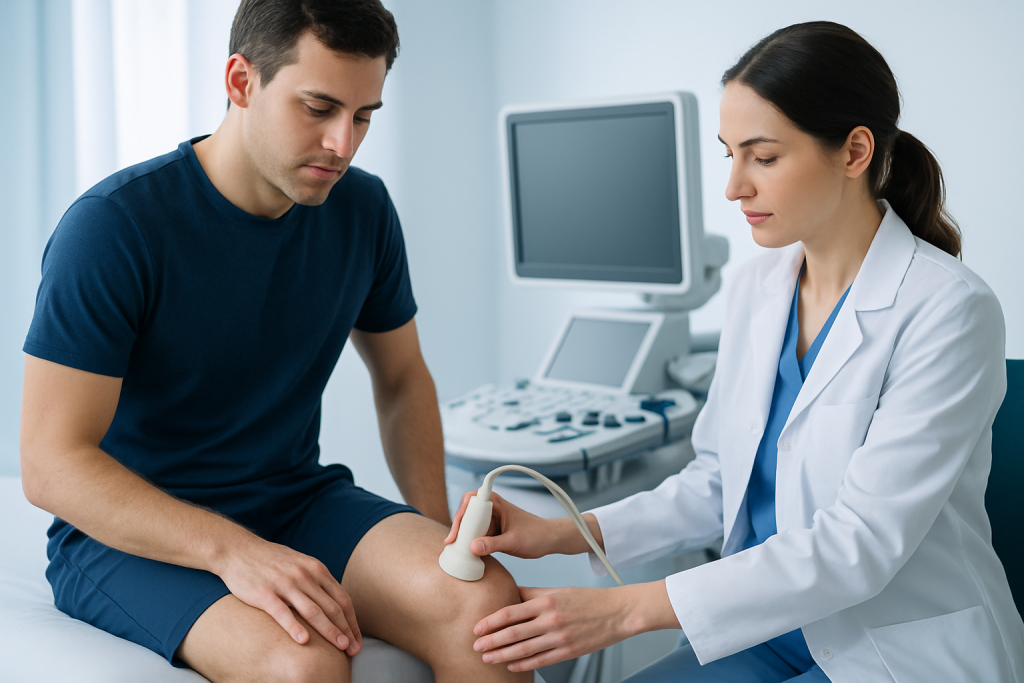
Some Baker’s cysts are found by chance during an examination or scan done for a different reason. Others become noticeable because the person feels a fullness behind the knee, especially when standing, squatting, or straightening the leg after sitting for a long time.
Typical symptoms may include:
- A soft or firm swelling behind the knee
- Tightness or pressure when bending or straightening the leg
- Pain in the back of the knee, which may worsen with activity
- Reduced comfort during walking, kneeling, or climbing stairs
- Occasional stiffness in the knee joint
If the cyst becomes large, it may limit motion or make the knee feel awkward rather than sharply painful. When a cyst leaks or ruptures, symptoms can change quickly and may resemble a calf injury, with swelling and pain extending downward.
Causes & Risk Factors

A Baker’s cyst usually forms when the knee joint produces extra fluid. That fluid can move backward into a small space behind the knee and build up there, creating a visible swelling. The cyst is often a sign that something else in the joint is irritating the lining of the knee.
Common associated conditions include osteoarthritis, rheumatoid arthritis, meniscus tears, and other causes of inflammation or injury inside the knee. In children, Baker’s cysts may appear without the same joint diseases seen in adults, and they often behave differently.
Factors that can make a cyst more likely or more troublesome include:
- Previous knee injury
- Inflammatory joint disease
- Degenerative changes in the knee
- Repetitive strain or overuse
- Ongoing swelling in the joint
Because the cyst is often secondary to another issue, treatment is usually most effective when the knee problem itself is identified and managed.
Diagnosis
Diagnosis usually begins with a physical examination. A clinician may feel the swelling behind the knee and ask about pain, stiffness, injury history, and whether symptoms change with activity or knee position.
Ultrasound is often a practical first imaging test because it can confirm that the lump is fluid-filled and help distinguish a cyst from other causes of swelling. MRI may be recommended if the doctor wants a clearer look at the meniscus, cartilage, ligaments, or other structures inside the knee.
In some cases, especially when the diagnosis is uncertain or symptoms are unusual, additional tests may be used to rule out other conditions. This step is important because pain or swelling behind the knee can occasionally come from problems that need a different treatment approach.
Treatment Options
Treatment is tailored to the size of the cyst, the severity of symptoms, and the condition that led to it. Many people start with conservative care, particularly when the cyst is not causing major pain or limitation.
Common approaches may include rest from aggravating activity, ice, compression, elevation, and guided exercise or physiotherapy to support the knee. A clinician may also recommend medication to ease pain or inflammation, depending on the person’s overall health and the underlying diagnosis.
If the cyst is persistent or very symptomatic, other options may be discussed. These can include image-guided aspiration in selected cases, corticosteroid injection for inflammation in some patients, or treatment aimed at the inside of the knee, such as addressing a meniscus tear or arthritis-related irritation. Surgery is not usually the first step for a Baker’s cyst itself, but it may be considered when the underlying knee problem needs it.
For patients traveling for care, it is helpful when the treatment plan includes clear instructions on activity limits, wound care if a procedure is done, and the timing of follow-up once they return home. Orthopedic teams that coordinate imaging, treatment, and rehabilitation can make that process smoother.
Prevention & Self-care
Not every Baker’s cyst can be prevented, especially when it is tied to arthritis or a prior injury. Still, protecting the knee and managing inflammation can reduce flare-ups and help symptoms stay under control.
Practical self-care steps often include avoiding deep squatting or repetitive kneeling when those movements increase discomfort, maintaining a healthy level of activity, and following a physiotherapy plan if one has been prescribed. Supportive footwear and attention to body mechanics may also reduce strain on the knee joint.
People with known arthritis or recurring knee swelling should keep regular follow-up appointments, since controlling the main joint problem can lessen the chance that the cyst grows or returns. If swelling suddenly increases, or the calf becomes painful and tight, the person should seek medical advice rather than assuming it is only a simple flare.
When to See a Doctor
A medical evaluation is advisable if a lump behind the knee is new, painful, enlarging, or interfering with walking or bending the leg. It is also wise to seek care if knee swelling does not improve or if the person has a known joint condition but the symptoms are changing.
Prompt assessment is especially important if there is sudden calf swelling, redness, warmth, severe pain, or shortness of breath, because these signs can suggest a different problem that needs urgent attention. A burst cyst can cause notable symptoms, but it should not be assumed without evaluation.
For people considering treatment outside their home country, the safest approach is to arrange care with an orthopedic team that can confirm the diagnosis, explain the options clearly, and plan appropriate follow-up. Acibadem Health Point’s multidisciplinary specialists and JCI-accredited hospitals diagnose and treat this condition for international patients with coordinated care from assessment through recovery.
Living With a Baker’s Cyst
Many Baker’s cysts improve when the underlying knee irritation is addressed. Even when a cyst remains present, symptoms often become manageable with the right combination of activity adjustment, rehabilitation, and follow-up care.
People who need long-distance travel after treatment should ask their doctor when it is safe to fly, how much walking is appropriate, and whether compression, exercises, or medication changes are recommended. A clear discharge plan can reduce stress and help recovery stay on track.
The most useful mindset is often practical rather than restrictive: protect the knee, understand what is causing the fluid buildup, and return for review if the swelling changes. With that approach, many patients can keep moving comfortably and avoid unnecessary worry.
Frequently asked questions
What is the difference between a popliteal cyst and a Baker’s cyst?
They are the same condition. “Popliteal cyst” is the medical term for a fluid-filled swelling behind the knee, while “Baker’s cyst” is the commonly used name.
Can a Baker’s cyst go away on its own?
Yes, some cysts become smaller or settle when the knee inflammation improves. However, if the underlying joint problem remains, the cyst may come back or stay present.
Is a Baker’s cyst the same as a blood clot?
No, but the symptoms can sometimes feel similar if there is calf swelling or pain. Because blood clots can be serious, sudden leg swelling should be checked by a doctor rather than assumed to be a cyst.
Does a Baker’s cyst always need surgery?
No. Many people improve with conservative treatment and management of the knee condition causing the extra fluid. Surgery is usually reserved for selected cases when other measures are not enough.
Can exercise make the cyst worse?
Some activities can increase discomfort, especially if they involve deep bending, kneeling, or impact. Gentle, guided exercise is often helpful, but it should match the person’s symptoms and the doctor’s advice.
Why does my knee feel tight behind the joint?
A fluid-filled cyst behind the knee can create a sense of pressure or fullness, especially when the knee is bent or straightened. Tightness may also reflect the underlying joint problem that led to the cyst in the first place.
References
- Mayo Clinic
- Cleveland Clinic
- American Academy of Orthopaedic Surgeons
- National Health Service
- Merck Manual Professional Edition
This article is for general information only and is not a substitute for professional medical advice. Please consult a qualified doctor about your individual situation.
Joint and spine care in Turkey — expert assessment & treatment
JCI-accredited · board-certified surgeons · reply within 24h
Add us as a Preferred Source to see more of our trusted health content across Google Search, AI Overviews and Discover.
More from the Health Library



Related Specialists

Prof. Dr. Ahmet Alanay
Orthopedic Surgery & Traumatology
Dr. Sinan Aksu
Orthopedic Surgery & Traumatology
Dr. Sirri Baştürk
Orthopedic Surgery & Traumatology
Prof. Dr. Korhan Özkan
Orthopedic Surgery & Traumatology