

PRP Injection: Uses and Procedure

Key Takeaways
- PRP uses a concentrated portion of the patient’s own blood to deliver platelets and growth factors to a targeted area.
- It is used in several medical fields, including dermatology, orthopedics, and aesthetic medicine, but results vary by condition and person.
- A proper diagnosis matters because PRP is not the right choice for every cause of hair loss, pain, or tissue damage.
- The procedure is usually done in an outpatient setting with minimal downtime, although mild soreness or swelling can occur.
- Safe PRP care depends on sterile technique, appropriate patient selection, and clear follow-up instructions from a qualified clinician.
Medically reviewed by the Acıbadem clinical team — August 19, 2026
PRP injection uses a patient’s own platelet-rich plasma to support healing and tissue repair in selected conditions. It is commonly discussed for hair thinning, skin rejuvenation, and some joint or tendon problems, depending on the diagnosis and treatment plan.
Overview
PRP injection stands for platelet-rich plasma injection. It begins with a small sample of the patient’s own blood, which is processed to concentrate the platelets and the natural signaling proteins they carry. That prepared plasma is then injected into a chosen area, such as the scalp, skin, or a painful tendon or joint.
For many people, the idea is straightforward: instead of introducing a foreign substance, the body’s own components are used to support repair. That makes PRP a familiar topic in regenerative medicine and a practical option in selected dermatology and musculoskeletal treatments. It is still a medical procedure, however, and the details matter; the reason for treatment, the target tissue, and the clinician’s technique all influence the outcome.
International patients often ask whether PRP is a single treatment or a broad category. In practice, it is a technique with different uses. A dermatologist may discuss it for hair thinning, while an orthopedic specialist may recommend it for a tendon injury or an early joint problem. The right pathway begins with a clear diagnosis rather than with the injection itself.
Symptoms and Conditions PRP May Be Used For
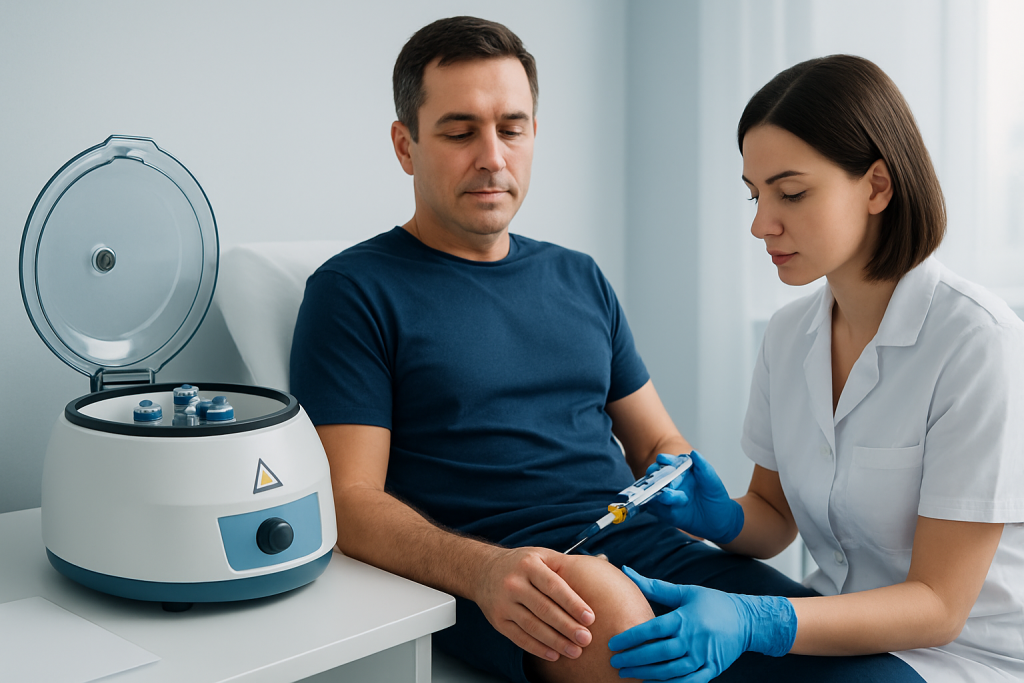
PRP is not a symptom treatment in the usual sense, but it is sometimes considered when a person has a condition that has not responded well to first-line care. In hair and skin medicine, it may be discussed for certain types of thinning hair, as well as for some cosmetic goals related to skin quality. In orthopedics, it may be considered for persistent pain related to tendons, ligaments, or selected joint conditions.
Common examples include androgenetic hair loss, some forms of hair shedding under specialist guidance, mild to moderate tendinopathy, and some overuse injuries. In aesthetic settings, clinicians may also use PRP as part of broader rejuvenation plans. The exact role of PRP depends on the diagnosis; it is more often an adjunct than a stand-alone solution.
It is also important to distinguish PRP from treatments that promise quick reversal of advanced disease. For example, severe hair loss with significant scarring, advanced arthritis, major tears, or infections usually requires different care. A qualified doctor can explain whether PRP is a reasonable option or whether another approach is more appropriate.
- Hair thinning or pattern hair loss
- Selected skin rejuvenation goals
- Tendon-related pain or irritation
- Some ligament or overuse injuries
- Adjunctive support in healing plans
Causes and Risk Factors

PRP is often considered when the body could benefit from an extra healing signal rather than from a structural replacement. Platelets contain growth factors that help coordinate tissue repair, so concentrating them may support healing in targeted areas. That said, PRP does not remove the original cause of the problem.
For hair loss, the underlying cause may involve genetics, hormones, inflammation, nutritional issues, medications, stress, or autoimmune disease. PRP may be useful in some of these settings, but only after the cause has been identified. For joint or tendon pain, the issue may relate to overuse, Knee Pain Relief: Causes and Treatment" class="ahp-ilk">Pain Relief" class="ahp-ilk">sports injury, posture, degeneration, or repetitive strain.
Risk factors for a less predictable response include smoking, uncontrolled medical conditions, active infection, certain blood disorders, and use of medications that affect platelet function. Age and the severity of tissue damage can also influence the result. A careful review of the patient’s medical history is a normal part of planning, especially for international patients who may need treatment arranged around travel, follow-up visits, and recovery time.
Diagnosis and Treatment Planning
Before PRP is offered, the clinician usually confirms the diagnosis with a history, examination, and sometimes imaging or laboratory tests. This is especially important when symptoms could come from more than one cause. For instance, scalp hair loss may require an assessment for pattern hair loss, alopecia areata, telogen effluvium, or scarring conditions, while pain in a tendon may need ultrasound or other imaging.
The treatment plan should answer a few practical questions: What is being treated, what result is realistic, how many sessions might be needed, and what should the patient do before and after the procedure? These questions are especially helpful for people traveling from abroad, because they can organize appointments, hotel stays, and return travel around the expected recovery window.
PRP is usually performed in an outpatient clinic or hospital setting. Blood is drawn, spun in a centrifuge to separate the platelet-rich fraction, and prepared for injection. The injection itself may be guided by anatomy, ultrasound, or the clinician’s technique depending on the site being treated. The process is generally brief, though the overall visit includes preparation and aftercare instructions.
Treatment Options and What the Procedure Feels Like
PRP treatment is usually described as a series of steps rather than a single moment. After the blood draw, the sample is processed, and the prepared plasma is placed into the targeted area. Some clinicians use local anesthetic or numbing measures to improve comfort, depending on the site and the treatment goal. Mild pressure, pinching, or short-lived discomfort can occur during the injections.
The number of sessions varies by condition. Hair-related treatment often involves a planned series, while musculoskeletal care may be timed around symptoms and recovery milestones. Because protocols differ, patients should ask how the clinician determines whether to repeat treatment and how progress will be measured.
Expectations should stay realistic. PRP is designed to support a healing environment, not to produce an immediate transformation. Improvement, when it occurs, may appear gradually over weeks or months. For some patients it is part of a broader plan that includes medication, physiotherapy, scalp care, exercise modification, or other specialist-directed treatment.
- Blood collection from a vein
- Processing of the sample to concentrate platelets
- Targeted injection into the scalp, skin, tendon, or joint area
- Observation and aftercare instructions before discharge
Prevention and Self-care
PRP itself is not a preventive treatment, but good self-care can help protect the area being treated and support recovery. Patients are usually advised to follow the clinician’s instructions closely, especially regarding activity, washing, exercise, and use of pain relief medications. For international patients, written aftercare instructions are particularly useful because they make it easier to continue care after returning home.
General recovery habits often include avoiding strenuous activity for a short period, keeping the treated area clean, and watching for unusual swelling or persistent discomfort. In hair-related care, gentle scalp handling and consistency with the broader treatment plan can matter more than trying to “speed up” the process. In joint or tendon care, pacing activity and following rehabilitation advice may protect the result.
People can also improve their overall chances of a good response by addressing modifiable factors such as sleep, nutrition, smoking, and control of chronic illnesses. If a condition is driven by an underlying medical issue, that issue should be treated alongside PRP whenever possible. A treatment that fits the whole clinical picture is more likely to be useful than one isolated procedure.
When to See a Doctor
A doctor should evaluate symptoms before PRP is considered, and again if the problem does not improve as expected. This is important because persistent hair loss, skin changes, or musculoskeletal pain may need a different diagnosis or a combined treatment plan. A qualified specialist can also explain whether PRP is appropriate, optional, or unlikely to help.
After the procedure, medical advice should be sought if there is worsening pain, significant redness, drainage, fever, marked swelling, or any reaction that seems out of step with the usual recovery course. These signs do not always mean a serious problem, but they should not be ignored. Clear contact instructions are part of good care, especially when the patient is far from home.
Acibadem Health Point’s multidisciplinary specialists and JCI-accredited hospitals diagnose and treat PRP-related conditions for international patients, with coordinated care that can include consultation, procedure planning, and follow-up support. For people traveling for treatment, that continuity can make the process more organized and reassuring.
Recovery, Results, and Follow-up
Recovery after PRP is typically short, though the exact experience depends on where the injections were given. Some people notice mild tenderness, bruising, or temporary swelling in the treated area. These effects usually settle with time, and patients can often return to normal activities fairly quickly unless their clinician advises otherwise.
Results should be assessed over time rather than immediately after the session. A hair patient may need several months to judge change, while someone treated for pain may be asked to track function, soreness, and activity tolerance. Follow-up visits help the clinician decide whether the plan should continue, be adjusted, or be replaced with another therapy.
Good follow-up is especially important for patients arriving from another country. Before travel, it helps to know who will review progress, what symptoms are normal, and when to seek care locally if needed. A well-planned aftercare pathway makes PRP more practical and safer across borders.
Risks and Safety Considerations
Because PRP uses the patient’s own blood, it is generally considered well tolerated when performed by trained clinicians in proper sterile conditions. Still, no procedure is risk-free. Temporary pain, bruising, swelling, bleeding, infection, and lack of benefit are possible, and the chance of each depends on the treatment site and the person’s health status.
Safety also depends on how the sample is prepared. Different machines and protocols can produce different concentrations, and not every preparation is suitable for every condition. That is one reason patients should ask how the clinic prepares PRP, who performs the procedure, and how complications are managed.
People with active infection, certain blood disorders, or major platelet problems may not be suitable candidates. A review of medications and medical history is essential before any injection is scheduled. The safest choice is always the one that is based on a diagnosis, an honest discussion of expected benefit, and a plan for follow-up.
Frequently asked questions
What is a PRP injection used for?
PRP injections are used in selected hair, skin, tendon, ligament, and joint conditions. The exact purpose depends on the diagnosis and the specialist’s treatment plan. It is usually considered when the goal is to support healing rather than to replace damaged tissue.
Is PRP the same as stem cell therapy?
No. PRP uses a concentrated portion of the patient’s own blood, especially platelets and growth factors. Stem cell therapy is a different type of treatment and should not be confused with PRP.
How long does it take to see results from PRP?
The timeline depends on the condition being treated. Some people notice changes gradually over weeks, while hair-related results may take several months. A clinician usually explains what sign of progress should be expected and when follow-up should happen.
Does PRP hurt?
Most people describe the procedure as mildly uncomfortable rather than painful, though this depends on the treatment area. Numbing methods may be used in some settings. Any soreness after the procedure is usually temporary.
Can PRP cure hair loss or joint pain?
PRP is not a guaranteed cure. It may help some patients, but results vary and it does not correct every underlying cause. A proper diagnosis is essential before deciding whether PRP is a sensible option.
Is there any special preparation before PRP?
Preparation varies by clinic and by the body area being treated. Patients may be asked to review medications, avoid certain anti-inflammatory drugs, or follow simple hydration and fasting instructions if needed. The treating doctor should provide clear, personalized guidance.
References
- Mayo Clinic
- Cleveland Clinic
- American Academy of Dermatology
- American Academy of Orthopaedic Surgeons
- National Health Service
This article is for general information only and is not a substitute for professional medical advice. Please consult a qualified doctor about your individual situation.
Hair transplant in Turkey — costs, graft counts & a free assessment
JCI-accredited · board-certified surgeons · reply within 24h
Add us as a Preferred Source to see more of our trusted health content across Google Search, AI Overviews and Discover.
More from the Health Library



Related Specialists
Prof. Dr. Ahmet Alanay
Orthopedic Surgery & Traumatology
Dr. Sinan Aksu
Orthopedic Surgery & Traumatology
Dr. Sirri Baştürk
Orthopedic Surgery & Traumatology
Prof. Dr. Korhan Özkan
Orthopedic Surgery & Traumatology