Pons Brain

Key Takeaways
- The pons links the brain with the spinal cord and other brainstem structures, making it important for many automatic body functions.
- Symptoms of a pons problem can include weakness, double vision, facial changes, dizziness, swallowing difficulty, and trouble with coordination or consciousness.
- Common causes include stroke, multiple sclerosis, tumors, trauma, infection, and inflammatory or degenerative conditions.
- Diagnosis often relies on neurological examination and brain imaging such as MRI, sometimes with blood tests or other studies.
- Treatment depends on the cause and may include urgent stroke care, medication, rehabilitation, or surgery in selected cases.
The pons is a small but essential part of the brainstem that helps control movement, sensation, sleep, breathing, and facial function. When it is affected by injury, stroke, infection, or another neurological condition, symptoms can appear suddenly and deserve prompt medical assessment.
Overview
The pons is a compact bridge-like structure deep in the brainstem, sitting above the medulla and below the midbrain. Although it is small, it carries a large workload: signals traveling between the brain, cerebellum, and spinal cord pass through it, and several cranial nerve functions are coordinated there.
For patients and families, the pons is often discussed when symptoms are sudden or difficult to explain, such as facial weakness, imbalance, or changes in eye movement. Because the brainstem helps manage essential functions, even a modest problem in this area can affect daily life in noticeable ways.
In international care settings, understanding the pons matters for another reason: symptoms may start during travel, after a long flight, or while abroad, when the local healthcare system may feel unfamiliar. Clear evaluation and timely imaging help determine whether the issue is urgent, progressive, or more easily treated with follow-up care.
Symptoms
Pons-related symptoms vary depending on the exact location and cause of the problem. Some people notice changes on one side of the face or body, while others develop symptoms that involve both sides because the brainstem is compact and tightly organized.
Common signs can include:
- Facial weakness or numbness
- Double vision or trouble moving the eyes
- Dizziness, unsteady walking, or coordination problems
- Difficulty speaking clearly
- Swallowing trouble
- Weakness or numbness in the arms or legs
- Hearing changes or facial pain in some conditions
- Severe sleepiness, confusion, or reduced alertness in more serious cases
Symptoms may come on suddenly, as in a stroke, or develop gradually, as with a tumor or inflammatory condition. Because many pons symptoms overlap with other neurological problems, a professional assessment is important rather than trying to infer the cause from symptoms alone.
Causes & Risk Factors

Several conditions can affect the pons. A pontine stroke is one of the best-known causes and can occur when blood flow is blocked by a clot or, less commonly, when a vessel breaks and bleeds. The brainstem’s dense network of pathways means that even a small stroke can produce meaningful symptoms.
Other causes include multiple sclerosis and related demyelinating disorders, brain tumors, infections, inflammation, trauma, vascular malformations, and certain rare degenerative diseases. In some patients, the pons is affected as part of a broader neurological condition rather than as an isolated problem.
Risk factors depend on the cause. For stroke, common contributors include high blood pressure, diabetes, high cholesterol, smoking, atrial fibrillation, and vascular disease. For inflammatory or demyelinating disorders, risk patterns differ and may relate more to immune system activity, age, and prior neurological history.
Travel and care coordination can matter too. Someone who has had a previous neurological diagnosis may be more likely to seek a specialist opinion when symptoms change, especially if they are far from home and need a clear plan for imaging, medication adjustment, and follow-up.
Diagnosis
Diagnosis usually begins with a focused neurological examination. A clinician looks at eye movements, facial symmetry, speech, swallowing, limb strength, coordination, balance, and sensation to determine whether the brainstem may be involved.
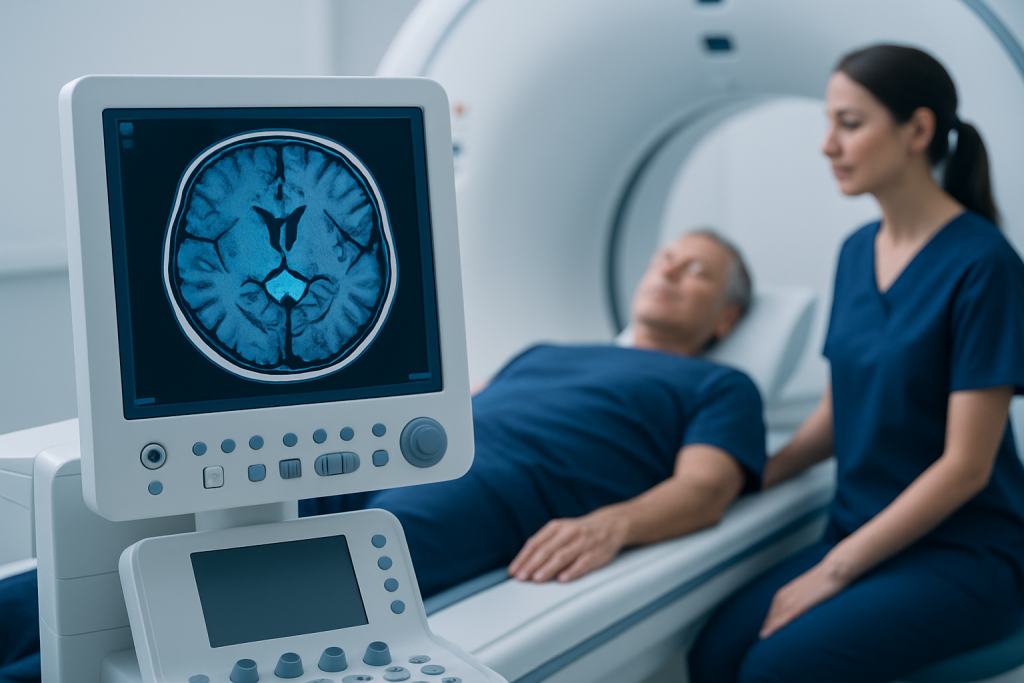
Brain imaging is often the next step, and MRI is especially useful because it shows the pons and surrounding structures in detail. In emergency situations, CT may be used first to rule out bleeding, but MRI is typically more informative for many brainstem conditions.
Depending on the suspected cause, additional tests may include blood work, vascular imaging, spinal fluid analysis, heart rhythm evaluation, or specialized neurological studies. The goal is not only to confirm that the pons is affected, but also to identify why it happened, because treatment depends heavily on the underlying diagnosis.
For international patients, having imaging reviewed by a neurology team that can explain the findings in plain language is especially helpful. It gives the patient a practical roadmap: whether treatment should start immediately, whether a second opinion is worthwhile, and what follow-up can safely happen after returning home.
Treatment Options
Treatment is guided by the cause and by how rapidly symptoms developed. A sudden pontine stroke is a medical emergency and may require hospital-based stroke treatment, close monitoring, and measures to reduce complications. When the cause is bleeding, care focuses on stabilizing the patient and addressing the source of hemorrhage if possible.
For multiple sclerosis or other inflammatory conditions, treatment may involve medicines that calm immune activity and reduce relapse risk. Tumors, vascular malformations, and structural lesions may require surgery, radiation therapy, medication, or a combination of approaches, depending on size, location, and symptoms.
Supportive care is often just as important as the primary treatment. This may include speech therapy for swallowing or communication difficulty, physical therapy for balance and strength, occupational therapy for daily activities, and rehabilitation aimed at safe recovery after discharge.
In some cases, the best immediate step is not a procedure but careful observation, repeat imaging, and specialist follow-up. That is particularly true when symptoms are mild, the diagnosis is uncertain, or the condition is expected to evolve over time.
Prevention & Self-care
There is no single way to prevent every pons disorder, because the pons can be affected by many different diseases. Still, risk reduction is possible for some of the more common and serious causes, especially vascular conditions.
Helpful self-care and prevention measures can include:
- Managing blood pressure, diabetes, and cholesterol with ongoing medical care
- Not smoking and limiting alcohol if advised by a clinician
- Taking prescribed medications consistently, especially for heart rhythm or stroke prevention
- Staying active in a safe, doctor-approved way
- Using rehabilitation exercises as directed after a neurological event
- Seeking prompt attention for new neurological symptoms rather than waiting for them to pass
Recovery at home often benefits from practical planning. Patients may need a quiet setting for rest, help with medication schedules, fall precautions, and a follow-up pathway that includes repeat consultation if symptoms change after travel. Small adjustments can make a meaningful difference while the nervous system heals or while diagnosis is being clarified.
When to See a Doctor
Sudden symptoms that suggest a brainstem problem should be assessed urgently. This includes new facial droop, double vision, trouble speaking, severe imbalance, sudden weakness, swallowing difficulty, or a marked change in alertness.
Even when symptoms are not dramatic, a doctor’s visit is important if neurological signs persist, worsen, or recur. Gradual numbness, unexplained dizziness, or repeated episodes of visual disturbance can point to a condition that needs imaging and specialist review.
Anyone with a known neurological diagnosis should seek medical advice if a familiar pattern changes, because the pons can be affected by a different process than the one diagnosed previously. Early evaluation helps protect function and avoids delays in treatment or rehabilitation.
Acibadem Health Point’s multidisciplinary specialists and JCI-accredited hospitals diagnose and treat pons-related neurological conditions for international patients, with coordinated imaging, specialist review, and follow-up planning.
Frequently asked questions
What does the pons do in the brain?
The pons helps relay signals between different parts of the brain and the spinal cord. It also contributes to facial movement, eye control, hearing, balance, sleep, and some breathing functions.
What are common symptoms of a pons problem?
Symptoms often include double vision, facial weakness or numbness, dizziness, trouble walking, slurred speech, and swallowing difficulty. In more serious cases, alertness can be reduced.
Is a pontine stroke different from other strokes?
Yes. A pontine stroke affects the pons, which is part of the brainstem. Because this area is small and densely packed with nerve pathways, symptoms may be unusual or affect several functions at once.
Can pons problems improve with treatment?
Many can improve, especially when the cause is identified early and treated appropriately. Recovery may also involve rehabilitation to regain speech, balance, swallowing, or strength.
How is a pons lesion usually diagnosed?
Doctors usually start with a neurological exam and then use brain imaging, often MRI, to look closely at the brainstem. Additional tests may be needed depending on whether the cause seems vascular, inflammatory, infectious, or structural.
When should someone seek urgent care for possible pons symptoms?
Urgent care is recommended for sudden facial weakness, double vision, severe dizziness, trouble speaking, swallowing problems, or weakness on one side of the body. These can be signs of a stroke or another serious neurological condition.
References
- National Institute of Neurological Disorders and Stroke
- Mayo Clinic
- Cleveland Clinic
- World Health Organization
- American Stroke Association
This article is for general information only and is not a substitute for professional medical advice. Please consult a qualified doctor about your individual situation.