The Brain Is A Part Of

Key Takeaways
- The brain is part of the central nervous system, alongside the spinal cord.
- It helps coordinate movement, memory, language, emotion, sensation, and automatic body functions.
- Brain-related symptoms can appear as headaches, weakness, balance problems, speech changes, or confusion.
- Many conditions can affect the brain, including injury, stroke, infection, seizures, and degenerative disease.
- Early medical evaluation can help identify the cause and guide treatment or rehabilitation.
The brain is a part of the central nervous system, where it works with the spinal cord and peripheral nerves to control thought, movement, sensation, and vital body functions. Understanding this connection helps explain why brain symptoms can affect many parts of daily life and why timely medical evaluation matters.
Overview
The brain is a part of the central nervous system, the body’s main control network. It sits inside the skull and works continuously with the spinal cord and the wider network of nerves to receive information, interpret it, and send out instructions.
That role is broader than many people first imagine. The brain helps a person think, remember, speak, move, feel emotions, and respond to the world. It also manages many automatic functions, such as breathing patterns, heart rate, sleep-wake cycles, and temperature regulation.
Because the brain is so closely connected to nearly every body system, symptoms linked to it can feel diverse and sometimes unrelated. A change in vision, balance, speech, mood, or concentration may all point to a neurological issue, even when the person first notices only one small detail.
How the brain works with the nervous system
The nervous system is usually described in two main parts. The central nervous system includes the brain and spinal cord. The peripheral nervous system includes the nerves that branch out to the arms, legs, organs, and skin. Together, they form a communication system that moves information quickly between the brain and the rest of the body.
Sensory nerves carry messages to the brain, such as touch, pain, temperature, sound, and sight. The brain processes that input and decides how to respond. Motor signals then travel back through nerves to help muscles move, whether the movement is a simple hand gesture or a complex coordinated action like walking.
The brain also contains different regions with different jobs. Some areas are especially involved in language, others in memory, emotion, coordination, or sensation. When one area is affected by disease or injury, the signs may reflect that region’s function rather than a single, all-purpose “brain problem.”
Symptoms that can suggest a brain problem
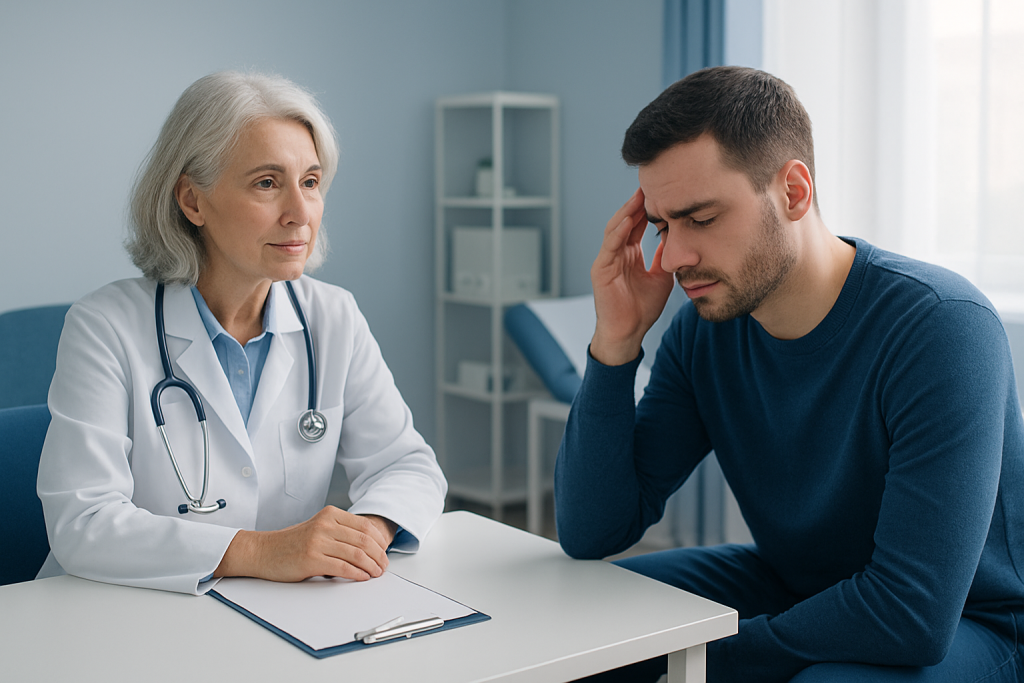
Brain-related symptoms vary widely, and they do not always point to a serious illness. Even so, a pattern of new or changing symptoms deserves attention, especially when it affects daily activities or appears suddenly.
Common warning signs may include persistent headaches, dizziness, memory lapses, confusion, weakness on one side of the body, numbness, trouble speaking, loss of balance, vision changes, tremors, or seizures. Some people notice personality changes, unusual sleepiness, or difficulty concentrating before they recognize a neurological cause.
- Sudden facial drooping or arm weakness
- Speech that becomes slurred or difficult to understand
- New seizures or episodes of passing out
- Severe headache with unusual intensity or pattern
- Confusion, disorientation, or major memory changes
Symptoms can be temporary or ongoing. Their timing, severity, and associated features help doctors narrow down the cause and decide how urgently the person should be seen.
Common causes and risk factors
A wide range of conditions can affect the brain. Some develop suddenly, such as stroke, head injury, or infection. Others progress more slowly, including certain movement disorders, dementias, brain tumors, or autoimmune conditions.
Risk factors depend on the specific problem. For example, high blood pressure, diabetes, smoking, and heart rhythm problems can raise the risk of stroke. Repeated head trauma may contribute to long-term brain injury. Infections, immune system disorders, and genetic conditions can also play a role in selected cases.
Lifestyle factors do not cause every brain disorder, but they can influence brain health over time. Sleep quality, alcohol use, physical activity, nutrition, and control of chronic diseases all matter. For travelers seeking care abroad, bringing a clear medical history and previous test results can help specialists connect the pattern of symptoms more efficiently.
How doctors diagnose brain conditions
Diagnosis usually begins with a detailed history and neurological examination. A doctor may ask when the symptoms started, whether they are constant or come and go, and whether they are linked to triggers such as exertion, stress, infection, or injury.
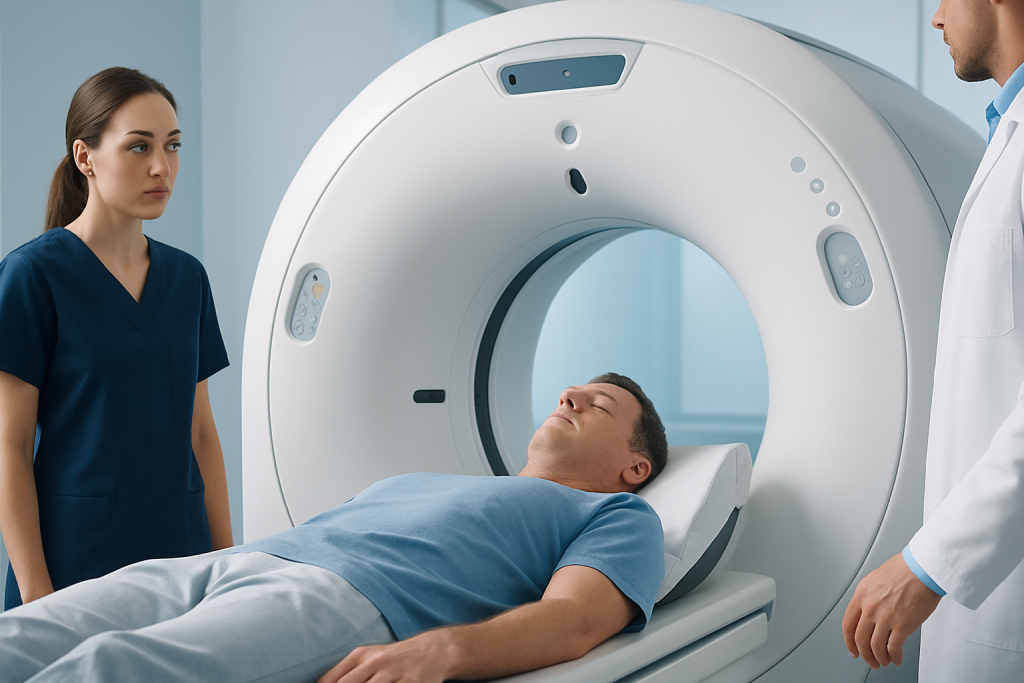
The physical exam may include checks of strength, sensation, reflexes, coordination, eye movements, speech, and memory. Depending on the findings, doctors may recommend blood tests, imaging studies such as CT or MRI, EEG testing for seizures, or other specialized evaluations.
Sometimes the question is not only “What is happening in the brain?” but also “What part of the nervous system is involved?” That distinction helps determine whether the issue lies in the brain itself, the spinal cord, peripheral nerves, or a combination of systems. In international care settings, interpreting prior imaging and comparing it with new findings can be especially valuable.
Treatment options and rehabilitation
Treatment depends entirely on the underlying cause. Some brain conditions improve with medication, while others may require surgery, rehabilitation, observation, or a combination of approaches. The goal is always to address the cause when possible and support the person’s function and safety.
For stroke, urgent treatment may focus on restoring blood flow or preventing further damage. Seizure disorders are often managed with medicines and trigger control. Infections may need antimicrobial therapy, while some tumors are treated with surgery, radiation, chemotherapy, or monitoring. Rehabilitation can be important after many neurological conditions, especially when speech, movement, or balance are affected.
Recovery is often a team effort. Neurologists, neurosurgeons, rehabilitation physicians, physiotherapists, speech therapists, occupational therapists, and psychologists may all contribute. When patients travel for treatment, planning follow-up before returning home can make the transition smoother and help continuity of care.
Prevention and self-care
Not every brain condition can be prevented, but several habits support long-term neurological health. Controlling blood pressure, blood sugar, and cholesterol can reduce vascular risk. Regular movement, enough sleep, and balanced nutrition support overall brain and body function.
Protecting the head matters as well. Wearing seatbelts, using helmets when appropriate, and reducing fall risk can lower the chance of injury. Limiting alcohol, avoiding tobacco, and seeking help for substance use can also protect the nervous system.
For people living with a known neurological condition, self-care includes following the prescribed treatment plan, tracking symptoms, and knowing which changes require medical review. Keeping a symptom diary, medication list, and recent scan reports can be especially helpful for those who receive care in more than one country.
When to see a doctor
Medical review is appropriate whenever new brain-related symptoms appear, especially if they are persistent, worsening, or interfering with work, travel, driving, or daily tasks. A non-urgent appointment may be enough for mild but ongoing headaches, concentration issues, or gradual memory changes.
Some symptoms need urgent attention, including sudden weakness, sudden speech difficulty, seizure, fainting, severe confusion, or a headache that begins abruptly and feels unlike previous headaches. In those situations, emergency care is the safest choice.
If a person is considering treatment abroad, it helps to seek evaluation early enough to allow planning, not only to arrange the trip but also to organize follow-up afterward. Acibadem Health Point’s multidisciplinary specialists and JCI-accredited hospitals diagnose and treat many brain and nervous system conditions for international patients in a coordinated way.
Frequently asked questions
What is the brain a part of exactly?
The brain is part of the central nervous system, which also includes the spinal cord. Together, they coordinate how the body senses, thinks, moves, and responds.
Does a brain problem always cause headache?
No. Some brain conditions cause headaches, but others may first show up as weakness, speech trouble, seizures, balance problems, or memory changes. Symptoms depend on which part of the brain is affected.
What symptoms suggest the brain should be checked?
Sudden weakness, confusion, seizures, speech changes, vision loss, or a severe unusual headache should be assessed promptly. Gradual memory problems or repeated dizziness also deserve medical review.
How do doctors find out what is wrong with the brain?
They usually start with a history and neurological exam, then may order imaging tests or other studies if needed. The exact tests depend on the symptoms and the suspected cause.
Can brain conditions improve with treatment?
Many can, especially when the cause is identified early. Treatment may involve medication, procedures, rehabilitation, or long-term monitoring depending on the diagnosis.
What can a person do to support brain health?
Managing blood pressure, blood sugar, sleep, activity, and head injury risk can all help protect brain health. It is also important to follow medical advice and seek review for new neurological symptoms.
References
- World Health Organization
- National Institute of Neurological Disorders and Stroke
- Mayo Clinic
- Cleveland Clinic
- Merck Manual Consumer Version
This article is for general information only and is not a substitute for professional medical advice. Please consult a qualified doctor about your individual situation.