Phrenology

Key Takeaways
- Phrenology is a discredited theory and is not used in modern medicine.
- Skull shape does not reliably indicate personality, intelligence, or character.
- Modern neuroscience studies the brain with imaging, anatomy, and clinical research, not skull bumps.
- Understanding phrenology can help patients spot pseudoscience and ask better questions about health claims.
- If a health concern involves mood, memory, headaches, or behavior, a qualified clinician should evaluate it.
Phrenology was a 19th-century theory claiming that skull shape could reveal personality and mental ability. Modern medicine and neuroscience do not support it, but its history still offers a useful lesson about how science evolves and why evidence matters.
Overview
Phrenology is a historical idea that claimed the shape and bumps of the skull could reveal a person’s character, abilities, and even moral qualities. It became popular in the 1800s, when the brain was still poorly understood and many people were eager for simple answers about human behavior.
Today, phrenology is considered a pseudoscience. It is not part of modern neurology, psychology, or any evidence-based medical practice. The reason is straightforward: the skull does not act like a readable map of personality, and the assumptions behind phrenology do not hold up under scientific testing.
That does not make the topic unimportant. Phrenology shaped public thinking about the brain, influenced ideas about education and criminality, and sometimes was used to justify unfair social beliefs. Looking back at it helps explain why careful research, peer review, and ethical judgment matter in health care.
Symptoms and Claims Associated with Phrenology
Because phrenology is not a disease, it does not have symptoms in the medical sense. Instead, it had claims: a protrusion over one part of the skull might supposedly mean a person was imaginative, while another area was said to indicate aggression, caution, or musical talent.
These claims were presented as if a simple hands-on examination could reveal the mind. In practice, that approach could be highly misleading. Two people with very similar head shapes may have completely different personalities, and a person’s skills or temperament cannot be measured by touching the scalp or skull.
Modern clinicians assess mental and neurological health through conversation, history, examination, and when needed, tests such as brain imaging or cognitive evaluation. If changes in mood, memory, speech, or behavior are a concern, those deserve proper medical attention rather than outdated theories.
Causes and Historical Context

Phrenology emerged during a period when scientists and physicians were still trying to understand how the brain works. The theory was built on the idea that mental functions were localized in different parts of the brain, which was a partial insight mixed with many incorrect assumptions.
The movement became popular because it offered a tidy story: the external skull was treated as a visible surface that could be “read” to interpret hidden inner traits. That idea was appealing in an era before modern neuroscience, brain imaging, and standardized psychological assessment.
It is also important to recognize the social context. Phrenology was sometimes used to support harmful judgments about intelligence, race, morality, and social status. For that reason, it is remembered not only as a scientific mistake, but also as a cautionary example of how unproven theories can affect people’s lives.
Diagnosis and Why Phrenology Was Rejected
There is no diagnosis of phrenology because it is not a medical condition. Historically, practitioners would inspect the head by touch and compare supposed “faculties” to areas on a phrenology chart. Those conclusions were then treated as if they were objective facts.
Modern science rejects this method for several reasons. Skull shape is influenced by genetics, growth patterns, injury, and normal human variation, but it does not provide a reliable window into personality or intellect. The brain is also far more complex than the early phrenology maps suggested.
Evidence-based medicine requires reproducible results, careful measurement, and independent verification. Phrenology failed those standards. As neuroscience developed, its predictions did not match real-world observations, and the theory was left behind.
Treatment Options and Modern Neuroscience
Since phrenology is not a condition, it does not have a treatment plan. The more relevant question today is how modern clinicians evaluate brain-related concerns in a responsible way.
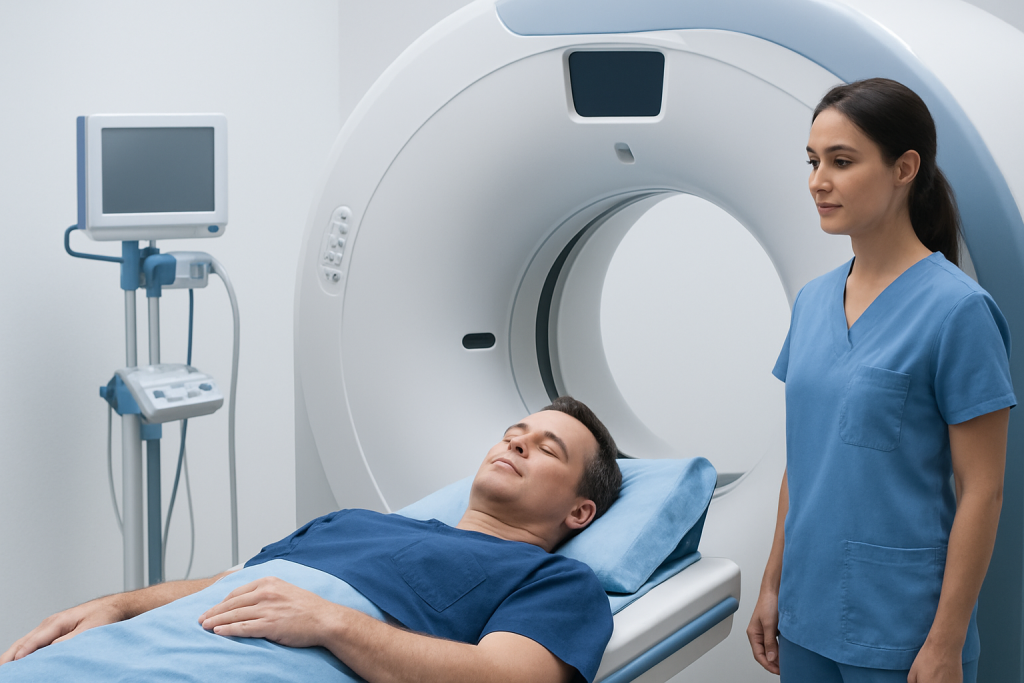
Depending on the issue, a doctor may use a neurological examination, mental health screening, cognitive testing, or imaging studies such as MRI or CT. These tools are used to assess the brain’s structure and function in medically meaningful ways, not by guessing from the skull’s surface.
For patients seeking care internationally, this distinction matters. A good medical team explains what each test can and cannot show, discusses the likely causes of symptoms, and avoids overpromising simple answers. At Acibadem Health Point, multidisciplinary specialists and JCI-accredited hospitals diagnose and treat neurological and related concerns for international patients in a coordinated, patient-centered way.
Prevention and Self-care
There is nothing to prevent in phrenology itself, but there are practical ways to avoid being misled by outdated or unsupported health claims. The most useful habit is to ask how a claim was tested, whether reputable medical organizations support it, and whether better explanations exist.
When a health topic sounds too neat or too certain, it is wise to slow down. Reliable care usually involves a full history, a physical or neurological examination when appropriate, and discussion of alternatives. A single visual cue or simplified chart rarely tells the whole story.
- Check whether the claim is supported by recognized medical bodies.
- Be cautious with anyone who offers personality, intelligence, or disease conclusions from appearance alone.
- Seek a second opinion if a diagnosis seems based on superstition or shortcuts.
- For actual symptoms, keep notes about timing, triggers, and changes over time.
When to See a Doctor
Phrenology itself does not require medical care, but concerns that might have once been mislabeled by such ideas do deserve proper evaluation. A doctor should assess new or worsening headaches, memory problems, speech changes, confusion, seizures, weakness, numbness, or major changes in mood or behavior.
It is also sensible to seek help if anxiety about brain health is affecting daily life. Many people feel uncertain when they read conflicting information online, and a qualified clinician can help separate normal variation from signs that need attention.
For international patients, choosing care in a setting that can coordinate testing, specialist review, and follow-up is especially helpful. Clear explanations, realistic expectations, and continuity after travel make the process safer and less stressful.
A Short Historical Legacy
Although phrenology is no longer accepted, it left a mark on the history of medicine and public thinking. It encouraged some early discussions about whether different parts of the brain have different functions, even though the method itself was flawed.
Its lasting value is mostly educational. It reminds readers that a theory can sound scientific, use technical language, and still be wrong. That is why modern health care relies on evidence, ethics, and regular re-evaluation rather than appearance-based judgments.
For anyone reading about brain health today, the safest path is to trust qualified professionals and well-established research. Real neurological care is more careful, more nuanced, and much more useful than the old promise that the skull can reveal the soul.
Frequently asked questions
Is phrenology still used in medicine?
No. Phrenology is considered a discredited pseudoscience and is not part of modern medical practice. Today, brain and mental health are assessed with evidence-based clinical methods.
Can skull shape reveal personality?
No reliable medical evidence supports that idea. Skull shape may vary for many normal reasons, but it does not accurately show character, intelligence, or abilities.
Why was phrenology popular if it was wrong?
It appeared to offer simple answers at a time when brain science was limited. It also used language and charts that seemed scientific, which made it persuasive to many people.
What is the modern study of the brain called?
Modern brain study is part of neuroscience, with contributions from neurology, psychology, psychiatry, and imaging science. These fields use research and clinical testing rather than skull reading.
Could phrenology ever help diagnose a medical problem?
No. It cannot diagnose neurological, psychiatric, or personality conditions. If someone has symptoms such as memory loss, headaches, or behavior changes, a medical evaluation is the right approach.
What should someone do if they are worried about brain health?
They should speak with a qualified doctor, especially if symptoms are new or worsening. A proper assessment can identify common causes, guide testing, and provide reassurance when findings are normal.
References
- National Institute of Neurological Disorders and Stroke
- Encyclopaedia Britannica
- American Psychological Association
- Stanford Encyclopedia of Philosophy
This article is for general information only and is not a substitute for professional medical advice. Please consult a qualified doctor about your individual situation.