Concussion Treatment

Key Takeaways
- A concussion is a mild traumatic brain injury that should still be taken seriously.
- Symptoms may appear right away or develop hours later, so observation matters.
- Treatment usually includes brief rest, symptom management, and a step-by-step return to activity.
- Children, older adults, and people with repeated head injuries may need closer follow-up.
- A doctor should assess warning signs such as worsening headache, vomiting, confusion, or loss of consciousness.
Concussion treatment focuses on careful assessment, short-term rest, symptom relief, and a gradual return to normal activity. With the right guidance, most people recover well, but monitoring is important because symptoms can evolve over time.
Overview
A concussion is a form of mild traumatic brain injury that happens when a blow, bump, or sudden jolt to the head or body affects the brain’s normal function. It can occur during sports, falls, traffic accidents, workplace injuries, or everyday mishaps. Although many concussions improve without surgery or hospital admission, they still deserve medical attention because the brain needs time and protection to recover.
Concussion treatment is less about a single medicine and more about the right sequence of care: recognizing the injury, checking for more serious brain damage, easing symptoms, and guiding a safe return to routine. For international patients, this often means making decisions quickly while traveling, speaking with clinicians who can explain the recovery plan clearly, and arranging follow-up even after returning home.
The goal is to avoid both extremes: too much activity too soon, which can prolong symptoms, and unnecessary prolonged rest, which can slow re-entry into normal life. A well-structured plan helps the person recover physically and mentally while reducing the chance of another injury during the healing period.
Symptoms
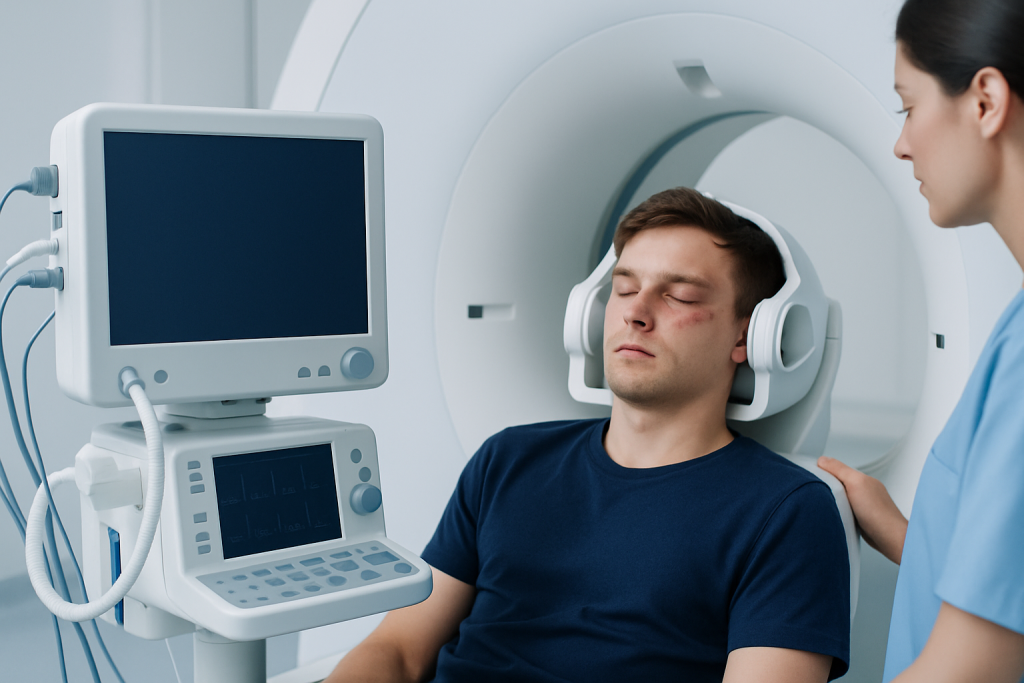
Concussion symptoms can be obvious or surprisingly subtle. Some people notice them immediately after the injury, while others feel “off” only later in the day. Common complaints include headache, dizziness, nausea, blurred vision, sensitivity to light or noise, balance problems, and a general sense of fogginess.
Changes in thinking and mood are also common. A person may have trouble concentrating, feel slowed down, become unusually irritable, forget recent events, or seem more tired than usual. In children and teenagers, parents may notice sleep changes, reduced attention, poor school performance, or behavior that feels different from normal.
Not every head injury causes loss of consciousness. In fact, many people with a concussion stay awake and walk away from the event, which is one reason the condition can be overlooked. Any persistent or worsening symptom should prompt a medical review, especially if the person is returning to sport, driving, working at heights, or managing a demanding travel schedule.
Causes & Risk Factors
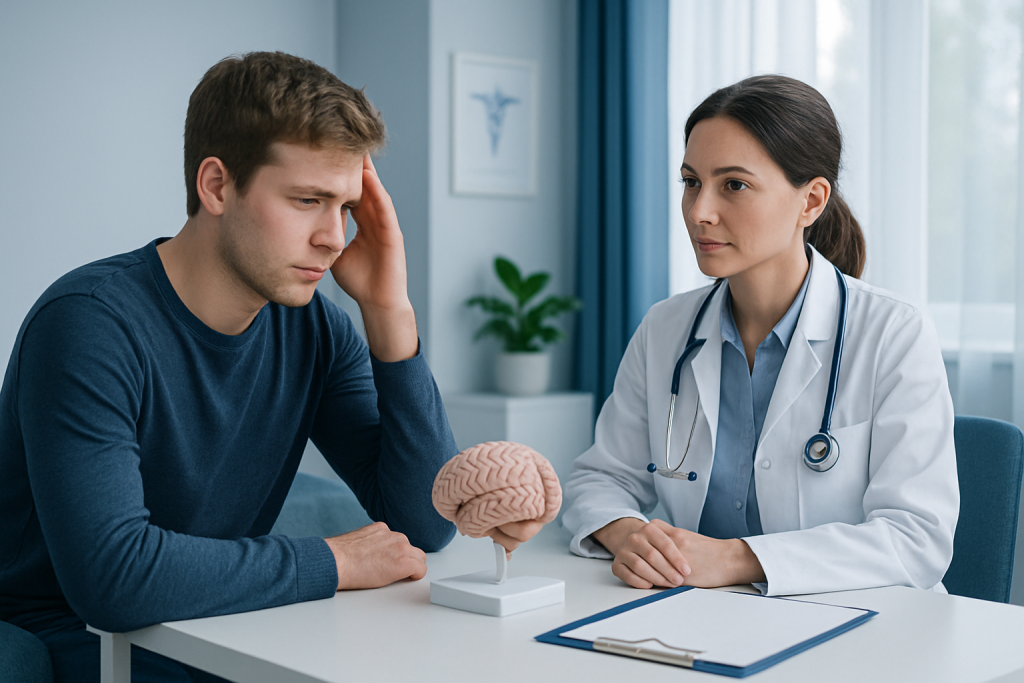
Concussions happen when the brain moves rapidly inside the skull. This movement can be caused by a direct hit to the head or by a force elsewhere on the body that sends the head whipping forward, backward, or sideways. Sports such as football, hockey, rugby, boxing, and cycling are well-known settings, but falls and motor vehicle accidents are also frequent causes.
Certain factors can raise the chance of concussion or make recovery more complicated. These include a previous concussion, participation in contact sports, poor balance, advancing age, use of medications that affect bleeding, and having a job or lifestyle with a high risk of repeated head impact. In children, the impact may be difficult to describe, so caregivers often need to watch for indirect signs.
Repeated concussions deserve special attention because the brain may be more vulnerable after one injury has already occurred. That is why clinicians often advise avoiding full contact activities until symptoms are gone and a structured return has been completed. For people traveling for care, documenting previous injuries and bringing any available imaging or medical records can help the treating team tailor advice more safely.
Diagnosis
Diagnosing a concussion begins with a careful history and neurological examination. A clinician usually asks how the injury happened, whether there was any loss of consciousness, what symptoms are present, and whether the person has had prior head injuries. Balance, coordination, eye movements, memory, attention, and mental status may all be checked.
Brain scans are not always needed for a concussion itself. However, imaging such as a CT scan may be recommended if the clinician is concerned about bleeding, skull fracture, or another more serious injury. This decision is based on symptoms, exam findings, age, medication use, and the mechanism of injury rather than on concussion alone.
Because symptoms can change over time, observation after the injury is important. Some patients recover at home with clear instructions, while others need emergency assessment, specialist input, or short-term monitoring. International patients may benefit from a center that can coordinate imaging, neurology review, and a practical follow-up plan before they travel onward.
Treatment Options
There is no single curative treatment for concussion; care is supportive and individualized. In the first stage, relative rest is usually advised for a short period, especially avoiding activities that trigger symptoms or risk another hit to the head. The person may need to reduce screen time, limit intense physical exertion, and step back from cognitively demanding tasks if these make symptoms worse.
As symptoms improve, gradual return to activity is often recommended. This may include light walking, then more structured exercise, and later a stepwise return to school, work, driving, and sports. The pace should be guided by symptoms and clinician advice rather than by a fixed calendar. If symptoms flare significantly, the person may need to pause and move back a step.
Treatment may also address specific symptoms. A doctor might suggest rest strategies for headache, hydration, sleep hygiene, vestibular or vision therapy for dizziness and balance issues, or rehabilitation for neck pain and coordination problems. In more complex cases, a multidisciplinary team may be involved, including neurology, rehabilitation medicine, physiotherapy, and sometimes psychology or occupational therapy.
For people recovering while far from home, it is helpful to leave the appointment with written guidance about activity limits, warning signs, and follow-up timing. If the injury occurred abroad, a clear handover note can make it easier for a local physician to continue care without repeating unnecessary tests.
Prevention & Self-care
Preventing a first concussion is not always possible, but many injuries can be reduced by safer habits and protective equipment. Helmets, seat belts, proper sports technique, and safer work practices all lower risk. In contact sports, rule enforcement and honest reporting of symptoms are just as important as gear.
After a concussion, self-care focuses on supporting recovery rather than “pushing through.” Adequate sleep, steady hydration, nutritious meals, and gentle movement as approved by a clinician can all help the body recover. Alcohol and recreational drugs are best avoided during the early recovery period because they can cloud symptoms and increase the chance of another injury.
A few practical habits often make recovery smoother:
- Keep environments calm and well lit if light sensitivity is present.
- Break work or study into short segments with rest breaks.
- Avoid driving until concentration, reaction time, and dizziness have clearly improved and a clinician says it is appropriate.
- Refrain from contact sports or risky activities until full medical clearance.
When to See a Doctor
A medical evaluation is advisable after any suspected concussion, especially when symptoms are ongoing or the mechanism of injury was significant. Even if the person feels mostly well, a clinician can confirm whether the injury is likely a concussion and whether there are reasons to look for a more serious problem.
Urgent care is important if there is worsening headache, repeated vomiting, increasing confusion, unusual behavior, trouble waking up, seizures, weakness, slurred speech, vision changes, or fluid or blood coming from the nose or ears. These signs do not automatically mean a severe brain injury, but they should never be ignored.
Extra caution is warranted for infants, older adults, people on blood thinners, and anyone with a history of multiple concussions or prolonged symptoms. If care is being arranged across borders, it is wise to seek assessment before traveling further, since symptoms can evolve and follow-up access may change once the person leaves the treating center.
Recovery and Follow-Up
Recovery from a concussion is often gradual, and the pace varies from person to person. Many people improve over days to weeks, but some continue to have headaches, sleep disturbance, concentration problems, or dizziness for longer. Follow-up appointments help clinicians track progress, adjust activity recommendations, and identify post-concussion symptoms that may benefit from rehabilitation.
School and work adjustments can be useful during recovery. Examples include shorter days, reduced screen exposure, extra time for tasks, and temporary relief from physically demanding duties. A thoughtful return-to-learn or return-to-work plan can prevent setbacks and make the transition less frustrating.
When symptoms linger, the right next step is not guesswork but reassessment. Persistent post-concussion symptoms may need a broader look at sleep, vision, neck injury, mood, balance, and headache patterns. Acibadem Health Point’s multidisciplinary specialists and JCI-accredited hospitals can help diagnose and treat concussion for international patients with coordinated, patient-centered care.
Living Safely After a Concussion
After the immediate recovery phase, the main aim is to reduce the chance of another head injury while the brain is still healing. This may mean pausing contact sports, making the home safer from falls, or modifying activities that involve ladders, bicycles, heavy machinery, or fast driving.
People often want a clear sign that they are “back to normal,” but recovery is better judged by function than by one single feeling. Comfortable sleep, normal concentration, steady balance, and the ability to tolerate daily tasks without symptom flare are all reassuring markers, though formal clearance should come from a qualified clinician when return to sport or higher-risk work is involved.
With sensible precautions and follow-up, most people move through concussion recovery successfully. The process is usually calmer and safer when the person, family, and care team share the same plan and know what to watch for along the way.
Frequently asked questions
What is the first step in concussion treatment?
The first step is to stop the activity and have the person assessed for symptoms and warning signs. A clinician will decide whether observation at home is enough or whether emergency evaluation or imaging is needed.
Do all concussions require a brain scan?
No. Many concussions are diagnosed through history and examination alone, and scans are used when there is concern about bleeding, fracture, or another more serious injury. The decision depends on the injury details and the person’s symptoms.
How long does concussion recovery usually take?
Recovery time varies widely from person to person. Many people improve within days to weeks, but some have symptoms for longer and need follow-up care or rehabilitation.
Should someone with a concussion stay in a dark room until they feel better?
Usually not for long. Brief rest can help early on, but prolonged strict rest is generally not recommended because it may slow return to normal activity and routine.
When can someone return to sports after a concussion?
Return to sports should happen gradually and only after symptoms have improved and a clinician says it is safe. Contact or collision sports should wait until full clearance is given.
Can a concussion happen without passing out?
Yes. Loss of consciousness is not required for a concussion, and many people never faint or black out. Symptoms may still affect thinking, balance, mood, and physical comfort.
References
- Centers for Disease Control and Prevention
- World Health Organization
- Mayo Clinic
- National Institute of Neurological Disorders and Stroke
- American Academy of Neurology
This article is for general information only and is not a substitute for professional medical advice. Please consult a qualified doctor about your individual situation.