Peripheral Vision

Key Takeaways
- Peripheral vision is the side vision that supports awareness of the surroundings and safe movement.
- A loss of peripheral vision may happen gradually, such as with glaucoma, or suddenly after an eye or brain-related event.
- An eye examination and visual field testing are often needed to identify the cause.
- Treatment depends on the underlying problem and may include eye drops, procedures, surgery, or specialist follow-up.
- Prompt assessment is important if vision changes appear suddenly or come with headache, eye pain, flashing lights, or weakness.
Peripheral vision helps a person notice movement and navigate safely without looking directly at every object. Changes in side vision can develop gradually or suddenly, and understanding the cause is important for timely eye care.
Overview
Peripheral vision is the part of sight that allows a person to detect what is happening to the left, right, above, and below without turning the head or eyes directly toward it. It is essential for walking through crowded places, driving, noticing movement, and maintaining balance in everyday life.
People often do not realize peripheral vision has changed until they start bumping into objects, missing steps, or feeling less confident in unfamiliar environments. Because the change can be subtle at first, it is easy to attribute it to fatigue or aging. A careful eye evaluation helps determine whether the issue is coming from the eyes, the optic nerve, or the brain.
Peripheral vision can be affected by many different conditions, and the experience varies from person to person. Some people notice a gradual narrowing of their visual field, while others describe a curtain-like shadow, blind spots, or sudden loss of one side of vision. The pattern of symptoms often gives clinicians useful clues about what is happening.
Symptoms
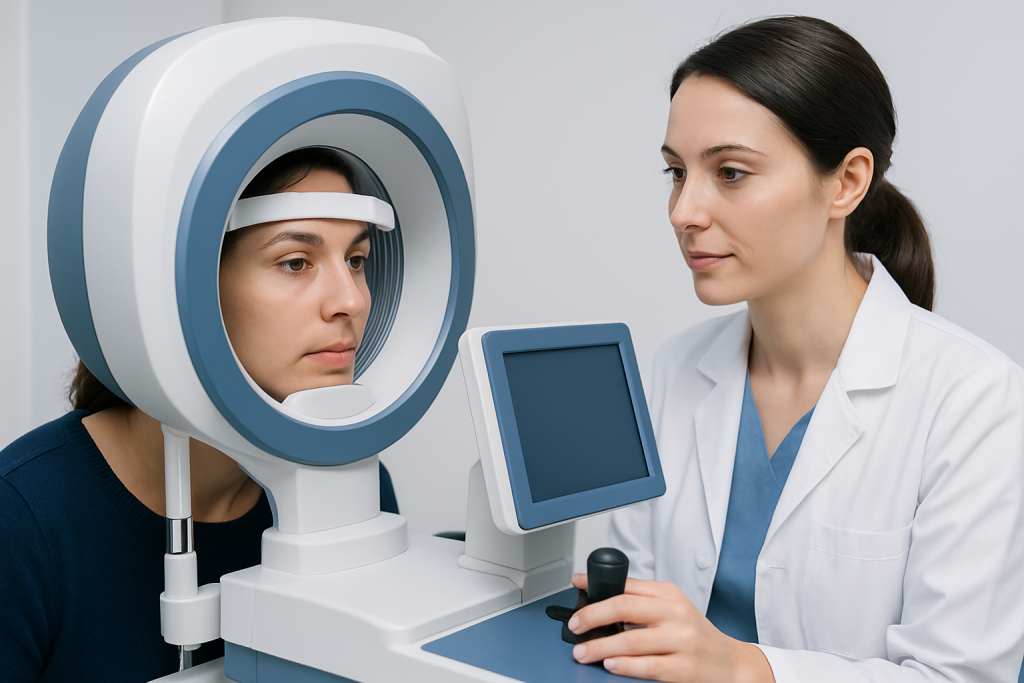
Changes in peripheral vision are not always obvious as a direct loss of sight. A person may simply feel less aware of people or objects approaching from the side, or may need to turn the head more often to compensate. Reading central text may remain normal, which is one reason the condition can go unnoticed for a long time.
Common ways peripheral vision problems may show up include:
- Bumping into doorframes, furniture, or people
- Difficulty seeing cars, cyclists, or pedestrians approaching from the side
- Missing objects placed near the edge of the visual field
- Needing to scan more widely to feel oriented
- Blind spots, dark areas, or a narrowing “tunnel” effect
When peripheral vision loss happens suddenly, it may be accompanied by other symptoms such as eye pain, flashes of light, floaters, headache, nausea, drooping, numbness, or trouble speaking. Those additional clues may point to an eye emergency or a neurological issue and should be assessed without delay.
Causes & Risk Factors
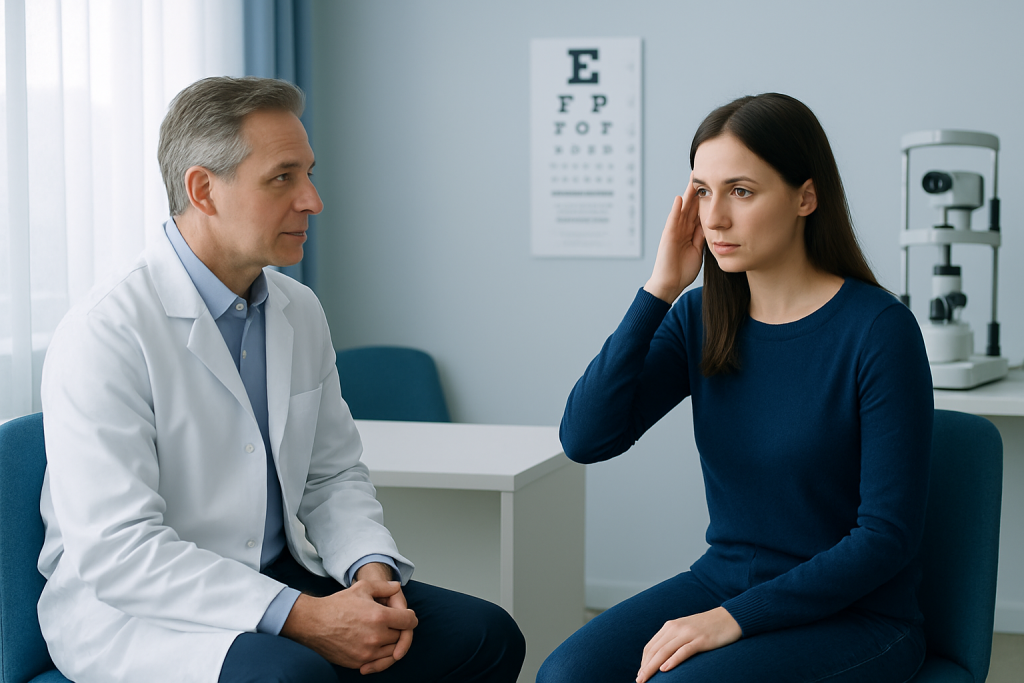
Peripheral vision can be affected by conditions involving the eye itself, the optic nerve, or the brain’s visual pathways. One of the most recognized causes is glaucoma, where damage to the optic nerve gradually reduces the visual field, often before central vision is affected. Other eye-related causes include retinal detachment, retinitis pigmentosa, cataracts in more advanced cases, and damage after trauma.
Neurological causes can also play a role. Stroke, brain tumors, traumatic brain injury, migraines with aura, and pressure on the visual pathways may lead to loss of part of the visual field. In some situations, the problem is temporary; in others, it may be persistent and require rehabilitation and long-term follow-up.
Risk is influenced by a person’s medical history and age, but it is not limited to older adults. Factors that can increase the chance of peripheral vision problems include:
- Family history of glaucoma or inherited retinal disease
- Diabetes or uncontrolled blood pressure
- Eye injury or previous eye surgery
- Smoking and vascular disease
- Older age
- Neurological conditions affecting the brain or optic nerve
For international patients arranging care abroad, it is especially helpful to bring prior eye records, imaging reports, and any previous visual field results. This allows the specialist team to compare changes over time and avoid repeating unnecessary testing.
Diagnosis
Diagnosis begins with a detailed conversation about when the change started, whether it is one eye or both, and whether the problem is constant or comes and goes. Clinicians also ask about headaches, flashes, eye pain, trauma, medications, and any history of neurological disease because these details help narrow the possible causes.
An eye examination usually includes checking visual acuity, eye pressure, pupil response, and the health of the retina and optic nerve. A visual field test is often central to the evaluation because it maps the full area a person can see and reveals missing sections that may not be obvious in daily life.
Depending on the findings, additional tests may be recommended. These may include optical coherence tomography, retinal imaging, blood work in selected cases, or brain and orbital imaging such as MRI or CT. If the pattern suggests a neurological cause, the eye specialist may coordinate care with neurology or emergency services so that evaluation is complete and timely.
Treatment Options
Treatment depends entirely on the cause of the peripheral vision change. There is no single remedy that restores all forms of side vision loss, which is why identifying the underlying condition matters. When treatment is started early, it may help preserve remaining vision and reduce further damage.
For glaucoma, treatment may involve eye drops to lower pressure, laser treatment, or surgery in selected cases. If a retinal detachment is the cause, urgent ophthalmic treatment is usually needed to protect vision. Inflammatory, infectious, or autoimmune causes may require medication targeted to the condition, while neurological causes are treated according to the underlying diagnosis.
Some people benefit from visual rehabilitation even when the original cause cannot be reversed. This can include training to scan more effectively, counseling on driving safety, and practical strategies for navigating home and work environments. For patients traveling internationally, follow-up planning is important so that medication schedules, test intervals, and warning signs are clearly understood before returning home.
Prevention & Self-care
Not every cause of peripheral vision loss can be prevented, but many people can lower risk by protecting eye health and staying consistent with routine examinations. Regular eye checks are especially important for those with diabetes, a family history of glaucoma, or previous eye injury. Early detection may identify problems before symptoms become disruptive.
Practical self-care focuses on safety and adaptation. Good lighting, clear walkways, and moving cautiously in unfamiliar spaces can reduce falls and collisions. People with visual field loss may need to be more intentional about head turning and scanning, particularly near stairs, traffic, or busy sidewalks.
Helpful habits may include:
- Keeping scheduled eye follow-ups even if central vision feels normal
- Wearing prescribed glasses or protective eyewear consistently
- Managing blood sugar, blood pressure, and vascular risk factors
- Avoiding driving until a clinician confirms it is safe
- Reporting any sudden change in vision promptly
Patients recovering abroad should ask for a clear written summary of the diagnosis, treatment plan, and follow-up timing. This makes it easier for local doctors at home to continue care without interruption.
When to See a Doctor
A person should seek medical evaluation if peripheral vision seems to be narrowing, if blind spots develop, or if there is any new difficulty navigating familiar spaces. Even gradual changes deserve attention, because many eye diseases progress quietly and are easier to manage when found earlier.
Urgent care is especially important if vision changes are sudden, one-sided, or accompanied by eye pain, flashes of light, a shower of floaters, a curtain over part of the vision, severe headache, weakness, facial drooping, or trouble speaking. These symptoms can indicate an emergency involving the eye or brain.
Acibadem Health Point’s multidisciplinary specialists and JCI-accredited hospitals diagnose and treat peripheral vision problems for international patients, with coordinated ophthalmology and neurology support when needed. The goal is to clarify the cause, preserve remaining vision where possible, and help each patient return home with a practical follow-up plan.
Frequently asked questions
What is peripheral vision?
Peripheral vision is side vision that helps a person notice movement and objects outside the direct line of sight. It supports balance, navigation, and awareness of the surrounding environment. Central vision is used for reading and seeing fine detail, while peripheral vision helps with broader awareness.
What are common signs of peripheral vision loss?
Common signs include bumping into objects, missing things at the edge of vision, and needing to turn the head more often to see what is nearby. Some people notice blind spots or a tunnel-like view. Because the change can be gradual, it may not be obvious at first.
Can peripheral vision come back?
Sometimes vision improves if the cause is temporary and treated early, such as certain retinal or inflammatory conditions. In other cases, especially when nerve damage has already occurred, the lost side vision may not fully return. Treatment then focuses on protecting remaining vision and improving safety.
Is peripheral vision loss always caused by an eye problem?
No. Problems with the optic nerve or brain can also affect the visual field. That is why doctors sometimes order imaging or a neurological evaluation in addition to an eye examination.
What test checks peripheral vision?
A visual field test is commonly used to measure peripheral vision. It helps map areas where sight is reduced or missing and can show patterns that point toward glaucoma, retinal disease, or neurological causes.
Should someone stop driving if they notice side vision changes?
Yes, it is wise to pause driving until an eye doctor or other qualified clinician confirms it is safe. Peripheral vision is important for spotting traffic, pedestrians, and hazards from the side. Safety should come first while the cause is being evaluated.
References
- American Academy of Ophthalmology
- National Eye Institute
- World Health Organization
- NHS
This article is for general information only and is not a substitute for professional medical advice. Please consult a qualified doctor about your individual situation.