

Periosteum

Key Takeaways
- The periosteum is a membrane that helps nourish bones and support repair after injury.
- Pain along a bone can sometimes come from periosteal irritation or inflammation.
- Diagnosis usually relies on history, examination, and imaging when needed.
- Treatment depends on the cause and may include rest, rehabilitation, or targeted medical care.
- Persistent, worsening, or unexplained bone pain deserves medical evaluation.
The periosteum is a thin but important layer of tissue that covers most bones and supports growth, healing, and protection. When it becomes inflamed or injured, it can contribute to bone pain and movement discomfort that should be assessed by a clinician.
Overview
The periosteum is a thin, fibrous membrane that covers the outer surface of most bones. It is easy to overlook because it is not visible from the outside, yet it plays an active role in keeping bone alive, helping it heal, and providing a place for muscles, tendons, and ligaments to attach.
From a patient’s point of view, the periosteum becomes especially relevant when pain develops after a strain, impact, infection, or repeated stress. Because this tissue is richly supplied with nerves and blood vessels, it can be a sensitive source of discomfort when irritated.
For people who travel for care, periosteal problems are usually evaluated as part of a broader orthopedic assessment. A specialist will look not only at the painful area, but also at how the symptom affects walking, work, exercise, sleep, and recovery plans after returning home.
Symptoms
When the periosteum is irritated or inflamed, the main symptom is often localized pain along the surface of a bone. The pain may feel sharp, aching, tender to touch, or worse during movement and better with rest, depending on the cause.
Some people notice swelling, warmth, or increased sensitivity over the area. If the issue is related to overuse, symptoms may begin gradually and become more noticeable with repeated activity. If infection or a significant injury is involved, the pain may appear more suddenly and may be accompanied by other signs such as fever, redness, or difficulty using the limb.
- Tenderness along a bone
- Pain during activity or direct pressure
- Swelling or a feeling of tightness
- Reduced movement because of discomfort
- Pain that does not settle as expected after rest
Causes & Risk Factors
Periosteal pain can arise from several different conditions, and the underlying cause matters more than the symptom itself. One common reason is repeated mechanical stress, especially in runners, dancers, and people who increase training intensity too quickly. This may irritate the periosteum or the tissues around it.
Trauma is another important cause. A direct blow, fracture, or even a small, hard-to-notice stress injury can affect the periosteum. In some cases, inflammation develops after surgery or after nearby soft tissues become strained. Less commonly, infection involving the bone or surrounding tissues can also irritate this layer.
Risk factors often include sudden changes in physical activity, poor footwear, altered biomechanics, low bone strength, and a history of prior bone injury. Certain medical conditions and medications may also influence bone and tissue health, which is why clinicians often review the full medical history rather than focusing on the painful area alone.
Diagnosis
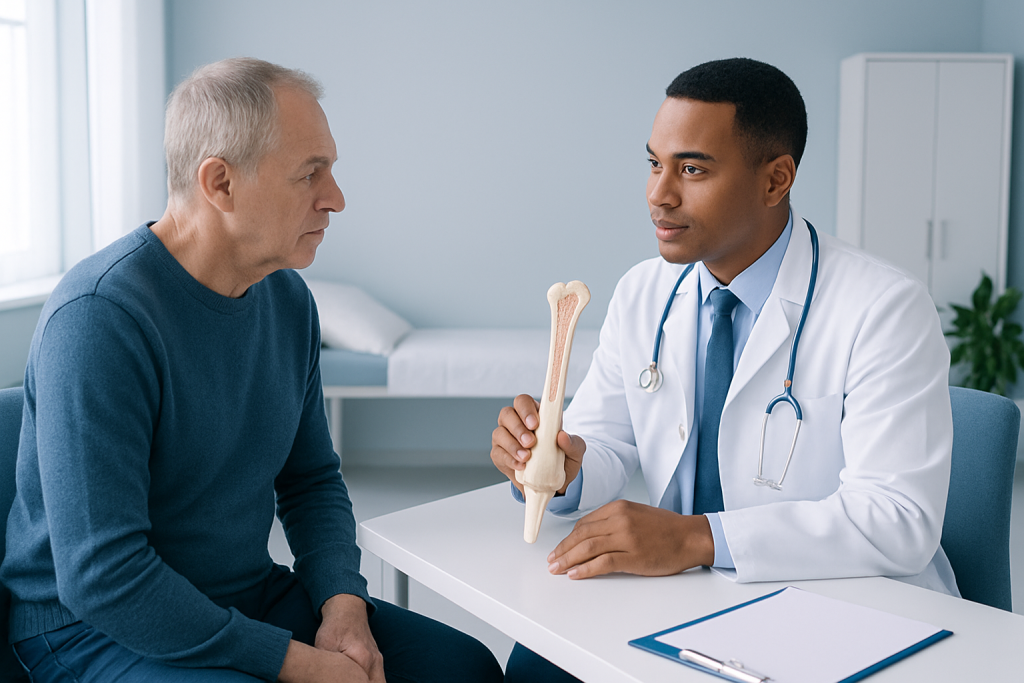
Diagnosis starts with a careful conversation about when the pain began, what makes it better or worse, and whether there was an injury or a recent increase in activity. A clinician will usually examine the area for tenderness, swelling, warmth, or changes in how the nearby joint or limb moves.
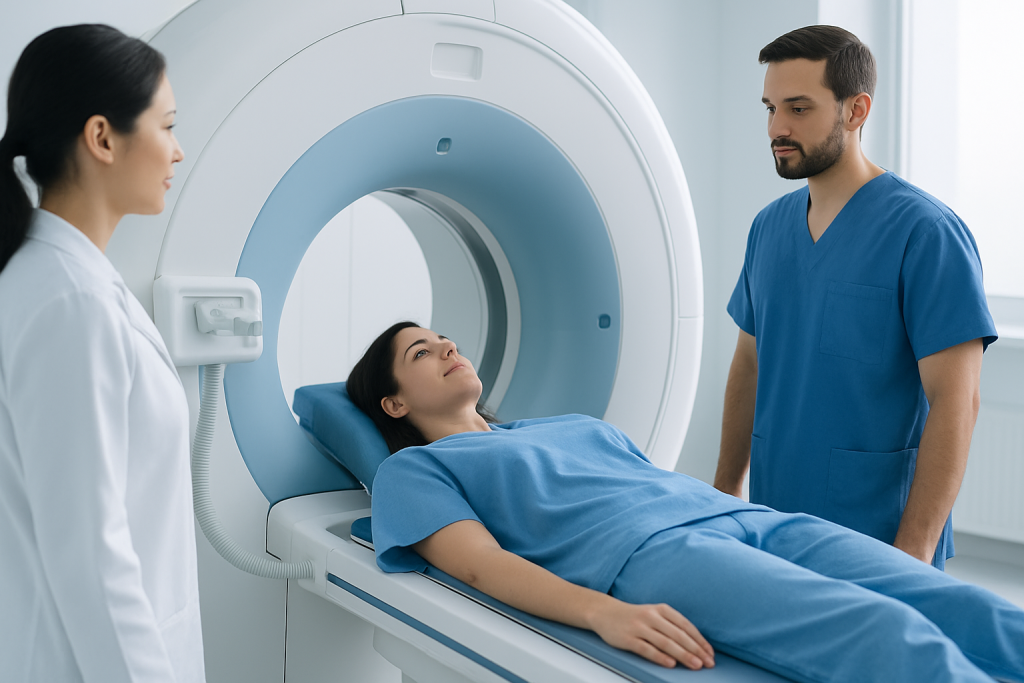
Imaging may be recommended if the cause is not obvious or if the clinician wants to rule out a fracture, stress injury, infection, or another bone condition. X-rays are often the first step, while MRI or other tests may be used when the pain persists or when more detail is needed.
In international-patient settings, diagnostic planning is often designed to be efficient, with imaging and specialist review coordinated over a short visit. This can help patients understand the cause of the pain clearly before they return home and continue recovery with a local physician if needed.
Treatment Options
Treatment depends on why the periosteum is painful or inflamed. For overuse-related problems, reducing the load on the affected bone is often an important first step. That may mean temporary rest from the activity, switching to lower-impact exercise, or adjusting training technique and equipment.
If a fracture or stress injury is present, immobilization or protected weight-bearing may be necessary. When infection is suspected or confirmed, treatment may involve medicines and sometimes a procedure or surgery, depending on severity. The goal is always to address the underlying cause rather than simply masking symptoms.
Rehabilitation can also be useful. Guided physiotherapy, gradual return to activity, and corrections to posture or movement patterns may lower the chance of the problem returning. For travelers who receive care abroad, the recovery plan should be clear enough to follow safely once they are back in their own country.
- Relative rest and activity modification
- Knee Pain Relief: Causes and Treatment" class="ahp-ilk">Pain relief measures recommended by a clinician
- Physical therapy or rehabilitation
- Immobilization when a bone injury is present
- Treatment of infection or other underlying disease
Prevention & Self-care
Not every periosteal problem can be prevented, but sensible bone and joint habits can reduce risk. People who exercise regularly may benefit from gradual training changes, proper footwear, and cross-training to avoid repeated overload of the same bone.
At home, it can help to respect pain as a signal rather than pushing through it. Short-term rest, gentle movement when appropriate, and following the care plan given by a clinician often support recovery better than forcing the area to keep working. Good nutrition, adequate hydration, and attention to overall bone health also matter.
If a person has traveled for orthopedic care, self-care should include keeping all follow-up documents, imaging reports, and rehabilitation instructions organized. That makes it easier for a local doctor to continue care smoothly if symptoms need long-term monitoring.
When to See a Doctor
Medical evaluation is appropriate when bone pain is persistent, worsening, or interfering with walking, exercise, sleep, or daily tasks. Pain after an injury should also be checked if there is visible swelling, deformity, inability to bear weight, or pain that is more severe than expected.
Urgent assessment is especially important if pain is paired with fever, redness, significant warmth, or general illness, as these findings can suggest infection. A doctor should also be seen if symptoms continue despite rest or if the pain returns repeatedly with the same activity.
In some cases, a multidisciplinary orthopedic team is helpful because bone pain may involve sports medicine, imaging, rehabilitation, and sometimes surgery. Acibadem Health Point’s multidisciplinary specialists and JCI-accredited hospitals diagnose and treat this condition for international patients, with care plans designed to support both treatment and follow-up.
Living With Periosteal Pain
When periosteal irritation is treated early and the underlying cause is corrected, many people improve steadily. The pace of recovery varies because the periosteum is not the problem by itself; it is usually a sign that something is stressing, injuring, or inflaming the bone or its covering.
Patients often do best when they combine medical guidance with practical changes in daily life. That may include pacing activity, using supportive footwear, attending rehabilitation sessions consistently, and asking for a clear plan for the weeks after treatment—especially if they are returning to another country.
Understanding the periosteum can make bone pain feel less mysterious. It also helps patients recognize that lasting relief usually comes from identifying the real cause and addressing it carefully, rather than waiting for the discomfort to disappear on its own.
Frequently asked questions
What is the periosteum in simple terms?
The periosteum is a thin layer of tissue that covers most bones. It helps nourish bone, supports growth and healing, and provides attachment points for nearby soft tissues.
Can the periosteum cause pain?
Yes. Because it contains nerves and blood vessels, it can be a source of pain when it becomes irritated, inflamed, or injured. Pain is usually felt along the surface of the bone.
What does periostitis mean?
Periostitis means inflammation of the periosteum. It can happen from overuse, injury, infection, or other bone conditions, so the cause needs to be identified before treatment is chosen.
How is periosteal pain diagnosed?
Doctors usually begin with a history and physical examination. Imaging such as X-rays or MRI may be ordered if a fracture, stress injury, or other bone problem is suspected.
Does periosteum pain always mean a fracture?
No. Fracture is one possible cause, but not the only one. Overuse, inflammation, infection, and other conditions can also affect the periosteum.
When should someone seek urgent care for bone pain?
Urgent care is important if pain follows a major injury, if there is deformity or inability to bear weight, or if fever and redness suggest infection. A doctor should also be consulted when pain keeps returning or does not improve with rest.
References
- Merck Manual Professional Edition
- Cleveland Clinic
- Mayo Clinic
- American Academy of Orthopaedic Surgeons
- National Institute of Arthritis and Musculoskeletal and Skin Diseases
This article is for general information only and is not a substitute for professional medical advice. Please consult a qualified doctor about your individual situation.
More from the Health Library



Related Specialists

Prof. Dr. Ahmet Alanay
Orthopedic Surgery & Traumatology
Dr. Sinan Aksu
Orthopedic Surgery & Traumatology
Dr. Sirri Baştürk
Orthopedic Surgery & Traumatology
Prof. Dr. Korhan Özkan
Orthopedic Surgery & Traumatology