Period Symptoms

Key Takeaways
- Period symptoms often include cramps, bloating, breast tenderness, mood changes, fatigue, and headaches.
- Some discomfort is common, but severe pain, very heavy bleeding, or sudden changes deserve medical review.
- Lifestyle measures, heat, rest, and appropriate medicines can help many people feel better during menstruation.
- Irregular, painful, or worsening periods may be linked to conditions such as endometriosis, fibroids, or hormonal changes.
- Tracking symptoms over time helps patients and doctors spot patterns and choose the right evaluation.
Period symptoms can range from mild discomfort to changes that noticeably affect daily life, and they often vary from one cycle to the next. Understanding what is common, what may signal a problem, and how to find relief can make menstrual care feel more manageable and less uncertain.
Overview
Period symptoms are the physical and emotional changes that may happen before and during menstruation. For some people, they are a predictable part of the cycle: a day or two of cramping, a sense of heaviness, and a need to slow down. For others, the symptoms are more disruptive and can affect sleep, work, travel, and overall comfort.
What matters most is not whether symptoms exist, but how intense they are and whether they follow a familiar pattern. A cycle that has always brought mild cramps is very different from one that suddenly becomes painful, unusually heavy, or irregular. When symptoms change, the body is often offering useful information.
Period symptoms can come from normal hormonal shifts, but they can also be linked to conditions that are treatable. That is why a thoughtful history, symptom tracking, and sometimes targeted tests help doctors distinguish between routine menstrual discomfort and an underlying issue.
Common Symptoms People Notice
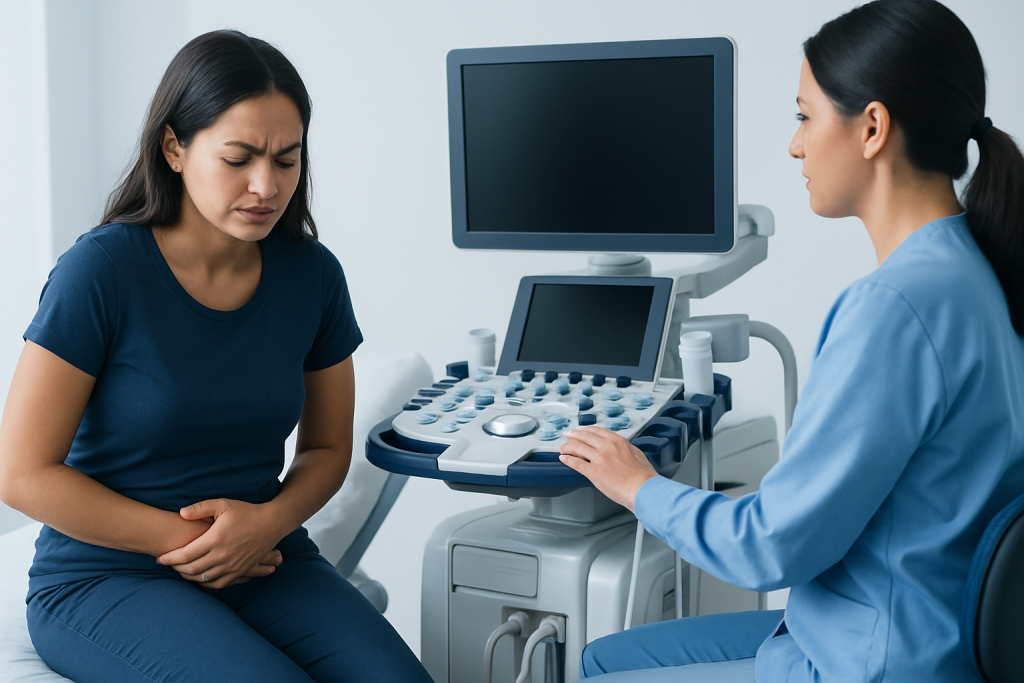
Menstruation does not feel the same for everyone, yet several symptoms appear often enough to be considered typical. Cramping in the lower abdomen or lower back is among the best-known period symptoms. It may feel dull, achy, or tightening, and it often starts shortly before bleeding or during the first days of the period.
Other common changes may include bloating, breast tenderness, headache, acne flare-ups, loose stools, constipation, fatigue, and a greater need for sleep. Some people also notice mood changes such as irritability, tearfulness, anxiety, or feeling less patient than usual in the days before bleeding begins.
- Lower abdominal or pelvic cramps
- Back pain
- Bloating or a feeling of fullness
- Breast tenderness
- Fatigue or low energy
- Headaches or migraines that worsen around the cycle
Bleeding patterns can vary too. Some individuals have a light flow with few symptoms, while others experience heavier bleeding that requires more frequent pad or tampon changes. The key is consistency: a person’s usual pattern is often more informative than any single symptom on one isolated day.
What Can Cause Period Symptoms to Feel Stronger
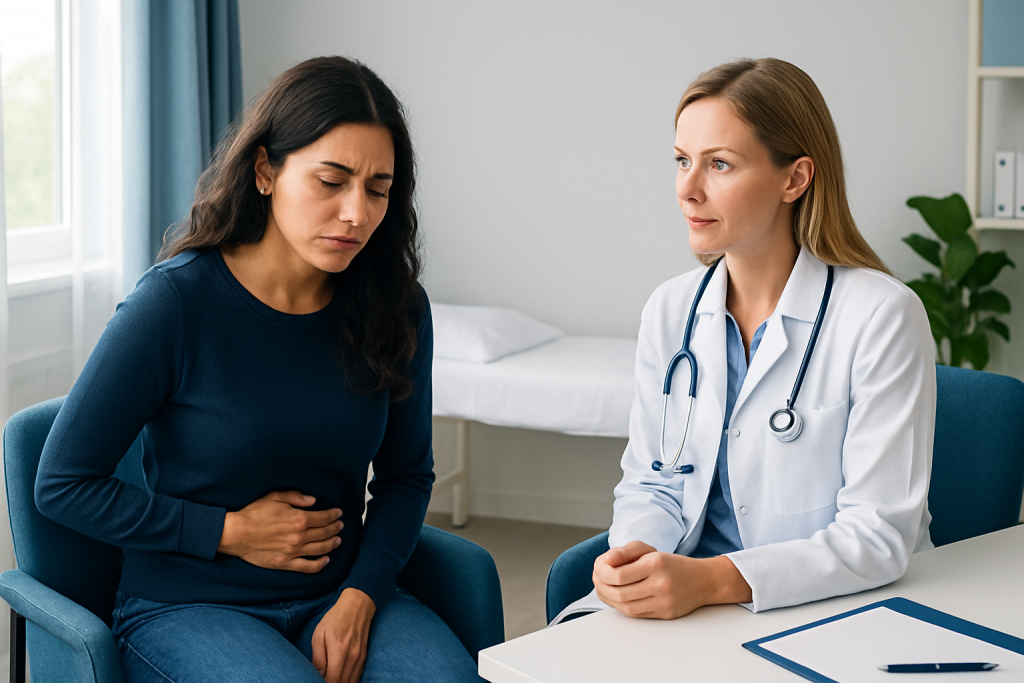
Period symptoms are strongly influenced by hormones, especially prostaglandins, which help the uterus contract. When prostaglandin levels are higher, cramps and other discomforts may feel more noticeable. This is one reason some people have mild periods while others have pain that is difficult to ignore.
Several factors can make symptoms worse. Stress, poor sleep, limited physical activity, and some underlying health conditions may all shape how a period feels. Changes in weight, new medications, perimenopause, and missed cycles can also alter the usual pattern.
Sometimes stronger symptoms are a clue to a medical condition. Endometriosis, adenomyosis, uterine fibroids, pelvic inflammatory disease, thyroid disorders, and bleeding or clotting problems can all affect menstrual comfort or flow. In international-patient care, doctors often begin by separating likely hormonal symptoms from signs that deserve imaging, blood tests, or specialist review.
Risk factors vary by symptom type, but a family history of painful periods, fibroids, endometriosis, or irregular cycles can increase the chance that menstruation will be more troublesome. New symptoms after years of easy cycles should be taken seriously, even if they still seem manageable.
How Doctors Evaluate Period Symptoms
Evaluation usually starts with a detailed conversation. A doctor may ask when symptoms began, how long they last, whether bleeding is heavier than usual, and whether pain is linked to the first day of bleeding or continues throughout the month. These details help show whether the pattern looks like primary menstrual discomfort or something that needs further investigation.
Doctors may also ask about medications, contraception, sexual health, pregnancy possibility, and family history. Depending on the symptoms, an examination and tests may follow. Common next steps include a pelvic exam, pregnancy test when appropriate, blood tests to check for anemia or hormone concerns, and ultrasound to look at the uterus and ovaries.
When symptoms suggest a more specific condition, further testing may be recommended. That may include additional imaging or referral to a gynecologist. For patients traveling from abroad, it can help to bring records of prior scans, lab results, medication lists, and a short symptom diary so the evaluation can move efficiently and with less repetition.
Treatment Options
Treatment depends on the cause, severity, and how much symptoms interfere with daily life. For common menstrual cramps, doctors may suggest non-prescription pain relief, warmth, movement, and rest. When bleeding is heavy or cycles are irregular, hormonal treatment or other targeted options may be considered under medical guidance.
Some people benefit from therapies that reduce hormone-related symptoms across the cycle. These may include certain contraceptive methods or treatments for specific diagnoses such as endometriosis or fibroids. If anemia has developed because of heavy blood loss, treating the iron deficiency is also part of care.
When an underlying condition is found, treatment is tailored to that condition rather than to the period symptoms alone. For example, fibroids may be managed differently from endometriosis, and thyroid-related cycle changes require endocrine care. The best plan usually combines symptom relief with attention to the cause.
Because treatment decisions can affect future fertility, bleeding patterns, and travel plans, they are often discussed in stages. That allows patients to choose options that fit their health goals, comfort level, and practical needs.
Prevention & Self-care
Not every period symptom can be prevented, but many can be softened. Heat applied to the lower abdomen, gentle activity, and adequate hydration can be simple ways to improve comfort. Some people find that stretching, yoga, or walking reduces cramping and helps with mood changes.
Keeping a cycle diary can be especially useful. Recording bleeding days, pain level, mood shifts, headaches, digestive changes, and any missed activities makes it easier to spot patterns. It also helps a doctor understand whether symptoms are stable, improving, or gradually getting worse.
Self-care is most effective when it fits the person’s usual cycle and overall health. Balanced meals, regular sleep, and managing stress may not erase symptoms, but they often make them easier to tolerate. If periods are consistently difficult, it is wise not to assume that suffering is simply part of normal menstruation.
- Use a heating pad or warm compress for cramps
- Stay lightly active if possible
- Track cycle dates and symptom changes
- Prioritize sleep and hydration
- Seek medical advice if symptoms become severe or unpredictable
When to See a Doctor
Medical advice is especially important when symptoms are new, severe, or clearly different from a person’s usual pattern. Pain that interferes with work, school, sleep, or travel should not be dismissed as a routine inconvenience. Periods that become suddenly heavy or irregular also deserve assessment.
A doctor should be contacted promptly if bleeding is very heavy, if there are signs of anemia such as marked fatigue or dizziness, or if pain occurs between periods or during sex. Fever, unusual discharge, fainting, or the possibility of pregnancy are also reasons to seek care.
People who are planning treatment abroad may benefit from an organized consultation before traveling, especially when symptoms have been ongoing for months or years. Acibadem Health Point’s multidisciplinary specialists and JCI-accredited hospitals diagnose and treat menstrual and gynecologic conditions for Myomectomy Recovery for International Patients: The Usual Travel Timeline" class="ahp-ilk">international patients, helping them move from uncertainty to a clearer plan of care.
Early assessment does not mean something serious is certain. More often, it simply means the right question is being asked at the right time, so symptoms can be managed in a way that is safer, more effective, and less disruptive.
Living With Period Symptoms in Daily Life
For many people, the practical challenge of period symptoms is not the bleeding itself but the timing. Symptoms can appear during exams, business trips, family events, or long flights, which makes planning around them important. Packing pain relief approved by a doctor, extra sanitary products, and comfortable clothing can reduce stress during travel.
Open communication can also help. Some people feel more comfortable discussing symptom patterns with a trusted clinician than trying to keep up with them alone. A clear diagnosis often brings relief because it replaces guesswork with a plan. Even when symptoms are lifelong, they can often be managed more effectively once the cause is understood.
The most helpful mindset is balanced: period symptoms are common, but that does not mean they should be ignored when they become difficult. With careful evaluation, many patients find a combination of lifestyle measures, medical treatment, and follow-up that makes their cycle far more manageable.
Frequently asked questions
What period symptoms are considered normal?
Mild to moderate cramps, bloating, breast tenderness, fatigue, and mood changes can all occur with a normal menstrual cycle. The important question is whether they are consistent, manageable, and not getting progressively worse. Sudden changes or severe symptoms should be reviewed by a doctor.
Why are my period cramps worse some months than others?
Symptoms can vary with stress, sleep, activity level, and hormone shifts from one cycle to the next. Sometimes stronger cramps happen without a serious cause, but they can also reflect conditions such as endometriosis or fibroids. Tracking the pattern helps a doctor sort out what is most likely.</a>
When should heavy periods be checked?
Periods that require very frequent product changes, last much longer than usual, or cause dizziness, weakness, or shortness of breath should be assessed. Heavy bleeding can lead to anemia and may signal a condition that benefits from treatment. A doctor can help identify the cause and discuss options.
Can stress make period symptoms worse?
Yes, stress can affect how the body experiences pain, fatigue, sleep, and digestive changes during the menstrual cycle. It may not be the only cause, but it can make symptoms feel more intense. Managing stress does not replace medical evaluation when symptoms are severe or changing.
Is it normal to have nausea or diarrhea during a period?
Some people do notice digestive symptoms around menstruation because hormone changes can affect the bowel. Mild nausea or looser stools may be part of a typical pattern. If the symptoms are intense, persistent, or accompanied by significant pain, they should be discussed with a doctor.
What helps most with period pain at home?
Heat, rest, light movement, and good hydration help many people feel better. Some may also benefit from doctor-approved pain relief or hormonal treatment, depending on the cause. If home measures are not enough, it is reasonable to seek medical advice.
References
- World Health Organization
- American College of Obstetricians and Gynecologists
- NHS
- Mayo Clinic
- Office on Women's Health
This article is for general information only and is not a substitute for professional medical advice. Please consult a qualified doctor about your individual situation.
More from the Health Library



Related Specialists

Prof. Dr. A. Taner Usta
Gynecology & Obstetrics
Prof. Dr. Ahmet Tayyar
Gynecology & Obstetrics
Prof. Dr. Ahmet Cem Batukan
Gynecology & Obstetrics
Dr. Sevgi Selen
Gynecology & Obstetrics