Adhd Symptoms In Women

Key Takeaways
- ADHD in women may appear as distractibility, mental overload, forgetfulness, or chronic disorganization rather than obvious hyperactivity.
- Hormonal changes, stress, and responsibilities at home or work can make symptoms feel more intense at different times.
- A careful assessment is important because ADHD can overlap with anxiety, depression, sleep problems, and thyroid issues.
- Treatment often combines education, lifestyle strategies, coaching or therapy, and, when appropriate, medication.
- Small, practical routines can make daily life more manageable while a woman is waiting for diagnosis or treatment follow-up.
ADHD in women is often missed because its signs can be quieter, less disruptive, or mistaken for stress, anxiety, or exhaustion. Understanding how symptoms may show up across daily life can help women seek the right evaluation and support sooner.
Overview
Attention-deficit/hyperactivity disorder, or ADHD, is a brain-based condition that affects attention, impulse control, organization, and follow-through. In women, it is often recognized later than in men because the signs may be less visible and easier to explain away as busy-ness, perfectionism, or emotional strain.
Many women grow up learning to compensate quietly. They may appear capable on the outside while privately spending a great deal of energy keeping up with deadlines, household tasks, family needs, and social expectations. When the effort becomes too heavy, the underlying pattern may finally come into view.
For international patients, this can be especially relevant during periods of transition such as moving abroad, traveling for work, or managing family life across time zones. New demands often expose the coping systems that had been masking ADHD for years.
Symptoms
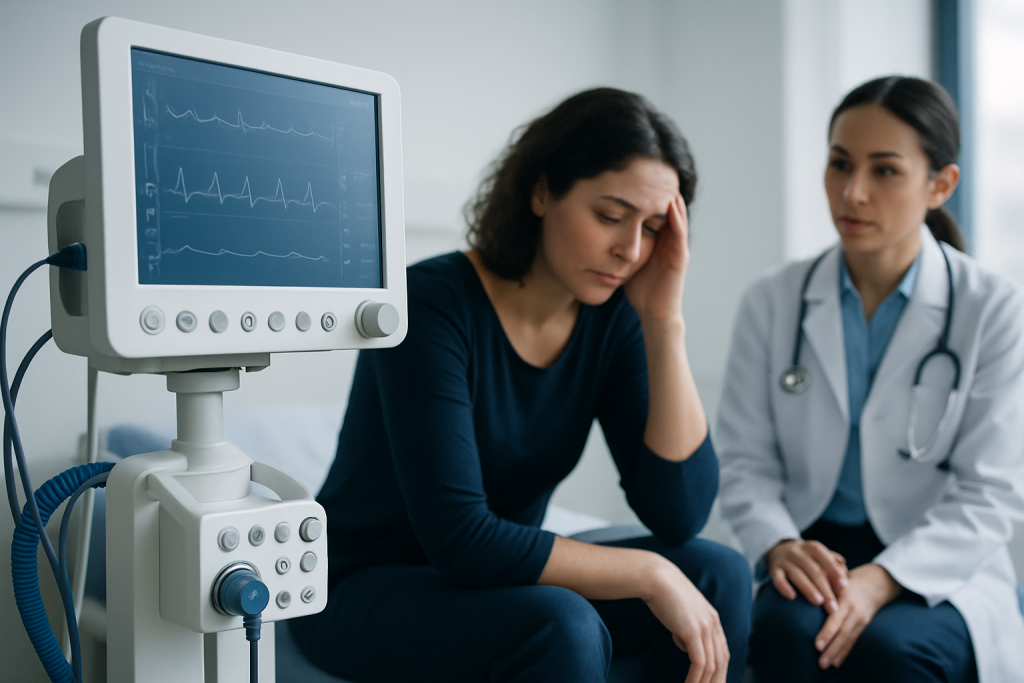
ADHD symptoms in women do not always look like constant fidgeting or disruptive behavior. Many women are more likely to experience inattentive symptoms, internal restlessness, and mental overload. The result can be a strong sense of trying hard but still falling behind.
Common signs may include:
- frequent forgetfulness, misplacing items, or missing small details
- difficulty starting tasks, especially when there are many steps
- unfinished projects despite good intentions
- losing track of time or underestimating how long things take
- feeling overwhelmed by routine planning and organization
- shifting focus quickly or being easily distracted
- internal restlessness, impatience, or a mind that feels constantly active
- emotional sensitivity, frustration, or feeling “too much” under pressure
Some women describe a life pattern of overpreparing to avoid mistakes, then feeling exhausted by the effort. Others notice that they can focus intensely on topics they enjoy but struggle with chores, paperwork, or repetitive tasks. These mixed experiences are common and can be confusing without a proper evaluation.
Symptoms may also become more noticeable during periods of hormonal change, such as the menstrual cycle, pregnancy, postpartum months, or perimenopause. Sleep loss, stress, and untreated anxiety can make the same symptoms feel more intense.
Causes & Risk Factors

ADHD is not caused by laziness, poor discipline, or weak character. It is linked to differences in brain development and function, and it often runs in families. Genetics play an important role, although no single cause explains every case.
Several factors may increase the likelihood that symptoms become noticeable or harder to manage. These include a family history of ADHD, childhood learning or behavior concerns, chronic sleep disruption, high stress, and other mental health conditions such as anxiety or depression. In women, life stages that affect hormones can also influence symptom severity.
Social expectations can shape how ADHD appears. Many girls learn to mask difficulties by being quiet, compliant, or perfectionistic. That compensation can delay recognition until adult responsibilities become more complex, making the condition seem sudden even when it has been present for years.
Diagnosis
Diagnosing ADHD in women starts with a detailed conversation about current symptoms and life history. A clinician usually asks how attention, planning, memory, and emotional regulation affect work, home life, relationships, and self-care. Childhood patterns matter too, because ADHD begins early even when it is not recognized until adulthood.
The evaluation may also include screening for conditions that can look similar, such as anxiety disorders, depression, sleep disorders, thyroid disease, medication side effects, and burnout. This step is important because treatment works best when the full picture is understood.
Women who travel for care may find it helpful to prepare in advance. A symptom list, school reports if available, previous diagnoses, medication history, and examples from daily life can make a remote or in-person consultation more productive. Bringing a spouse, sibling, or close friend’s observations can also help when symptoms are hard to summarize.
Treatment Options
There is no single treatment plan that fits every woman with ADHD. Care is usually personalized and may combine education, behavioral strategies, psychotherapy, coaching, and medication when appropriate. The goal is not to change personality, but to reduce the friction that symptoms create in daily life.
Medication can help some women improve attention and reduce impulsivity or mental restlessness. A clinician decides whether medication is suitable after reviewing other health conditions, possible side effects, and personal preferences. Regular follow-up matters, especially if symptoms shift with hormonal changes, stress, pregnancy, or changing work demands.
Non-medication approaches are also valuable. Cognitive behavioral therapy, ADHD-focused coaching, and practical skills training can help with planning, prioritizing, and emotional regulation. Many women benefit from learning how to break tasks into small steps, simplify routines, and reduce decision fatigue.
For patients coming from another country, treatment planning may include coordination of records, prescription continuity, and follow-up options after returning home. That continuity can be especially helpful when medication adjustments or therapy progress need to be monitored over time.
Prevention & Self-care
ADHD itself cannot be prevented, but its impact can often be reduced with supportive routines. Women frequently do best when the environment is adjusted to fit attention style rather than expecting constant self-correction. Small changes can make daily life feel more stable.
Helpful strategies may include:
- using a single calendar and reminder system consistently
- setting alarms for transitions, appointments, and medication if prescribed
- preparing items for the next day the evening before
- breaking large tasks into timed, manageable steps
- keeping essential objects in fixed places
- protecting sleep as much as possible
- limiting overload by simplifying schedules and commitments
Self-compassion is also part of good management. Many women have spent years interpreting ADHD traits as personal failings. A more accurate view is often the first step toward change: the challenge is real, and practical supports can make a meaningful difference.
When to See a Doctor
It is a good idea to speak with a doctor or mental health professional when attention problems, forgetfulness, overwhelm, or disorganization are interfering with work, study, parenting, relationships, or safety. A consultation is especially important if the symptoms have been present for years, are becoming more disruptive, or are accompanied by anxiety, low mood, or severe sleep problems.
Women should also seek evaluation if they suspect ADHD but have repeatedly been told they are simply stressed, disorganized, or emotional. A careful assessment can clarify whether ADHD is present, whether another condition is contributing, or whether more than one issue needs attention.
If care is being arranged internationally, an experienced multidisciplinary team can help coordinate assessment and treatment planning across borders. At Acibadem Health Point, multidisciplinary specialists and JCI-accredited hospitals diagnose and treat conditions like ADHD for international patients in a coordinated way, with follow-up considerations kept in mind.
Frequently asked questions
Why is ADHD in women often missed?
ADHD in women is often missed because symptoms may be less disruptive and more internal, such as daydreaming, overwhelm, or chronic disorganization. Many women also learn to mask difficulties, which can make the condition harder to recognize until adulthood.
Do ADHD symptoms change with hormones?
Some women notice that symptoms feel stronger at certain times, including around menstruation, postpartum, or perimenopause. Hormonal changes do not cause ADHD, but they can influence how noticeable symptoms feel.
Can ADHD look like anxiety or depression?
Yes. Trouble concentrating, forgetfulness, and exhaustion can overlap with anxiety, depression, and sleep problems. That is why a full evaluation is important before assuming one diagnosis explains everything.
How is ADHD diagnosed in adult women?
Diagnosis usually involves a detailed history of current symptoms, childhood patterns, and how daily life is affected. A clinician may also check for other conditions that can cause similar concerns.
What treatments help women with ADHD?
Treatment often includes education, structured routines, therapy or coaching, and sometimes medication. The best plan depends on symptoms, health history, and personal goals.
What can a woman do while waiting for an evaluation?
Using reminders, simplifying schedules, and breaking tasks into small steps can reduce daily stress. It also helps to collect past school records, note symptom examples, and track when symptoms feel worse.
References
- National Institute of Mental Health
- Centers for Disease Control and Prevention
- World Health Organization
- American Psychiatric Association
This article is for general information only and is not a substitute for professional medical advice. Please consult a qualified doctor about your individual situation.