Perimenopause

Key Takeaways
- Perimenopause is a natural stage, not a disease, but it can bring physical and emotional changes.
- Symptoms may include irregular periods, hot flashes, sleep changes, mood shifts, and vaginal dryness.
- Diagnosis is usually based on symptoms and age, not on one single test.
- Treatment can include lifestyle changes, non-hormonal options, and hormone therapy for some women.
- A doctor should be consulted if bleeding is very heavy, symptoms are disruptive, or changes feel unusual for the person’s age.
Perimenopause is the transition years before menopause, when hormone levels begin to fluctuate and menstrual cycles may change. Understanding the signs can help women choose the right support, feel more in control, and know when medical care is useful.
Overview
Perimenopause is the stretch of time when the ovaries gradually make less estrogen and progesterone, and the menstrual cycle begins to change before periods stop completely. For many women, this phase starts in the 40s, but it can begin earlier or later. It is a normal part of reproductive aging, although the experience can vary widely from one person to another.
Some women notice only mild changes. Others find that perimenopause affects sleep, concentration, energy, mood, or daily comfort in a way that feels hard to ignore. Because the symptoms can overlap with stress, thyroid disorders, anemia, or other conditions, a thoughtful medical review can be helpful when changes become persistent or difficult to interpret.
For international patients, perimenopause care often begins with a practical question: “Are these changes expected, or is something else contributing?” A good assessment looks at the whole picture, including menstrual pattern, symptom timing, medical history, and current life circumstances, so that advice is tailored rather than generic.
Symptoms
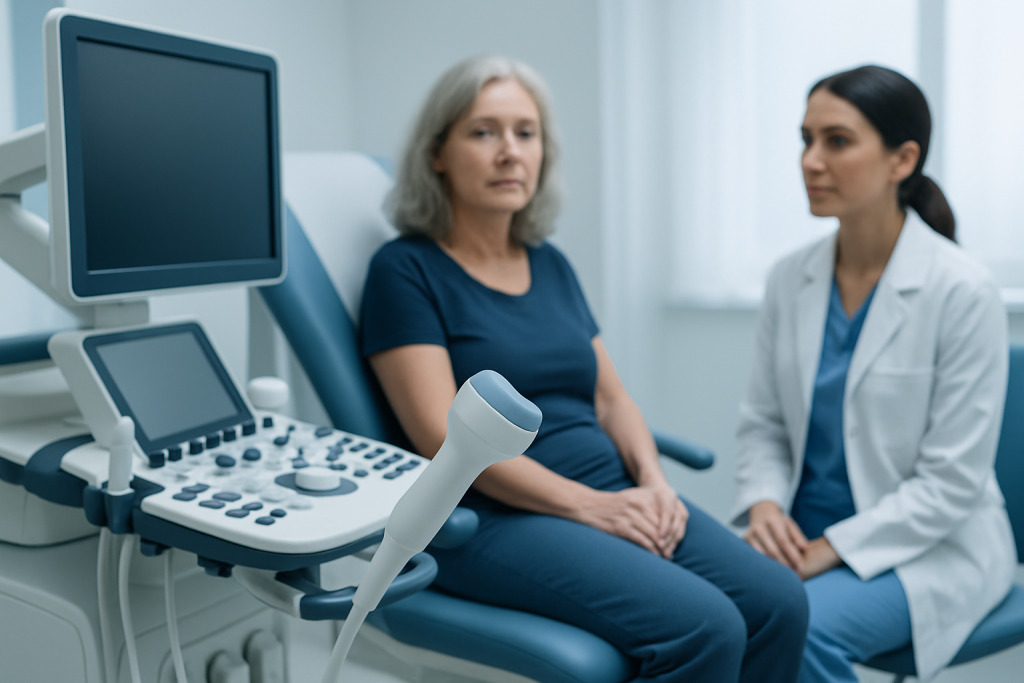
The first clues are often found in the menstrual calendar. Periods may come earlier or later than expected, vary in flow, or be skipped altogether for a month and then return. Some women also notice that cramps, premenstrual symptoms, or breast tenderness feel different from before.
Hormone fluctuations can also affect the body in ways that are not limited to the uterus. Common symptoms include hot flashes, night sweats, trouble falling asleep, waking too early, vaginal dryness, discomfort during sex, and changes in bladder comfort. These symptoms may come and go, which can make them feel unpredictable.
Emotional and cognitive changes are also common. Irritability, anxiety, low mood, a sense of being less resilient, or short-term forgetfulness may appear during this stage. These experiences are real and deserve attention, especially when they interfere with work, family life, or travel plans.
- Irregular or skipped periods
- Hot flashes and night sweats
- Sleep disruption or fatigue
- Mood changes, anxiety, or irritability
- Vaginal dryness or painful intercourse
- Brain fog or difficulty concentrating
Causes & Risk Factors

Perimenopause happens because the ovaries gradually become less consistent in releasing eggs and producing hormones. Estrogen does not fall in a straight line; instead, it rises and falls in uneven patterns, which explains why symptoms can feel erratic. Progesterone also decreases as ovulation becomes less predictable.
Age is the main factor, but the timing and experience can vary. Family history may influence when the transition starts. Smoking is associated with an earlier menopause transition, and some medical treatments or surgeries that affect the ovaries can change timing as well.
Perimenopause is not caused by lifestyle mistakes, and it is not something a woman has done wrong. However, overall health can influence symptom intensity. Sleep deprivation, high stress, certain medications, thyroid disease, and heavy alcohol use may make symptoms feel more noticeable or harder to manage.
Diagnosis
There is no single blood test that confirms perimenopause for every woman. In many cases, diagnosis is based on age, symptoms, and changes in the menstrual pattern. A clinician usually starts with a detailed conversation about cycle changes, hot flashes, sleep, mood, sexual comfort, and any recent health concerns.
Tests may be used to rule out other explanations rather than to “prove” perimenopause. Depending on the situation, this may include pregnancy testing, thyroid testing, evaluation for anemia, or other hormone-related assessment. For women with unusual bleeding patterns, further investigation may be needed to protect against missing another cause.
When international patients seek care, it is especially useful to bring a simple timeline: last several periods, symptom onset, medications, surgeries, and any prior lab results. That history helps the team avoid unnecessary testing and focus on the most relevant possibilities.
Treatment Options
Treatment is shaped by the symptoms that matter most to the individual. Some women do well with reassurance and practical changes alone, while others need medical therapy to improve sleep, bleeding, hot flashes, or vaginal symptoms. The goal is comfort, function, and safety rather than forcing a one-size-fits-all plan.
Hormone therapy may be considered for appropriate candidates, especially when hot flashes, night sweats, or vaginal symptoms are prominent. It is not suitable for everyone, so the benefits and risks must be reviewed carefully, including personal and family medical history. For women who cannot or do not want to use hormones, non-hormonal medications may help with vasomotor symptoms or mood-related concerns.
Other options can be very useful, especially when symptoms are milder or travel makes follow-up timing important. These may include vaginal moisturizers or lubricants, medication for heavy bleeding in selected cases, and treatment of related issues such as sleep difficulty or anxiety. A clinician can also check whether other conditions are making symptoms worse and address those directly.
- Hormone therapy for selected women
- Non-hormonal medicines for hot flashes or sleep-related symptoms
- Local vaginal treatments for dryness and discomfort
- Management of heavy or irregular bleeding when needed
- Support for mood, sleep, and overall wellbeing
Prevention & Self-care
Perimenopause itself cannot be prevented, but its impact can often be softened through consistent habits. Regular physical activity supports mood, sleep, bone health, and weight stability. A balanced eating pattern with enough protein, calcium, and vitamin D is also helpful, especially as long-term bone strength becomes more important.
Sleep becomes a central issue for many women during this transition. Keeping the bedroom cool, limiting alcohol close to bedtime, maintaining a regular sleep schedule, and reducing late caffeine intake may make nights easier. Stress management also matters, because stress can amplify hot flashes, mood swings, and fatigue.
For women traveling for care, self-care includes planning ahead for follow-up and symptom tracking. A simple notes app or paper calendar can record cycle changes, bleeding amount, sleep quality, and triggers such as heat or alcohol. This makes remote follow-up more productive and helps the care team understand what is improving and what still needs attention.
- Move regularly, including weight-bearing exercise
- Prioritize sleep routines and a cool sleeping environment
- Use lubrication or moisturizers for vaginal dryness
- Limit smoking and moderate alcohol intake
- Track periods and symptoms over time
When to See a Doctor
Medical evaluation is useful when symptoms disrupt daily life, interfere with sleep, or create uncertainty about what is normal. It is also wise to seek care if periods become very heavy, occur too frequently, last much longer than usual, or happen after a long gap and then return with strong bleeding. These patterns deserve assessment rather than reassurance alone.
A doctor should also be consulted if symptoms start at an unusually young age, if there is bleeding after sex, if pelvic pain is new, or if mood changes are severe. Sometimes the issue is perimenopause, but sometimes it is thyroid disease, a medication effect, fibroids, endometrial changes, or another condition that should not be overlooked.
Women living abroad or planning medical travel may benefit from choosing a center that can coordinate gynecology, laboratory review, imaging when necessary, and follow-up advice in one pathway. At Acibadem Health Point, multidisciplinary specialists and JCI-accredited hospitals diagnose and treat perimenopause-related concerns for international patients in a coordinated way.
Living Well Through the Transition
Perimenopause is often described as a bridge, but for many women it feels less like a single bridge and more like a winding road with changing weather. Some days are straightforward, and others bring symptoms that seem to arrive without warning. Having a clear explanation of what is happening can reduce anxiety and make the stage easier to navigate.
It helps to think in terms of patterns rather than isolated bad days. If hot flashes are linked to poor sleep, or heavy bleeding is linked to fatigue, those patterns can guide treatment choices. Small, steady adjustments are often more effective than trying to change everything at once.
With the right support, most women can move through perimenopause while staying active, engaged, and informed. The most useful care is usually the kind that listens closely, rules out other causes when needed, and adapts to a woman’s health goals, whether she is at home or seeking treatment from another country.
Frequently asked questions
How long does perimenopause usually last?
The length varies widely from person to person. For many women it lasts several years, but there is no exact timeline that fits everyone. The transition ends when menopause is reached, which is defined as 12 months without a menstrual period.
Can perimenopause cause anxiety or mood changes?
Yes, hormone fluctuations can affect mood, sleep, and stress tolerance. Some women notice irritability, anxiety, or low mood during this time. If symptoms are severe or persistent, a doctor should evaluate whether treatment or another diagnosis is needed.
Do irregular periods always mean perimenopause?
No, irregular periods can have several causes. Perimenopause is common, but pregnancy, thyroid problems, fibroids, stress, and other conditions can also change the menstrual pattern. A medical review is helpful when the pattern is new or unusual.
Is hormone therapy the only treatment for perimenopause symptoms?
No, treatment depends on the symptom pattern and personal health history. Non-hormonal medicines, vaginal treatments, sleep support, and lifestyle measures may all be helpful. A clinician can help decide what is appropriate and safe.
Can perimenopause affect sexual comfort?
Yes, lower estrogen can lead to vaginal dryness, irritation, and discomfort during sex. Lubricants, moisturizers, and other local treatments may help, and a doctor can suggest options based on the situation. This is a common concern and worth discussing openly.
When should bleeding be checked urgently?
Bleeding that is very heavy, prolonged, happens after sex, or causes dizziness or weakness should be assessed promptly. It is also important to seek care if bleeding starts after a long interval or if there is any chance of pregnancy. A clinician can determine whether the pattern fits perimenopause or needs another evaluation.
References
- World Health Organization
- American College of Obstetricians and Gynecologists
- North American Menopause Society
- National Institute on Aging
This article is for general information only and is not a substitute for professional medical advice. Please consult a qualified doctor about your individual situation.