Copper Iud

Key Takeaways
- A copper IUD is a highly effective, non-hormonal method of birth control.
- It works mainly by creating an environment that prevents sperm from fertilizing an egg.
- Common early effects can include heavier periods, more cramps, or spotting.
- Insertion is a short medical procedure done by a qualified clinician.
- People with certain uterine conditions, unexplained bleeding, or pelvic infections may need another option.
- A doctor can help decide whether a copper IUD fits a person’s health goals and menstrual pattern.
A copper IUD is a small, T-shaped, non-hormonal device placed in the uterus to prevent pregnancy. It is a long-acting option that can suit people who want effective contraception without daily action or hormones.
Overview
A copper IUD is a small contraceptive device that sits inside the uterus and provides long-term pregnancy prevention. It does not release hormones, which makes it appealing to people who prefer a hormone-free method or who cannot use estrogen-based contraception.
The device is shaped like a T and is usually made of flexible plastic wrapped with copper wire or sleeves. Once placed by a trained clinician, it can work for years and does not require a daily reminder, refill, or routine action after insertion.
For many people, the copper IUD is considered part of a practical, low-maintenance plan for reproductive health. It can be especially helpful for international patients who want a reliable contraceptive option before traveling, during a temporary stay abroad, or while waiting to settle into a new care routine in another country.
How it works
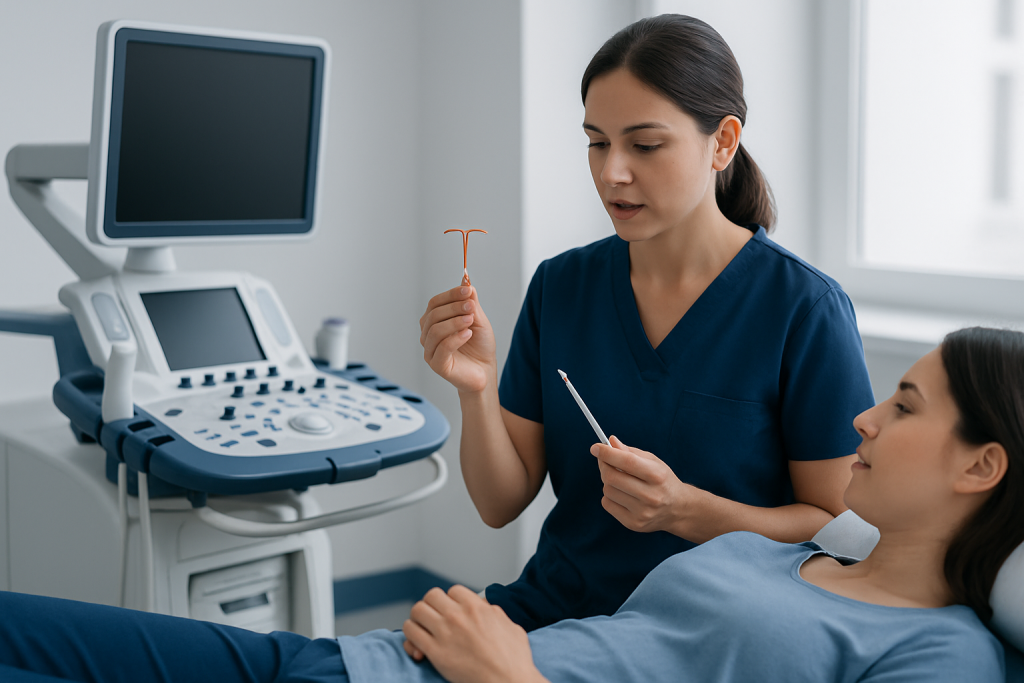
The copper IUD prevents pregnancy mainly by changing the uterine and cervical environment in a way that makes sperm less likely to survive and move effectively. Copper has a natural sperm-reducing effect, which helps stop fertilization before it can happen.
If fertilization is already a concern after unprotected sex, the copper IUD may also be used as emergency contraception when it is placed within the recommended time window by a clinician. This makes it one of the few methods that can serve both ongoing and emergency needs, depending on the situation and medical advice.
Because it works locally in the uterus rather than through the bloodstream, it does not depend on remembering pills or on hormone levels being stable. That local action is one reason many patients find it reassuring and straightforward.
Symptoms and what to expect after insertion
Insertion is usually done in a clinic and may take only a few minutes, but the experience can feel different from person to person. Some people notice cramping, pressure, lightheadedness, or brief discomfort during the procedure, while others find it manageable and quick.
In the first few months after placement, it is common to see changes in bleeding patterns. Periods may become heavier, longer, or more crampy at first, and spotting between periods can also occur while the body adjusts.
Possible signs that deserve medical attention include severe pelvic pain, fever, foul-smelling discharge, very heavy bleeding, or concern that the device may have moved. A clinician should evaluate these symptoms rather than assuming they are normal adjustment changes.
Causes and risk factors
The copper IUD itself does not cause pregnancy prevention through hormones or daily metabolic changes; instead, its design and copper content create the contraceptive effect. Its ability to remain in place makes it useful for long-acting contraception, but it is still important that insertion is performed correctly and follow-up guidance is understood.
Not everyone is a suitable candidate. A clinician may consider other options if a person has unexplained vaginal bleeding, current pelvic infection, certain uterine shape differences, a known copper allergy, or a pregnancy. People with a history of heavy menstrual bleeding or painful periods may also want a careful discussion because the copper IUD can make these symptoms more noticeable.
Risk is not only about medical history; timing matters too. Travel schedules, access to follow-up care, and the ability to return if symptoms develop can influence whether this option is appropriate for someone planning treatment abroad.
Diagnosis and evaluation before placement
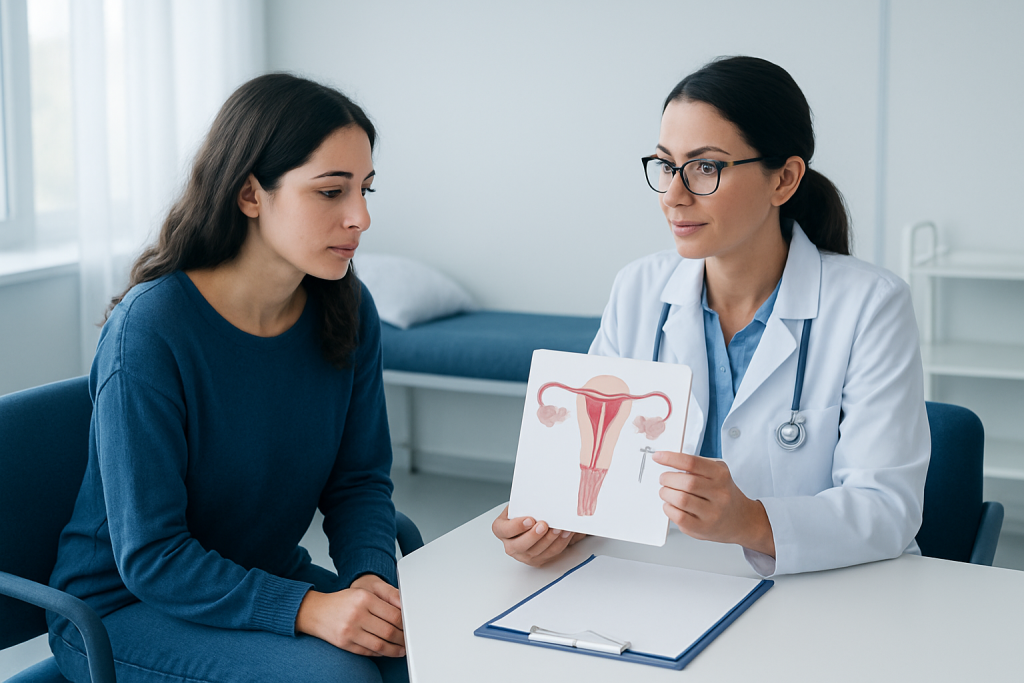
There is no special test to “diagnose” the need for a copper IUD, but a clinician evaluates whether it is safe and suitable. That review usually includes a menstrual history, pregnancy assessment, pelvic examination when needed, and discussion of past infections, surgeries, or uterine conditions.
Sometimes additional testing is recommended, such as screening for sexually transmitted infections or an ultrasound if the anatomy needs a closer look. These steps help confirm that placement will be safe and that the patient understands what to expect afterward.
For international patients, this evaluation can be especially valuable before travel or a planned hospital visit. It helps align the procedure, recovery time, and follow-up schedule with the person’s trip and access to care once they return home.
Treatment options and insertion process
The copper IUD is itself a treatment option for long-term contraception, and placement is usually performed in an outpatient setting. A clinician inserts the device through the cervix into the uterus using a narrow applicator, and many patients go home shortly afterward.
Before insertion, a clinician may discuss pain-relief strategies, timing of placement in the menstrual cycle, and whether infection screening or pregnancy testing is appropriate. The exact approach depends on the patient’s history and the clinic’s protocol, not on a one-size-fits-all routine.
After placement, the clinician may advise checking the IUD strings periodically, though the patient should be shown how to do this comfortably and without anxiety. If placement is difficult or symptoms are unusual, imaging or follow-up examination may be used to confirm position.
- Short clinic visit with local support
- Non-hormonal, long-acting contraception
- May be used for emergency contraception in some cases
- Removal is also performed by a clinician whenever pregnancy is desired or the device is no longer suitable
Prevention and self-care
Good self-care after insertion usually focuses on comfort and observation rather than special restrictions. Resting briefly after the procedure, using any approved pain-relief measures recommended by the clinician, and monitoring bleeding or cramping can help the first days feel more manageable.
It is sensible to keep a simple record of menstrual changes, pain levels, or any unusual symptoms in the first few months. That information can make follow-up visits more useful, especially for patients balancing treatment with travel, work, or family responsibilities in another country.
Because the copper IUD does not protect against sexually transmitted infections, barrier protection may still be appropriate when STI prevention is a concern. Regular gynecologic care remains important, even when a person feels well and the device is working as expected.
When to see a doctor
A doctor should be contacted if there is severe or persistent pelvic pain, a fever, very heavy bleeding, pregnancy symptoms, or concern that the device has shifted. Sudden changes in string length or inability to feel strings can also justify a check, especially if the patient was previously able to feel them.
Medical review is also appropriate if periods become so heavy or painful that daily activities are affected, or if there is concern about infection. It is better to ask early than to try to judge whether symptoms are “normal” on one’s own.
People planning a move, long trip, or treatment abroad may want to arrange follow-up before leaving home so there is a clear plan if questions arise later. Acibadem Health Point’s multidisciplinary specialists and JCI-accredited hospitals can diagnose and treat this condition for international patients as part of coordinated women’s health care.
Frequently asked questions
How effective is a copper IUD?
A copper IUD is considered one of the most effective reversible contraceptive options. Its effectiveness is high because it works continuously once placed and does not depend on daily use or timing. A clinician can explain how it compares with other methods based on individual needs.
Does a copper IUD contain hormones?
No, a copper IUD is non-hormonal. It prevents pregnancy through the effect of copper and the presence of the device in the uterus. This can make it a good option for people who want to avoid hormonal contraception.
Will periods change after getting a copper IUD?
They may. Many people notice heavier bleeding, more cramping, or spotting in the first months after insertion. These changes often improve over time, but a clinician should evaluate bleeding that feels excessive or disruptive.
Can a copper IUD be removed if pregnancy is desired?
Yes, removal is done by a clinician and fertility can return quickly afterward. People who are planning pregnancy can discuss timing and any next steps during a routine visit.
Is the insertion painful?
The experience varies, and some people feel only brief cramping or pressure while others find it more uncomfortable. Clinicians can discuss ways to make the procedure easier, including timing, support, and pain-relief options when appropriate.
Can anyone use a copper IUD?
Not everyone is an ideal candidate. A clinician will review menstrual history, uterine health, infection risk, and other factors before recommending it. A personalized assessment helps choose the safest and most practical contraceptive option.
References
- World Health Organization
- Centers for Disease Control and Prevention
- American College of Obstetricians and Gynecologists
- National Health Service
- Mayo Clinic
This article is for general information only and is not a substitute for professional medical advice. Please consult a qualified doctor about your individual situation.