Rectocele

Key Takeaways
- Rectocele is a common pelvic support problem that often develops gradually.
- Symptoms may include vaginal bulging, bowel difficulty, and pelvic pressure.
- Diagnosis usually starts with a pelvic exam and a discussion of bowel habits and symptoms.
- Many people improve with lifestyle measures, pelvic floor therapy, and other non-surgical care.
- Surgery may be considered when symptoms remain troublesome or daily life is affected.
Rectocele is a form of pelvic organ prolapse in which the wall between the vagina and rectum weakens, allowing the rectum to bulge toward the vaginal opening. It can cause pressure, constipation, and a feeling of incomplete bowel emptying, but many treatment options can improve comfort and daily function.
Overview
Rectocele is a type of pelvic organ prolapse. It happens when the tissue and muscles that normally support the space between the vagina and rectum become stretched or weakened, allowing the rectum to push forward toward the vaginal wall.
For many women, the change is mild and noticeable only when trying to empty the bowels, especially if stools are hard or straining is frequent. In other cases, the bulge can be felt or seen as a pressure or fullness in the vagina, particularly toward the end of the day or after standing for long periods.
Although the term may sound alarming, rectocele is usually not an emergency. It is a structural support issue, and care is often focused on easing symptoms, improving bowel habits, and restoring quality of life. For women considering treatment from another country, the decision often begins with a straightforward question: how much is the condition affecting comfort, travel, work, intimacy, or everyday routines?
Symptoms
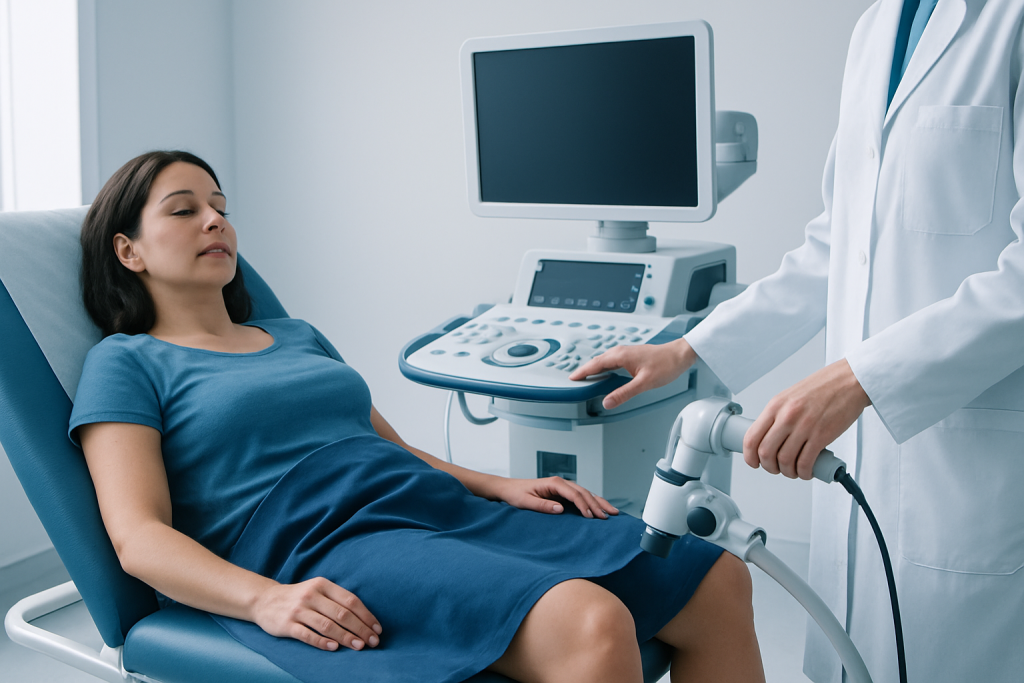
Rectocele symptoms vary from person to person. Some women notice almost nothing, while others describe a frustrating sense that bowel movements are incomplete even after several attempts. The symptoms often become clearer during constipation, after prolonged sitting, or toward the end of the day.
Common symptoms include:
- A bulge, pressure, or fullness in the vagina
- Difficulty passing stool or needing to strain
- Feeling that the rectum is not fully emptied
- Using a finger to support the vaginal wall or perineum to help stool pass
- Pelvic heaviness or discomfort
- Occasionally discomfort during intercourse
Symptoms can overlap with other bowel or pelvic floor conditions, which is one reason an accurate assessment matters. A woman traveling for care may have had these complaints for years and only recently learned that the problem could be a rectocele rather than “just constipation.”
Causes & Risk Factors
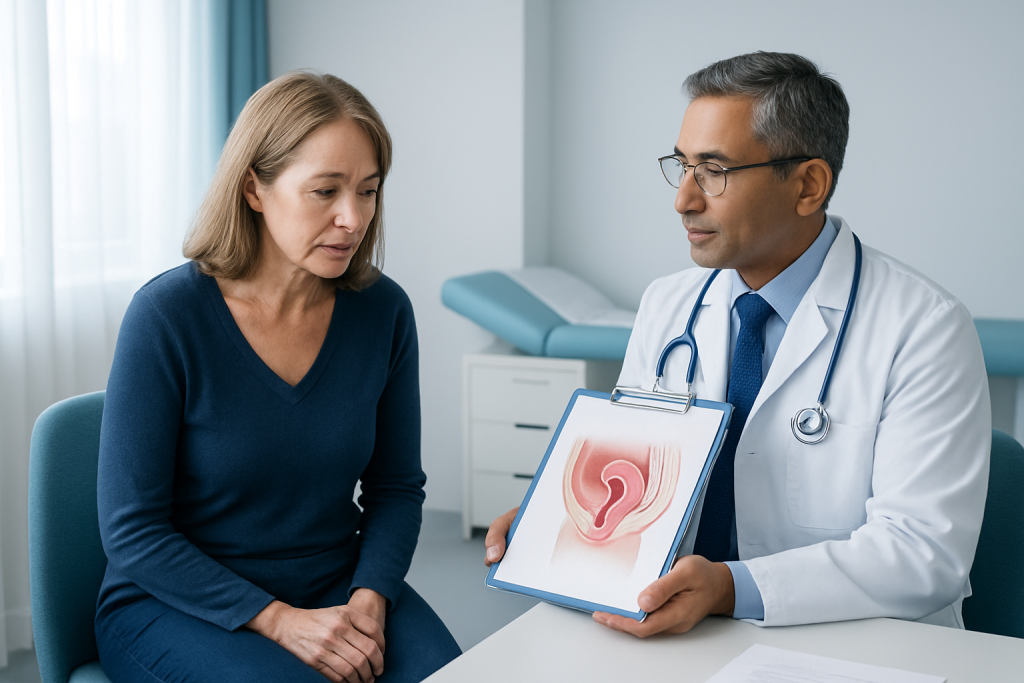
Rectocele develops when the pelvic floor can no longer provide enough support to the back wall of the vagina. This weakening can happen gradually over time, and several factors may contribute. The condition is more common after pregnancy and vaginal childbirth, especially if delivery was prolonged, involved a large baby, or caused injury to the pelvic tissues.
Other factors that may increase risk include chronic constipation, frequent straining, heavy lifting, menopause-related tissue changes, obesity, chronic cough, and previous pelvic surgery. Not every woman with these risk factors develops rectocele, but repeated pressure on the pelvic floor can raise the likelihood.
It is also important to understand that rectocele is not caused by a single mistake or one isolated event. It usually reflects a combination of tissue changes, life experiences, and pressure on pelvic support over many years. That broader view can help patients approach care without blame or anxiety.
Diagnosis
Diagnosis usually begins with a detailed discussion of symptoms, bowel habits, childbirth history, prior surgeries, and any pelvic floor complaints. Because rectocele can affect both vaginal and bowel function, the clinician may ask questions that feel very practical: how often stools are hard, whether straining is common, and whether the patient needs to press on the vagina or perineum to complete a bowel movement.
A pelvic examination is the main test. The doctor may ask the patient to bear down gently, which can make the bulge easier to see or feel. In some cases, additional tests are used if symptoms are complex, if other conditions are suspected, or if surgery is being considered. These may include imaging or specialized studies of how the bowel empties.
For international patients, diagnosis can be especially helpful when it brings together symptoms that have been evaluated separately in different places. A coordinated assessment can clarify whether rectocele is the main issue or one part of a broader pelvic floor problem.
Treatment Options
Treatment depends on how severe the symptoms are and how much they interfere with daily life. Mild rectocele may be managed without surgery, especially when the main problem is constipation or straining. More bothersome cases may benefit from pelvic floor rehabilitation, a support device called a pessary, or surgery.
Non-surgical care often starts with improving bowel habits. That may include increasing dietary fiber, drinking enough fluids, avoiding prolonged straining, and responding to the urge to pass stool rather than delaying it. Pelvic floor physical therapy can also help some women learn better muscle coordination and reduce the sensation of blockage or pressure.
If symptoms remain significant, surgery may be discussed. The operation is aimed at restoring support to the vaginal wall and improving the bulge and bowel symptoms, but the best approach depends on the individual’s anatomy, prior surgeries, and goals. A surgeon may also review whether another pelvic organ prolapse is present, because treatment planning should address the full picture rather than a single finding.
Patients who travel for treatment often want to know what recovery will look like before they decide. In general, that conversation should cover hospital stay, time away from lifting, follow-up needs, and the timing of return to work, exercise, and long-distance travel. Clear planning is especially useful when care is being coordinated from abroad.
Prevention & Self-care
Not every rectocele can be prevented, but many women can reduce pressure on the pelvic floor and protect bowel function. The goal is not perfection; it is to lower repeated strain that may worsen symptoms over time.
Helpful self-care measures include:
- Maintaining soft, regular stools through fiber and adequate fluids
- Avoiding repeated straining on the toilet
- Using proper lifting technique and avoiding unnecessary heavy lifting
- Managing chronic cough when possible
- Staying physically active in ways that do not aggravate symptoms
- Following pelvic floor exercises or therapy guidance if recommended
Women who are postpartum or approaching menopause may also benefit from earlier conversations about pelvic floor health, especially if they notice bulging, bowel difficulty, or a sense of pelvic heaviness. Small adjustments made early can sometimes keep symptoms from becoming more disruptive.
When to See a Doctor
A medical evaluation is a good idea when vaginal bulging, pressure, or bowel symptoms are persistent, troubling, or changing over time. Rectocele is not something women need to “just live with” if it affects comfort, bowel function, intimacy, or confidence.
Prompt assessment is especially useful if a woman has to splint, strain frequently, cannot empty the bowel without assistance, or notices other pelvic organ prolapse symptoms such as urinary leakage or a vaginal bulge that is increasing. A doctor can also help rule out constipation, rectal disorders, or other pelvic floor conditions that may look similar.
For women seeking care internationally, a well-planned consultation can help determine whether conservative treatment is enough or whether procedural treatment would be more effective. Acibadem Health Point’s multidisciplinary specialists and JCI-accredited hospitals diagnose and treat rectocele for international patients in a coordinated way.
Living With Rectocele
Living with rectocele is often about learning which habits help and which ones aggravate symptoms. Many women find that once bowel routines improve and pelvic floor support is addressed, day-to-day discomfort becomes easier to manage.
Follow-up matters, especially after treatment. If symptoms change, if constipation returns, or if surgery has been performed, regular review helps ensure that the care plan remains appropriate. Women recovering away from home should have a clear plan for who to contact, when to seek help, and how to arrange follow-up after returning home.
With the right approach, rectocele can often be managed in a way that feels practical and sustainable. The most useful plan is usually the one that fits the person’s symptoms, anatomy, bowel health, and long-term goals.
Frequently asked questions
What exactly is a rectocele?
A rectocele is a bulge of the rectum toward the vagina caused by weakening of the supporting tissue between them. It is one form of pelvic organ prolapse. The condition may cause pressure, a vaginal bulge, or trouble emptying the bowels.
Is rectocele the same as constipation?
No, but the two are often connected. Constipation and straining can worsen rectocele, and rectocele can make bowel movements feel incomplete or difficult. A doctor may look for both problems during the evaluation.
Can rectocele get better without surgery?
Yes, many women improve with bowel habit changes, pelvic floor therapy, and sometimes a pessary. Surgery is usually reserved for symptoms that remain bothersome or interfere with daily life. The right choice depends on how severe the prolapse is and what goals the patient has.
How is rectocele diagnosed?
Diagnosis usually starts with a pelvic examination and a review of symptoms, childbirth history, and bowel habits. In some cases, extra tests are ordered if the situation is complicated or if surgery is being considered. The aim is to understand the full pelvic floor picture, not just one symptom.
Can rectocele affect sex life or travel plans?
It can, mainly because of pressure, discomfort, or anxiety about symptoms. Many women can still be active, travel, and have intimacy, but treatment may help reduce symptoms and improve comfort. Planning ahead is helpful if care will be needed far from home.
When should a woman seek medical advice?
She should seek advice if she notices a bulge, ongoing pelvic pressure, or bowel symptoms that are persistent or worsening. It is also wise to ask for an evaluation if she needs to press on the vagina to pass stool or if constipation is frequent. A doctor can confirm the cause and discuss treatment options.
References
- American College of Obstetricians and Gynecologists
- National Institute of Diabetes and Digestive and Kidney Diseases
- Mayo Clinic
- Cleveland Clinic
- International Urogynecological Association
This article is for general information only and is not a substitute for professional medical advice. Please consult a qualified doctor about your individual situation.