Dry Eye Symptoms

Key Takeaways
- Dry eye symptoms often include burning, stinging, grittiness, redness, and fluctuating vision.
- The problem may be caused by reduced tear production, poor tear quality, eyelid issues, or environmental factors.
- Diagnosis usually involves a clinical eye examination and tests that evaluate tear quantity and surface health.
- Treatment may combine lubricating drops, prescription medicines, eyelid care, and lifestyle adjustments.
- People with persistent symptoms, pain, light sensitivity, or vision changes should see an eye specialist.
- Traveling patients can often plan evaluation and treatment together, then continue follow-up care after returning home.
Dry eye symptoms can range from mild irritation to blurry vision and a gritty, burning feeling that interferes with daily life. Understanding the signs, common causes, and treatment options can help patients seek the right care early and protect eye comfort and vision.
Overview
Dry eye symptoms can feel deceptively simple at first: an eye that burns, stings, waters, or seems tired by the end of the day. For many people, though, the discomfort reflects a condition in which the tear film no longer protects the eye surface as well as it should.
Tears are not only for crying. They form a thin, constantly renewing layer that helps keep vision clear, reduces friction with each blink, and shields the eye from the environment. When that layer becomes unstable or insufficient, the eye can respond with irritation, blurred vision, and a sensation that something is in the eye even when nothing is there.
Dry eye is common across age groups, but it is especially relevant for people who spend long hours on screens, live in dry climates, wear contact lenses, or take certain medications. For international patients, symptoms sometimes become noticeable during travel because air conditioning, long flights, changed routines, and reduced sleep can make the eyes feel even less comfortable.
Symptoms
Dry eye symptoms do not always look dramatic from the outside. A person may simply notice that the eyes feel scratchy after reading, computer work, or a flight, or that they need to blink more often to keep the image clear. Some people describe the eyes as heavy, tired, or as though they are not fully open.
Common symptoms include:
- Burning, stinging, or aching sensation
- Grittiness or the feeling of sand in the eye
- Redness and mild swelling
- Watery eyes, especially in wind or cold air
- Blurred or fluctuating vision
- Light sensitivity
- Difficulty wearing contact lenses comfortably
The symptoms can vary during the day. Many people feel worse later in the evening, in air-conditioned rooms, after prolonged screen time, or in environments with smoke, dust, or strong wind. Some patients are surprised to learn that excessive tearing can also be a dry eye symptom, because the eye may produce reflex tears that do not lubricate well enough to relieve the underlying dryness.
Causes & Risk Factors

Dry eye usually develops when the tear film is not balanced. This can happen because the eyes do not make enough tears, the tears evaporate too quickly, or the tear quality is uneven. The oily layer produced by the eyelids plays an important role in slowing evaporation, so even a small problem with the eyelid glands can have a noticeable effect.
Several factors may contribute, including aging, hormonal changes, autoimmune conditions such as Sjögren’s syndrome, eyelid inflammation, blepharitis, and some medications. Antihistamines, decongestants, certain antidepressants, and some blood pressure or acne medicines can be associated with dryness in some people. Contact lens use, refractive surgery history, and conditions that affect blinking or eyelid closure may also increase risk.
Everyday surroundings matter too. Dry climates, wind exposure, smoke, heating and cooling systems, prolonged computer use, and reduced blinking can all worsen symptoms. In travel settings, long-haul flights and hotel environments with strong air conditioning can be particularly uncomfortable for eyes that already have a tendency toward dryness.
Diagnosis
Diagnosis begins with a careful conversation about the symptoms, when they started, what makes them better or worse, and whether they affect reading, driving, work, or contact lens wear. Because other eye problems can feel similar, an eye specialist will also look for clues that point toward dryness rather than infection, allergy, or a different surface disorder.
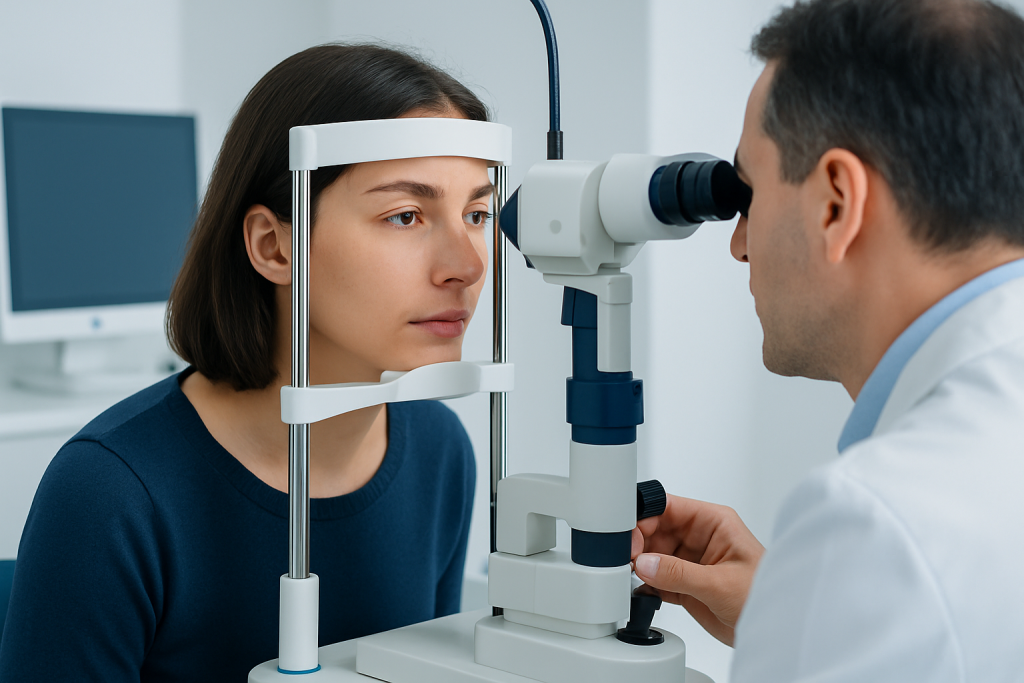
An exam may include checking the eyelids, tear film, and the surface of the eye with magnification and dye drops. Doctors may use tests that measure tear production, tear breakup time, and surface staining to see how well the eye is staying protected between blinks. These tests are usually quick and can help guide a more personalized plan.
For some patients, the evaluation also includes questions about medical history, medications, and autoimmune symptoms such as dry mouth, joint pain, or fatigue. When a patient is traveling for care, it is often helpful to bring a list of medications, prior eye procedures, and any previous test results so the first consultation can be more efficient and complete.
Treatment Options
Dry eye treatment is usually tailored to the underlying cause and severity of symptoms. Mild cases may improve with lubricating eye drops and changes to daily habits, while more persistent disease may need prescription therapy, eyelid treatment, or a combination of approaches. The goal is not only to reduce discomfort but also to protect the eye surface and support clearer vision.
Common treatment options may include artificial tears, preservative-free lubricating drops, gels, or ointments, especially for people who need frequent symptom relief. If inflammation is contributing to dryness, an eye doctor may recommend prescription anti-inflammatory drops or other therapies aimed at improving the tear film over time. In some cases, treatment focuses on eyelid hygiene and warm compresses when oil gland dysfunction is part of the picture.
Other options can include punctal plugs to help retain tears on the eye surface, contact lens adjustments, environmental changes, or treatments for associated eyelid conditions such as blepharitis or meibomian gland dysfunction. Patients who are considering care abroad often benefit from a coordinated plan that addresses both immediate symptom relief and follow-up needs after returning home. At Acibadem Health Point, multidisciplinary specialists and JCI-accredited hospitals diagnose and treat dry eye disease for international patients with coordinated care planning.
Prevention & Self-care
Daily habits can make a real difference, especially for people whose symptoms are triggered by screen time or environmental exposure. Simple changes are often most effective when they are done consistently rather than only when symptoms flare.
Helpful self-care measures may include taking regular screen breaks, blinking fully and often, using a humidifier in dry indoor spaces, avoiding smoke exposure, and wearing wraparound glasses in wind. Contact lens users may need to follow wear schedules carefully and discuss lens type or cleaning solutions with an eye specialist if discomfort is ongoing.
It is also sensible to review medications with a doctor if dryness began after a new prescription, though medicines should not be stopped without medical guidance. People traveling for care can prepare by packing lubricating drops recommended by their doctor, keeping medications in carry-on luggage, and planning for post-treatment rest if a procedure is part of the care plan.
When to See a Doctor
Dry eye symptoms do not always require urgent care, but they should not be ignored if they are persistent or interfere with daily activities. A specialist visit is especially important when symptoms continue despite over-the-counter drops or when the eyes feel uncomfortable most days of the week.
Medical evaluation is recommended if there is eye pain, marked redness, increased light sensitivity, thick discharge, sudden change in vision, or trouble keeping the eye open. These signs may indicate a more serious eye condition that needs prompt attention. Contact lens wearers should seek assessment sooner if discomfort worsens, because corneal irritation can sometimes progress quickly.
Patients who are traveling internationally should try to arrange care before symptoms become disruptive, especially if they are planning a procedure, starting new treatment, or need a follow-up visit schedule. An eye doctor can help confirm the diagnosis, rule out other causes, and build a plan that fits both local and travel-related routines.
Frequently asked questions
Is dry eye the same as having dry eyes from time to time?
Not exactly. Occasional dryness after a long day or a windy walk may settle quickly, while dry eye disease is a recurring problem caused by tear film dysfunction. If the symptoms keep returning or affect vision and comfort, an eye evaluation is a good idea.
Why do my eyes water if they are dry?
Watery eyes can happen when the eye is irritated and produces reflex tears. These tears are often not the same as the normal tear film needed for long-lasting lubrication, so the eye can still feel dry and uncomfortable.
Can screen time make dry eye symptoms worse?
Yes. People often blink less while using phones, computers, or tablets, which can let tears evaporate more quickly. Regular breaks, full blinking, and proper screen positioning may help reduce strain.
Do lubricating eye drops cure dry eye?
Artificial tears can relieve symptoms and protect the eye surface, but they do not always address the underlying cause. Some people need additional treatment for inflammation, eyelid gland dysfunction, or other contributing conditions.
Can dry eye affect contact lens wear?
Yes, and discomfort is common when the tear film is unstable. An eye specialist can suggest lens changes, wearing adjustments, or treatment for the underlying dryness to improve tolerance.
When should someone seek urgent help for dry eye symptoms?
Urgent assessment is important if there is sudden vision loss, severe pain, significant light sensitivity, or unusual discharge. These symptoms can signal a problem beyond uncomplicated dry eye and should be checked promptly.
References
- American Academy of Ophthalmology
- National Eye Institute
- Mayo Clinic
- World Health Organization
This article is for general information only and is not a substitute for professional medical advice. Please consult a qualified doctor about your individual situation.