Xdemvy Eye Drops

Key Takeaways
- Xdemvy eye drops are designed to treat demodex blepharitis by targeting the mite-related cause of eyelid irritation.
- Common symptoms include itchy, gritty, red, or crusty eyelids, often worse in the morning.
- Diagnosis is usually made during an eye examination, sometimes with close inspection of the eyelashes and lid margins.
- Treatment may include Xdemvy plus eyelid hygiene, warm compresses, and management of dry eye or inflammation.
- People with persistent eye irritation should seek an eye specialist’s advice rather than self-treating for long periods.
Xdemvy eye drops are a prescription treatment used for demodex blepharitis, a common eyelid condition linked to tiny mites on the lashes. Understanding how it works, who it may help, and what to expect can make treatment feel much more manageable.
Overview
Xdemvy eye drops are a prescription medicine used for a specific type of eyelid inflammation called demodex blepharitis. This condition is associated with Demodex mites, microscopic organisms that can live in hair follicles and at the base of the eyelashes. When they overgrow or trigger irritation, the eyelids may become red, itchy, crusty, and uncomfortable.
For many people, blepharitis is described as a “stubborn eye problem” that seems to come and go. What makes Xdemvy different is that it is intended to address one underlying cause rather than only calming surface symptoms. That can matter for people who have tried lid scrubs, warm compresses, or lubricating drops with only partial relief.
In practice, treatment is usually part of a broader eye-care plan. A doctor may also look for dry eye, inflammation of the eyelid margin, or other reasons symptoms persist. For international patients planning care across borders, this can be reassuring: diagnosis and treatment are often straightforward, but they work best when the full picture is reviewed by an experienced eye specialist.
Symptoms
Demodex blepharitis often affects the lid edges more than the eyeball itself, so the clues can be subtle at first. Many people notice morning crusting, a sandy or gritty feeling, eyelid itching, burning, or eyes that look mildly red and tired. Some also report eyelash breakage or a sensation that something is stuck in the eye.
Symptoms may worsen after long screen time, in dry environments, or when eye makeup and skin products build up along the lashes. Because the discomfort can resemble dry eye, allergy, or ordinary blepharitis, it is easy to assume the problem is minor and keep self-treating for months. However, recurring eyelid irritation deserves an eye examination, especially if it affects daily comfort or vision quality.
Possible signs that raise suspicion for demodex-related blepharitis include:
- Collarettes or sleeve-like debris around the base of the eyelashes
- Itching focused on the eyelid margins
- Recurrent redness or swelling of the lids
- Blurred vision that improves after blinking
- Frequent need to rub the eyes
Causes & Risk Factors

Demodex mites are not unusual; they can be found on many healthy adults. Problems arise when the population becomes excessive or when the body reacts to the mites and the debris they leave behind. That reaction can inflame the eyelid margin and disturb the tear film, which is the thin layer that keeps the eye surface comfortable and clear.
The exact reason one person develops symptoms while another does not is not always clear. Age may play a role, because mite presence tends to increase over time, and certain skin conditions or chronic eye surface problems may make irritation more likely. People with dry eye disease, rosacea, or a history of recurrent blepharitis may be more prone to ongoing symptoms.
Risk can also increase when eyelid hygiene is difficult to maintain, when eye makeup is not removed thoroughly, or when someone has repeated exposure to irritants. That said, demodex blepharitis is not usually a sign of poor cleanliness. It is a medical condition that can happen even with good hygiene, which is why a careful diagnosis is more useful than guesswork.
Diagnosis
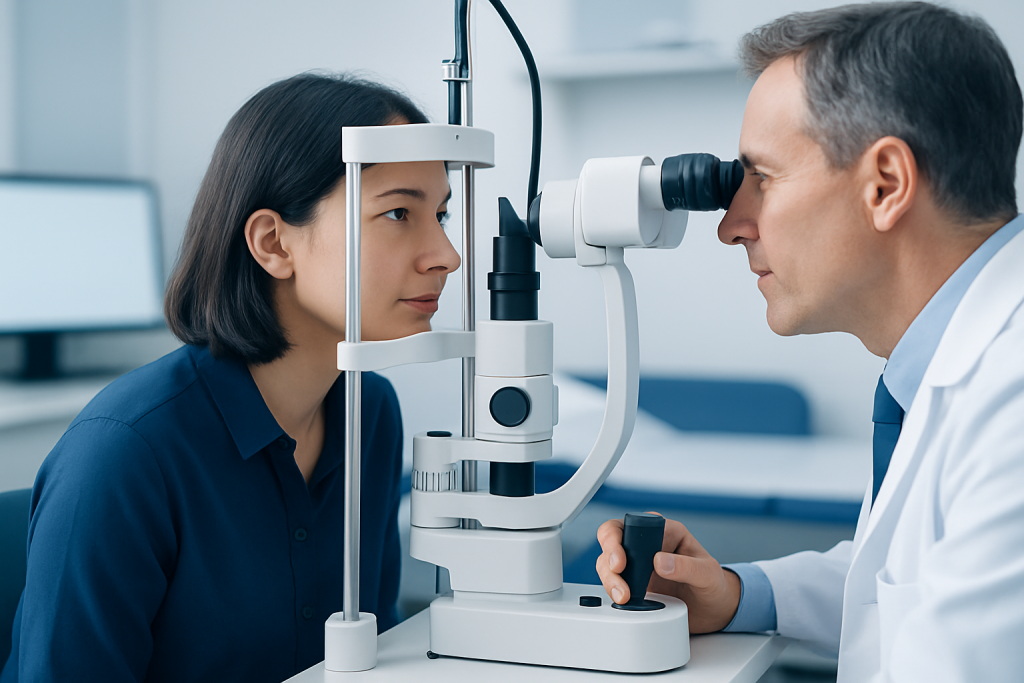
Diagnosis begins with an eye examination. A clinician typically asks about symptoms, how long they have been present, and whether there is a history of dry eye, skin disease, or repeated eyelid infections. The eyelids and eyelashes are then examined closely, often with magnification, to look for collarettes, redness, inflammation, or other signs of blepharitis.
In many cases, the diagnosis is made clinically, meaning it is based on what the doctor sees and the pattern of symptoms. Additional tests may be used if the picture is unclear or if another eye condition needs to be ruled out. This may include checking tear quality, examining the ocular surface, or looking for signs that the cornea has become irritated.
For patients traveling for treatment, a detailed first visit is especially helpful. It allows the doctor to decide whether the symptoms fit demodex blepharitis, whether Xdemvy eye drops are appropriate, and whether there are other issues that should be managed at the same time so follow-up can be planned sensibly once the patient returns home.
Treatment Options
Xdemvy eye drops are prescribed for a set treatment course under medical supervision. The goal is to reduce the demodex-related burden at the lash line and improve the inflammation and discomfort linked to the condition. Patients should follow their prescriber’s instructions carefully and use the drops exactly as directed.
Treatment is often combined with supportive measures. These may include lid hygiene, warm compresses, gentle cleansing of the eyelid margin, and management of dry eye symptoms. If a person has significant eye surface irritation, the doctor may also recommend lubricating drops or other therapies to ease discomfort while the underlying problem is addressed.
Not every case is identical. Some patients improve with a focused approach aimed at demodex, while others need longer-term eyelid care because blepharitis and dry eye can overlap. If symptoms do not improve as expected, the eye specialist may reassess the diagnosis, check for other causes, or adjust the care plan.
It is important not to start or share prescription eye drops without a proper evaluation. Eye symptoms can look similar across several conditions, and the best treatment depends on the actual cause rather than the appearance alone.
Prevention & Self-care
There is no guaranteed way to prevent demodex blepharitis, but steady eyelid care can reduce irritation and help treatment work better. Many patients do well with a simple daily routine that keeps the lid margins clear and avoids product buildup around the lashes. The routine should be gentle, since aggressive rubbing can worsen inflammation.
Useful self-care habits often include:
- Cleaning the eyelids as advised by an eye specialist
- Using warm compresses if recommended
- Removing eye makeup thoroughly before sleep
- Avoiding eye rubbing
- Using lubricating drops only if approved by a doctor
People who travel for treatment may find it helpful to bring their current eye products, a list of medications, and photos of the eyelid condition if symptoms fluctuate. That makes it easier for the treating team to understand what has already been tried and to plan practical follow-up after the trip. A consistent routine at home often matters just as much as the prescription itself.
When to See a Doctor
An eye specialist should evaluate persistent eyelid irritation, especially when symptoms keep returning despite basic hygiene or over-the-counter products. It is also wise to seek medical advice if the eyes are painful, vision changes develop, the eyelids swell significantly, or one eye becomes much worse than the other. These symptoms do not always mean something serious, but they do deserve a proper examination.
People with rosacea, dry eye, or repeated blepharitis episodes may benefit from earlier assessment rather than waiting for symptoms to become disruptive. Early diagnosis can prevent the cycle of irritation, rubbing, and inflammation that sometimes makes the condition harder to calm.
For international patients, coordinated eye care can simplify both diagnosis and treatment planning. At Acibadem Health Point, multidisciplinary specialists and JCI-accredited hospitals diagnose and treat this condition for international patients, with follow-up arranged in a way that supports continuity after travel.
Living With Demodex Blepharitis
Learning that eyelid irritation is linked to mites can feel unsettling at first, but demodex blepharitis is a recognized and manageable condition. Many people improve when the diagnosis is made clearly and the care plan addresses both the eyelid inflammation and any dry-eye overlap. A calm, stepwise approach usually works better than repeated trial-and-error self-treatment.
Patients often do best when they think of treatment as maintenance rather than a one-time fix. The eyes and eyelids respond well to routine care, follow-up visits, and practical adjustments to daily habits. If symptoms change or return, the next step is usually to revisit the eye specialist rather than simply restarting old remedies.
With the right assessment, Xdemvy eye drops may be one part of a fuller strategy that helps restore comfort and reduce the cycle of chronic irritation. The aim is not only symptom relief, but also more predictable day-to-day eye comfort.
Frequently asked questions
What are Xdemvy eye drops used for?
Xdemvy eye drops are used for demodex blepharitis, an eyelid condition linked to mites at the base of the eyelashes. They are intended to treat the underlying cause rather than only soothing surface irritation. A doctor should confirm whether the symptoms fit this diagnosis before treatment begins.
How do people know if they have demodex blepharitis?
Common clues include itchy or red eyelids, crusting at the lash line, a gritty feeling, and debris around the eyelashes. Because these symptoms can resemble dry eye or other forms of blepharitis, an eye examination is usually needed to confirm the cause. A clinician may look closely at the eyelids and lashes with magnification.
Are Xdemvy eye drops a cure?
They are a treatment, not a guaranteed permanent cure. Many people need a full course of prescribed therapy along with ongoing eyelid care to keep symptoms under control. A follow-up visit helps the doctor see how the eyes are responding and whether more care is needed.
Can someone use over-the-counter drops instead?
Over-the-counter lubricating drops may help comfort, but they do not treat the demodex-related cause of the condition. Because eye symptoms can have several different causes, it is safer to get a proper diagnosis before relying on self-treatment. A doctor can advise which supportive products are appropriate.
What side effects can happen with prescription eye drops?
Like many eye medicines, prescription drops can sometimes cause temporary irritation, stinging, or redness. Any unusual reaction, worsening pain, or vision change should be discussed with a doctor promptly. The prescribing specialist can explain what is expected and what is not.
When should a person seek urgent eye care?
Urgent assessment is sensible if there is significant pain, sudden vision change, marked swelling, or a very red eye that is getting worse. These findings are not typical of simple eyelid irritation and deserve prompt evaluation. If symptoms are milder but persistent, a routine eye appointment is still appropriate.
References
- American Academy of Ophthalmology
- National Eye Institute
- U.S. Food and Drug Administration
- Mayo Clinic
This article is for general information only and is not a substitute for professional medical advice. Please consult a qualified doctor about your individual situation.