Paraplegia: Causes, Symptoms and Treatment
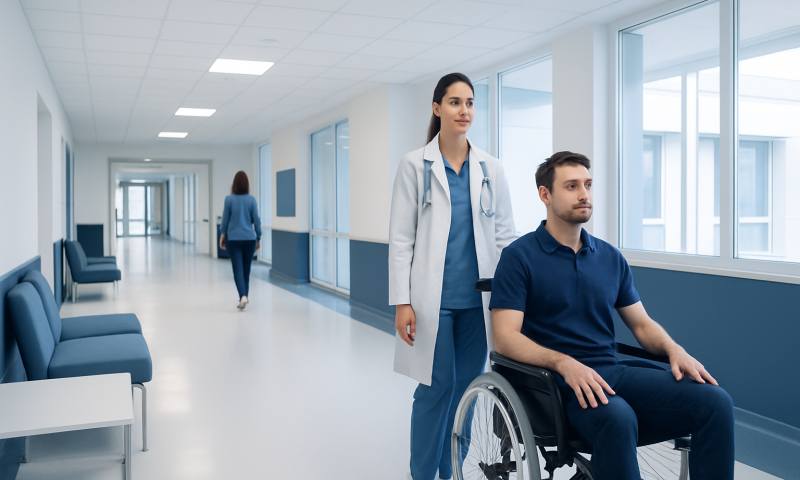
Key Takeaways
- Paraplegia is most often linked to spinal cord injury, but it can also result from tumors, inflammation, infections, or congenital conditions.
- Symptoms may include leg weakness or paralysis, altered sensation, spasticity, and bladder or bowel changes.
- Diagnosis usually combines neurological examination with imaging such as MRI or CT, plus tests that help define the level and cause of injury.
- Treatment focuses on addressing the underlying cause, preventing complications, and supporting mobility, bladder, bowel, and skin care.
- Rehabilitation is central and may include physiotherapy, occupational therapy, wheelchair skills, and support for daily living.
- New symptoms after trauma or rapidly worsening weakness should be assessed urgently by a doctor.
Medically reviewed by the Acıbadem clinical team — August 19, 2026
Paraplegia refers to partial or complete loss of movement and sensation in both legs, usually due to damage to the spinal cord or nerves. Early medical evaluation, rehabilitation, and practical support can help protect health, improve independence, and guide long-term care.
Overview
Paraplegia is a medical term for paralysis that affects the lower half of the body, especially the legs. It usually happens when the spinal cord, or the nerves that carry signals between the brain and the lower body, are damaged at or above the level that controls leg function.
The condition can be complete, meaning there is no useful movement or sensation below the affected level, or incomplete, where some function remains. Because the spinal cord also helps regulate bladder, bowel, sexual function, and blood pressure, paraplegia often involves more than mobility alone.
For many people, the diagnosis arrives suddenly after an accident or illness. For others, symptoms build more gradually, which can delay care. In either situation, getting the cause identified early gives doctors a better chance to treat what is reversible and to protect remaining nerve function.
Symptoms
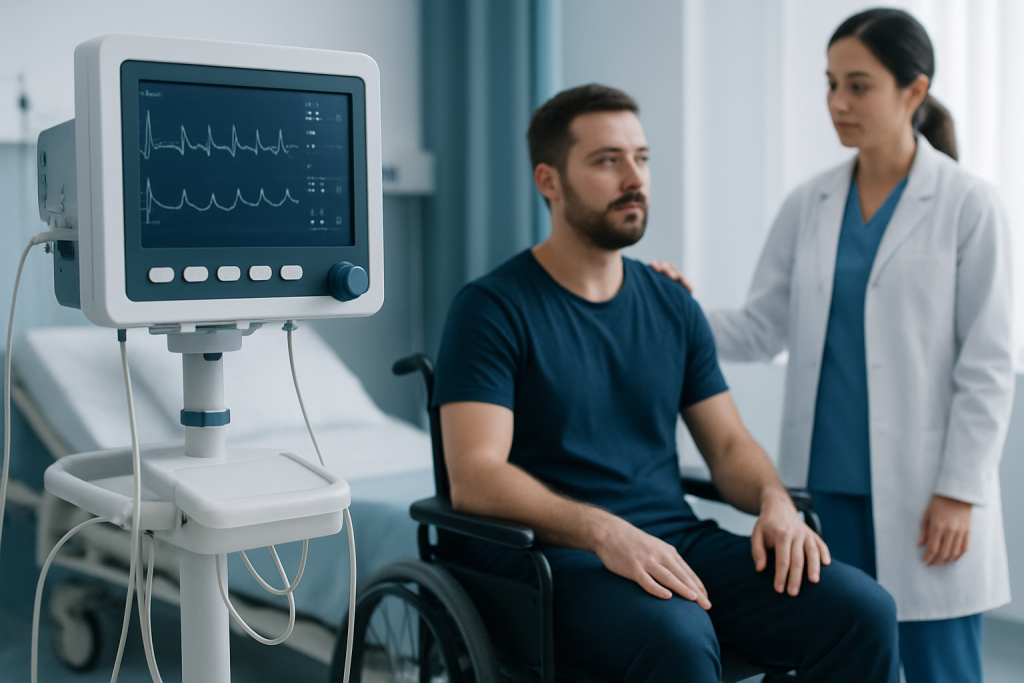
The exact pattern of symptoms depends on where the nervous system has been affected. Weakness in both legs is often the first obvious sign, followed by difficulty standing, walking, or controlling the feet and ankles. Some people notice numbness, tingling, or a clear line where sensation changes on the body.
Other features may include stiffness or involuntary muscle spasms, pain related to nerve injury, or reduced ability to feel touch, temperature, or pressure. If the spinal cord injury is significant, bladder and bowel changes may appear, such as urine retention, incontinence, constipation, or loss of normal urge.
Symptoms can also include:
- Reduced balance and poor trunk control
- Skin that is more vulnerable to pressure sores
- Sexual function changes
- Temperature regulation problems
- Fatigue from the effort of moving and transferring
These signs do not confirm paraplegia on their own, but they do indicate that a prompt medical assessment is important.
Causes & Risk Factors
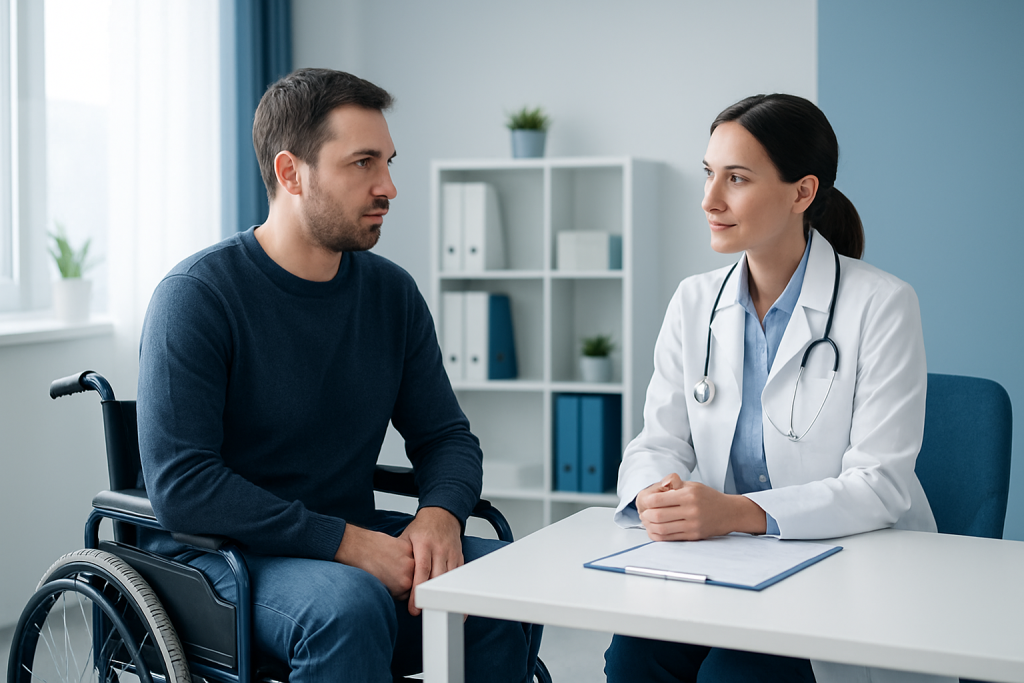
Spinal cord injury is the most common cause of paraplegia. Trauma from road traffic accidents, falls, sports injuries, or violence can compress, stretch, or sever the cord. In some cases, the injury is not obvious at first, which is why new leg weakness after an accident should always be treated seriously.
Not all paraplegia is traumatic. Tumors, spinal infections, inflammation, bleeding, disc disease, or vascular problems can interfere with the spinal cord or the nerves that leave it. Some people are born with conditions that affect the spinal cord or develop paralysis later because of a neurological disease.
Risk can be higher in people with a history of major trauma, osteoporosis-related falls, cancer affecting the spine, untreated infections, or conditions that narrow the spinal canal. Age and general health can influence both the chance of injury and the body’s ability to recover.
Diagnosis
Doctors usually begin with a neurological examination that checks strength, sensation, reflexes, balance, and bladder or bowel function. They also look for the likely level of spinal cord involvement, because the pattern of weakness and sensory loss often points to the affected segment.
Imaging is central to diagnosis. MRI is often preferred because it can show the spinal cord, discs, ligaments, swelling, bleeding, and tumors in detail. CT scans and X-rays may also be used, especially after trauma, to identify fractures or alignment problems. Blood tests or lumbar puncture may be helpful when infection, inflammation, or another non-traumatic cause is suspected.
For international patients, the diagnostic pathway may be organized quickly into imaging, specialist review, and rehabilitation planning. That approach can be particularly useful when travel is involved, because it helps define the problem clearly before discharge and makes follow-up care easier to coordinate at home.
Treatment Options
Treatment depends on the cause, the level of injury, and whether any function can still be preserved. When paraplegia is caused by a tumor, infection, compression, or bleeding, treating that underlying condition may improve symptoms or prevent further decline. In traumatic injury, urgent stabilization of the spine may be needed, and surgery is sometimes recommended to relieve pressure or secure the spine.
Rehabilitation is usually the long-term core of care. A tailored program may include physiotherapy to maintain joint movement and strengthen unaffected muscles, occupational therapy to support daily activities, and training in transfers, wheelchair mobility, and safe self-care. Some people also need medications or other treatments to manage spasticity, pain, bladder symptoms, or bowel function.
Supportive care is equally important. Prevention of pressure sores, careful skin checks, respiratory support when needed, nutrition guidance, and emotional counseling all contribute to recovery and health maintenance. For patients traveling for treatment, discharge planning should include mobility equipment advice, medication review, and a clear follow-up plan that can continue after returning home.
Prevention & Self-care
Not every case of paraplegia can be prevented, but some causes can be reduced through practical safety steps. Seat belts, helmets, safe driving habits, fall prevention at home, and workplace protection can lower the risk of traumatic spinal injury. Managing bone health and treating infections or spinal symptoms early may also reduce avoidable damage.
Once paraplegia is present, self-care becomes a daily form of prevention. Frequent position changes, skin inspection, pressure-relieving cushions or mattresses, and attention to hydration and bowel routines can reduce complications. People with reduced sensation should be especially careful with heat sources, sharp objects, and footwear that may cause unnoticed injury.
Living away from the treating center can make routines feel more complicated, so a simple written plan often helps. Families and caregivers may benefit from teaching on transfers, catheter care if needed, wheelchair safety, and warning signs that should trigger medical review. Consistency matters more than perfection, and small habits can protect long-term health.
When to See a Doctor
Any sudden weakness, numbness, loss of bladder or bowel control, or difficulty walking after trauma needs urgent medical attention. These symptoms can signal a spinal cord emergency, where timely assessment may prevent further injury. Even when symptoms develop gradually, new leg weakness or sensory changes should not be ignored.
Medical follow-up is also important if pain becomes severe, spasms increase, skin becomes red or broken, or urine, bowel, or fever symptoms appear. People already living with paraplegia should seek review if transfers become harder, equipment no longer fits well, or independence changes unexpectedly.
For patients who are considering treatment abroad, a center that can coordinate diagnosis, surgery if needed, and rehabilitation under one plan may simplify care. Acibadem Health Point’s multidisciplinary specialists and JCI-accredited hospitals diagnose and treat this condition for international patients, with attention to safe handoff and follow-up planning.
Living with Paraplegia
Paraplegia changes daily life, but it does not define the whole person. Many people build a stable routine around mobility aids, home adaptations, work adjustments, and support from rehabilitation teams. The most useful goals are often practical: reducing complications, preserving independence, and keeping routines manageable.
Emotional adjustment is also part of care. A new spinal cord condition can affect identity, relationships, and confidence, and it is normal to need time and support. Counseling, peer support, and family education can help patients and caregivers adapt to a different rhythm of life without feeling they must handle everything alone.
Long-term follow-up is valuable because needs can change over time. A rehabilitation physician, neurologist, urologist, physiotherapist, and other specialists may each play a role depending on symptoms and goals. Good paraplegia care is rarely a single decision; it is a series of careful adjustments that protect health and function over the long term.
Frequently asked questions
What does paraplegic mean in medical terms?
Paraplegic refers to a person who has paraplegia, meaning partial or complete paralysis affecting both legs and sometimes the lower body. It is usually caused by damage to the spinal cord or related nerves. The extent of function loss can vary from person to person.
Is paraplegia always permanent?
Not always. If the cause is treatable, such as compression from a tumor, infection, or swelling, some improvement may be possible after treatment. In traumatic spinal cord injury, recovery depends on how severe the damage is and whether any nerve function remains.
Can someone with paraplegia feel pain?
Yes, some people do feel pain, especially nerve-related pain, muscle spasms, or pain from the back or shoulders due to mobility changes. Others may have reduced sensation below the injury level but still experience discomfort in different forms. Pain should be assessed because it can often be managed.
How is paraplegia different from quadriplegia?
Paraplegia mainly affects the legs and lower body. Quadriplegia, also called tetraplegia, affects both the arms and legs and usually results from a higher spinal cord injury. The level of injury helps determine which body functions are affected.
What rehabilitation is usually needed?
Rehabilitation often includes physiotherapy, occupational therapy, wheelchair training, and education on bladder, bowel, and skin care. The plan is individualized, based on strength, sensation, and daily goals. Many patients also benefit from psychological and social support.
When should emergency care be sought?
Emergency care is needed if leg weakness, numbness, or loss of bladder or bowel control starts suddenly, especially after a fall or other injury. These can be signs of spinal cord compression or another urgent problem. Rapid assessment is the safest approach.
References
- World Health Organization
- National Institute of Neurological Disorders and Stroke
- Mayo Clinic
- Merck Manual Professional Edition
- Spinal Cord Injury Association
This article is for general information only and is not a substitute for professional medical advice. Please consult a qualified doctor about your individual situation.
Persistent digestive symptoms? Get evaluated in Turkey
JCI-accredited · board-certified surgeons · reply within 24h
Add us as a Preferred Source to see more of our trusted health content across Google Search, AI Overviews and Discover.