Encephalopathy: Symptoms, Causes and Treatment

Key Takeaways
- Encephalopathy describes impaired brain function, not one single disease.
- Symptoms may develop gradually or appear suddenly, depending on the cause.
- Common triggers include infections, liver or kidney failure, low oxygen, medications, and metabolic imbalances.
- Diagnosis usually combines a medical history, neurological exam, blood tests, and sometimes brain imaging or EEG.
- Treatment focuses on correcting the underlying cause and supporting brain function during recovery.
Medically reviewed by the Acıbadem clinical team — August 19, 2026
Encephalopathy is a general term for brain dysfunction that can affect thinking, behavior, alertness, and coordination. Because it can arise from many different medical problems, prompt evaluation helps identify the cause and guide treatment.
Overview
Encephalopathy is an umbrella term doctors use when the brain is not working as it should. It is not a single diagnosis. Instead, it points to a change in brain function caused by another problem in the body, such as an infection, organ failure, toxin, medication effect, or severe metabolic imbalance.
The condition can range from mild confusion or slowed thinking to marked drowsiness, agitation, or coma. Some forms appear quickly and need urgent care, while others develop more gradually and may be noticed first by family members who see changes in memory, personality, sleep, or balance.
For international patients, encephalopathy can be especially unsettling because the symptoms may begin during a trip, after surgery, or while managing a long-term illness away from home. In that setting, a clear explanation of the cause matters just as much as treatment, because the safest plan often depends on the broader medical picture, current medications, and recent travel or illness history.
Symptoms
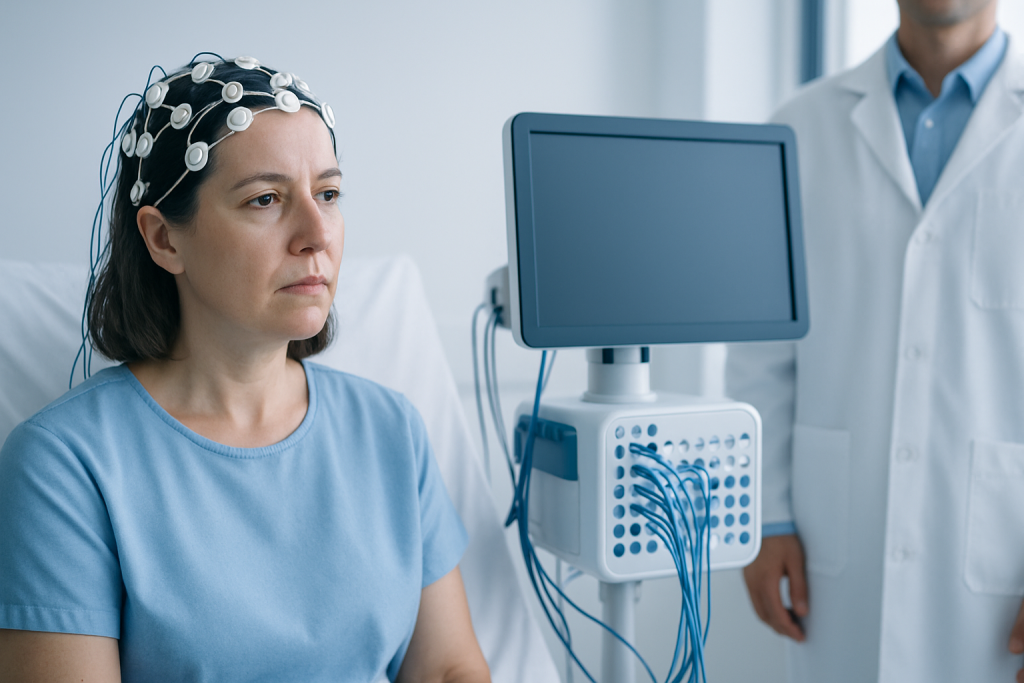
Encephalopathy affects how the brain processes information, so the symptoms often involve thinking, attention, and awareness. A person may seem unusually forgetful, slow to respond, disoriented about time or place, or unable to follow familiar conversations. Family members sometimes notice that the person is simply “not themselves.”
Other common signs include sleepiness, restlessness, irritability, personality change, poor coordination, tremor, or trouble walking. In more severe cases, a person may become difficult to wake, speak unclearly, or have seizures. The exact pattern depends on the cause and how quickly the brain is affected.
Possible symptoms include:
- Confusion or reduced attention
- Memory problems or difficulty concentrating
- Behavior or mood changes
- Excessive drowsiness or reduced alertness
- Unsteady gait or coordination problems
- Slurred speech or slowed movements
- Seizures in some cases
Because these symptoms can overlap with stroke, infection, medication side effects, and other urgent conditions, they should never be dismissed as simple fatigue, especially when they appear suddenly.
Causes & Risk Factors

Encephalopathy can develop when the brain is affected by illness elsewhere in the body. One common pathway is metabolic disruption, where the blood chemistry becomes abnormal enough to interfere with brain function. Liver disease can lead to hepatic encephalopathy, kidney failure can cause uremic encephalopathy, and severe blood sugar, sodium, or oxygen problems can also alter mental status.
Infections are another important cause. A severe infection elsewhere in the body may trigger delirium or encephalopathy, and infections that involve the brain directly, such as meningitis or encephalitis, require urgent attention. Toxins, alcohol-related conditions, carbon monoxide exposure, and certain medications can also affect the brain.
Risk is higher in people with chronic liver or kidney disease, older adults, those taking multiple medicines, people with a recent major surgery or critical illness, and anyone with a history of substance use or toxin exposure. Dehydration, poor nutrition, and prolonged hospitalization can also increase vulnerability, especially when a person is already medically fragile.
Diagnosis
Diagnosis starts with a careful history and neurological examination. Doctors look at when the symptoms began, whether they came on suddenly or gradually, recent infections or hospital stays, all current medicines and supplements, and any exposure to alcohol, recreational drugs, or environmental toxins. For a patient traveling from another country, it is especially helpful to bring medication lists, recent test results, discharge summaries, and details of any recent procedures.
Blood and urine tests are often used to look for infection, electrolyte problems, liver or kidney dysfunction, thyroid issues, low oxygen, low blood sugar, or medication-related effects. Depending on the situation, imaging such as a CT scan or MRI may be ordered to rule out stroke, bleeding, mass lesions, or other structural problems.
An electroencephalogram, or EEG, may help if seizures or nonconvulsive seizure activity are suspected, and a lumbar puncture may be needed when doctors are concerned about infection or inflammation around the brain. The goal is not simply to label the problem as encephalopathy, but to identify the specific reason the brain is struggling so treatment can be targeted safely.
Treatment Options
Treatment is guided by the cause. If encephalopathy is related to infection, the infection must be treated. If it is caused by liver or kidney dysfunction, correcting the underlying organ problem becomes central to care. When medications are contributing, doctors may adjust, stop, or replace them under close supervision. In some cases, the patient may need oxygen, fluids, glucose, electrolyte correction, or treatment in a hospital setting.
Supportive care is often just as important as the cause-specific treatment. This may include hydration, sleep-wake support, close monitoring of mental status, fall precautions, nutrition support, and seizure management if needed. In severe cases, intensive care may be necessary to protect breathing and organ function while the underlying issue is addressed.
Recovery can be quick when the trigger is reversible, but improvement may take longer if the cause is complex or if the person already has chronic illness. For international patients, treatment planning often includes practical details such as language support, coordination of tests, and arranging follow-up before travel home so that the care plan remains clear after discharge.
Prevention & Self-care
Not every case of encephalopathy can be prevented, but the risk can often be reduced by managing chronic illness carefully and seeking early care for changes in health. People with liver disease, kidney disease, diabetes, or a history of medication sensitivity should keep regular medical follow-up and review medicines periodically with a doctor.
Practical self-care focuses on reducing strain on the brain and body. That means staying hydrated as advised, eating regularly if possible, avoiding alcohol or unapproved sedating substances, and taking medicines exactly as prescribed. It also helps to watch for early warning signs such as unusual sleepiness, confusion, unsteadiness, or sudden changes in behavior.
For those recovering after treatment abroad, it is sensible to leave with a written plan that explains the diagnosis, medicines, test results, and follow-up steps. Clear instructions make it easier for local doctors to continue care and reduce the chance of gaps during the transition back home.
When to See a Doctor
Medical evaluation is important whenever confusion, marked drowsiness, unusual behavior, or trouble with balance develops, especially if the change is new or worsening. Sudden symptoms should be treated urgently, because encephalopathy can be a sign of a serious and sometimes reversible condition.
Emergency care is particularly important if the person has seizures, severe weakness, inability to stay awake, breathing problems, chest pain, high fever, a recent head injury, or possible stroke symptoms such as facial droop, one-sided weakness, or speech changes. If there is any doubt, it is safer to seek immediate assessment rather than wait.
Patients traveling internationally should not try to manage new confusion on their own, even if the symptoms seem mild. A prompt medical review can shorten recovery, identify hidden causes, and help coordinate a safe plan for treatment and follow-up. Acibadem Health Point’s multidisciplinary specialists and JCI-accredited hospitals can diagnose and treat encephalopathy for international patients, with care organized around both medical needs and travel realities.
Living With Encephalopathy
Living with encephalopathy depends on the cause and whether it is temporary or recurring. Some people recover fully once the trigger is corrected, while others need ongoing monitoring because the underlying illness can return. Families often play an important role by noticing subtle changes early and helping the person stay safe with daily tasks, medicines, and appointments.
It can be helpful to keep a symptom log, especially after discharge or during follow-up abroad. Notes about sleep, appetite, alertness, memory, and mobility can give doctors a clearer picture of recovery than a single office visit alone. This is also useful if multiple specialists are involved, as it helps connect liver, kidney, neurological, and medication-related issues into one coordinated plan.
With timely diagnosis, careful treatment, and good communication between care teams, many people improve significantly. The main aim is always the same: identify the cause early, protect the brain while it heals, and reduce the chance of recurrence.
Frequently asked questions
Is encephalopathy the same as dementia?
No. Encephalopathy usually refers to a change in brain function caused by another medical problem, and it may be reversible. Dementia is typically a longer-term decline in thinking and memory that is not caused by a temporary metabolic or toxic issue.
Can encephalopathy come on suddenly?
Yes. Some forms develop over hours or days, especially when caused by infection, low oxygen, toxins, or severe metabolic changes. Sudden symptoms should be evaluated urgently because they can also resemble stroke or seizure-related conditions.
What tests are usually needed?
Doctors often start with blood and urine tests, along with a neurological examination. Depending on the suspected cause, brain imaging, EEG, or spinal fluid testing may also be needed.
Can encephalopathy be reversed?
Sometimes, yes, especially when the underlying cause is found and treated early. Recovery depends on the trigger, how long the brain was affected, and whether there are other medical problems involved.
Should medicines be stopped if encephalopathy is suspected?
Not without medical advice. Some medicines can contribute to confusion, but stopping them suddenly may be unsafe, so a doctor should guide any changes.
When is encephalopathy an emergency?
It is an emergency if the person is hard to wake, has seizures, has trouble breathing, develops stroke-like symptoms, or becomes rapidly worse. In those situations, immediate medical attention is needed.
References
- National Institute of Neurological Disorders and Stroke
- Merck Manual Professional Edition
- Mayo Clinic
- Cleveland Clinic
- NHS
This article is for general information only and is not a substitute for professional medical advice. Please consult a qualified doctor about your individual situation.
Explore treatments in Turkey — costs, top hospitals & a free quote
JCI-accredited · board-certified surgeons · reply within 24h
Add us as a Preferred Source to see more of our trusted health content across Google Search, AI Overviews and Discover.