Tension Headache: Symptoms, Causes and Treatment

Key Takeaways
- Tension headache usually causes mild to moderate, pressing head pain rather than throbbing pain.
- Stress, muscle tension, poor sleep, and long hours at a screen can contribute to episodes.
- Diagnosis is typically based on symptoms and a medical history, not on one single test.
- Simple self-care steps and healthy routines often help reduce how often headaches occur.
- A doctor should evaluate headaches that are new, changing, severe, or paired with other neurological symptoms.
Medically reviewed by the Acıbadem clinical team — August 19, 2026
Tension headache is the most common type of primary headache and often feels like a steady, band-like pressure around the head. It is usually manageable with lifestyle adjustments, stress control, and, when needed, guidance from a clinician.
Overview
A tension headache often arrives quietly: a dull pressure, a tight band across the forehead, or a heaviness at the back of the head and neck. Unlike migraine, it usually does not come with dramatic nausea, light sensitivity, or pulsing pain, though people can still feel tired and drained by it.
Many people experience it during periods of emotional strain, long workdays, screen use, or after holding the neck and shoulders in one position for too long. For international patients deciding whether to seek care at home or while traveling, the practical question is often not simply what is the headache called? but whether its pattern is familiar, repetitive, and mild enough for self-care—or whether it is changing in a way that needs medical attention.
Tension headache is considered a primary headache disorder, which means the headache itself is the condition rather than a symptom of another disease. That said, a careful assessment still matters, because headaches can also be linked to eye strain, sinus issues, medication use, sleep problems, or less common neurological concerns.
Symptoms
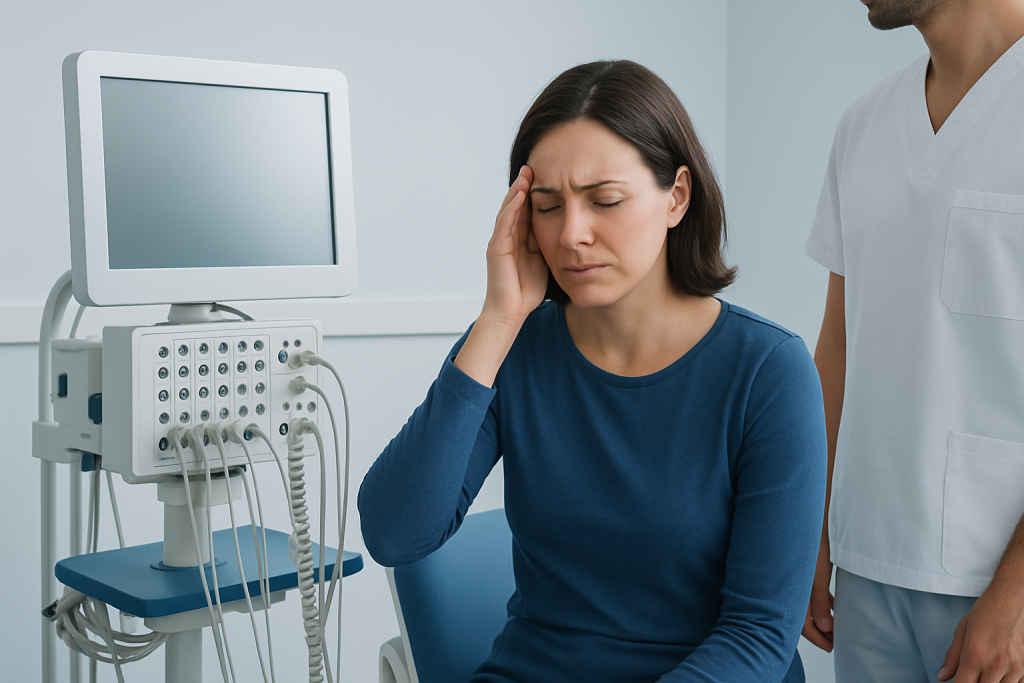
The typical sensation is pressure or tightness, often described as a helmet-like or band-like ache. It may affect both sides of the head and can spread into the temples, scalp, jaw, shoulders, or neck.
Many people can continue daily tasks, but concentration may feel harder than usual. The pain is often mild to moderate and not usually worsened much by routine physical activity, which helps distinguish it from some other headache types.
Common features may include:
- Dull, squeezing, or pressing head pain
- Tightness in the scalp, neck, or shoulders
- Mild sensitivity to light or sound in some cases
- Fatigue, irritability, or trouble focusing
Tension headaches can be occasional or frequent. When they happen on many days of the month, a clinician may consider whether a chronic pattern is developing and whether another headache disorder or contributing factor is present.
Causes & Risk Factors

There is no single cause for every tension headache. Instead, several everyday triggers can add up until the head and neck muscles feel persistently tense and the nervous system becomes more sensitive to pain.
Stress is one of the most common contributors, but it is not the only one. Poor sleep, skipped meals, dehydration, jaw clenching, prolonged computer work, and a workstation that strains the neck can all play a role. Emotional tension can also make people hold their shoulders high or tighten the jaw without noticing.
Risk tends to increase in people who:
- Experience ongoing stress or anxiety
- Sit for long periods with poor posture
- Sleep irregularly or not enough
- Clench the jaw or grind teeth
- Use pain relievers very frequently
- Have a history of frequent headaches
In some cases, headache frequency rises during travel, jet lag, disrupted routines, or dehydration. That is one reason headache assessment should take the person’s daily habits and recent changes into account, not just the pain itself.
Diagnosis
There is no single scan or blood test that confirms a tension headache. Diagnosis is usually based on the story the headache tells: where it hurts, how it feels, how long it lasts, how often it happens, and what other symptoms appear alongside it.
A doctor may ask about sleep, stress, hydration, medication use, vision changes, neck pain, and workplace habits. This history helps distinguish tension headache from migraine, sinus-related pain, medication-overuse headache, or headaches that may need more urgent evaluation.
Tests are not always needed. They may be considered if the headache pattern is unusual, if the neurological exam is abnormal, or if the person reports warning signs such as sudden severe pain, fever, confusion, weakness, fainting, or a new headache after age 50. For travelers or patients seeking care in a new country, bringing a list of medications and past headache patterns can make the assessment much more efficient.
Treatment Options
Treatment usually begins with simple, practical steps aimed at reducing pain and lowering the chance of the next episode. Rest in a quiet space, water, food if a meal has been missed, and gentle stretching of the neck and shoulders may help some people feel better.
Over-the-counter pain relievers are sometimes used, but frequent use can create a cycle of medication-overuse headache. Because of that risk, a clinician may suggest using pain medicine sparingly and focusing on prevention rather than repeated rescue treatment.
When headaches are frequent, a doctor may discuss preventive strategies. These can include stress-management approaches, physical therapy for neck tension, treatment of sleep problems, or selected medications in some cases. The right plan depends on headache frequency, overall health, and whether migraine or another condition is also present.
For patients who are receiving care while abroad, treatment often works best when it is coordinated. A clear written plan, follow-up instructions, and understanding of which symptoms should prompt reassessment can be especially helpful when returning home after treatment.
Prevention & Self-care
Prevention often starts with small routines rather than dramatic changes. Regular meals, steady hydration, consistent sleep, and movement breaks during long work or travel days can make headaches less likely.
Posture and muscle habits matter as well. A screen positioned at eye level, relaxed shoulders, and brief stretches for the neck and upper back may reduce strain. Some people also benefit from learning to unclench the jaw, especially during stressful work or while concentrating.
Useful self-care habits include:
- Keeping sleep and wake times as regular as possible
- Taking short breaks from screens and driving
- Drinking enough fluids through the day
- Eating at predictable intervals
- Using relaxation techniques such as deep breathing or mindfulness
- Noticing and reducing repeated muscle tension in the neck, jaw, and shoulders
It is also wise to keep a simple headache diary. Recording when the pain starts, how long it lasts, what it feels like, and what was happening beforehand can reveal patterns that are easy to miss in memory alone.
When to See a Doctor
Medical review is recommended if headaches become frequent, interfere with daily life, or do not improve with basic self-care. It is also important to seek care if the pattern is changing, because a headache that is “the usual one” can still deserve a fresh look when something feels different.
Prompt medical attention is especially important if the headache is sudden and severe, follows a head injury, comes with fever or neck stiffness, or is paired with weakness, numbness, vision changes, confusion, seizures, or fainting. These are not typical tension headache features and should be assessed without delay.
People who rely on pain medicine often should also speak with a doctor, since frequent use can worsen headaches over time. For patients navigating care across borders, it can be reassuring to know that Acibadem Health Point’s multidisciplinary specialists and JCI-accredited hospitals diagnose and treat headache disorders for international patients with coordinated evaluation and follow-up.
Frequently asked questions
How is a tension headache different from a migraine?
Tension headache usually feels like steady pressure or tightness on both sides of the head, while migraine more often causes throbbing pain and may bring nausea or stronger sensitivity to light and sound. Some people can have features of both, so the pattern over time matters. A doctor can help sort out the type if the symptoms are not clear.
Can stress alone cause a tension headache?
Stress is a common trigger, but it often works together with other factors such as poor sleep, jaw clenching, dehydration, or long periods of sitting. That is why treatment usually works best when it addresses the whole routine, not just the pain itself. Relaxation and posture changes can be as important as medication for some people.
Do tension headaches usually need a brain scan?
Most do not, especially when the symptoms are typical and the neurological examination is normal. Scans are considered when the headache is new, severe, unusual, or associated with warning signs. A clinician decides based on the full picture rather than the headache name alone.
Can children and teenagers get tension headaches?
Yes, they can. School stress, sleep changes, dehydration, and screen time may all contribute. If headaches are recurring, it is sensible to have a doctor review the pattern and rule out other causes.
What can help if headaches keep coming back during travel?
Regular sleep, hydration, meals, and brief stretching breaks can help reduce travel-related triggers. Keeping the usual caffeine pattern steady, avoiding long stretches without food, and carrying prescribed medicines as directed may also help. If headaches are frequent or changing during travel, medical review is a good idea.
When should frequent pain relievers be a concern?
If pain relievers are needed often, headaches can sometimes become more frequent rather than less. This is one reason a doctor may ask exactly how many days per month medicine is used. A preventive plan may be more effective than repeated short-term relief.
References
- World Health Organization
- Mayo Clinic
- National Institute of Neurological Disorders and Stroke
- International Classification of Headache Disorders (ICHD-3)
- Cleveland Clinic
This article is for general information only and is not a substitute for professional medical advice. Please consult a qualified doctor about your individual situation.
Hair transplant in Turkey — costs, graft counts & a free assessment
JCI-accredited · board-certified surgeons · reply within 24h
Add us as a Preferred Source to see more of our trusted health content across Google Search, AI Overviews and Discover.