Neck and Nape: Anatomy and Common Causes of Pain

Key Takeaways
- Neck and nape pain often starts with muscle tension, posture strain, or irritation in the cervical spine.
- Symptoms may include stiffness, reduced range of motion, headaches, or pain that spreads into the shoulders.
- Diagnosis is based on symptoms, physical examination, and sometimes imaging if warning signs are present.
- Treatment may include rest, guided exercise, posture changes, pain relief strategies, and targeted therapy.
- Medical evaluation is important if pain follows an injury, comes with numbness or weakness, or does not improve.
Neck and nape discomfort is common and often relates to muscle strain, posture, stress, or wear-and-tear in the cervical spine. Most cases improve with simple care, but persistent, severe, or unusual symptoms deserve medical assessment.
Overview
The neck and nape form a flexible support system that carries the head, protects nerves, and allows a wide range of movement. Because this area works constantly, even small problems such as muscle fatigue, poor sleep position, or prolonged screen use can lead to soreness or stiffness.
For many people, neck and nape pain is temporary and improves when the underlying strain is reduced. In other cases, the discomfort may reflect joint changes, a pinched nerve, inflammation, or pain referred from another part of the body. Understanding the pattern of symptoms helps a clinician decide whether the issue is likely to settle with conservative care or needs further evaluation.
When patients are seeking care from another country, it is especially helpful to think about the practical side of the problem as well as the medical one: how long the pain has lasted, what makes it better or worse, and whether any numbness, weakness, or trauma has occurred. Those details make remote triage and in-person assessment more precise.
Symptoms
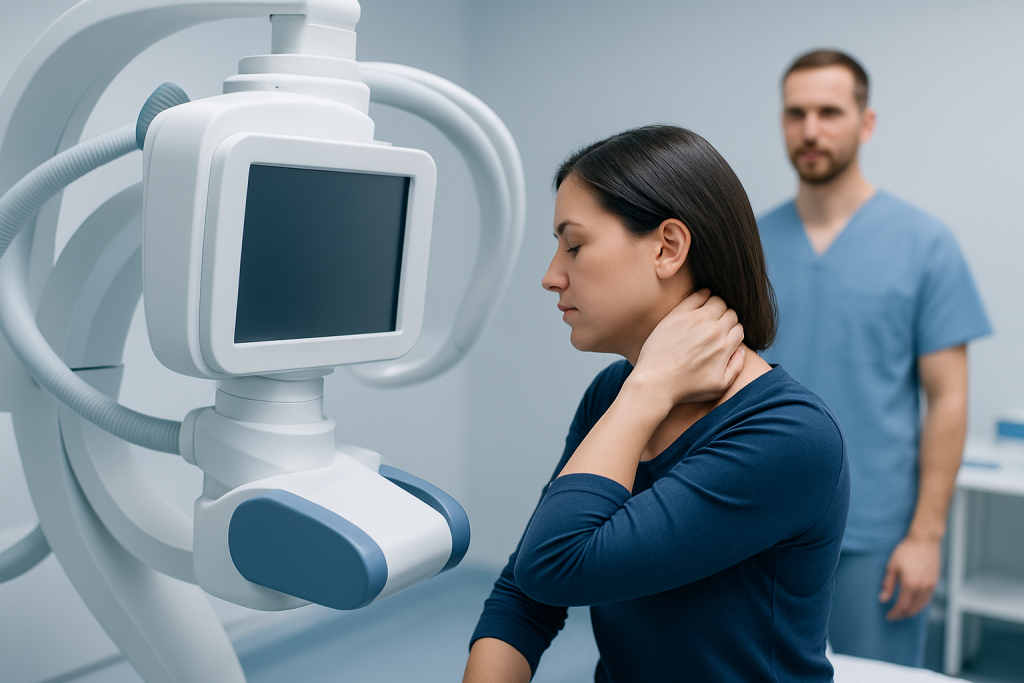
Neck and nape pain can feel different from one person to another. Some describe a dull ache at the base of the skull, while others notice tight bands across the shoulders or a sharp pain that appears with turning the head. Stiffness in the morning or after long periods of sitting is also common.
Depending on the cause, symptoms may include:
- Reduced ability to rotate or tilt the neck
- Muscle tightness or spasm
- Headache that starts in the nape and moves upward
- Pain that spreads into the shoulder or upper back
- Occasional tingling or numbness in the arm if a nerve is involved
Some people also notice that symptoms increase after desk work, driving, stress, or sleeping in an awkward position. Pain that is mild and mechanical often behaves predictably, whereas pain with fever, unexplained weight loss, balance problems, or persistent neurologic symptoms requires medical review.
Causes & Risk Factors

The most frequent causes are mechanical. Repeated looking down at a phone, long hours at a computer, carrying heavy bags, or tensing the shoulders during stress can overload the small muscles and joints of the neck. Even a minor awkward movement may trigger a spasm if the tissues are already irritated.
Other possible causes include age-related cervical spine changes, disc problems, joint inflammation, whiplash after a car accident, and nerve compression. Less commonly, infection, inflammatory disease, or problems outside the neck such as jaw disorders or referred pain from the shoulder may be responsible.
Risk is often higher in people who:
- Work for long periods in fixed postures
- Have poor sleep support or unsupportive pillows
- Have previously injured the neck
- Carry stress in the shoulders and upper back
- Smoke, which may affect tissue health and healing
Because neck pain can arise from several overlapping sources, careful history-taking matters. This is especially true for international patients who may be arranging a short medical visit and need the assessment to focus on the most likely cause first.
Diagnosis
Evaluation usually begins with a conversation about when the pain started, where it is located, and whether it stays in one area or travels to the arm or head. A clinician will often ask about work habits, sleep position, recent injuries, and any symptoms such as numbness, weakness, fever, or dizziness.
A physical examination helps assess posture, range of motion, muscle tenderness, reflexes, strength, and signs of nerve irritation. In many straightforward cases, this is enough to guide treatment without advanced testing.
Imaging or other tests may be considered if the pain is severe, persistent, linked to trauma, or accompanied by warning signs. X-rays, MRI, or sometimes blood tests can help when a structural problem, nerve compression, inflammation, or infection is suspected. The goal is not to test everyone, but to match the workup to the pattern of symptoms.
Treatment Options
Treatment depends on the cause, but many cases improve with conservative care. Rest does not mean complete inactivity; it usually means avoiding the movements that aggravate symptoms while keeping the neck gently mobile. Short-term measures such as heat or cold packs may ease discomfort for some people.
Clinicians may recommend physical therapy to restore movement, improve posture, and strengthen supporting muscles. Manual therapy, stretching, and guided exercises can be useful when done in a structured way. If nerve irritation or inflammation is present, a doctor may suggest medication or other targeted treatment based on the individual situation.
When symptoms stem from a specific structural issue, such as a herniated disc or severe nerve compression, further interventions may be discussed. These can range from injections to surgical evaluation, but those options are considered only when simpler measures are not enough or when neurologic signs make them necessary.
For travelers seeking care abroad, treatment planning should include not only the procedure itself but also the recovery window, follow-up needs, and whether rehabilitation can continue safely after returning home.
Prevention & Self-care
Simple habits often make a meaningful difference. Many people benefit from adjusting screen height, taking brief movement breaks during the day, and keeping the shoulders relaxed rather than lifted. Supportive sleep positioning and a pillow that keeps the neck in a neutral line may also help.
Helpful self-care steps may include:
- Changing posture frequently instead of holding one position for hours
- Using ergonomic work setup when possible
- Doing gentle neck and shoulder stretches approved by a clinician
- Managing stress with breathing, walking, or other calming routines
- Staying active overall, since movement supports joint and muscle health
If the pain tends to come back, keeping a brief symptom note can be useful. Recording what was done before the flare, how long it lasted, and what eased it may help both local and international care teams identify triggers and build a more effective plan.
When to See a Doctor
Medical assessment is sensible when neck or nape pain lasts more than a short period, keeps returning, or limits daily activities. It is also important if home measures do not help, or if the discomfort is becoming more intense rather than gradually improving.
Urgent evaluation is recommended if the pain follows a fall or accident, or if it appears with arm weakness, numbness, trouble walking, loss of balance, severe headache, fever, confusion, or pain that is unusual for the person. These symptoms do not always mean something serious, but they deserve prompt attention.
For patients considering treatment abroad, a timely review can reduce uncertainty and help determine whether conservative care, imaging, or specialist referral is the best next step. A clear diagnosis makes travel planning, treatment scheduling, and follow-up much smoother.
Acibadem Health Point’s multidisciplinary specialists and JCI-accredited hospitals can diagnose and treat neck and nape conditions for international patients as part of coordinated care.
Living With Neck and Nape Pain
People often do best when they treat neck pain as a pattern to understand, not just a symptom to silence. The same area may hurt more during stressful weeks, after long work sessions, or after sleeping poorly, so recovery often depends on identifying the trigger rather than chasing quick fixes alone.
Ongoing symptoms can also affect mood, concentration, and sleep. A balanced plan that includes posture changes, movement, and clinical follow-up when needed usually works better than resting for too long or pushing through severe discomfort. If pain keeps recurring, a clinician may look for contributing factors in the spine, shoulders, jaw, or workplace setup.
For many patients, especially those traveling internationally, the best outcomes come from clear communication and realistic planning. A focused evaluation, practical home guidance, and a follow-up strategy can make the journey more predictable and the recovery more comfortable.
Frequently asked questions
What is the difference between neck pain and nape pain?
Nape pain usually refers to discomfort at the back of the neck, near the base of the skull. In practice, the terms often overlap because problems in the cervical spine and surrounding muscles can affect both areas. A clinician looks at the full pattern rather than the label alone.
Can poor posture really cause neck and nape pain?
Yes. Holding the head forward, hunching over a laptop, or looking down at a phone for long periods can strain the muscles and joints that support the neck. The discomfort often improves when posture, movement habits, and workstation setup are adjusted.
Does neck pain always mean a spine problem?
No. Muscle tension, sleep position, stress, shoulder issues, and jaw problems can all contribute. A spine cause is only one possibility, which is why an examination is important when pain is persistent or unusual.
When is imaging needed for neck pain?
Imaging is not needed for every case. It is more likely to be useful when there was an injury, the pain is severe or persistent, or there are neurologic symptoms such as numbness, weakness, or balance problems. A doctor decides based on the overall picture.
What can a person do at home for mild neck and nape pain?
Gentle movement, posture breaks, and heat or cold may help some people. It is also sensible to avoid heavy lifting or repeated strain for a short time. If symptoms do not improve, medical assessment is a good next step.
Can neck and nape pain be related to stress?
Yes. Stress often leads to shoulder elevation, jaw clenching, and muscle tightening around the neck. Relaxation techniques, regular movement, and better sleep habits may reduce how often the pain returns.
References
- National Institute of Neurological Disorders and Stroke
- Mayo Clinic
- American Academy of Orthopaedic Surgeons
- NHS
- Cleveland Clinic
This article is for general information only and is not a substitute for professional medical advice. Please consult a qualified doctor about your individual situation.
Joint and spine care in Turkey — expert assessment & treatment
JCI-accredited · board-certified surgeons · reply within 24h
Add us as a Preferred Source to see more of our trusted health content across Google Search, AI Overviews and Discover.
More from the Health Library



Related Specialists

Assoc. Prof. Dr. Ali Şahin
Orthopedic Surgery & Traumatology
Prof. Dr. Ahmet Alanay
Orthopedic Surgery & Traumatology
Dr. Sinan Aksu
Orthopedic Surgery & Traumatology
Dr. Sirri Baştürk
Orthopedic Surgery & Traumatology