

Muscle Relaxers: Uses, Dosage and Side Effects

Key Takeaways
- Muscle relaxers can reduce short-term muscle spasms, but they are not meant to solve every type of pain.
- They may cause drowsiness, dizziness, and slowed reactions, so caution is needed with driving, alcohol, and other sedating medicines.
- The right medicine depends on the cause of the spasm, a person’s health history, and other medications already in use.
- Physical therapy, stretching, posture changes, and treating the root problem often matter as much as medication.
- A doctor should review persistent, severe, or recurring muscle pain, especially if numbness, weakness, or injury is involved.
Medically reviewed by the Acıbadem clinical team — August 19, 2026
Muscle relaxers are medicines that may help ease painful muscle spasms and improve comfort while the body recovers. They can be useful in selected cases, but they are not a cure for the underlying cause, so safe use and medical guidance matter.
Overview
Muscle relaxers are prescription medicines that help calm painful muscle tightness or spasms. They are often considered when a muscle has gone into a protective “lock” after strain, injury, or irritation from a spine or nerve problem.
The name can sound simple, but the group is not one single medicine. Some muscle relaxers act mainly on the brain and nervous system to reduce the feeling of spasm, while others are used for specific conditions such as spasticity from nerve injury or neurological disease. That is why the best choice depends on the reason the muscles are tightening in the first place.
For many people, these medicines are only one part of care. Rest, guided movement, heat or cold, physical therapy, and attention to posture often help the recovery go more smoothly, especially when care is being planned across a travel schedule or after returning home from Herniated Disc Treatment Abroad: Injection, Rehab, or Surgery?" class="ahp-ilk">treatment abroad.
Symptoms that may lead to treatment

Muscle relaxers are usually considered when pain is paired with a clear sense of spasm or stiffness. People often describe a muscle that feels clenched, twitchy, or difficult to loosen, sometimes after lifting, sleeping awkwardly, or overusing the back, neck, or shoulders.
Common situations that may prompt a doctor to consider a muscle relaxer include acute low back pain, neck strain, or pain after a minor musculoskeletal injury. In some neurological conditions, the goal is not only pain relief but also reducing spasticity that interferes with walking, hygiene, sleep, or daily movement.
- Tight, band-like muscle tension
- Sudden cramping or spasm
- Pain that worsens with movement
- Difficulty resting because the muscle will not relax
- Reduced range of motion due to stiffness
It is important to remember that muscle pain can come from many causes. Joint problems, nerve irritation, inflammation, fractures, and even internal medical conditions can mimic a simple muscle spasm, so symptoms should be interpreted in context.
Causes and risk factors
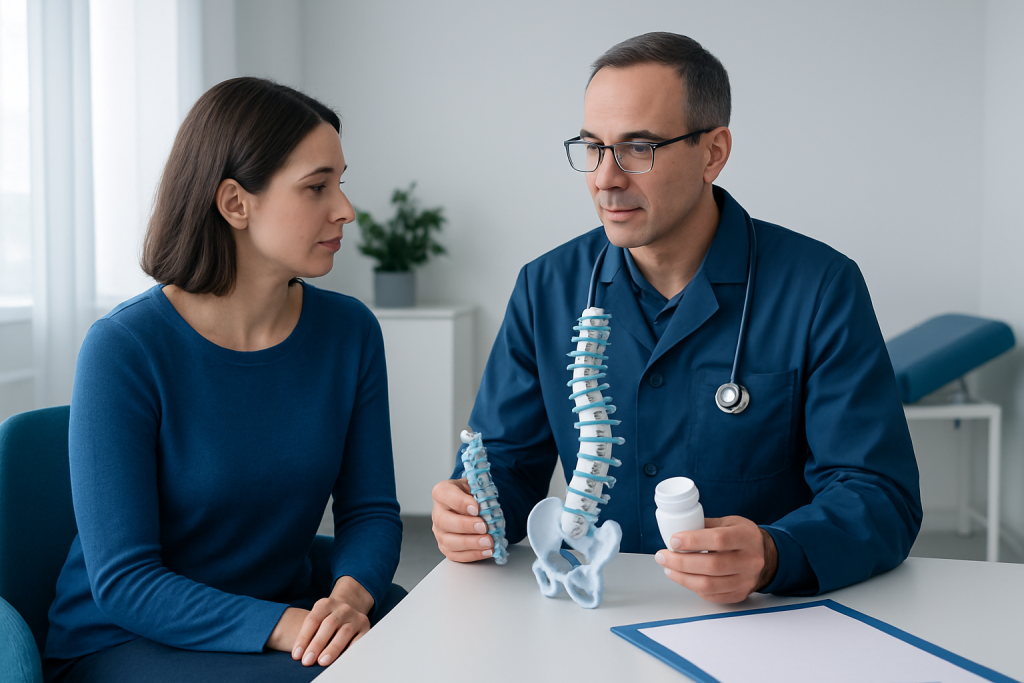
Muscle spasms often begin after a minor injury, repetitive strain, long periods of poor posture, or sudden movement. Dehydration, stress, and muscle fatigue can also make spasms more likely, especially when a person is already recovering from back or neck pain.
Some people are more likely to need careful medication selection. Older adults, people with liver disease, those with sleep apnea, and anyone taking sedatives, opioid pain medicines, antihistamines, or alcohol should be assessed cautiously because side effects can add up.
Risk is also influenced by the cause of the spasm. A simple sports strain is very different from spasticity related to multiple sclerosis, spinal cord injury, stroke, or cerebral palsy. In these settings, the treatment plan may focus on function, comfort, and rehabilitation rather than short-term symptom control alone.
International patients often arrive with imaging, prescriptions, or prior treatment notes from another country. Bringing those records helps the medical team choose a muscle relaxer only when it fits the full clinical picture and does not conflict with existing medicines.
How doctors make the diagnosis
There is no single test for “needing” a muscle relaxer. Diagnosis starts with a history of when the pain began, what movements make it better or worse, and whether the person has numbness, weakness, fever, trauma, or bowel or bladder changes.
A physical examination usually looks at posture, tenderness, range of motion, reflexes, strength, and signs of nerve involvement. If symptoms suggest a more serious problem, a doctor may order X-rays, MRI, blood tests, or other investigations to look for fractures, disc problems, inflammation, infection, or another underlying cause.
For international patients, this step is especially important because treatment may need to continue across borders. A careful diagnosis creates a clearer plan for medication choices, rehabilitation, follow-up appointments, and safe handover to a local doctor after travel.
Treatment options
Muscle relaxers are typically used for short-term relief in acute musculoskeletal pain, or in selected longer-term conditions involving spasticity. They are usually prescribed alongside, not instead of, measures that address the original problem.
Depending on the situation, a doctor may recommend one of several approaches. Some medicines are meant to reduce pain-related spasm, while others are used for neurologic spasticity. The best option depends on the cause, age, other health conditions, and the need to remain alert during the day.
- Prescription muscle relaxers: Used under medical supervision when spasm is limiting recovery or function.
- Physical therapy: Helps restore movement, strengthen supporting muscles, and reduce repeat injury.
- Activity modification: Temporary rest from aggravating tasks can allow healing.
- Heat or cold: May ease discomfort and support mobility in the short term.
- Other pain strategies: A doctor may suggest anti-inflammatory medicines or other treatments if appropriate.
Because some muscle relaxers can cause sleepiness or slowed reaction time, they are not ideal for everyone. A clinician should review whether driving, caring for children, operating machinery, or traveling long distances will be affected.
Possible side effects and safety issues
The most common concerns with muscle relaxers are drowsiness, dizziness, dry mouth, and feeling mentally slowed. Some people also notice blurred vision, constipation, or a sense of weakness.
These effects are more important than they may sound. A medicine that makes someone unsteady can increase the risk of falls, interfere with work, and make travel more tiring. For that reason, it is wise to start only when a doctor has explained what to expect and how to use the medicine safely.
Muscle relaxers should not be mixed casually with alcohol or other sedating medicines unless a clinician has reviewed the combination. People with a history of substance use disorder, liver problems, or significant daytime sleepiness need especially careful guidance, because the safety profile differs from one medicine to another.
If a medicine causes confusion, severe grogginess, rash, palpitations, difficulty breathing, or an unusual change in mood, medical advice should be sought promptly. Any sign of an allergic reaction or overdose requires urgent care.
Prevention and self-care
The most reliable way to reduce future episodes is to lower the strain that keeps re-triggering the muscle. That often means addressing posture, lifting technique, repetitive work habits, sleep position, and training intensity rather than relying on medication alone.
Simple habits can make a meaningful difference during recovery. Gentle stretching, staying hydrated, pacing activity, and gradually returning to exercise can help the muscles settle. A physical therapist can tailor movements so they are helpful rather than irritating.
Practical self-care may include:
- Using supportive seating and work ergonomics
- Warming up before exercise and cooling down afterward
- Avoiding sudden heavy lifting after a period of inactivity
- Maintaining regular sleep and hydration habits
- Following the full rehabilitation plan after an injury or procedure
For people traveling for care, it can help to plan medication timing around flights, transfers, and therapy appointments. Keeping medicines in original packaging and carrying a summary of the treatment plan can make cross-border follow-up easier and safer.
When to see a doctor
Medical review is sensible when muscle pain lasts more than a few days, keeps returning, or is severe enough to disturb sleep, work, or walking. A doctor should also evaluate pain that began after a fall, sports injury, or accident.
Seek prompt care if muscle pain comes with numbness, weakness, fever, unexplained swelling, chest pain, shortness of breath, loss of bladder or bowel control, or pain that spreads down an arm or leg. These signs can point to nerve involvement or another problem that needs more than a muscle relaxer.
If care is being arranged from another country, a coordinated plan matters. Acibadem Health Point’s multidisciplinary specialists and JCI-accredited hospitals diagnose and treat muscle-related conditions for international patients, helping connect medication decisions with imaging, rehabilitation, and follow-up.
Anyone already taking several medicines should ask for a medication review before starting a muscle relaxer. That simple step can prevent avoidable interactions and make the overall treatment plan safer and clearer.
Living with recurring muscle tightness
Recurrence is common when the underlying trigger is not fully corrected. That is why a good plan often combines symptom relief with a search for the reason the spasm keeps coming back, whether it is a mechanical issue in the spine, overuse at work, or a neurological condition.
Patients who improve best usually know what their warning signs feel like, when to rest, when to stretch, and when to ask for help. They also know that medicine is only one tool, and that recovery often depends on consistent follow-up rather than a single prescription.
When the goal is to stay active and travel safely, the most useful treatment is usually the one that fits the whole person: symptoms, diagnosis, daily responsibilities, and the practical reality of life after the clinic visit.
Frequently asked questions
What are muscle relaxers used for?
Muscle relaxers are used to ease painful muscle spasms and stiffness, especially when the spasm is limiting movement or sleep. They are sometimes used for short-term back or neck strain and, in different forms, for neurologic spasticity. They work best when paired with treatment of the underlying cause.
Do muscle relaxers treat the cause of pain?
Not usually. They can reduce the spasm and help a person move more comfortably, but they do not fix a strained muscle, nerve irritation, or spine problem by themselves. That is why doctors often combine them with physical therapy, activity changes, or other treatments.
Can someone drive after taking a muscle relaxer?
It depends on the medicine and the person, but many muscle relaxers can cause drowsiness or slower reactions. Until the effects are known, driving and other safety-sensitive tasks should be avoided. A doctor or pharmacist can advise on specific precautions.
Are over-the-counter pain medicines the same as muscle relaxers?
No. Pain relievers such as acetaminophen or anti-inflammatory medicines are different from muscle relaxers. They may sometimes be used together, but only if a clinician says the combination is appropriate and safe.
How long are muscle relaxers usually taken?
Many are intended for short-term use, especially in acute muscle strain. The duration depends on the diagnosis, the medicine chosen, and how quickly symptoms improve. A doctor should decide whether ongoing treatment is still needed.
When should muscle pain be checked by a doctor?
Muscle pain should be checked if it is severe, keeps returning, follows an injury, or comes with weakness, numbness, fever, or trouble controlling the bladder or bowels. These features can signal a problem that needs further assessment. Early evaluation often leads to a clearer and safer treatment plan.
References
- National Institute of Neurological Disorders and Stroke
- Mayo Clinic
- MedlinePlus
- American Academy of Orthopaedic Surgeons
- Cleveland Clinic
This article is for general information only and is not a substitute for professional medical advice. Please consult a qualified doctor about your individual situation.
Joint and spine care in Turkey — expert assessment & treatment
JCI-accredited · board-certified surgeons · reply within 24h
Add us as a Preferred Source to see more of our trusted health content across Google Search, AI Overviews and Discover.
More from the Health Library



Related Specialists

Prof. Dr. Ahmet Alanay
Orthopedic Surgery & Traumatology
Dr. Sinan Aksu
Orthopedic Surgery & Traumatology
Dr. Sirri Baştürk
Orthopedic Surgery & Traumatology
Prof. Dr. Korhan Özkan
Orthopedic Surgery & Traumatology