Ms Symptoms In Women

Key Takeaways
- MS symptoms in women can involve vision, balance, sensation, strength, fatigue, and bladder or bowel changes.
- Symptoms may appear in episodes and can differ widely from one person to another.
- Diagnosis usually involves neurological examination, MRI, and other tests to rule out similar conditions.
- Treatment focuses on reducing relapses, slowing disease activity, and managing day-to-day symptoms.
- Follow-up care and self-management can support quality of life, especially when care is coordinated across countries.
Multiple sclerosis can affect women in varied ways, with symptoms that may come and go or gradually change over time. Understanding the early signs, possible triggers, and available care can help women seek timely medical advice and feel more prepared for the next steps.
Overview
Multiple sclerosis, often called MS, is a long-term condition that affects the brain and spinal cord. It happens when the immune system mistakenly targets the protective covering around nerve fibers, which can disrupt how signals travel through the nervous system.
In women, MS may be noticed through a wide range of symptoms that do not always appear together. Some people first experience a single episode, such as vision changes or numbness, while others notice a slower pattern of fatigue, weakness, or difficulty with coordination.
Because the condition can resemble several other neurological or general health problems, women may go through a period of uncertainty before receiving a clear diagnosis. A careful review of symptoms, medical history, and imaging tests is often needed to understand what is happening and to plan the right care.
Symptoms
MS symptoms in women can vary from mild and intermittent to more persistent and disruptive. One person may mainly notice blurred vision and tiredness, while another may struggle with walking, balance, or numbness in an arm or leg.
Common symptoms can include:
- Fatigue that feels out of proportion to activity
- Numbness, tingling, or a pins-and-needles sensation
- Muscle weakness or heaviness
- Difficulty walking, poor balance, or dizziness
- Blurred or double vision, eye pain, or loss of vision in one eye
- Bladder urgency, frequent urination, or difficulty emptying the bladder
- Constipation or other bowel changes
- Muscle stiffness or spasms
- Problems with concentration, memory, or processing speed
Some symptoms may come and go in episodes, while others can build gradually. Women may also notice that heat, poor sleep, stress, or an infection makes symptoms feel more noticeable for a time.
MS does not affect every woman in the same way, and symptom patterns can change over months or years. That unpredictability is one reason early medical assessment matters, even if the symptoms seem temporary.
Causes & Risk Factors

The exact cause of MS is not fully understood. It is thought to develop through a combination of immune, genetic, and environmental factors that together increase the chance of the immune system attacking myelin, the protective layer around nerves.
Women are diagnosed with MS more often than men, although the reason for this difference is still being studied. Hormonal influences, immune system differences, and other biological factors may all play a role, but no single cause explains every case.
Factors that may be associated with a higher likelihood of MS include:
- A family history of MS or other autoimmune conditions
- Smoking
- Low vitamin D levels or limited sunlight exposure
- Some past viral exposures, including Epstein-Barr virus
- Living in certain geographic regions with less sun exposure
Having one or more of these factors does not mean a person will develop MS. Many women with risk factors never do, and some people with MS have no obvious risk factors at all.
Diagnosis
Diagnosing MS usually begins with a neurological consultation and a detailed discussion of symptoms, timing, and any previous episodes. A doctor will also look for signs that symptoms affect different parts of the nervous system and have occurred at different points in time.
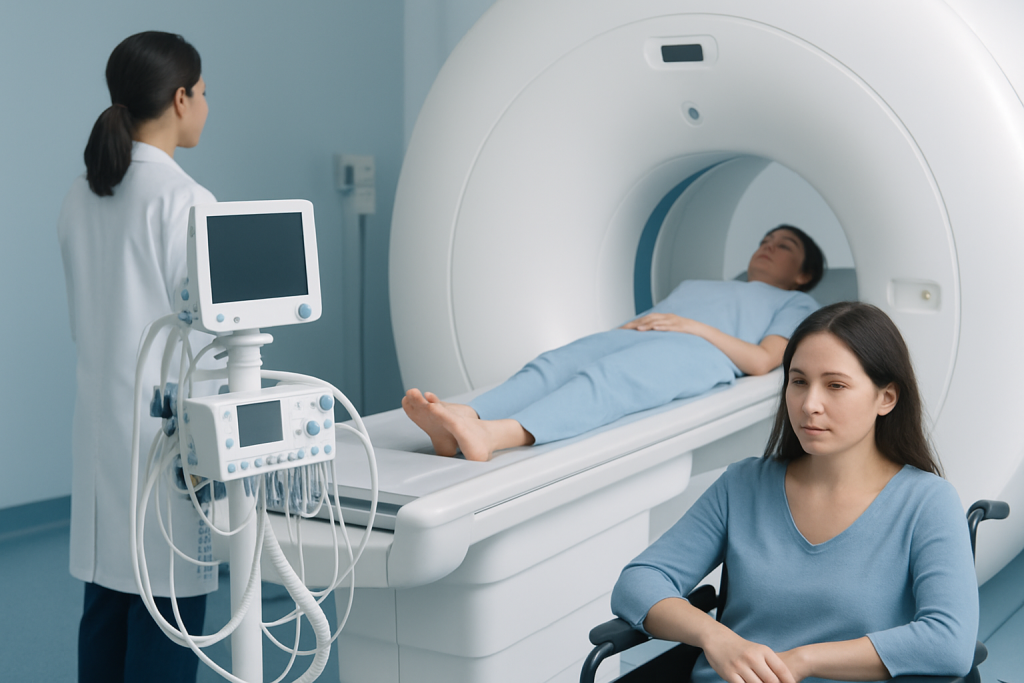
MRI scans of the brain and spinal cord are often central to the evaluation because they can show areas of inflammation or scarring that fit MS. In some cases, additional tests such as lumbar puncture, blood work, visual testing, or nerve-related studies are used to support the diagnosis and to rule out other causes.
This step-by-step process matters because several conditions can imitate MS, including vitamin deficiencies, infections, migraine-related problems, and other neurological disorders. For women planning care abroad, bringing prior scans, reports, and a symptom timeline can help a specialist review the picture more efficiently and avoid repeating unnecessary tests.
Treatment Options
Treatment for MS is usually individualized. The care plan may include medicines to reduce relapses or disease activity, treatments for specific symptoms, and regular follow-up to monitor how the condition behaves over time.
For relapsing forms of MS, a neurologist may discuss disease-modifying therapies that aim to reduce new inflammatory activity. If a relapse causes significant problems, short-term treatment may be recommended to help calm the episode. Symptom-focused care can also address fatigue, spasticity, bladder issues, pain, mood changes, or walking difficulties.
Rehabilitation is often part of the picture as well. Physical therapy, occupational therapy, and gait or balance training can help maintain independence and daily function, while vision or cognitive support may be added when needed. Treatment decisions should always be made with a qualified doctor, especially because the best choice depends on MS type, symptom pattern, other health conditions, and long-term plans such as pregnancy or travel.
Prevention & Self-care
MS itself cannot always be prevented, but women can take practical steps to support overall health and reduce avoidable symptom flare-ups. A steady routine often helps more than dramatic changes, especially when symptoms fluctuate.
Helpful self-care habits may include:
- Protecting energy with planned rest and realistic activity pacing
- Staying hydrated and aiming for balanced meals
- Managing heat exposure if warmth worsens symptoms
- Keeping regular sleep habits as much as possible
- Avoiding smoking
- Staying physically active within personal limits
- Following medical advice for vitamin D, vaccination, or infection prevention when appropriate
Women who travel for treatment may benefit from keeping copies of scan reports, medication lists, and emergency contact details in one place. A clear follow-up plan is especially useful when care continues across borders, because symptom changes can happen between visits and should be easy to report to the treating team.
When to See a Doctor
Medical evaluation is important when new neurological symptoms appear, even if they improve on their own. Sudden vision loss, weakness, numbness, balance problems, or persistent tingling deserve prompt assessment because early diagnosis can shape later care.
A woman should seek medical advice if symptoms are recurring, lasting more than a day or two, or interfering with work, driving, walking, or daily tasks. It is also sensible to speak with a doctor if fatigue, bladder changes, or cognitive issues are becoming harder to manage.
If MS is already diagnosed, urgent review is appropriate for a major new symptom, a clear relapse, or signs of infection that seem to be worsening neurological complaints. For international patients, Acibadem Health Point’s multidisciplinary specialists and JCI-accredited hospitals can diagnose and treat MS while coordinating care thoughtfully for patients traveling from abroad.
Living With MS
Living with MS often means learning how to notice patterns, prepare for changes, and stay connected with a care team. Many women find it useful to track symptoms, sleep, stress, heat exposure, and infections so they can identify what seems to make a difference.
Long-term support may include regular neurology visits, rehabilitation as needed, and practical planning for work, family life, pregnancy, or travel. Since MS can affect each person differently, treatment goals are usually revisited over time rather than set once and forgotten.
With the right diagnosis, follow-up, and symptom management, many women continue to lead active lives. The most helpful next step is usually a structured conversation with a neurologist who can match the evaluation and treatment plan to the individual situation.
Frequently asked questions
Are MS symptoms in women different from men?
MS can affect women and men in similar ways, but women are diagnosed more often and may experience symptom patterns that are influenced by hormonal and immune factors. The day-to-day symptoms themselves can still vary widely from one person to another.
What are the first signs of MS in women?
Early signs may include vision changes, numbness or tingling, unusual fatigue, weakness, or balance problems. Some women notice only one symptom at first, which is why early assessment can be helpful.
Can MS symptoms come and go?
Yes. Many people with MS have symptoms that appear in episodes or fluctuate in intensity. Even when symptoms improve, a doctor may still want to evaluate the episode to understand whether it fits MS or another condition.
How is MS confirmed?
Doctors usually combine a neurological examination with MRI scans and other tests as needed. Blood tests or lumbar puncture may be used to rule out conditions that can look similar.
Is MS curable?
There is currently no cure, but there are treatments that can reduce disease activity, manage relapses, and support daily function. Many women benefit from ongoing follow-up and rehabilitation alongside medication.
Can pregnancy affect MS symptoms?
Pregnancy and the postpartum period can influence symptom patterns and treatment planning, so care should be coordinated with a neurologist and obstetric team. A personalised plan is especially important before trying to conceive or when already pregnant.
References
- National Institute of Neurological Disorders and Stroke
- Multiple Sclerosis International Federation
- Mayo Clinic
- Cleveland Clinic
- World Health Organization
This article is for general information only and is not a substitute for professional medical advice. Please consult a qualified doctor about your individual situation.