Neuroleptic Malignant Syndrome

Key Takeaways
- Neuroleptic malignant syndrome is uncommon, but it can become a medical emergency if not recognized quickly.
- It is most often linked to antipsychotic medicines, though other triggers can also be involved.
- Typical warning signs include fever, muscle stiffness, confusion, and changes in heart rate or blood pressure.
- Diagnosis is based on symptoms, recent medication exposure, examination, and blood tests to check for complications.
- Treatment usually includes stopping the triggering medicine, supportive hospital care, and close monitoring.
- Future medication plans should always be reviewed carefully with a qualified doctor before any restart or switch.
Neuroleptic malignant syndrome is a rare but serious reaction that can happen after exposure to certain psychiatric medicines. Prompt medical evaluation is essential, and early treatment can support recovery and help prevent complications.
Overview
Neuroleptic malignant syndrome, often shortened to NMS, is a rare but serious reaction that can occur after exposure to certain medicines that affect brain chemistry, especially antipsychotic drugs. It is uncommon, but when it happens, the body can move into an intense stress state that affects temperature regulation, muscles, and the nervous system.
For patients and families, the condition can feel sudden and confusing because the early changes may look like a severe flu, medication side effect, or worsening mental health symptoms. That is why recent medication history matters so much. The sooner a clinician connects the symptoms to a possible drug reaction, the faster treatment can begin.
NMS is considered a medical emergency because it may lead to dehydration, kidney problems, abnormal blood findings, or other complications if not managed promptly. The good news is that recognition has improved, and many patients recover when the triggering medicine is stopped and supportive care is started without delay.
Symptoms
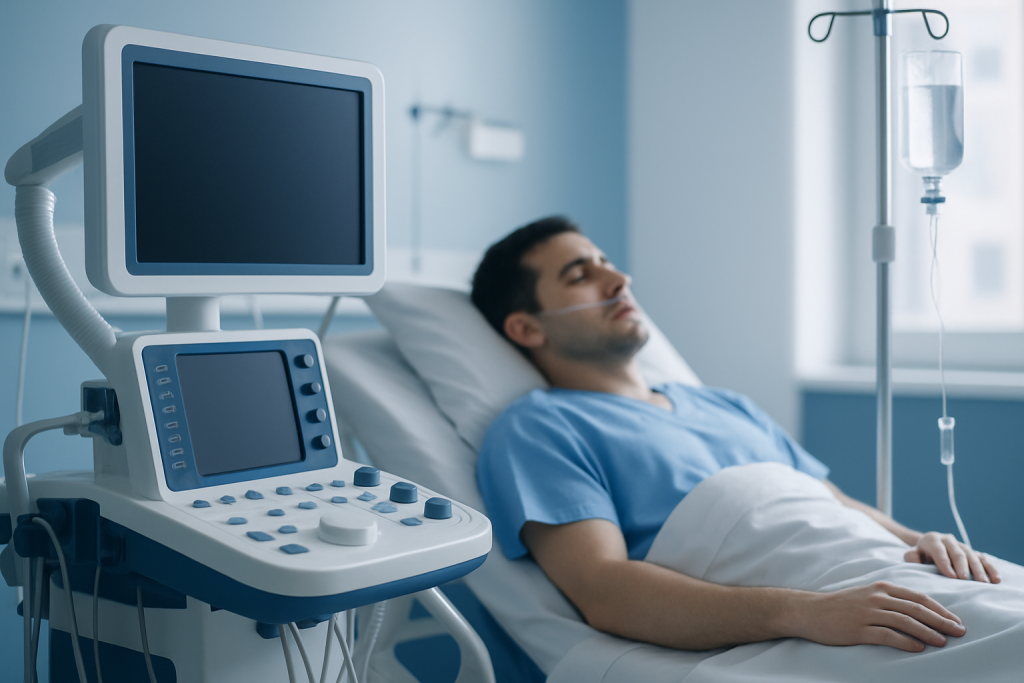
The classic picture of neuroleptic malignant syndrome includes fever, muscle rigidity, and changes in thinking or alertness. A person may seem unusually confused, drowsy, agitated, or difficult to wake. Muscles may become very stiff, making movement slow and uncomfortable.
Other signs often appear alongside these core symptoms. The heart rate may be fast, blood pressure may fluctuate, breathing may feel strained, and sweating may be heavy. Some people develop tremor, trouble speaking, swallowing difficulty, or a generally “ill” appearance that progresses over hours to days.
Because the syndrome can evolve quickly, families should pay attention to changes that seem out of proportion to a routine medication adjustment. A recent increase in dose, a new antipsychotic medicine, or restarting treatment after a break can all be important clues. The overall pattern matters more than any single symptom.
- High body temperature
- Muscle stiffness or rigidity
- Confusion or reduced alertness
- Rapid pulse
- Fluctuating blood pressure
- Heavy sweating or dehydration
Causes & Risk Factors
NMS is most commonly associated with antipsychotic medicines, which are used for conditions such as schizophrenia, bipolar disorder, severe agitation, and certain other psychiatric or neurological situations. The reaction is linked to the way these medicines influence dopamine signaling in the brain and body, although the exact mechanism is still being studied.
It can occur with both older and newer antipsychotic agents. In some situations, risk appears to rise when a medicine is started quickly, the dose is increased rapidly, or a person receives more than one medicine that affects dopamine. Stopping dopamine-related medicines abruptly and then restarting them may also play a role in vulnerable patients.
Several factors may increase the chance of NMS, though the condition can still happen without obvious warning signs. These include dehydration, agitation, exhaustion, use of high-potency antipsychotics, prior history of NMS, and some medical or neurological illnesses. Heat exposure and poor oral intake may worsen the body’s ability to cope once symptoms begin.
Diagnosis
There is no single blood test that confirms neuroleptic malignant syndrome. Diagnosis is made by combining the symptom pattern with the recent use of a triggering medication and the results of a physical examination. Clinicians also look for signs that help separate NMS from infections, serotonin syndrome, severe withdrawal states, or other urgent conditions.
Blood tests are commonly used to check muscle injury, kidney function, electrolytes, and markers of inflammation. A creatine kinase level may be elevated when muscle breakdown is occurring, and urine tests may help assess hydration or kidney stress. Depending on the situation, doctors may also order imaging or infection-related tests to rule out other causes of fever and confusion.
For international patients, diagnosis is often a step-by-step process that begins with a careful medication review, including drugs taken before travel or treatment received in another country. Bringing a current medication list, discharge papers, and previous psychiatric or neurological records can make evaluation much smoother and safer.
Treatment Options
Treatment begins with stopping the suspected triggering medicine under medical supervision. After that, care focuses on stabilizing the body: lowering fever, restoring fluids, correcting electrolyte problems, and protecting kidney function. Many patients need hospital monitoring so the team can watch vital signs, urine output, and laboratory results closely.
Depending on the severity of illness, clinicians may consider medicines that help relax muscles or reduce the body’s stress response. These decisions are individualized and based on the person’s overall condition, other medical problems, and how quickly symptoms are changing. If breathing is affected or the person becomes very unwell, higher-level support may be needed.
Recovery planning does not end when the fever settles. The treating team usually reviews what may have triggered the episode, whether the original psychiatric medication should be restarted, and which alternatives might be safer in the future. This step is especially important for patients who will continue care across borders, since medication changes should be clearly documented for follow-up doctors at home.
Prevention & Self-care
Prevention starts with communication. Patients should tell every clinician about all prescription medicines, over-the-counter products, herbal remedies, and any prior reaction to antipsychotic treatment. That history can guide safer choices and help the team avoid combinations or dosing strategies that may raise risk.
When antipsychotic therapy is needed, careful monitoring is important, especially after starting treatment, changing the dose, or switching medicines. Families can help by watching for early warning signs such as new rigidity, unusual confusion, or unexplained fever. If these changes appear, the medication should not be adjusted on one’s own; medical advice should be sought promptly.
Supportive self-care during recovery focuses on hydration, rest, and attending all follow-up appointments. Patients who travel for care should keep an updated medication list, carry discharge instructions, and arrange a reliable way to contact the treating team after returning home. If prescribed a future psychiatric medicine, the plan should be reviewed slowly and carefully with a doctor who knows the prior episode.
- Keep an accurate medication list, including past reactions
- Report fever, stiffness, or confusion early
- Do not restart or stop psychiatric medicines without medical guidance
- Maintain hydration, especially during illness or travel
- Arrange follow-up before returning to another country
When to See a Doctor
Anyone taking an antipsychotic medicine who develops fever, marked stiffness, confusion, or unusual changes in heart rate or blood pressure should be assessed urgently. These symptoms are not something to watch and wait on at home, because NMS can worsen over a short period.
Immediate medical review is also important if the person is unable to drink, is becoming more sleepy, has trouble swallowing, or seems difficult to wake. If symptoms begin after a recent dose increase, a medication switch, or restarting treatment, that information should be shared right away with the care team or emergency services.
Once the acute episode is treated, follow-up care matters just as much. A doctor can help decide which medicines are reasonable in the future, what monitoring is needed, and how to lower risk if psychiatric treatment remains necessary. Acibadem Health Point’s multidisciplinary specialists and JCI-accredited hospitals can diagnose and treat this condition for international patients who need coordinated care.
Living With the Recovery Process
After the urgent phase is over, recovery is often about rebuilding confidence as much as rebuilding strength. Some people feel fatigued for a while, while others need help understanding which medication caused the reaction and what to avoid next. A clear plan can reduce anxiety and prevent confusion during future care.
It can be helpful to keep a simple written record of the event: when symptoms started, which medicines were being taken, what treatment was given, and what the discharge plan was. This record can be especially valuable during future consultations, whether at home or abroad, because it helps new clinicians make safer decisions faster.
Patients and families do best when they treat NMS as a shared learning point, not just a frightening episode. With careful follow-up, respectful medication planning, and prompt attention to new symptoms, many people continue treatment for their underlying condition more safely and with greater clarity about what their body needs.
Frequently asked questions
Is neuroleptic malignant syndrome the same as a medication allergy?
Not exactly. It is a serious adverse drug reaction, but it is not the same as a typical allergy such as a rash from an antibiotic. Because it can become severe, it should still be treated as urgent and documented carefully in future medical records.
How quickly can neuroleptic malignant syndrome develop?
It may appear over hours to days, often after starting or changing a medication. In some cases the onset is less obvious at first, which is why new fever, stiffness, or confusion after psychiatric medicine exposure should be reviewed promptly.
Can it happen with only one dose of an antipsychotic medicine?
It is more often seen after recent exposure or dose changes, but the exact timing can vary. Any concerning symptoms after taking a dopamine-blocking medicine deserve medical assessment, even if the exposure was brief.
What tests are usually done if NMS is suspected?
Doctors commonly check blood counts, muscle enzymes, kidney function, electrolytes, and urine tests, along with a full clinical examination. Additional tests may be used to rule out infection, serotonin syndrome, or other causes of fever and confusion.
Can someone take antipsychotic medicines again after recovering?
Sometimes, but only after a careful review by the treating doctor. If future treatment is needed, the plan is usually more cautious, with close monitoring and consideration of alternative medicines.
Does NMS always require intensive care?
Not always, but many patients need hospital admission for close observation and supportive treatment. The level of care depends on symptom severity, temperature, mental status, hydration, and any complications that are present.
References
- National Institute of Mental Health
- Merck Manual Professional Edition
- U.S. National Library of Medicine MedlinePlus
- American Psychiatric Association
- Mayo Clinic
This article is for general information only and is not a substitute for professional medical advice. Please consult a qualified doctor about your individual situation.