Migraine: When Medication, Injections, or Lifestyle Changes Fit Best

Key Takeaways
- Migraine care is usually individualized rather than one-size-fits-all.
- Some people benefit most from medicines taken during attacks, while others need preventive treatment.
- Injections may be considered when migraines are frequent, disabling, or not well controlled with standard options.
- Lifestyle changes can lower attack frequency and support other treatments.
- A doctor can help match the treatment plan to migraine pattern, health history, and personal goals.
Medically reviewed by the Acıbadem clinical team — June 13, 2026
Migraine is more than a bad headache; it is a neurological condition that often needs a tailored plan. The best approach may include medication, preventive injections, and practical lifestyle changes, depending on how often attacks happen and how much they affect daily life.
Overview
Migraine is a brain-related condition that can cause throbbing head pain, nausea, sensitivity to light or sound, and sometimes visual or sensory warning signs. For many people, it arrives in episodes that disrupt work, travel, family life, and sleep rather than staying as a constant ache.
Because migraine patterns vary so much, treatment is usually selected by asking a practical question: what does this person need most right now? For some, the priority is stopping a single attack quickly. For others, the bigger need is reducing how often attacks happen, or making them less intense and easier to live with.
That is why migraine care often falls into three overlapping approaches: medicines used during an attack, preventive treatments including injections for selected patients, and lifestyle adjustments that reduce common triggers and strengthen day-to-day resilience.
Symptoms
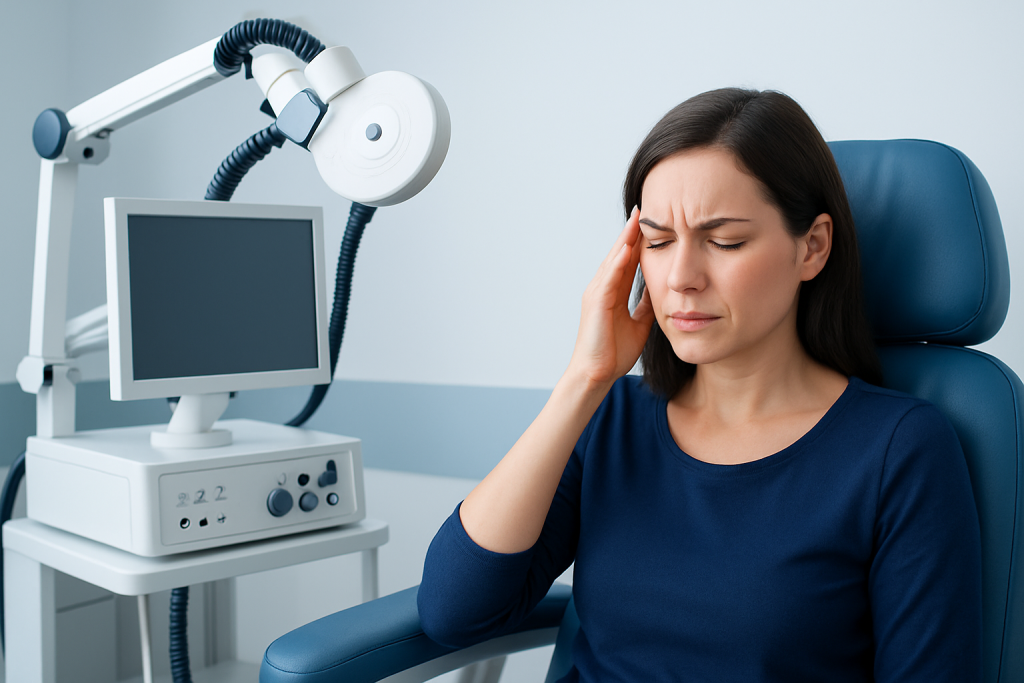
Migraine does not always look the same from person to person. Some people feel a pounding pain on one side of the head, while others have pain on both sides or pressure that seems to move. The attack may last hours or even longer if it is not treated early.
Common symptoms include nausea, vomiting, and sensitivity to light, noise, or smells. Many people also notice that movement makes the pain worse, so even simple activities like walking upstairs or bending over can feel difficult.
Some migraines include an aura, which is a temporary neurological symptom that can happen before or during the headache. Aura may involve flashing lights, blind spots, tingling, or trouble speaking clearly. These symptoms can be unsettling, but they usually pass.
- Throbbing or pulsating head pain
- Nausea or vomiting
- Sensitivity to light, sound, or smell
- Pain that worsens with physical activity
- Aura symptoms in some people
Causes & Risk Factors

Migraine is linked to how the brain processes sensory signals and pain. It is not simply a sign of stress, although stress can certainly influence attacks. Genetics also play a role, which helps explain why migraine often runs in families.
Many people notice triggers, but triggers are not the same for everyone. A trigger may be a missed meal, poor sleep, dehydration, hormonal changes, bright light, certain foods, strong smells, weather shifts, or a period of emotional strain. Sometimes several small factors combine before an attack begins.
Risk can be higher in people who have a family history of migraine, use too much acute pain medicine, live with sleep problems, or have other headache disorders. Travel across time zones, disrupted routines, and dehydration can be especially relevant for international patients who are managing migraine while on the move.
Diagnosis
Doctors usually diagnose migraine by listening carefully to the symptom pattern and reviewing medical history. There is no single blood test that confirms migraine. Instead, the pattern of attacks, associated symptoms, and the way the pain behaves over time guide the diagnosis.
A detailed headache history is often the most useful tool. A doctor may ask how often attacks occur, how long they last, where the pain is felt, what symptoms appear before or during the headache, and what helps or worsens it. A headache diary can make this process easier, especially if attacks are irregular.
Imaging or other tests may be recommended if the headache pattern is unusual, if neurological findings are present, or if the doctor wants to rule out other conditions. This is not because migraine itself is dangerous in most cases, but because new or changing headaches deserve thoughtful evaluation.
Treatment Options
Choosing between medication, injections, and lifestyle changes depends on how often migraines happen, how disabling they are, and whether the person is aiming to stop attacks or prevent them. Many patients need more than one approach, and the best plan often evolves over time.
Acute medications are used during a migraine attack to reduce pain, nausea, and related symptoms. These medicines work best when taken early in the attack, before the headache becomes more established. For some people, simple pain relievers are enough; for others, migraine-specific medicines are more appropriate.
Preventive treatment is considered when attacks are frequent, prolonged, severe, or not responding well to acute treatment. Preventive options may include daily medicines prescribed by a doctor. In selected patients, injection-based treatments may be recommended, especially when migraine remains disruptive despite other care. A specialist can explain whether an injectable approach fits the person’s migraine type, medical history, and treatment goals.
Lifestyle changes are not a substitute for medical care when migraine is significant, but they often make a meaningful difference. Regular sleep, hydration, meals, exercise, and trigger tracking can reduce attack frequency and make medications work more predictably. For people traveling for treatment, a plan that also accounts for time-zone changes, long flights, and follow-up access can be especially valuable.
- Acute treatment: taken at the start of an attack
- Preventive treatment: used to lower attack frequency
- Injections: may help selected patients with frequent or hard-to-control migraine
- Supportive care: rest, hydration, and symptom management during attacks
Prevention & Self-care
Daily habits cannot prevent every migraine, but they can lower the odds of a flare and help treatment work more consistently. For many patients, the most useful self-care steps are surprisingly ordinary: stable sleep, regular meals, enough fluids, and a routine that does not swing dramatically from one day to the next.
Keeping a headache diary can be one of the simplest and most effective tools. Recording sleep, food, stress, hormones, exercise, weather exposure, and medication use may reveal patterns that are easy to miss in memory alone. This is particularly helpful when deciding whether lifestyle changes are enough or whether medical prevention is needed.
Other practical steps include limiting overuse of rescue pain medicine, planning for travel disruptions, using sunglasses or ear protection when needed, and building recovery time into busy periods. Some people also benefit from stress management techniques, physical activity, or behavioral therapy, especially when migraine and anxiety or sleep issues overlap.
- Keep meals and hydration steady
- Protect sleep quality and sleep timing
- Track possible triggers and attack patterns
- Use acute medicines as directed to avoid overuse
- Plan ahead for travel, shifts in routine, and long workdays
When to See a Doctor
Medical evaluation is a good idea when headaches become frequent, more painful, or harder to control than before. It is also important to seek care if attacks interfere with work, school, driving, caregiving, or travel plans, even if they have been present for years.
A doctor should assess headaches that are new, changing, or accompanied by symptoms that do not fit the person’s usual migraine pattern. Evaluation is especially important if there is weakness, confusion, fainting, fever, neck stiffness, vision loss, or a sudden severe headache that feels different from prior attacks.
For people living abroad or considering treatment travel, a neurology consultation can help create a treatment plan that is clear enough to follow after returning home. Acibadem Health Point’s multidisciplinary specialists and JCI-accredited hospitals diagnose and treat migraine for international patients, with attention to coordination, follow-up, and continuity of care.
Living With Migraine Over Time
Migraine management is often a process of fine-tuning rather than a single decision. Some people begin with lifestyle changes and simple acute treatment, then move to preventive therapy if attacks remain frequent. Others start with prevention right away because their migraines are already limiting daily life.
It can help to think of treatment as matching the intensity of the problem. Occasional attacks may call for an attack plan, while recurring or disabling migraine may justify a broader strategy that includes prevention and, in some cases, injection-based care. The goal is not perfection; it is reducing disruption and helping the person function more comfortably.
With the right support, many people learn to recognize their patterns early and respond before an attack escalates. A qualified doctor can help balance medication use, injection options, and self-care so the plan feels realistic at home, at work, and during travel.
Frequently asked questions
How does a doctor decide whether migraine medication is enough?
The decision usually depends on how often attacks happen, how severe they are, and how much they interfere with daily life. If attacks are rare and respond well to early treatment, acute medication may be enough. If migraines are frequent or disabling, preventive treatment may be added.
When are migraine injections considered?
Injections may be considered when migraine remains frequent, hard to control, or difficult to manage with standard options. A specialist may suggest them as part of a preventive plan for selected patients. The best choice depends on the person’s overall health and migraine pattern.
Can lifestyle changes really make a difference in migraine?
Yes, especially when they help stabilize common triggers such as sleep loss, skipped meals, dehydration, and stress. Lifestyle changes may not replace medicine for everyone, but they often improve control and make attacks less disruptive. They are usually most helpful when paired with a medical plan.
What is the difference between treating and preventing migraine?
Treating migraine means taking medicine during an attack to relieve symptoms. Preventing migraine means using a strategy to reduce how often attacks happen in the first place. Many people need both approaches at different times.
Should a headache diary be kept even if migraine has been present for years?
Yes, because patterns can change over time and new triggers can appear. A diary can also show whether medicines are working and whether preventive treatment might be useful. It gives the doctor clearer information for planning care.
Can migraine get worse after travel or changes in routine?
It can, because travel often affects sleep, hydration, meals, stress levels, and medication timing. Time-zone shifts and long flights may make attacks more likely in some people. Planning ahead can reduce the chance of disruption.
References
- World Health Organization
- International Headache Society
- National Institute of Neurological Disorders and Stroke
- American Headache Society
- Mayo Clinic
This article is for general information only and is not a substitute for professional medical advice. Please consult a qualified doctor about your individual situation.