

Metatarsalgia: Symptoms, Causes and Treatment

Key Takeaways
- Metatarsalgia refers to pain in the forefoot, especially under the metatarsal heads.
- Poorly fitting shoes, high-impact activity, foot structure, and certain medical conditions can contribute to symptoms.
- Diagnosis usually starts with a detailed history and foot exam, with imaging used when needed to look for other causes.
- Treatment often begins conservatively with rest, footwear changes, orthotic support, and physical therapy.
- Persistent pain, swelling, numbness, or difficulty bearing weight should be assessed by a doctor.
- Early attention can help many people return to walking and daily activity with less discomfort.
Medically reviewed by the Acıbadem clinical team — August 19, 2026
Metatarsalgia is a descriptive term for pain in the ball of the foot, often made worse by walking, running, or standing for long periods. It is usually manageable once the underlying cause is identified and addressed with the right mix of footwear, activity changes, and medical care.
Overview
Metatarsalgia is a broad medical term for pain in the forefoot, most often felt in the area just behind the toes where the long bones of the foot, called the metatarsals, bear weight. People often describe it as a bruised, burning, or aching sensation in the ball of the foot, especially when walking on hard surfaces or spending long periods on their feet.
It is not a single disease. Instead, it is a symptom that can appear when pressure is unevenly distributed across the forefoot or when another foot problem is irritating the area. That is why two people with metatarsalgia may need very different care plans.
For international patients, the practical question is often not just “What is the pain called?” but “What is driving it?” A careful evaluation can help separate simple overuse from conditions such as stress injury, nerve irritation, arthritis, or toe alignment problems. Once the cause is known, treatment can usually be tailored in a straightforward way.
Symptoms
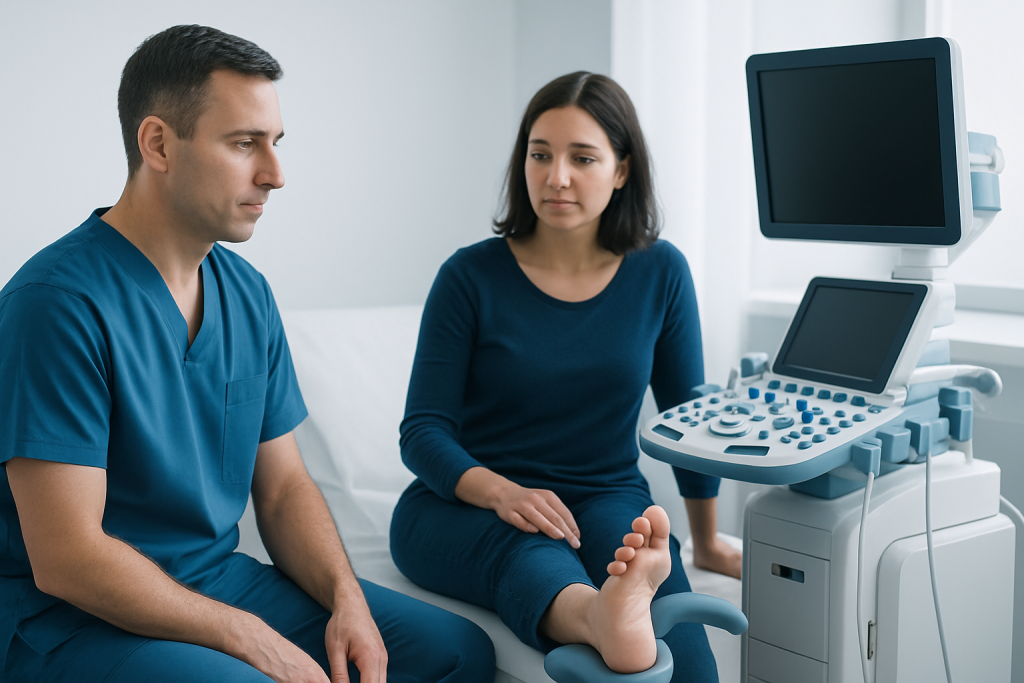
The pain of metatarsalgia usually centers under one or more of the metatarsal heads, near the base of the toes. It may be sharper with the first few steps in the morning, more noticeable during a long day of standing, or especially bothersome during exercise that involves repeated impact.
Some people notice a sensation of walking on a pebble or a fold in the shoe. Others develop burning, tingling, or numbness if nearby nerves are irritated. A callus or thickened skin under the forefoot can also appear where pressure has been concentrated over time.
Symptoms may vary depending on the underlying cause. Common patterns include:
- Pain in the ball of the foot that worsens with activity
- Discomfort when barefoot or in thin-soled shoes
- Localized tenderness when pressing on the forefoot
- Swelling or a feeling of fullness under the toes
- Reduced tolerance for walking, running, or standing
Because forefoot pain can come from several different conditions, the shape of the pain matters. A burning sensation, a sudden sharp pain after a twist, or pain with visible swelling may point toward a different issue than simple pressure-related metatarsalgia.
Causes & Risk Factors

Metatarsalgia develops when the forefoot absorbs more pressure than it should, or when the tissues in that area become irritated. In everyday life, this may happen when shoes place too much force on the front of the foot, when exercise levels rise quickly, or when foot mechanics shift weight forward.
Foot structure plays an important role. A high arch, a long second metatarsal, hammertoes, a bunion, limited ankle flexibility, or a forefoot that has lost cushioning can all change how weight is distributed. In some people, a tight calf muscle or reduced ankle motion makes the front of the foot work harder during walking.
Other factors can increase the chance of symptoms, including:
- High-impact sports such as running or court sports
- Frequent use of high heels or narrow-toed shoes
- Excess body weight, which can increase load on the forefoot
- Arthritis or inflammatory joint disease
- Stress fractures or healing after foot injury
- Morton’s neuroma or other nerve irritation
- Age-related thinning of the natural fat pad under the foot
In some cases, metatarsalgia appears alongside another condition rather than on its own. That is why persistent pain deserves an evaluation rather than repeated guesswork with shoe inserts alone.
Diagnosis
Diagnosis usually begins with a conversation about where the pain is located, what makes it better or worse, how long it has been present, and whether the person recently changed shoes, training, or daily activity. A clinician will also ask about prior injuries, joint disease, numbness, and any visible changes in the foot.
A physical exam helps identify tenderness, calluses, toe alignment, swelling, flexibility, and how weight is carried across the foot. The doctor may check walking pattern, ankle motion, and the condition of the skin and soft tissue. These details often provide strong clues before any scan is ordered.
Imaging is not always necessary, but it can be helpful when the picture is unclear or when another problem needs to be ruled out. X-rays may show fractures, arthritis, or alignment issues. Ultrasound or MRI may be used in selected cases to look for soft tissue problems, stress injuries, or nerve-related causes.
For people traveling for care, bringing previous imaging, a list of shoes worn during daily activity, and a clear timeline of symptoms can make the assessment more efficient. A good diagnosis aims to identify both the painful area and the reason it is being overloaded.
Treatment Options
Treatment depends on the cause, but conservative care is often the first step and is effective for many people. The main goal is to reduce pressure on the painful part of the forefoot while allowing irritated tissues to settle.
Footwear changes are often central. Shoes with a wider toe box, more cushioning, and a lower heel can reduce stress on the metatarsal heads. Rigid soles or rocker-style soles may help some patients by shifting pressure away from the forefoot during walking. Custom or prefabricated orthotic supports can also improve load distribution.
Other commonly used approaches include:
- Activity modification or a temporary reduction in high-impact exercise
- Ice and short periods of rest after symptom flares
- Physical therapy to improve foot and ankle mechanics
- Stretching for tight calf muscles or limited Achilles flexibility
- Padding or metatarsal domes placed correctly to offload pressure
- Treatment of associated problems such as bunions, hammertoes, or arthritis
If symptoms are linked to an inflammatory condition, a stress fracture, or nerve entrapment, the treatment plan may need to be adjusted accordingly. Surgery is not common for simple metatarsalgia, but it may be considered when an underlying structural problem is significant and non-surgical measures are not enough. Any procedure should be discussed with an orthopedic specialist who can explain the expected benefits, recovery, and travel considerations if follow-up care is needed abroad.
Prevention & Self-care
Many cases of metatarsalgia improve when day-to-day pressure on the forefoot is reduced. Small changes often matter more than dramatic ones, especially when symptoms are tied to footwear or activity patterns.
A sensible self-care plan may include choosing shoes that match the foot’s shape, avoiding prolonged use of high heels, and spacing out intense walking or running sessions. People who return to exercise after a break may benefit from a slower build-up so the forefoot can adapt gradually.
Helpful habits may include:
- Replacing worn-out shoes before cushioning is completely flattened
- Using supportive insoles or pads if recommended
- Maintaining calf flexibility through gentle stretching
- Taking standing breaks during long work shifts
- Monitoring calluses or pressure points under the forefoot
- Managing body weight, when appropriate, to reduce load on the feet
If a person is preparing to travel for medical care, it can be useful to pack the shoes normally worn during symptom flares. That gives the treating team a practical view of what the foot experiences in real life, which can be more helpful than a single exam alone.
When to See a Doctor
Forefoot pain that lingers for more than a short period, keeps returning, or limits walking should be evaluated. Medical attention is especially important if the pain began after an injury, if there is visible swelling, or if weight-bearing has become difficult.
A doctor should also be consulted when symptoms include numbness, a burning sensation that is getting worse, a spreading area of pain, or a change in the shape of the foot or toes. These features can suggest a condition other than simple pressure-related metatarsalgia.
Prompt evaluation is sensible if home measures do not help, if the pain affects work or travel, or if there is concern about a stress fracture, arthritis flare, or nerve problem. In international care pathways, orthopedic specialists can coordinate diagnosis, treatment, and follow-up so recovery remains clear even after the patient returns home. At Acibadem Health Point, multidisciplinary specialists and JCI-accredited hospitals can diagnose and treat metatarsalgia for international patients in a coordinated setting.
Frequently asked questions
Is metatarsalgia the same as a fracture?
No. Metatarsalgia is a symptom describing pain in the ball of the foot, while a fracture is a specific break in a bone. A stress fracture can sometimes feel similar, which is why persistent pain should be checked by a clinician.
Can metatarsalgia go away on its own?
Mild cases sometimes improve with rest, better footwear, and reduced pressure on the forefoot. If the pain keeps coming back or lasts for weeks, it is wise to look for an underlying cause rather than waiting it out.
Do orthotics always help metatarsalgia?
Orthotics can help many people by spreading pressure more evenly across the foot, but they are not a universal fix. The best type depends on the person’s foot shape, activity level, and the reason the pain developed.
Is walking okay with metatarsalgia?
Light walking may be acceptable if it does not worsen symptoms, but repeated pain is a sign that the foot may need less load for a while. Supportive shoes and a gradual return to activity are usually more helpful than pushing through discomfort.
Can high heels cause metatarsalgia?
Yes. High heels shift body weight toward the front of the foot and can increase pressure under the metatarsal heads. Wearing them less often and choosing shoes with a lower heel can reduce irritation.
When is surgery considered for metatarsalgia?
Surgery is generally reserved for cases where a structural problem is clearly contributing and non-surgical treatment has not been enough. A foot and ankle specialist can explain whether any procedure would likely help in a specific situation.
References
- American Academy of Orthopaedic Surgeons
- Mayo Clinic
- American Podiatric Medical Association
- NHS
- Merck Manual Professional Edition
This article is for general information only and is not a substitute for professional medical advice. Please consult a qualified doctor about your individual situation.
Joint and spine care in Turkey — expert assessment & treatment
JCI-accredited · board-certified surgeons · reply within 24h
Add us as a Preferred Source to see more of our trusted health content across Google Search, AI Overviews and Discover.
More from the Health Library



Related Specialists

Prof. Dr. Ahmet Alanay
Orthopedic Surgery & Traumatology
Dr. Sinan Aksu
Orthopedic Surgery & Traumatology
Dr. Sirri Baştürk
Orthopedic Surgery & Traumatology
Prof. Dr. Korhan Özkan
Orthopedic Surgery & Traumatology