

Medial Malleolus

Key Takeaways
- The medial malleolus is the inner part of the ankle and helps support joint stability.
- Pain, swelling, tenderness, and trouble bearing weight can signal an injury in this area.
- Imaging tests such as X-rays, CT scans, or MRI may be used to confirm the diagnosis.
- Treatment depends on the type of injury and may include rest, immobilization, physical therapy, or surgery.
- Early medical assessment helps protect ankle function and reduce the risk of long-term stiffness or instability.
The medial malleolus is the inner bony prominence at the ankle and an important part of ankle stability. Injuries to this area can range from minor irritation to fractures that need specialist care and structured recovery.
Overview
The medial malleolus is the bony bump on the inner side of the ankle. It is the lower end of the tibia, or shinbone, and it forms part of the ankle mortise, the structure that helps the foot move smoothly while staying aligned. Because it carries force during standing, walking, running, and twisting movements, even a small injury in this area can affect how the whole ankle works.
When people hear the term medial malleolus, they are often dealing with a fracture, a sprain with bone tenderness, or pain from repeated strain. The exact problem matters because the treatment can be very different. Some injuries heal with rest and support, while others need a specialist’s attention to make sure the ankle remains stable and moves well afterward.
For international patients, ankle problems can be especially disruptive because travel, walking, and airport movement may worsen symptoms. That is one reason an early and clear diagnosis is helpful: it supports practical planning, whether the next step is a brace, a temporary cast, rehabilitation, or a surgical discussion.
Symptoms
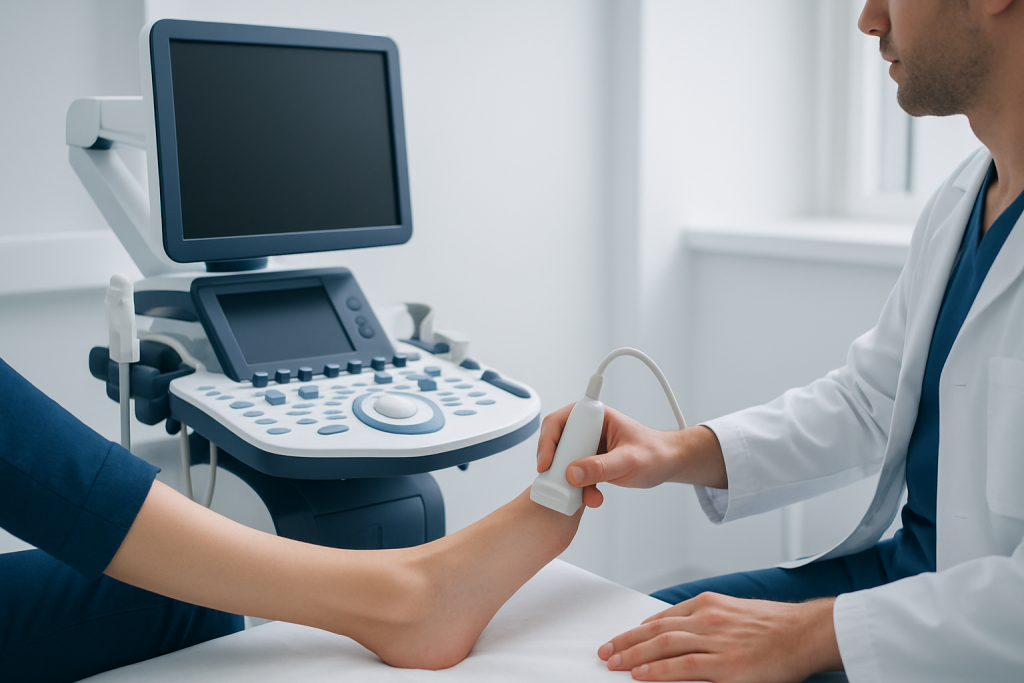
Symptoms around the medial malleolus usually begin with pain on the inner side of the ankle. The discomfort may be sharp after a fall or twist, or it may build gradually if the area is irritated by repetitive stress. Swelling, bruising, and tenderness to touch are common, and the ankle may feel unstable or weak when weight is placed on it.
Some people notice that walking becomes difficult, especially when trying to push off the foot or turn on uneven ground. In a fracture, pain is often stronger and more specific to one spot over the bone. In less severe injuries, pain may appear mainly during activity and improve with rest.
Possible signs of a more significant ankle injury include:
- Difficulty bearing weight
- Visible deformity or unusual ankle shape
- Rapid swelling after injury
- Numbness, tingling, or a cold foot
- Pain that does not settle with rest
Not every painful inner ankle is a fracture, but persistent symptoms should be evaluated rather than assumed to be a simple sprain. The ankle has many connected structures, and pain in one area can reflect a problem elsewhere in the joint.
Causes & Risk Factors
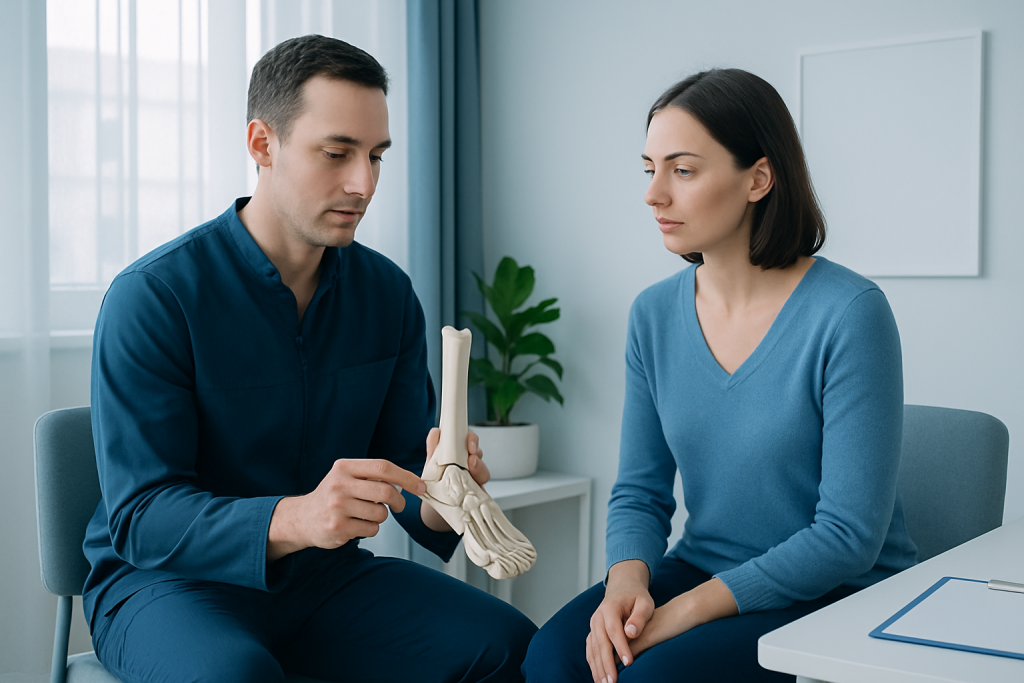
Medial malleolus problems often begin with a twisting injury, such as stepping awkwardly on a stair, landing badly from a jump, or turning the ankle during sport. A direct impact, like a fall or collision, can also injure the inner ankle. In some cases, the medial malleolus breaks together with other ankle structures, creating a more complex fracture pattern.
Repetitive stress can also play a role. Long-distance running, sudden increases in training, or repeated impact on hard surfaces may contribute to irritation or stress-related injury. People with reduced bone strength may be more vulnerable to fractures after a relatively small incident.
Factors that may increase risk include:
- Previous ankle injury
- Sports with jumping, cutting, or pivoting movements
- Osteoporosis or other causes of lower bone density
- Poor balance or unstable footwear
- Work or travel situations that increase the chance of slips and falls
For some patients, the injury happens far from home, which adds another layer of decision-making. Choosing the right evaluation soon after the injury can prevent weeks of uncertainty and help determine whether temporary support or a more advanced treatment plan is needed.
Diagnosis
Diagnosis begins with a careful history and physical examination. A clinician will ask how the injury happened, where the pain is located, whether the patient can walk, and whether there were any prior ankle problems. Exam findings such as swelling, point tenderness over the medial malleolus, or instability can provide important clues.
X-rays are commonly used first because they can show a fracture, joint alignment, or displacement of bone. If the injury is more complex than it first appears, or if symptoms do not match the initial imaging, a CT scan may help define the fracture pattern more precisely. MRI can be useful when ligaments, cartilage, or stress-related bone injury are suspected.
Diagnosis is not only about naming the injury; it is about understanding stability. A small fracture that does not shift may be treated differently from one that changes the ankle’s alignment. That distinction matters because ankle mechanics influence recovery, walking confidence, and the risk of future arthritis.
Treatment Options
Treatment depends on the type and severity of the injury. Minor sprains or irritation around the medial malleolus may respond to rest, elevation, ice, temporary activity reduction, and support with a brace or walking boot. If a fracture is present, the ankle may need immobilization with a cast or boot while the bone heals.
When the fracture is displaced, unstable, or part of a larger ankle injury, surgery may be recommended. The goal of surgery is to restore alignment and stability so the ankle can heal in the correct position. This is especially important when the joint surface is involved, because precise alignment supports long-term function.
Rehabilitation is a central part of recovery. As pain improves and the bone or soft tissue heals, guided exercises may help restore motion, strength, and balance. A physical therapy plan often starts gently and progresses step by step, because ankles that have been protected for a while can feel stiff and weak at first.
Common treatment approaches may include:
- Rest and temporary activity modification
- Ice, elevation, and compression when appropriate
- Brace, boot, or cast immobilization
- Knee Pain Relief: Causes and Treatment" class="ahp-ilk">Pain relief measures recommended by a clinician
- Surgery for unstable or displaced fractures
- Physical therapy and gradual return to walking and sport
Patients traveling for care may find it helpful to discuss the full timeline before treatment begins, including follow-up imaging, stitch or cast care, and the expected need for rehabilitation after returning home. Clear planning reduces surprises and helps recovery continue smoothly across borders.
Prevention & Self-care
Not every ankle injury can be prevented, but practical habits can reduce the chance of problems. Supportive shoes, attention to uneven ground, and appropriate warm-up before sport may lower the risk of twisting injuries. For athletes, training changes should be gradual so the ankle is not overloaded all at once.
If the medial malleolus has already been injured, self-care should focus on protecting the area while it heals. Following the clinician’s instructions about weight-bearing, brace use, and activity limits is important even when pain starts to improve. Many ankle injuries feel better before they are fully healed, so returning too soon can slow recovery.
Helpful self-care steps often include:
- Keeping the ankle elevated when resting, if advised
- Using assistive devices such as crutches when recommended
- Doing prescribed exercises at the right stage of healing
- Avoiding uneven walking surfaces early in recovery
- Monitoring for increasing pain, swelling, or numbness
For people recovering away from home, it can help to keep copies of imaging reports, treatment notes, and rehabilitation instructions. That makes it easier for any local clinician to continue care if follow-up is needed after travel.
When to See a Doctor
Medical assessment is advisable after any ankle injury that causes significant pain, swelling, or difficulty walking. An inner ankle injury should not be ignored if the pain is focused directly over the bone, because fractures can be hard to distinguish from sprains without imaging. If the ankle looks crooked or the person cannot bear weight, urgent evaluation is appropriate.
It is also wise to seek care if pain persists beyond a few days, if swelling is increasing rather than improving, or if the ankle feels unstable. Numbness, marked bruising, or a cold foot can suggest a more serious problem that needs prompt attention.
Patients who are traveling, preparing to fly, or already in another country should not delay evaluation simply because the injury is inconvenient. A timely orthopedic opinion can clarify whether the ankle is safe to walk on, whether a boot or cast is needed, and how soon follow-up should happen. At Acibadem Health Point, multidisciplinary specialists and JCI-accredited hospitals diagnose and treat ankle and bone injuries for international patients in a coordinated setting.
Frequently asked questions
What is the medial malleolus?
The medial malleolus is the inner bony prominence of the ankle and the lower end of the tibia. It helps form and stabilize the ankle joint. Because it is part of a weight-bearing structure, injury there can affect walking and balance.
Can a medial malleolus injury be a sprain instead of a fracture?
Yes. Pain on the inner side of the ankle can come from a sprain, tendon irritation, or a fracture. Imaging is often needed to tell the difference, especially when swelling or pain with weight-bearing is present.
How is a medial malleolus fracture treated?
Treatment depends on whether the bone is stable and aligned. Some fractures can heal with immobilization and protected weight-bearing, while others need surgery to restore ankle alignment. Rehabilitation is usually part of the recovery plan either way.
How long does recovery take?
Recovery time varies widely depending on the type of injury, treatment, and overall health. A stable injury may improve over weeks, while fractures and surgical cases often need a longer healing and rehabilitation period. A doctor can give a more realistic timeline after imaging and examination.
Is it safe to walk on a painful medial malleolus?
Not always. If pain is significant, swelling is marked, or weight-bearing is difficult, walking on it may worsen the injury. It is best to have the ankle assessed before assuming it is safe to continue normal activity.
When should someone seek urgent care after an ankle injury?
Urgent care is sensible if the ankle looks deformed, the person cannot take steps, numbness develops, or the foot feels cold or pale. Severe pain after a fall or twist should also be checked promptly. These signs can indicate a fracture or another injury that needs immediate attention.
References
- American Academy of Orthopaedic Surgeons
- Mayo Clinic
- National Institute of Arthritis and Musculoskeletal and Skin Diseases
- Cleveland Clinic
- Merck Manual Professional Edition
This article is for general information only and is not a substitute for professional medical advice. Please consult a qualified doctor about your individual situation.
More from the Health Library



Related Specialists

Prof. Dr. Ahmet Alanay
Orthopedic Surgery & Traumatology
Dr. Sinan Aksu
Orthopedic Surgery & Traumatology
Dr. Sirri Baştürk
Orthopedic Surgery & Traumatology
Prof. Dr. Korhan Özkan
Orthopedic Surgery & Traumatology