

Lateral Malleolus

Key Takeaways
- The lateral malleolus is the outer ankle bone formed by the lower end of the fibula.
- Pain in this area is commonly linked to sprains, fractures, tendon problems, or overuse injuries.
- Diagnosis often includes a physical exam and imaging such as X-rays, with MRI or CT used in selected cases.
- Treatment depends on the cause and may include rest, support, immobilization, rehabilitation, or surgery.
- Early medical assessment helps prevent long-term stiffness, instability, or repeated injury.
The lateral malleolus is the bony prominence on the outer side of the ankle and is an important part of ankle stability. Pain, swelling, or tenderness in this area can come from sprains, fractures, tendon irritation, or other conditions that deserve proper evaluation.
Overview
The lateral malleolus is the rounded bony point on the outside of the ankle. It is part of the fibula, the thinner of the two lower-leg bones, and it plays a major role in keeping the ankle aligned and stable during walking, running, and turning.
Because this bone sits close to the skin and bears stress during movement, it can become painful after a twist, fall, Knee Pain Relief: Causes and Treatment" class="ahp-ilk">Pain Relief" class="ahp-ilk">sports injury, or repeated strain. In many people, the discomfort is not from the bone itself but from the ligaments, tendons, or soft tissues that surround it.
For international patients, ankle symptoms can become especially disruptive while traveling, since walking between airports, hotels, and appointments can worsen pain. Understanding the likely source of the problem helps a person decide whether simple care is enough or whether a specialist evaluation is the safer choice.
Symptoms
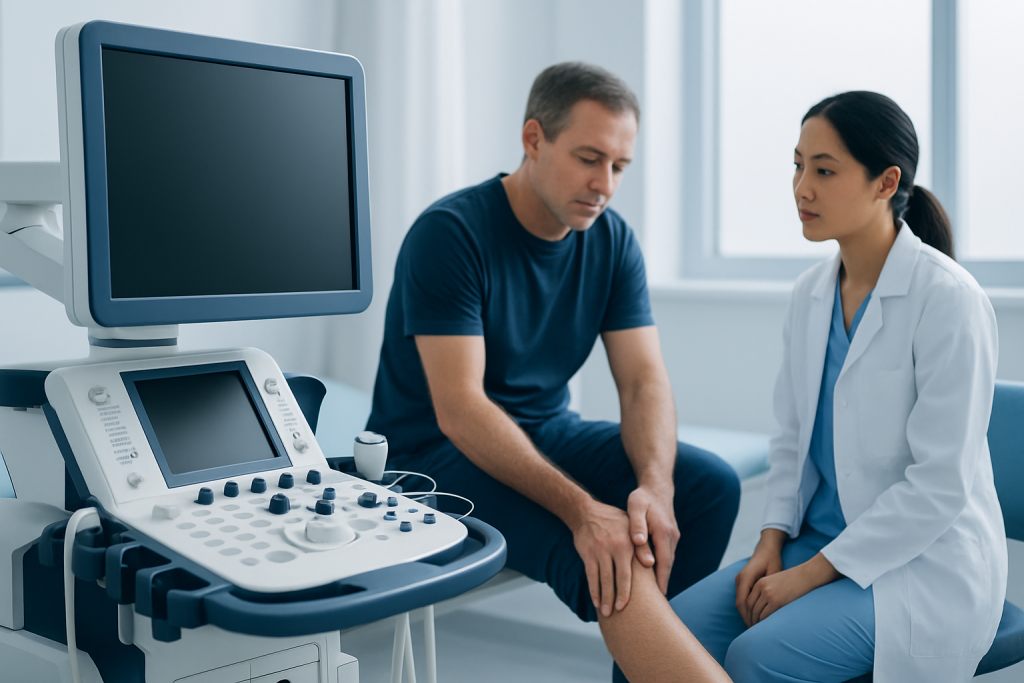
Symptoms involving the lateral malleolus vary depending on the underlying cause. Some people notice sudden pain after an injury, while others develop a slower, aching discomfort that increases with activity.
Common signs include:
- Pain or tenderness on the outer side of the ankle
- Swelling or bruising around the ankle joint
- Difficulty bearing weight or walking normally
- A feeling that the ankle is unstable or may “give way”
- Stiffness, especially after rest
- Pain that worsens when turning the foot inward or outward
In fractures, the pain is often sharper and the ankle may look deformed or feel too painful to move. With sprains or tendon irritation, a person may still walk, but the area can remain sore for days or weeks if it is not protected and rehabilitated properly.
Causes & Risk Factors
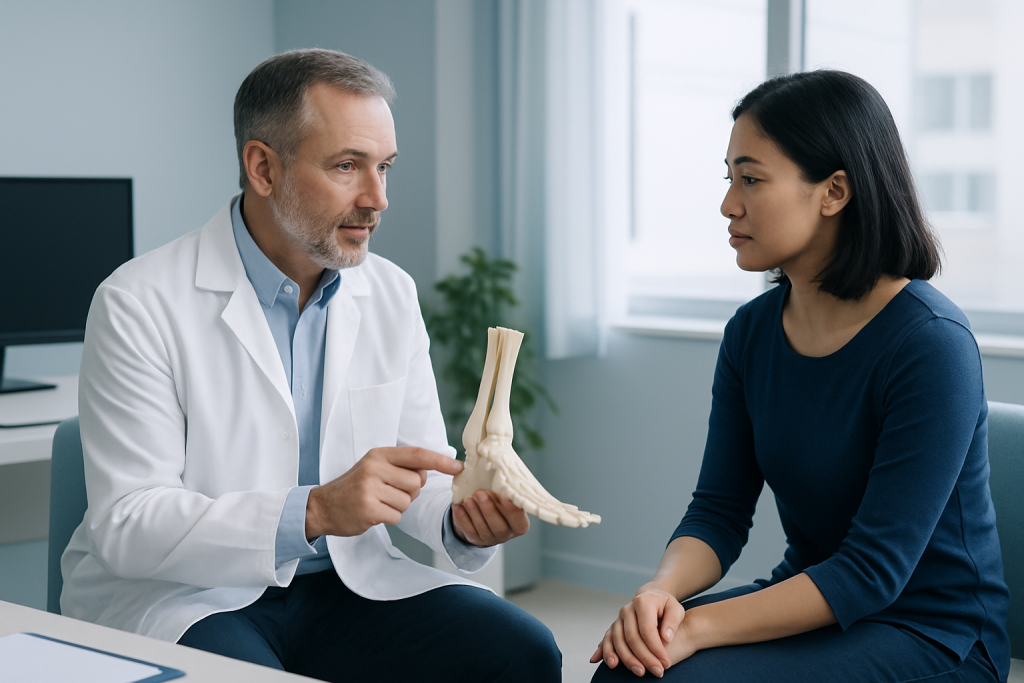
The most common cause of lateral malleolus pain is an ankle sprain, usually after the foot rolls inward and stretches the outer ankle ligaments. A fracture of the fibula near the ankle is another important cause, especially after a direct blow, fall, or twisting injury.
Other possible causes include peroneal tendon irritation, stress fractures, arthritis in the ankle, and irritation from footwear or repetitive motion. In some cases, pain around the outer ankle may also come from an old injury that never fully healed and has left the joint unstable.
Risk factors can include participation in pivoting sports, prior ankle injuries, poor balance, weak lower-leg muscles, uneven walking surfaces, and conditions that affect bone strength. Travel-related fatigue, unfamiliar terrain, and carrying heavy luggage can also increase the chance of a misstep or fall.
Diagnosis
Diagnosis starts with a careful history and physical examination. A clinician will ask how the pain began, whether weight-bearing is possible, and whether the ankle swelled quickly after the event, since those details help distinguish a sprain from a fracture or tendon problem.
X-rays are commonly used when a fracture is suspected or when pain is severe, the ankle is deformed, or walking is difficult. If the first images do not fully explain the symptoms, a doctor may recommend MRI, CT, or ultrasound to look more closely at ligaments, cartilage, tendons, or subtle bone injury.
For someone seeking care abroad, bringing previous imaging, medication lists, and a brief injury timeline can make evaluation more efficient. A clear description of when the pain started and what movements make it worse is often just as useful as the scan itself.
Treatment Options
Treatment depends on the cause and how stable the ankle is. Minor sprains may improve with rest, elevation, compression, and short-term activity modification, while more significant injuries may need a brace, walking boot, or crutches to protect healing tissues.
Fractures of the lateral malleolus require individualized management. Some are stable and can be treated without surgery, but displaced or unstable fractures may need surgical fixation to restore alignment and reduce the risk of long-term ankle problems.
Rehabilitation is a major part of recovery. Guided exercises usually focus on restoring range of motion, rebuilding strength in the calf and ankle muscles, and improving balance so the joint can tolerate everyday movement again. In more complex cases, treatment may also address swelling control, gait training, and a gradual return to sport or work.
Medication may be used for pain relief, but the choice should be made by a qualified clinician, especially if the person has other medical conditions or is already taking blood thinners or anti-inflammatory drugs.
Prevention & Self-care
Not every ankle injury can be prevented, but many outer-ankle problems become less likely when the joint is well conditioned and protected. Supporting the ankle with appropriate shoes, paying attention to surfaces, and avoiding rushed turns or sudden changes in direction can all help.
Useful self-care habits include:
- Wearing supportive footwear for walking and exercise
- Strengthening the calves and ankle stabilizing muscles
- Working on balance and proprioception after any prior sprain
- Increasing activity gradually rather than all at once
- Using caution on stairs, wet floors, and uneven ground
If pain has already started, reducing high-impact activity early can prevent a minor strain from becoming a prolonged problem. During recovery, following the clinician’s instructions about weight-bearing and exercise progression is often the difference between a smooth return and repeated setbacks.
When to See a Doctor
Medical evaluation is recommended if ankle pain is severe, the foot cannot bear weight, swelling is marked, or the area looks crooked after an injury. A prompt assessment is also important if numbness, coldness in the foot, or increasing bruising appears.
Even without a dramatic injury, ongoing pain around the lateral malleolus should not be ignored if it lasts more than a short time, keeps returning, or limits walking, exercise, or sleep. Persistent instability after a sprain deserves attention because repeated giving-way can damage the joint over time.
People traveling for care often benefit from early orthopedics consultation so imaging, treatment planning, and rehabilitation can be coordinated before and after the trip. Acibadem Health Point’s multidisciplinary specialists and JCI-accredited hospitals diagnose and treat ankle conditions for international patients, with attention to both the injury and the practical details of recovery.
Recovery and Follow-Up
Recovery time depends on whether the problem is a simple sprain, a stable fracture, or an injury that requires surgery. In general, improvement is gradual, and returning too quickly to full activity can delay healing or bring symptoms back.
Follow-up visits help confirm that swelling is decreasing, movement is returning, and the ankle is stable enough for the next phase of rehabilitation. If surgery was required, follow-up also ensures the incision is healing well and that the bone or ligaments are progressing as expected.
For international patients, recovery planning should include where physical therapy will happen after returning home and how any repeat imaging or checkups will be arranged. A well-organized follow-up plan often matters as much as the initial treatment, especially for injuries that affect mobility every day.
Frequently asked questions
What is the lateral malleolus?
The lateral malleolus is the bony bump on the outside of the ankle. It is the lower end of the fibula and helps stabilize the ankle during movement.
Is pain over the lateral malleolus always a fracture?
No. Sprains, tendon irritation, and other soft-tissue problems are more common causes of pain in this area. A fracture becomes more likely after significant trauma, inability to bear weight, or visible deformity.
Can I walk on a painful lateral malleolus?
Some people can still walk after a minor sprain, but walking on a painful ankle may worsen an injury if the joint is unstable. If weight-bearing is difficult or painful, medical assessment is advisable.
What tests are used to check a lateral malleolus injury?
Doctors commonly start with a physical exam and X-rays. MRI, CT, or ultrasound may be used if a fracture is subtle or if ligament or tendon injury needs closer evaluation.
Does a lateral malleolus fracture always need surgery?
No. Some fractures are stable and heal well without surgery, using protection and follow-up care. Surgery is considered when the fracture is displaced, unstable, or unlikely to heal in proper alignment without fixation.
How can someone reduce the risk of another ankle injury?
Strengthening, balance training, and supportive footwear can lower the chance of repeat injury. It also helps to return to sports or long walks gradually, especially after a previous sprain or fracture.
References
- American Academy of Orthopaedic Surgeons
- Mayo Clinic
- National Institute of Arthritis and Musculoskeletal and Skin Diseases
- NHS
This article is for general information only and is not a substitute for professional medical advice. Please consult a qualified doctor about your individual situation.
More from the Health Library



Related Specialists

Prof. Dr. Ahmet Alanay
Orthopedic Surgery & Traumatology
Dr. Sinan Aksu
Orthopedic Surgery & Traumatology
Dr. Sirri Baştürk
Orthopedic Surgery & Traumatology
Prof. Dr. Korhan Özkan
Orthopedic Surgery & Traumatology